




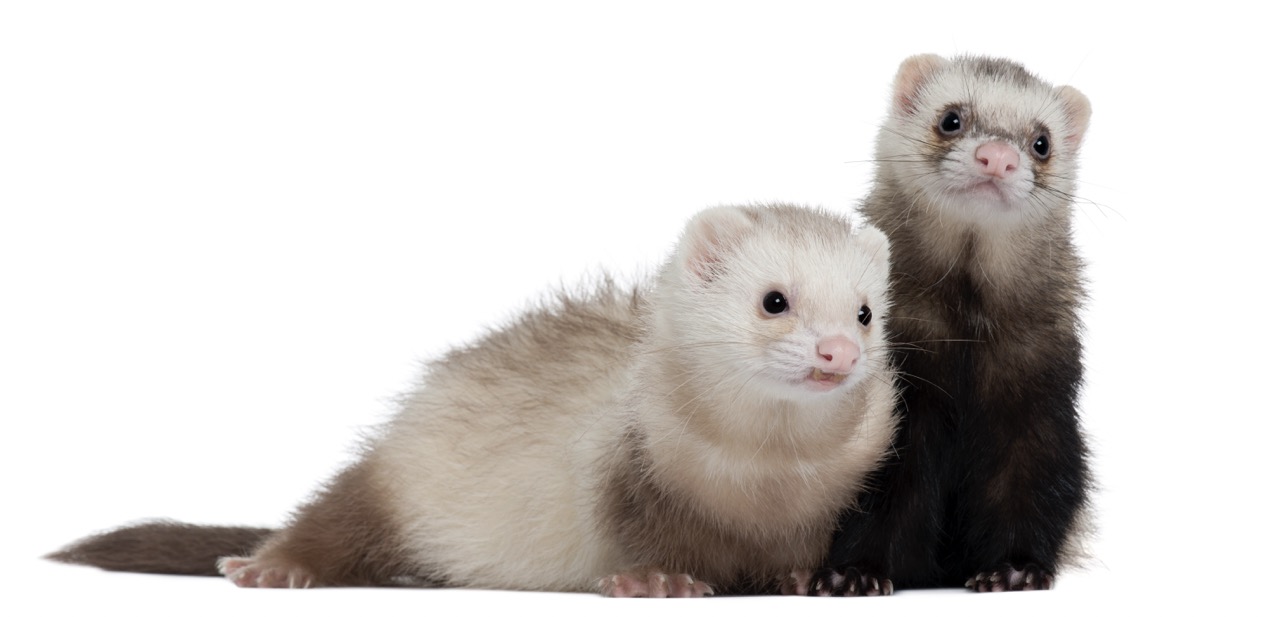
Ferrets are playful and inquisitive pets that bring joy to many households. However, like all animals, they can be susceptible to illnesses. Understanding how to recognize the signs of sickness in your ferret is crucial for ensuring their health and well-being. This guide aims to equip pet owners with the knowledge needed to identify illness, take appropriate initial steps, seek veterinary care when necessary, and provide essential home care during the recovery process.
Recognizing the Signs of Illness in Your Ferret
Ferrets are known for their energetic and curious nature, but when they are not feeling well, their behavior may change significantly. Common signs of illness in ferrets include lethargy, decreased appetite, and changes in grooming habits. A ferret that is typically active may become unusually quiet or withdrawn, while a noticeable decline in food intake can signal digestive issues or other underlying problems. Observing your ferret’s behavior closely is essential, as subtle changes can be early indicators of illness.
Physical symptoms can also provide important clues about your ferret’s health. Watch for signs such as diarrhea, vomiting, or unusual discharge from their eyes or nose. A ferret with respiratory issues may exhibit coughing, sneezing, or labored breathing. Additionally, any noticeable weight loss or changes in fur quality can indicate health problems. Keeping a close eye on your ferret’s physical state and comparing it to their usual appearance and habits can help in detecting illness early.
Another critical aspect of recognizing illness is understanding the importance of routine health checks. Regularly examine your ferret’s teeth, gums, and overall body condition. Monitoring their weight on a scale can also help you identify if there are any rapid changes that may require attention. By being proactive and vigilant, you can catch potential health issues before they escalate, improving the chances of a swift recovery.
Initial Steps to Take When Your Ferret is Unwell
Once you notice signs of illness in your ferret, it is important to take immediate action. First, isolate the affected ferret from other pets to prevent any potential transmission of illness, especially if you have multiple animals. Create a calm and quiet environment where your ferret can rest and feel secure. Limit their interactions with other pets to ensure they can recover without stress or additional exposure to illness.
Next, assess their diet and hydration. If your ferret is not eating, you may need to offer easy-to-digest foods or even hand-feed them to encourage eating. Offer fresh water and monitor their intake. Dehydration can quickly become a serious issue, so offering fluids is vital. In cases where your ferret refuses food or water for more than 24 hours, it is essential to seek veterinary advice promptly.
Finally, keep a detailed log of your ferret’s symptoms, including when they started and any changes you observe. This information can be invaluable for your veterinarian in diagnosing the issue. Document their behavior, eating habits, and any other relevant details that can help provide a clearer picture of their health status. This proactive approach not only aids in treatment but also helps you feel more in control during a troubling time.
When to Seek Veterinary Care for Your Ferret
Determining when to take your ferret to the veterinarian is crucial for their health. If your ferret exhibits severe symptoms such as persistent vomiting, diarrhea, or difficulty breathing, immediate veterinary attention is warranted. These symptoms can indicate serious medical conditions that require prompt intervention. Do not hesitate to contact your vet if your ferret appears to be in distress or shows significant changes in behavior.
Another reason to seek veterinary care is if your ferret has prolonged lethargy or lack of appetite lasting longer than 24 hours. Even minor changes in their normal eating routine can lead to severe health issues if not addressed swiftly. Additionally, if your ferret is showing signs of pain, discomfort, or an abnormal appearance such as bloating or swelling, it is vital to consult a veterinarian without delay.
Lastly, routine health checks and vaccinations are also essential, and you should not overlook scheduling these appointments. Regular visits to the vet can help catch potential health issues before they escalate and keep your ferret up to date on necessary vaccinations. If in doubt about your ferret’s health, it is always better to err on the side of caution and consult with a professional.
Home Care Tips for a Recovering Ferret After Illness
After your ferret receives treatment for an illness, providing adequate home care is vital to ensure a smooth recovery. Create a comfortable space for your ferret that is quiet and free from stressors. Ensure the environment is clean and safe, with all their essentials such as food, water, and bedding easily accessible. Monitoring their activity levels is essential; encourage gentle playtime, but avoid overexertion during their recovery period.
Maintaining a balanced diet is crucial for recuperation. Consult your veterinarian for dietary recommendations tailored to your ferret’s specific needs during recovery. You might need to provide softer foods or specialized diets designed for sick pets. Ensuring they have access to fresh, clean water at all times is equally important, as proper hydration supports their overall health and aids in recovery.
Lastly, keep a close watch on their progress and any changes in behavior or symptoms during recovery. Regularly check for any signs of relapse or new symptoms that may arise. If you notice any concerning changes, do not hesitate to reach out to your veterinarian for further guidance. By providing attentive and loving care during this time, you can help your ferret regain their health and vitality.
Caring for a sick ferret can be a challenging experience for pet owners, but being informed and proactive can make a significant difference in their recovery. By recognizing the signs of illness, taking appropriate initial steps, knowing when to seek veterinary care, and providing thoughtful home care, you can ensure your ferret has the best chance at a speedy recovery. Always remember that your veterinarian is a valuable resource, and early intervention is key to maintaining the health and well-being of your beloved pet.