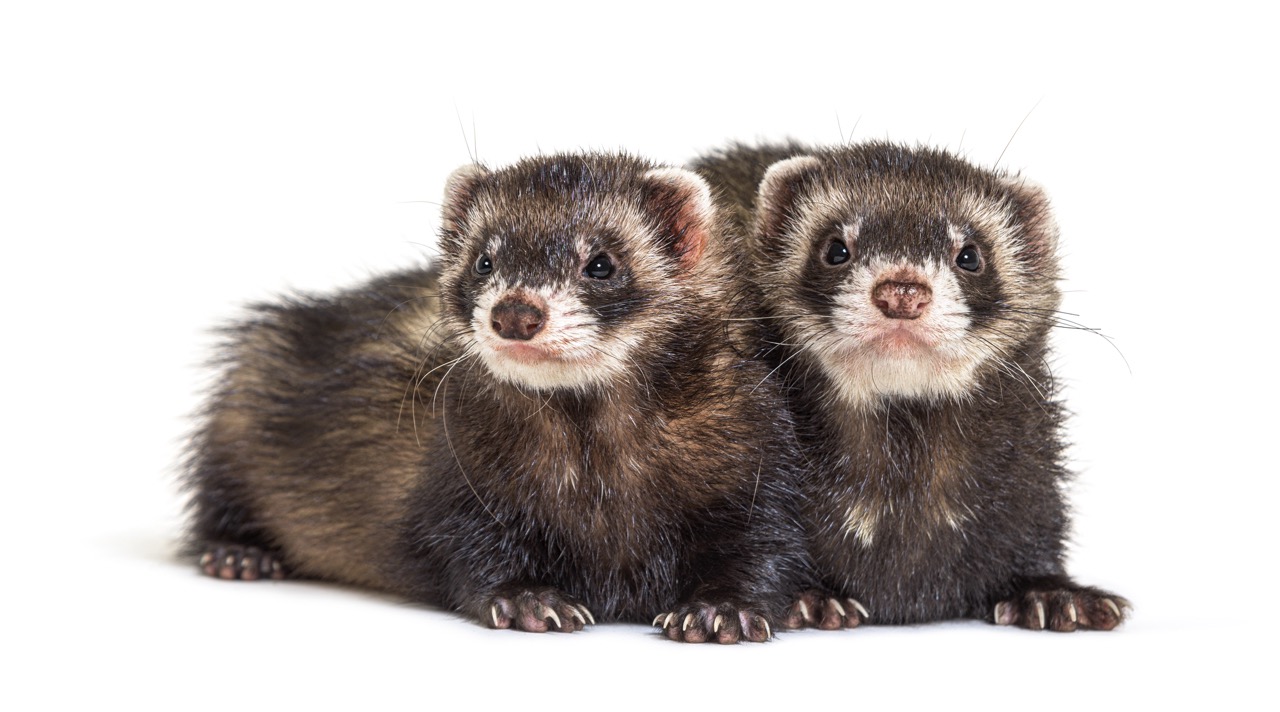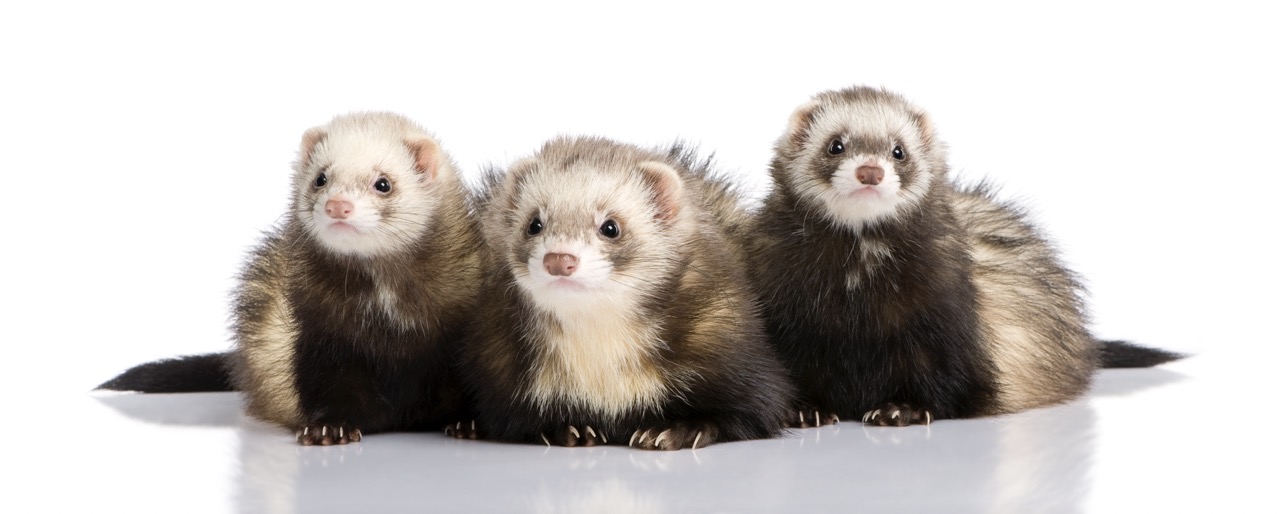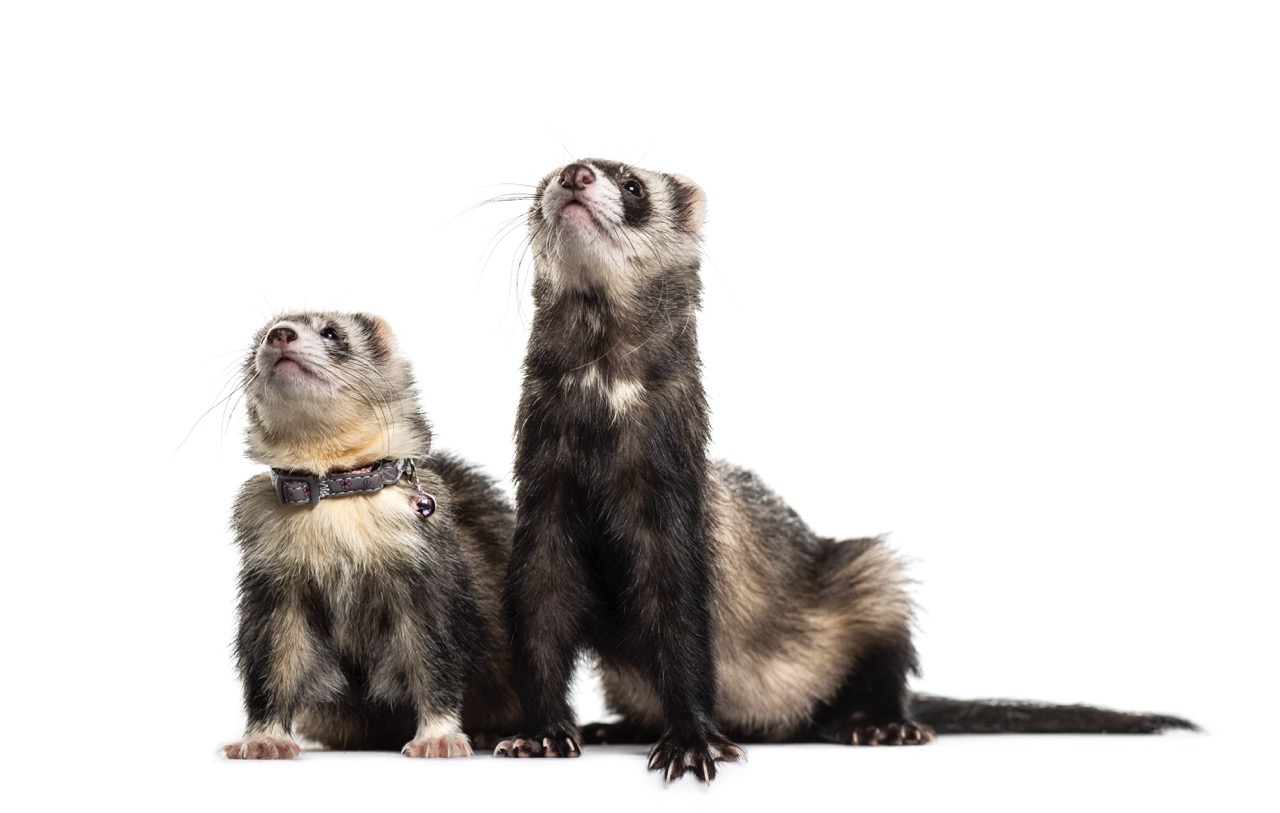





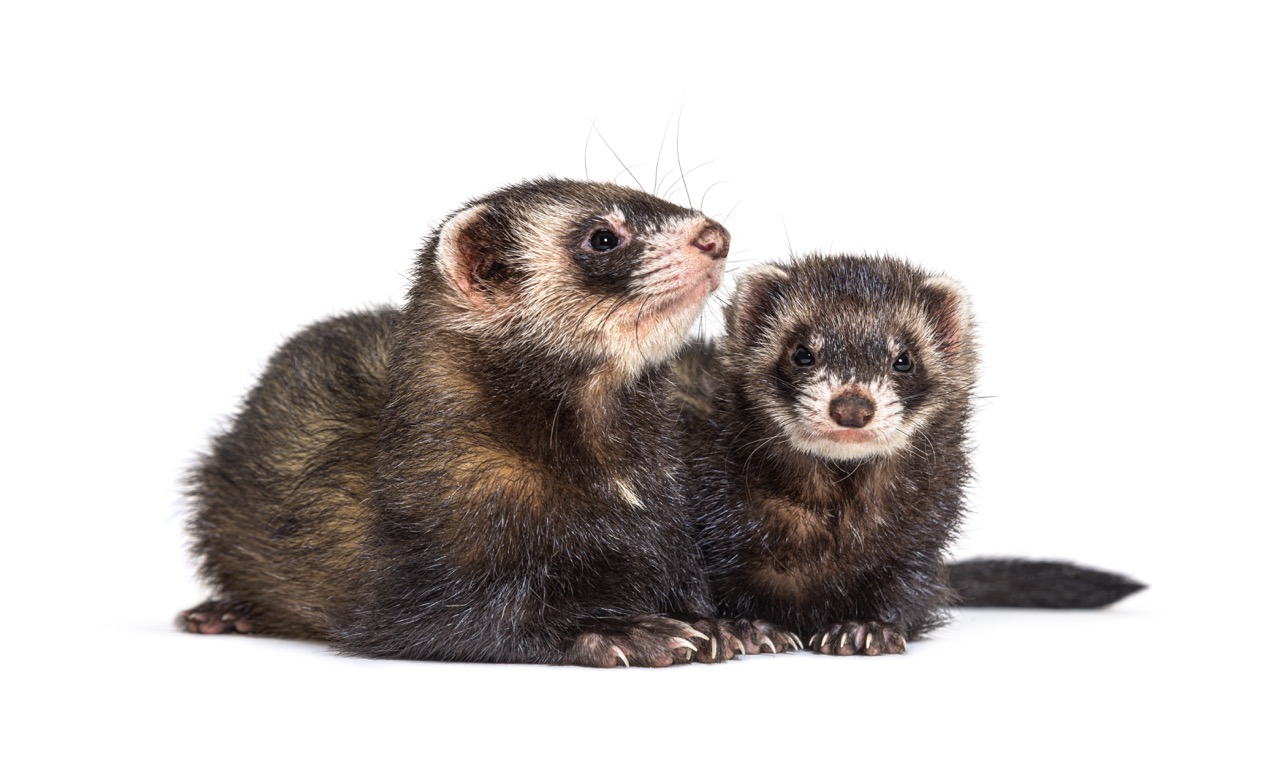
Ferrets, small carnivorous mammals belonging to the weasel family, have played a fascinating role in human history, evolving from working animals to beloved pets. Their unique characteristics and abilities have made them valuable companions in various capacities. Understanding the historical significance of ferrets reveals not only their functionality but also the affectionate relationship they share with humans across different cultures and eras.
The Historical Use of Ferrets as Hunting Companions
Ferrets have been utilized for centuries as hunting companions, a role that traces back to ancient civilizations. Evidence suggests that the domestication of ferrets began around 2,500 years ago in the Mediterranean region, where they were bred primarily for their hunting prowess. They were particularly adept at hunting rabbits, as their slender bodies allowed them to navigate burrows with ease. This symbiotic relationship between ferrets and hunters facilitated the control of rabbit populations, crucial for agricultural societies that relied on crops.
The technique of using ferrets in hunting, known as "ferreting," involves sending the ferret into a rabbit warren to flush out the prey. As the ferret chases the rabbits out of their burrows, hunters would be waiting to capture the fleeing animals. This method proved highly effective and was a popular pastime among landowners and village folk alike, providing both sustenance and sport. Ferrets not only showcased their remarkable instincts but also helped foster a deep bond with their human counterparts, solidifying their role in the hunting community.
Throughout history, the utilization of ferrets in hunting has been well-documented in various cultures, with references found in ancient texts and artworks. By the Middle Ages, ferrets had become a common sight in hunting parties, particularly in Europe, where they were often seen as a symbol of status and skill among nobility. The enduring popularity of ferrets as hunting companions highlights their significance in the lives of those who relied on their capabilities for both survival and leisure.
Ferrets in Agriculture: Aiding in Pest Control Efforts
Beyond their role in hunting, ferrets have also significantly contributed to agricultural practices, particularly in pest control. Farmers have historically faced challenges from various rodents that threaten crops and stored grains. As natural predators, ferrets were introduced to farms as a biological control method. Their agility and efficiency in hunting down pests made them a valuable asset to agricultural endeavors, reducing the need for chemical pesticides.
The introduction of ferrets into agricultural settings was particularly beneficial before the advent of modern pest control techniques. Farmers would encourage ferrets to roam freely in grain storage facilities and fields, allowing them to hunt mice, rats, and other vermin that could cause extensive damage. This natural form of pest management not only helped safeguard crops but also promoted a healthier ecosystem, as ferrets contributed to the natural balance of predator and prey.
Additionally, the agricultural use of ferrets led to an increased awareness of their ecological importance. Their role in controlling rodent populations highlighted the necessity of integrating natural predators into farming practices. This symbiotic relationship between ferrets and agriculture exemplified the benefits of using indigenous wildlife for pest management—an approach that resonates in modern sustainable farming discussions.
The Shift from Working Animals to Beloved Pets
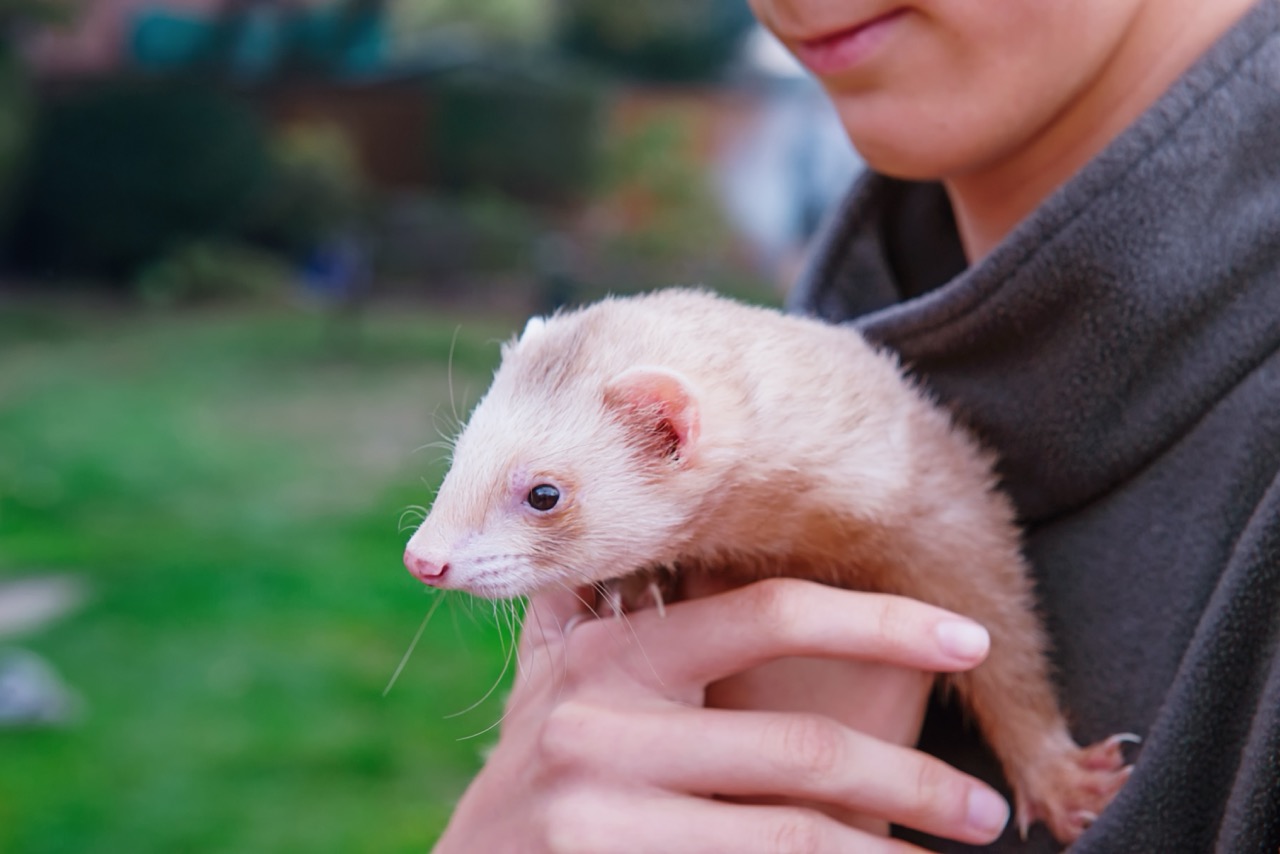
The transition of ferrets from working animals to cherished pets has its roots in changing societal norms and the evolution of human-animal relationships. As urbanization increased in the late 19th and early 20th centuries, many people began to seek companionship from animals in their homes. Ferrets, with their playful and curious nature, became popular as domestic pets. This shift reflected a broader trend in which animals were increasingly valued for their companionship rather than solely for their utility.
As ferrets gained popularity as pets, their breeding practices also changed. Selective breeding resulted in a variety of ferret breeds with distinct physical features and temperaments, appealing to a wider audience. The affectionate disposition of pet ferrets, coupled with their engaging behavior and social intelligence, made them an attractive option for families and individuals alike. Pet ownership also fostered a culture of care, where owners invested in the well-being and enrichment of their ferrets, leading to an increased understanding of their needs and characteristics.
The rise of ferrets as pets led to the formation of dedicated communities and organizations focused on their care and welfare. Pet expos, training resources, and social media groups emerged, creating a vibrant culture around ferret ownership. As they transitioned into the role of household companions, ferrets began to occupy a place in popular culture, further cementing their status as beloved pets. This transformation from working animals to cherished family members illustrates the evolving nature of human relationships with animals.
Cultural Significance of Ferrets Across Different Eras
Throughout history, ferrets have held varied cultural significance across different regions and eras. In ancient Rome, ferrets were not only regarded as practical hunting companions but also appeared as symbols of fertility and vitality in art and literature. Roman poets and philosophers often referenced ferrets, showcasing the duality of their roles in society as both laborers and symbols of leisure. This cultural appreciation underscored their importance in Roman life, where they were integrated into both everyday activities and entertainment.
In Medieval Europe, ferrets became associated with nobility and aristocratic sports. The sport of hunting with ferrets was often depicted in paintings and literature, demonstrating the status it conferred on those who participated. Ferrets were viewed as a mark of sophistication, and their presence in hunting parties was considered a sign of high social standing. This connection with the upper class further entrenched their role in society, as they became intertwined with the traditions of hunting, feasting, and leisure activities.
In more contemporary contexts, ferrets have emerged as symbols of resilience and adaptability. The rise of the internet has facilitated a shift in perception, with ferrets showcasing their playful antics and unique personalities through viral videos and memes. This newfound presence in pop culture has not only elevated their status as pets but has also fostered greater awareness of their needs and welfare. As ferrets continue to capture hearts around the world, their cultural significance evolves, reflecting the ever-changing dynamics of human-animal relationships throughout history.
The journey of ferrets in history—from working animals to cherished pets—reveals their remarkable adaptability and the profound connection they share with humans. Their roles in hunting and agriculture demonstrate their practicality, while their transformation into beloved companions reflects the evolving values of society. As ferrets continue to thrive in homes across the globe, understanding their historical significance enriches our appreciation of these fascinating creatures and highlights the enduring bond between humans and animals.