




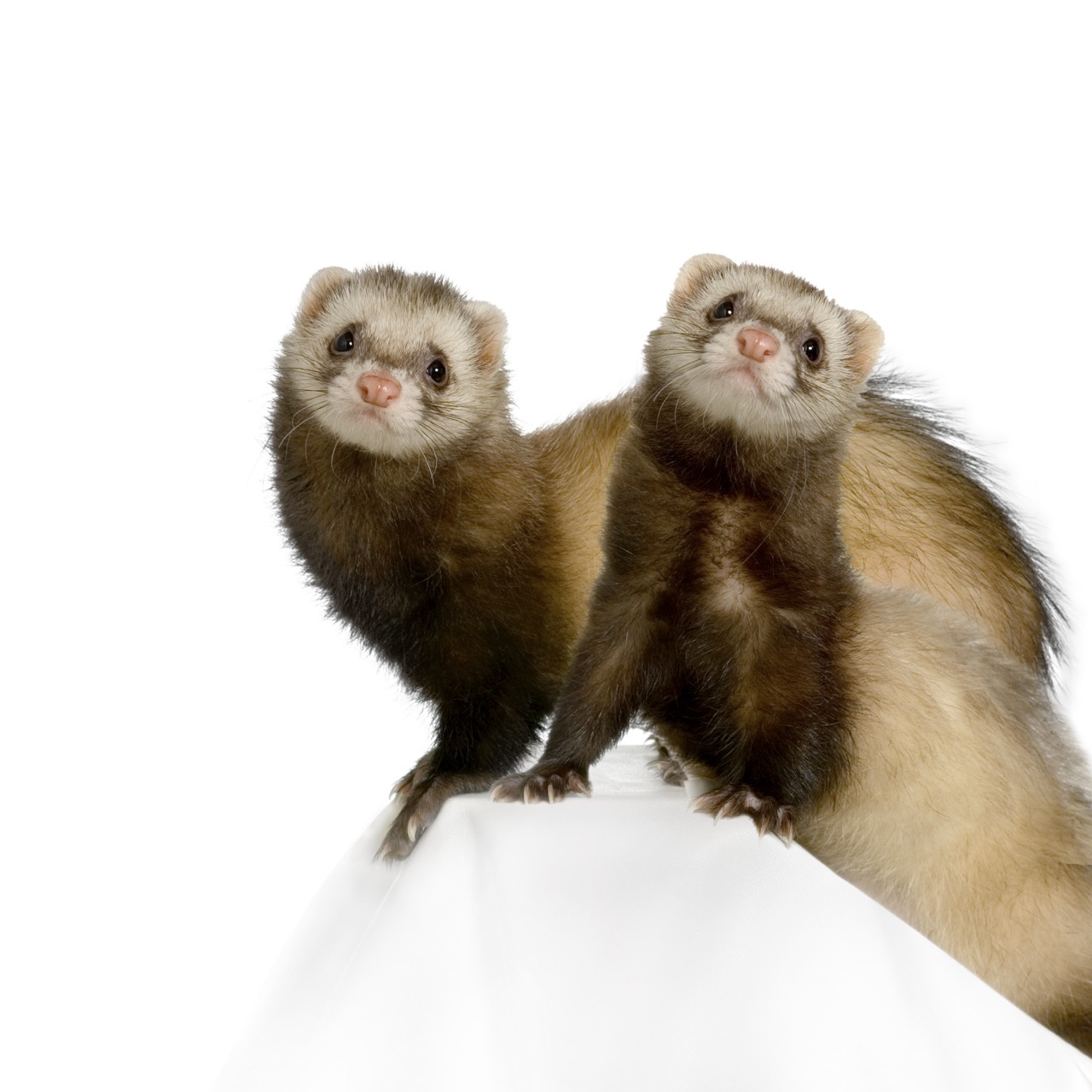
Ferrets, with their playful demeanor and curious nature, possess an intricate communication system that is heavily reliant on scent. This small yet influential animal has evolved a sophisticated method of conveying information and establishing territory through scent marking. Understanding the role of ferret scent in communication and territorial behaviors sheds light on their social structures and interactions within the wild and domesticated environments.
Understanding Ferret Scent Marking Behavior and Functions
Scent marking is a critical behavior in ferrets that serves multiple functions, most notably communication and territory establishment. Ferrets have specialized glands located throughout their body, particularly around their anal region, which produce scent secretions. When ferrets rub or scratch their bodies against surfaces, they leave behind these scents, effectively marking their territory. This behavior is not merely instinctual; it is a complex social tool that ferrets utilize to relay information about their presence and reproductive status.
In the wild, scent marking helps ferrets communicate with others in their vicinity. A ferret’s scent can indicate a range of information, such as health, age, and sexual availability. When a ferret encounters the scent of another, it can gauge whether the individual is a potential mate or a rival. This intricate scent communication system reduces unnecessary confrontations, allowing ferrets to navigate their social interactions more effectively.
Additionally, scent marking is not limited to interactions with other ferrets. It also plays a vital role in the ferret’s understanding of its environment. By marking areas with their scent, ferrets can create mental maps of their territory, identifying safe zones and places of danger. This behavior underscores the importance of scent in facilitating not only social dynamics but also survival within their habitat.
The Chemical Composition of Ferret Scent Secretions
The chemical composition of ferret scent secretions is a key factor in their effectiveness as communicative agents. Ferret scents primarily consist of a complex mixture of fatty acids, pheromones, and other organic compounds. These substances are produced by scent glands and can vary significantly depending on the ferret’s age, sex, and health. For instance, intact males often produce stronger and more pungent scents compared to females or neutered males, which can significantly influence social interactions and mating behaviors.
Pheromones, which are chemical signals capable of triggering social responses among members of the same species, play a pivotal role in ferret communication. These chemical signals can convey information about reproductive status, dominance, and individual identity. Studies have shown that ferrets have a heightened sensitivity to these scent cues, allowing them to react to subtle changes in their environment and the presence of other ferrets.
The ability to discern and react to these complex chemical signals enhances the ferret’s social interactions and decision-making. Consequently, the chemical composition of their scent secretions not only facilitates communication but also plays a crucial role in mating rituals and establishing social hierarchies within groups.
How Scent Influences Ferret Social Interactions and Hierarchies
Scent significantly influences social interactions among ferrets, affecting everything from bonding to rivalry. In social groups, ferrets utilize scent to establish and reinforce relationships with one another. For example, a ferret may engage in mutual grooming or close contact with another, effectively blending their scents and strengthening their social bond. This blending of scents can indicate acceptance and familiarity, fostering group cohesion.
In addition to fostering social bonds, scent plays an essential role in establishing dominance hierarchies. Dominant ferrets often have more pronounced scents that may signal their status to subordinates. The recognition of these scent cues can deter challenges and disputes, as lower-ranking ferrets may avoid confrontations with those scent-marked as dominant. Thus, scent serves as a non-verbal means of asserting power and maintaining social order within ferret communities.
Moreover, the ability to discern the scents of other individuals also aids ferrets in navigating social dynamics. By detecting changes in the scents of their peers, ferrets can identify newcomers or shifts in dominance, allowing them to adjust their behaviors accordingly. This sensitivity to scent strengthens their social structure and enhances their adaptability within fluctuating group settings.
Territoriality in Ferrets: Scent as a Boundary Marker
Territoriality is a fundamental aspect of ferret behavior, and scent marking plays a pivotal role in delineating boundaries. Ferrets are known to be territorial animals, often establishing specific areas that they claim as their own. By leaving scent marks throughout their territory, ferrets communicate to others that the area is occupied, thus discouraging potential intruders. This scent marking behavior is crucial for minimizing conflict and ensuring the survival of the resident ferret.
The use of scent as a boundary marker not only deters rivals but also provides clarity in social interactions. When a ferret encounters the scent of another, it can ascertain if the area is claimed by a dominant or unfamiliar individual, which may influence its decision to enter or avoid that territory. This olfactory communication reduces the likelihood of confrontations, enabling ferrets to coexist in overlapping territories without direct conflict.
Furthermore, the strength and composition of these scent signals may change over time, indicating shifts in territorial claims. For instance, a ferret may increase its scent marking during mating seasons or when defending against intruders. This dynamic nature of scent marking allows ferrets to adapt to changes in their environment while maintaining their territorial integrity and social structure.
In conclusion, the role of scent in ferret communication and territoriality is complex and multifaceted. Through their unique scent marking behaviors, ferrets convey essential information about their identity, health, and social status. The chemical composition of their scent secretions enhances their ability to interact socially and establish hierarchies, while also serving as a crucial boundary marker in their territorial claims. Understanding these behaviors provides valuable insight into the social dynamics of ferrets, highlighting the importance of scent in their lives both in the wild and within human households.