



In recent years, the popularity of ferrets as pets has soared, and with this rise, their presence on social media platforms has become increasingly prominent. Ferrets, known for their playful and curious nature, have captured the hearts of many pet enthusiasts and social media users alike. As individuals and organizations share videos, photos, and stories featuring these charming creatures, a unique community has formed around the celebration of ferrets. However, while showcasing ferrets on social media can be a delightful experience, it also raises questions about the implications and responsibilities that come with sharing pet-related content online. This article explores the pros and cons of featuring ferrets on social media, along with best practices for promoting responsible ferret ownership in the digital sphere.
Understanding the Growing Trend of Ferrets on Social Media
The surge in ferret popularity on social media can largely be attributed to their quirky personalities and engaging antics. Platforms like Instagram, TikTok, and YouTube have become home to countless accounts dedicated to showcasing these playful pets. Users are drawn to the unique and often amusing behaviors of ferrets, which can range from playful wrestling to mischievous escapades. The shareable nature of short videos, accompanied by whimsical music and smart editing, has further fueled this trend, allowing ferret owners to connect with like-minded pet lovers around the world.
Additionally, ferrets’ relatively low-maintenance needs compared to other pets make them appealing choices for a diverse range of individuals. This accessibility can be highlighted through social media, encouraging potential pet owners to consider adopting ferrets. As ferret-centric content spreads, it has also led to an increase in awareness surrounding ferret care, welfare, and adoption, which can foster a sense of community among ferret owners and advocates.
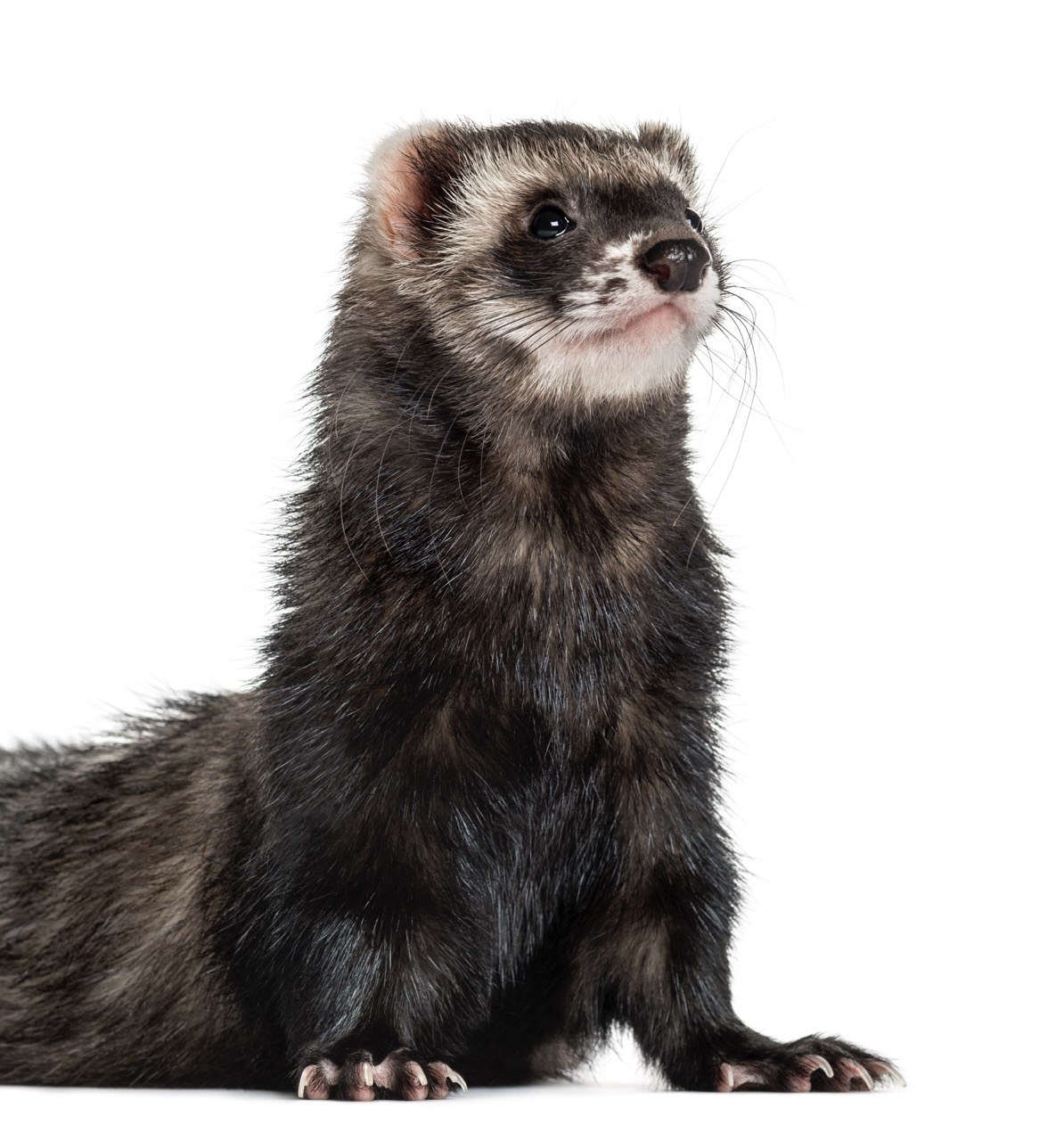
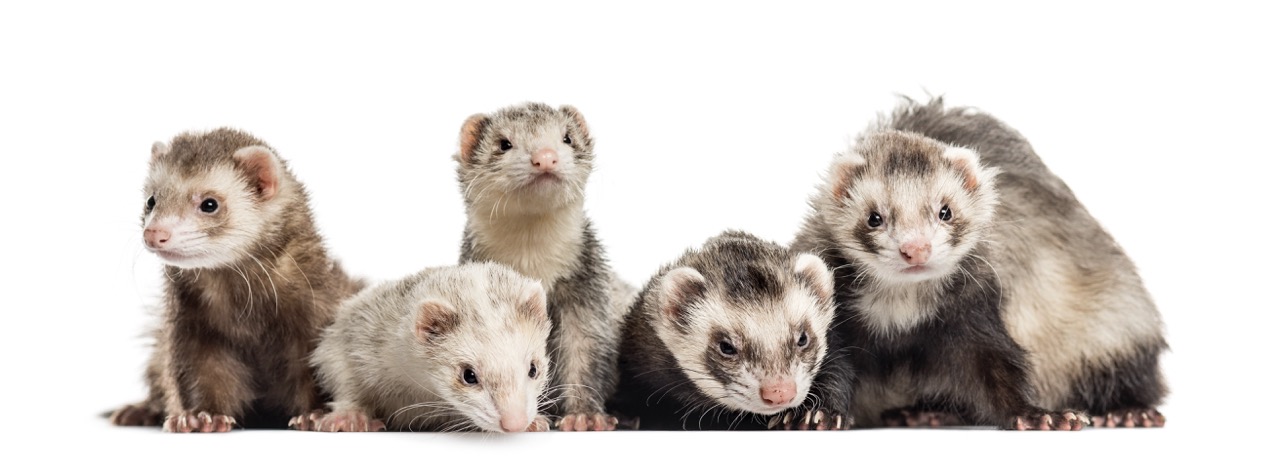
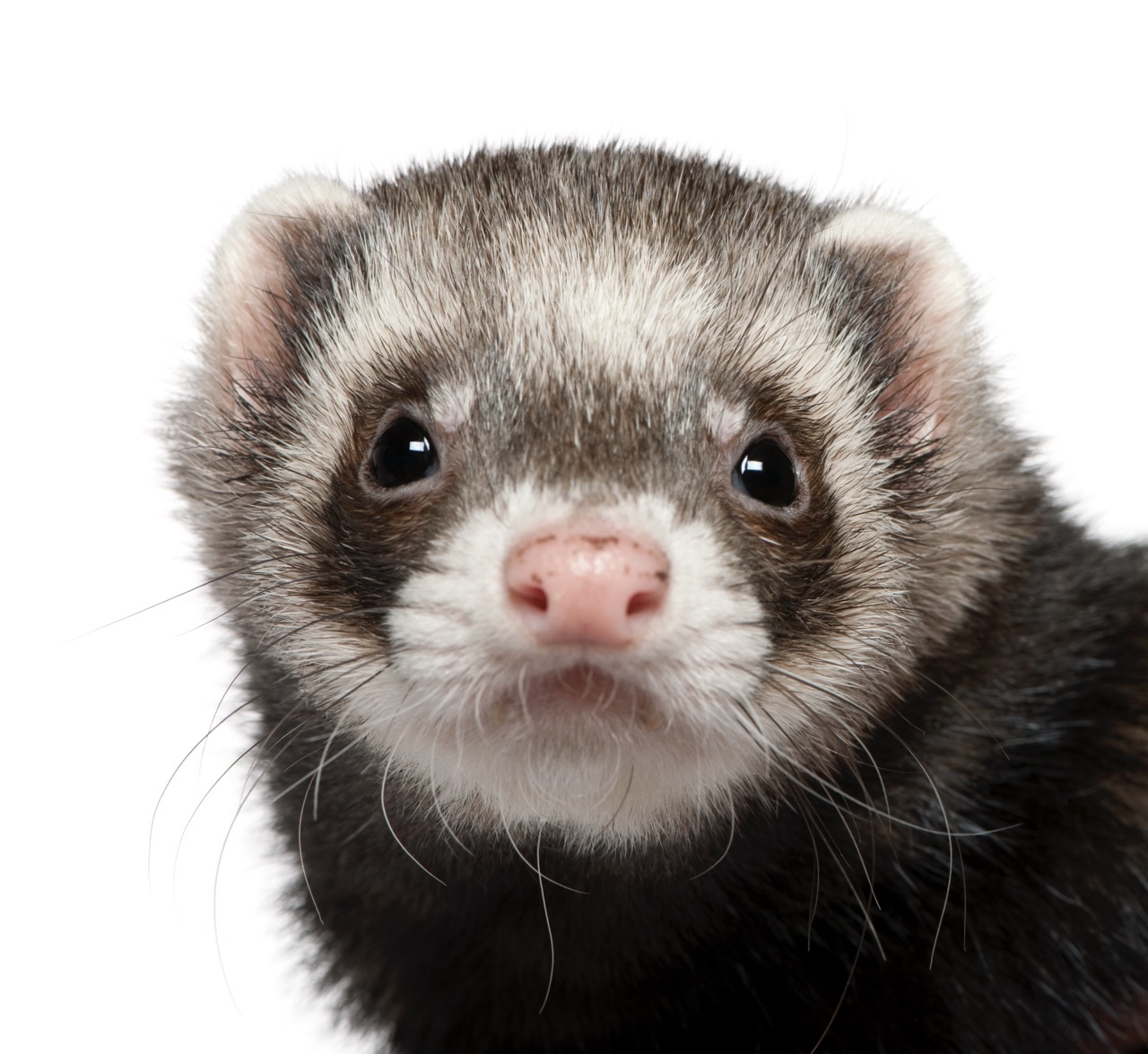
Finally, the aesthetic appeal of ferrets contributes to their desirability on social media. Their unique physical features, such as their elongated bodies, adorably masked faces, and soft fur, lend themselves well to photography and videography. The combination of humor, education, and visual allure makes ferrets an ideal subject for content creators, ensuring that they remain a prominent fixture in the pet social media landscape.
Advantages of Showcasing Ferrets Online: A Closer Look
One of the primary advantages of sharing ferret content on social media is the ability to educate others about ferret care and welfare. By posting informative videos and articles, ferret owners can raise awareness about proper care practices, the importance of socialization, and the common health issues that ferrets may face. This education can empower current and prospective ferret owners, leading to healthier and happier pets.
Moreover, showcasing ferrets online fosters community engagement and interaction among pet owners. Users can share their experiences, seek advice, and participate in discussions about ferret care, bonding, and behavior. Social media platforms serve as an invaluable resource for individuals looking to connect with others who share their passion for ferrets. The emotional support and camaraderie built within these communities can enhance the overall experience of ferret ownership.
Another benefit of ferret content on social media is its potential for entertainment and joy. The playful antics of ferrets can bring smiles and laughter to viewers, offering a brief escape from the stresses of daily life. Viral videos and cute photos often lead to widespread sharing, creating a sense of joy that transcends geographical boundaries. This shared enjoyment can help foster a sense of unity among pet lovers and promote an appreciation for the unique qualities of ferrets.
Potential Drawbacks of Sharing Ferret Content Publicly
While there are many benefits to showcasing ferrets online, there are also potential drawbacks to consider. One concern is the risk of misinformation being spread, especially when it comes to proper ferret care practices. Some content may inadvertently promote harmful behaviors or misconceptions, leading to negative outcomes for pets. For instance, viral challenges or trends that involve risky stunts may encourage followers to replicate dangerous activities with their own ferrets, resulting in injury or distress.
Another issue is the potential for exploitation of ferrets in pursuit of social media fame. Some owners may prioritize creating viral content over the well-being of their pets, subjecting them to stressful situations for the sake of likes and shares. This could lead to neglect in terms of their social, emotional, and physical needs. Furthermore, excessive exposure to social media can cause anxiety or behavioral changes in ferrets, as not all pets are naturally suited to being in front of cameras or in busy environments.
Lastly, the sharing of ferret content can inadvertently lead to an increase in demand for these pets without proper education on their care. As more people become enamored with ferrets through social media, there is a risk that individuals may adopt them without fully understanding the commitment involved. This could contribute to a rise in abandoned or neglected ferrets, placing additional strain on rescue organizations and shelters.
Best Practices for Responsible Ferret Social Media Use
To ensure responsible ferret social media use, owners should prioritize the well-being of their pets above all else. This means focusing on creating content that showcases healthy, happy ferrets and providing educational resources that inform viewers about responsible ferret care. Avoiding trends that encourage risky behavior is crucial, as it helps maintain a standard of safety and health for the animals featured online.
Engaging with followers and providing accurate information can help combat the spread of misinformation. Ferret owners can include captions that clarify misconceptions, share tips for care, and promote rescue organizations. By fostering a sense of community centered around responsible ownership, social media can become a platform for positive change in the ferret-owning community.
Finally, it is important for ferret owners to maintain a balance between social media presence and their pets’ needs. Owners should be attentive to their ferrets’ comfort levels with being filmed or photographed and respect their boundaries. If a ferret seems distressed or uninterested in participating, it is essential to prioritize their well-being over content creation. By adhering to these best practices, ferret owners can contribute to a more responsible and enjoyable social media environment.
In conclusion, the trend of showcasing ferrets on social media offers both exciting opportunities and important challenges. While there are undeniable advantages to sharing ferret content—such as education, community building, and entertainment—pet owners must also navigate the potential drawbacks of misinformation, exploitation, and increased demand without proper understanding. By adhering to best practices that prioritize the health and safety of ferrets, owners can create a positive and responsible social media presence that benefits both their pets and the larger community of ferret enthusiasts. Ultimately, the goal should be to celebrate these captivating creatures while ensuring their well-being remains at the forefront of all online interactions.