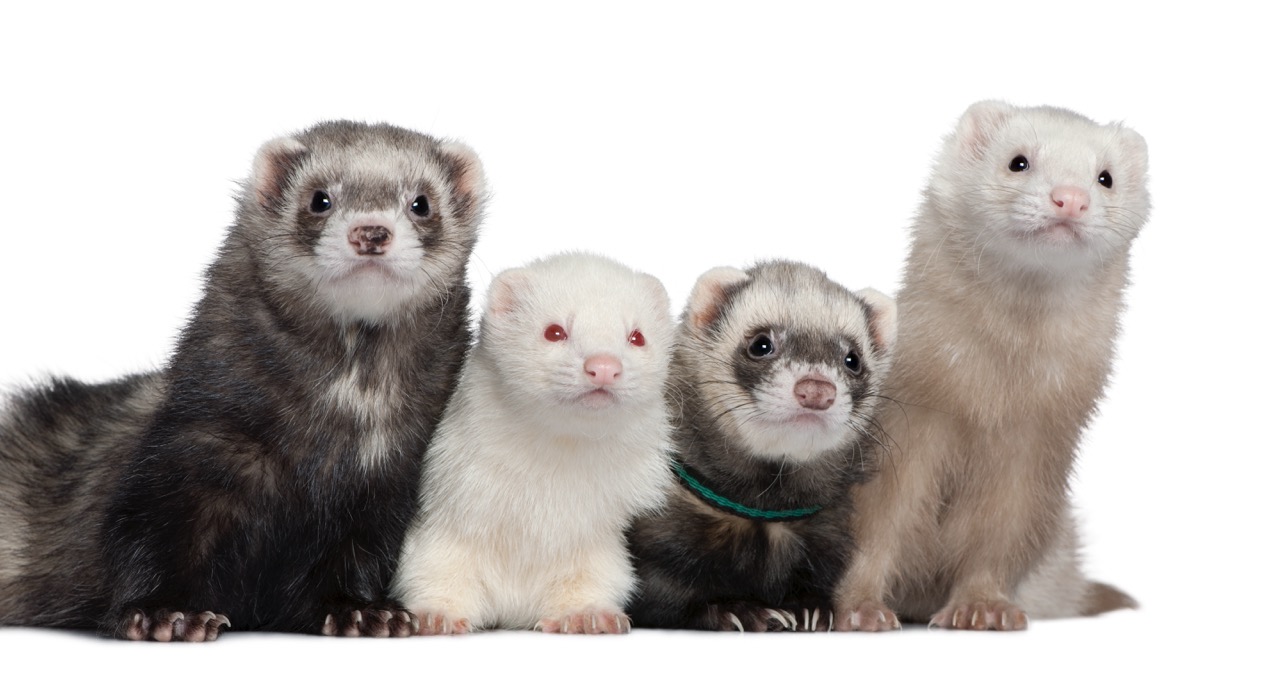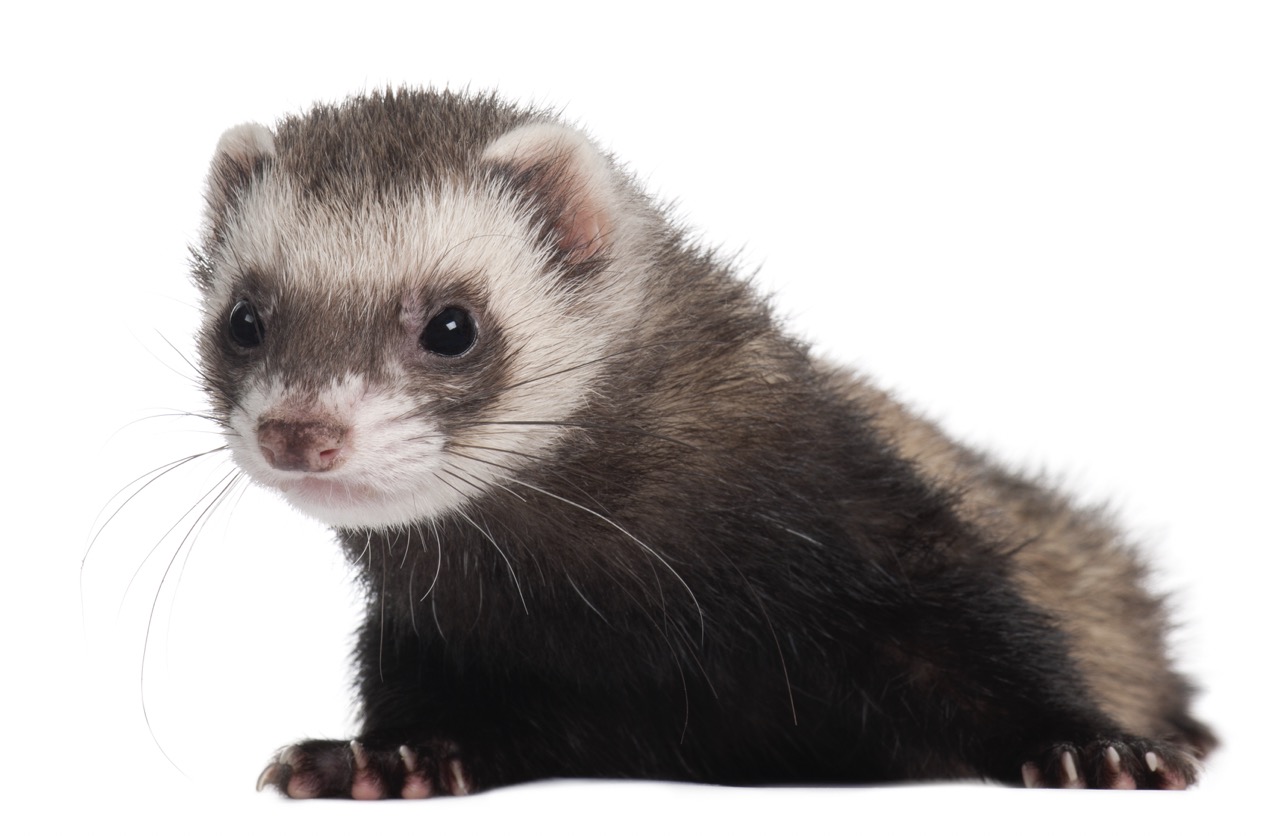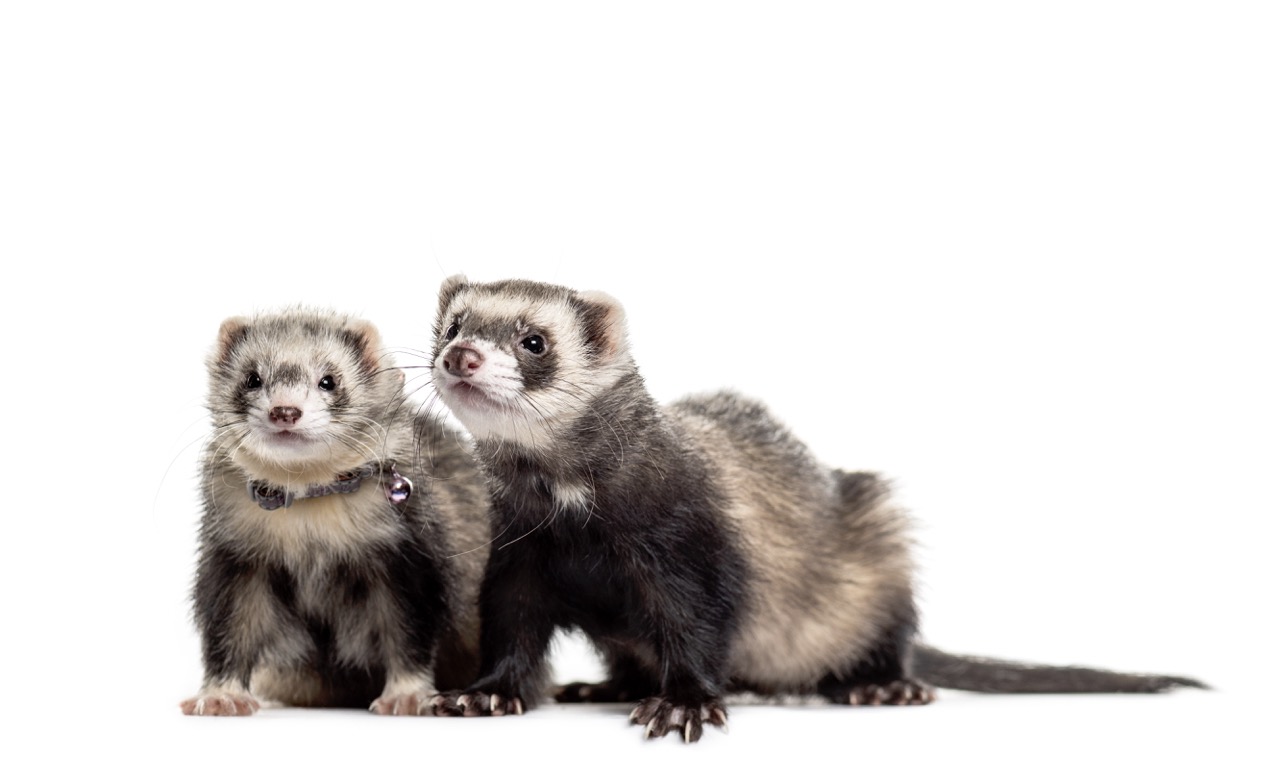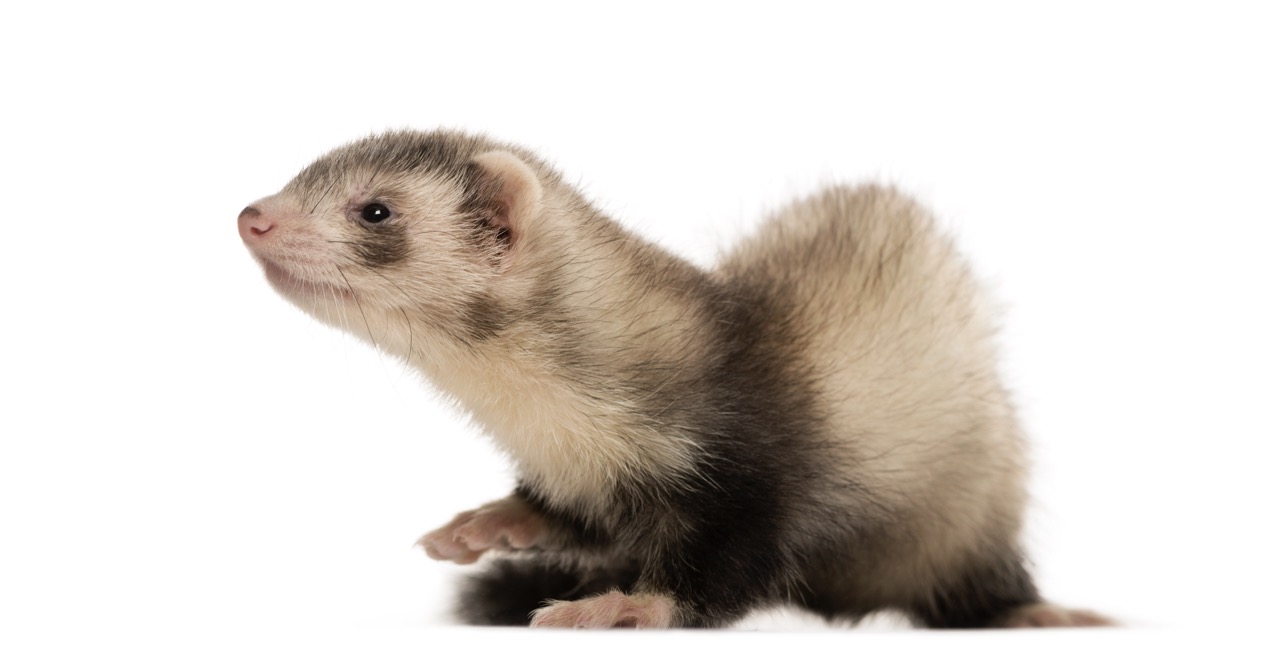


Ferrets, with their playful antics and curious nature, require specific care to ensure their health and well-being. One crucial aspect of this care is hydration. Like all living creatures, ferrets rely on water to maintain bodily functions, but their unique physiology necessitates a tailored understanding of their hydration needs. This article aims to delve into the importance of hydration for ferrets, how they process water in their bodies, the signs of dehydration to watch for, and tips to ensure that your ferret remains well-hydrated.
Understanding the Unique Hydration Needs of Ferrets
Ferrets are obligate carnivores, meaning their bodies are adapted to obtain most of their necessary nutrients from animal-based proteins. This dietary requirement also plays a significant role in their hydration needs. Unlike some other pets, ferrets typically receive a portion of their water intake from the food they consume, particularly if they are fed a high-moisture diet comprising raw or wet food. Therefore, understanding the specific hydration requirements of ferrets is crucial for their health.
Moreover, ferrets have a high metabolic rate, which results in increased water loss, particularly through urine. It is essential for ferret owners to recognize that these small animals can become dehydrated relatively quickly if they do not have constant access to fresh water. Unlike some pets that may be able to withstand mild dehydration, ferrets can experience severe health issues if their hydration needs are not met. Hence, it is vital for owners to understand the importance of providing adequate water at all times.
In addition to dietary considerations, environmental factors such as temperature and humidity can also influence a ferret’s hydration needs. During hotter months, ferrets may require more water to compensate for increased fluid loss through panting and higher activity levels. Recognizing these nuances is essential for responsible pet ownership and for ensuring that ferrets thrive in their home environment.
How Ferrets Absorb and Utilize Water in Their Bodies
Water absorption in ferrets occurs primarily in the small intestine, where it is absorbed into the bloodstream and distributed throughout the body. Unlike some animals, ferrets have a relatively short digestive tract, which can affect how efficiently they utilize the water they consume. This means that not only should they have access to water, but they should also consume a diet that supports their ability to absorb nutrients and hydration effectively.
Once absorbed, water plays a crucial role in various bodily functions, including temperature regulation, nutrient transportation, and waste elimination. Adequate hydration helps maintain blood volume and pressure, which is crucial for overall organ function. Furthermore, water aids in the digestion of food, ensuring that nutrients can be efficiently utilized by the body. Without sufficient water, a ferret’s energy levels and overall health can decline rapidly.
Additionally, the kidneys of ferrets play a significant role in managing hydration levels. They filter waste from the blood and help regulate the body’s water balance. When dehydrated, the kidneys conserve water, leading to concentrated urine. However, prolonged dehydration can overwhelm the kidneys, leading to serious health issues such as kidney failure. Therefore, ensuring that ferrets have consistent access to hydration is critical for maintaining their health and vitality.
Signs of Dehydration in Ferrets: What to Look For
Recognizing the signs of dehydration in ferrets is essential for prompt intervention and care. One of the first indicators can be a change in behavior; a dehydrated ferret may appear lethargic, less active, or less playful than usual. Additionally, they may refuse food or water, which can further exacerbate the dehydration issue. Any notable change in their energy levels should prompt immediate attention.
Another physical sign of dehydration is the condition of their skin and coat. A simple test that owners can perform is the skin turgor test, which involves gently pinching the skin on the back of the neck and releasing it. In a well-hydrated ferret, the skin should quickly return to its original position. If the skin takes time to return, it can be a sign of dehydration. Furthermore, a dull, dry coat can indicate that the ferret is not receiving adequate hydration.
Other symptoms may include dry gums, sunken eyes, or a notable decrease in urine output. If you notice any combination of these symptoms, it is crucial to seek veterinary advice immediately, as dehydration can escalate quickly and lead to serious complications. Regular monitoring of your ferret’s hydration status can help prevent these issues and ensure they remain healthy and active.
Tips for Ensuring Optimal Hydration for Your Ferret
To ensure that your ferret remains adequately hydrated, providing constant access to fresh, clean water is essential. Ferrets can be picky drinkers, so offering water in various forms—such as bowls, water bottles, or even wet food—can encourage them to drink more. Regularly changing and cleaning their water supply is also crucial, as stale or contaminated water can deter them from drinking.
Incorporating a high-moisture diet can significantly aid in hydration. Feeding your ferret high-quality, species-appropriate wet food can provide additional water content, which is especially beneficial if your ferret is reluctant to drink from a bowl. Additionally, offering occasional treats of fresh, water-rich fruits and vegetables can diversify their hydration sources and make mealtime more enjoyable.
Lastly, it is essential to monitor your ferret’s overall health and behavior regularly. Observing their drinking habits and keeping an eye out for any signs of dehydration can help you catch issues early. If you notice any concerning changes or if your ferret seems to be drinking less, consulting a veterinarian is highly recommended. Maintaining hydration not only promotes short-term health but also contributes to your ferret’s long-term quality of life.
In conclusion, understanding the importance of hydration for ferrets is a fundamental aspect of responsible pet ownership. From their unique physiological requirements to the signs of dehydration and practical tips for maintaining proper hydration, ferret owners must be proactive in ensuring their pets’ health. By providing constant access to fresh water, monitoring their dietary intake, and observing their behavior, you can significantly contribute to your ferret’s overall well-being and longevity. Remember, a well-hydrated ferret is a happy and healthy ferret, ready to engage in their playful, curious nature.