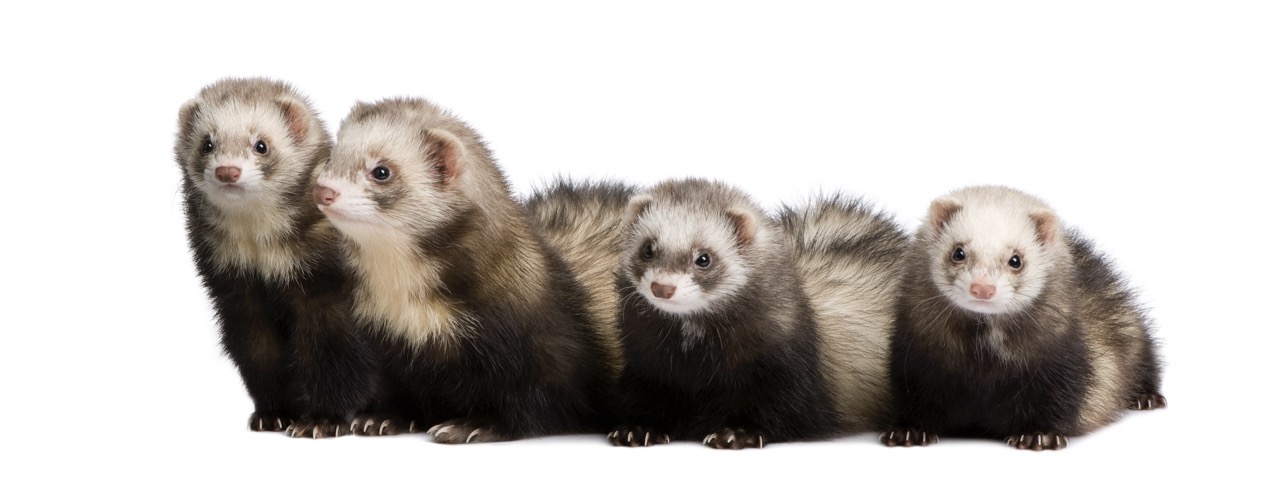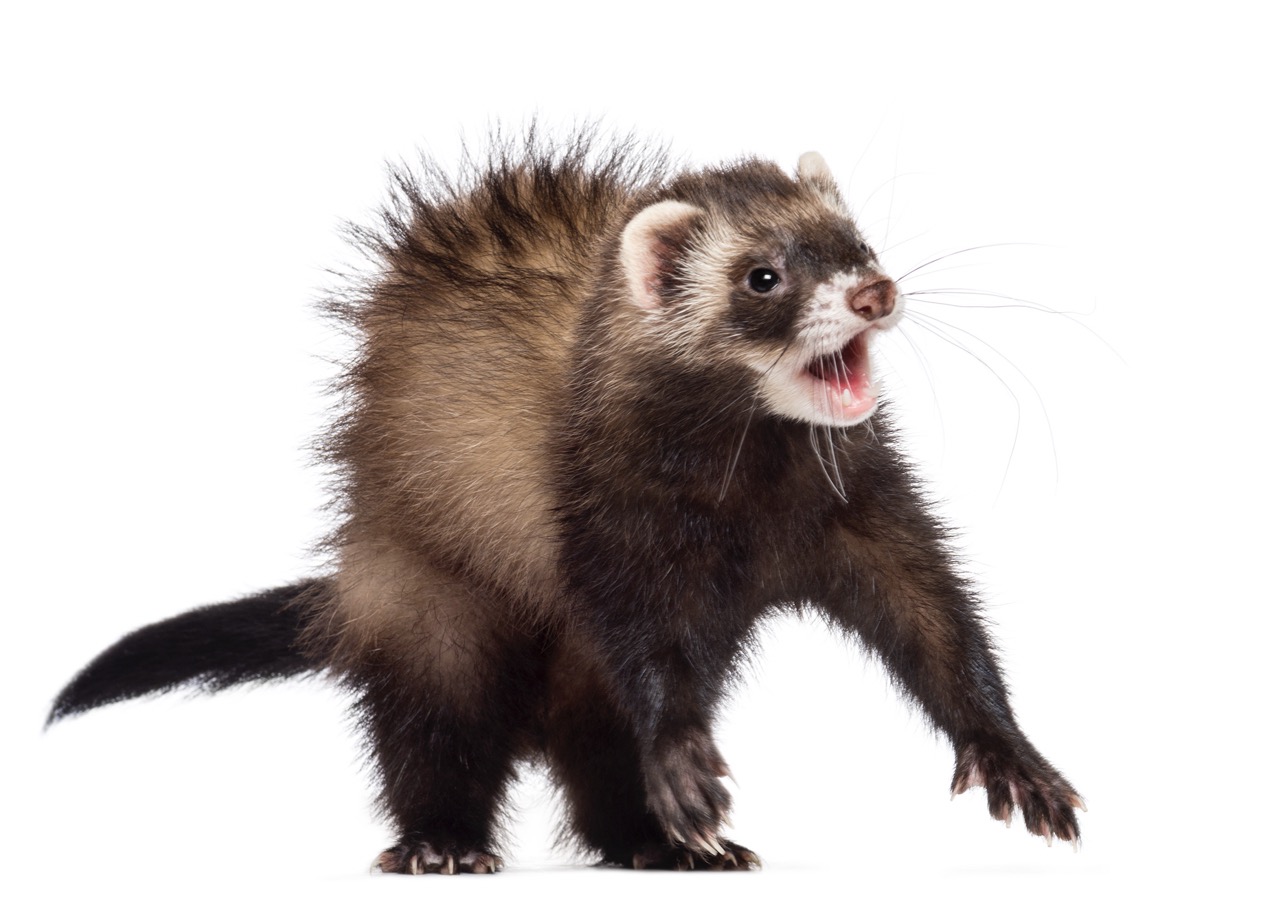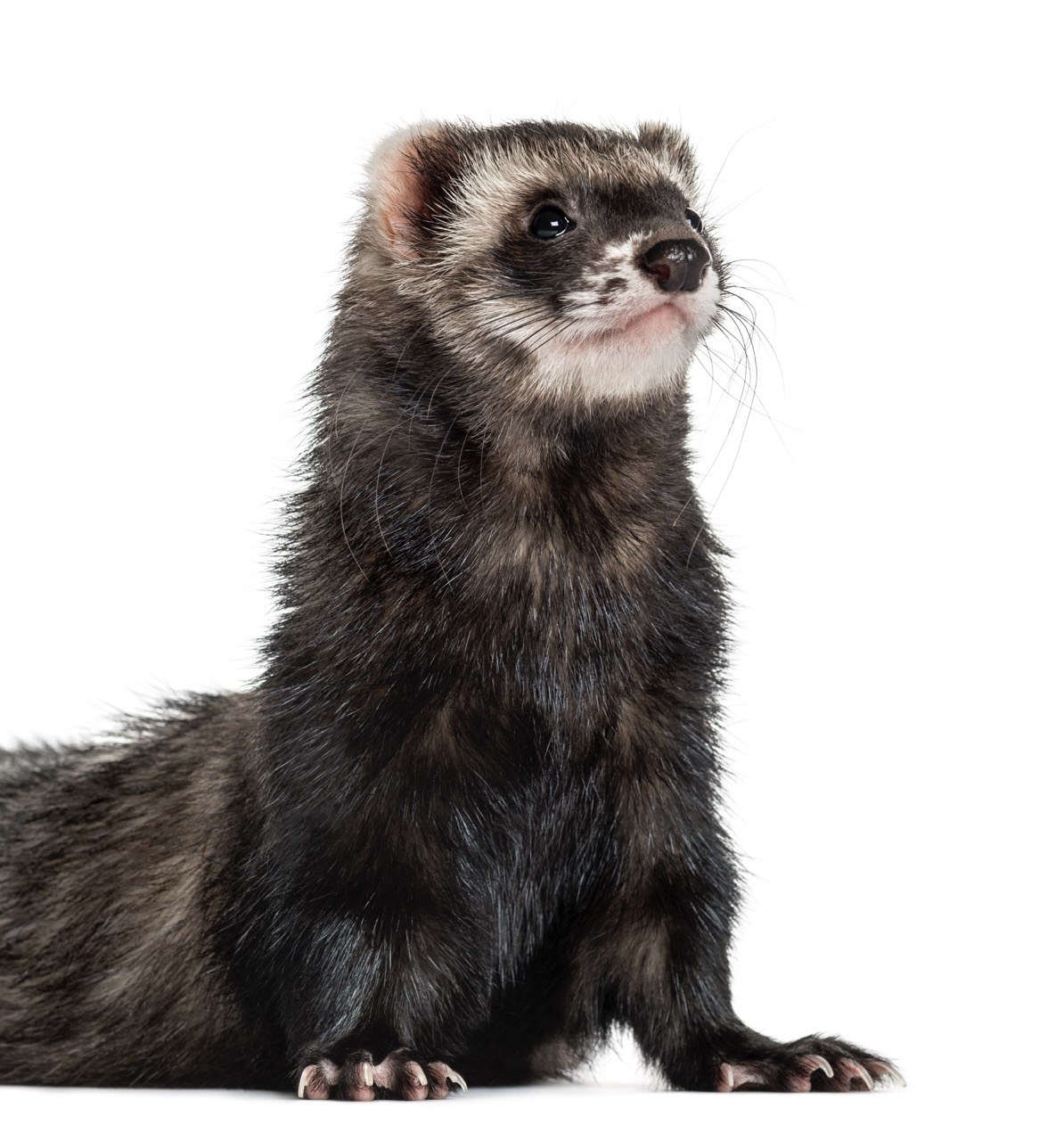





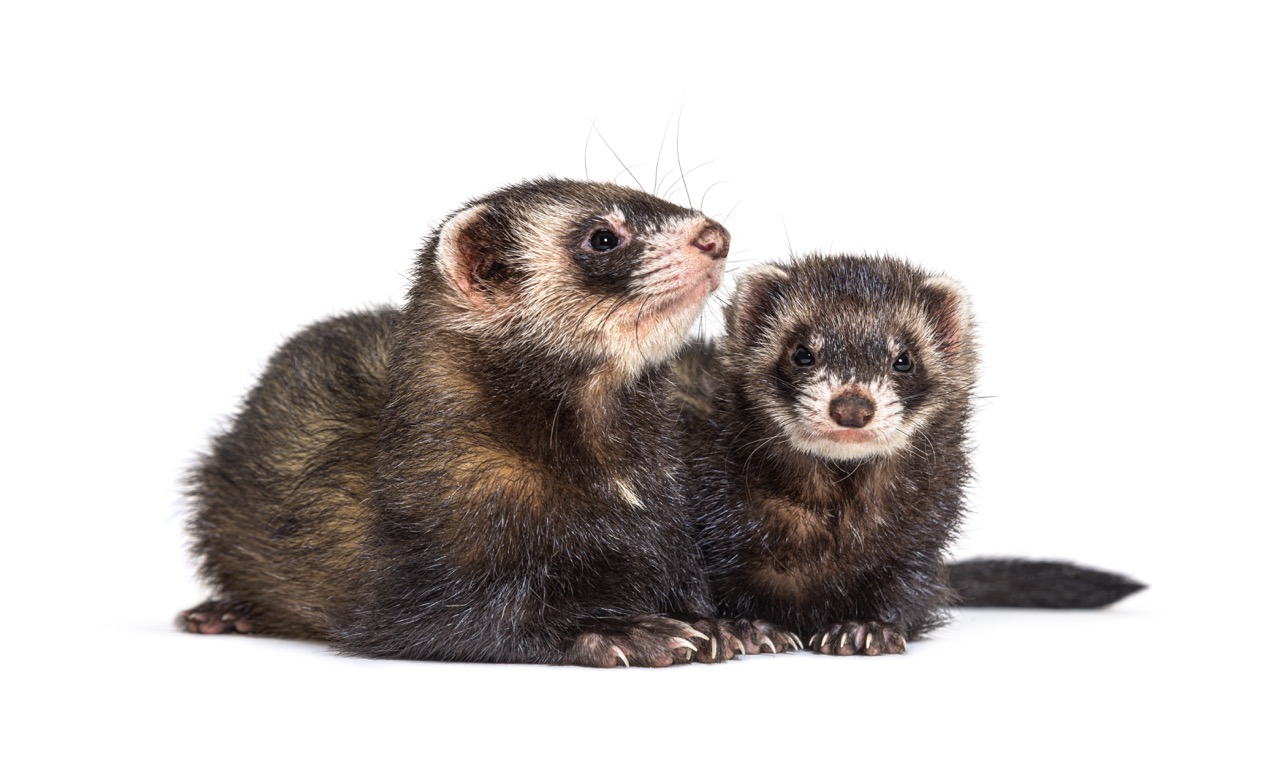
Ferrets, with their playful demeanor and inquisitive nature, have captured the hearts of many pet owners around the globe. These small, elongated creatures belong to the Mustelidae family, alongside weasels, otters, and badgers. While they are often seen as a modern pet, their history as domesticated animals stretches back thousands of years. To understand the ferret’s journey to becoming a beloved household companion, it is essential to delve into their ancient origins, historical roles in agriculture, cultural significance, and contemporary trends in pet ownership.
The Ancient Origins of Ferrets as Domesticated Animals
The domestication of ferrets is believed to have begun around 2,500 years ago in North Africa, where they were initially bred from the wild European polecat, a close relative. Historical texts suggest that ancient Egyptians recognized the ferret’s potential for hunting rodents, using them to control pest populations in their granaries. This relationship marks the beginning of ferrets as valuable companions to humans, serving a purpose beyond mere companionship.
As ferrets gained popularity in ancient Rome, they were used not only for pest control but also as entertainment. Romans bred ferrets for their agility and inquisitiveness, qualities that made them ideal for hunting small game such as rabbits. The bonding between humans and ferrets transcended mere utility; they began to be seen as charming pets. This growing affection laid the groundwork for the eventual domestication of ferrets, leading to a wide variety of breeds and colors that we see today.
The introduction of ferrets to different regions around the world, including Europe and Asia, further solidified their role in human society. By the Middle Ages, they were common in households across Europe, valued both for their hunting skills and companionship. The lineage of domesticated ferrets can be traced through historical documents and artworks, indicating their established presence in homes and farms during this period.
The Role of Ferrets in Agriculture Throughout History
Ferrets played a crucial role in agricultural settings, primarily due to their exceptional hunting abilities. Farmers relied on ferrets to control rodent populations that threatened crops and grain stores. Their slender bodies allowed them to navigate through burrows and tunnels, making them effective hunters against pests such as rabbits and rats. This relationship between ferrets and farmers was mutually beneficial: ferrets had a steady source of food, and humans enjoyed increased crop yields and reduced losses.
As agriculture evolved, so did the relationship between ferrets and farmers. In the 18th and 19th centuries, ferrets were an integral part of agricultural practices in Europe, particularly in the UK. The practice of "ferreting" became a popular method for hunting rabbits, often involving the use of ferrets to flush rabbits from their burrows. This not only provided food for families but also helped maintain the delicate balance of agricultural ecosystems by managing pest populations.
Despite the decline of ferrets’ utility in modern agriculture with the advent of advanced pest control methods, their historical significance remains noteworthy. The roles ferrets played in rural life contributed to their domestication and solidified their place in the hearts and homes of many farming families, serving as a testament to their longstanding bond with humans.
Cultural Significance of Ferrets in Various Societies
Throughout history, ferrets have held cultural significance in several societies, often symbolizing intelligence, agility, and curiosity. In ancient Egypt, they were revered for their hunting prowess and were often depicted in hieroglyphics, showcasing their importance in controlling pest populations. This reverence can be seen in various artifacts, indicating a deep-seated appreciation for these creatures beyond their practical uses.
In medieval Europe, ferrets gained a unique cultural status as companions to nobility and commoners alike. During this period, they were often associated with leisure activities such as hunting and were featured in literature and art. The portrayal of ferrets in works of art reflected their perceived charm and intelligence, cementing their status as beloved companions. The distinct personality traits of ferrets contributed to their representation in folklore and storytelling, further intertwining them with human culture.
In modern times, ferrets have maintained a notable presence in popular culture, appearing in films, television shows, and social media. They are often portrayed as quirky and mischievous pets, embodying characteristics that elicit amusement and affection from their audiences. This modern cultural representation has helped to further popularize ferrets as household pets, showcasing their unique qualities and solidifying their place in contemporary society.
Modern Trends and Practices in Ferret Pet Ownership
Today, ferrets have emerged as popular pets, particularly in North America and Europe. Their playful nature and affectionate behavior have made them appealing companions for families and individuals alike. As more people discover the joys of ferret ownership, a growing community of enthusiasts and pet owners has sprung up, sharing advice, stories, and resources related to their care and well-being.
Responsible ferret ownership emphasizes proper care, socialization, and habitat enrichment. Pet owners are encouraged to provide ferrets with a stimulating environment that caters to their natural instincts for exploration and play. This includes the provision of toys, tunnels, and climbing structures, which help meet their physical and mental needs. Education about dietary requirements and health care is also critical, as ferrets have unique nutritional needs and are prone to specific health issues.
As the popularity of ferrets continues to rise, so does the demand for ethical breeding practices and adoption from shelters or rescue organizations. Many ferret owners advocate for responsible breeding practices to ensure healthier pets and support organizations that rescue ferrets in need. This growing awareness reflects a shift towards a more informed and compassionate approach to pet ownership, ensuring that ferrets are treated with the care and respect they deserve.
The history of ferrets as pets is a fascinating journey that reveals their evolution from ancient hunters to cherished companions. Their roles in agriculture, cultural significance, and modern trends in pet ownership highlight the enduring bond between humans and ferrets. As these intelligent and playful creatures continue to captivate the hearts of pet owners, it is crucial to approach ferret ownership with responsibility and care, preserving their legacy as beloved members of our families.