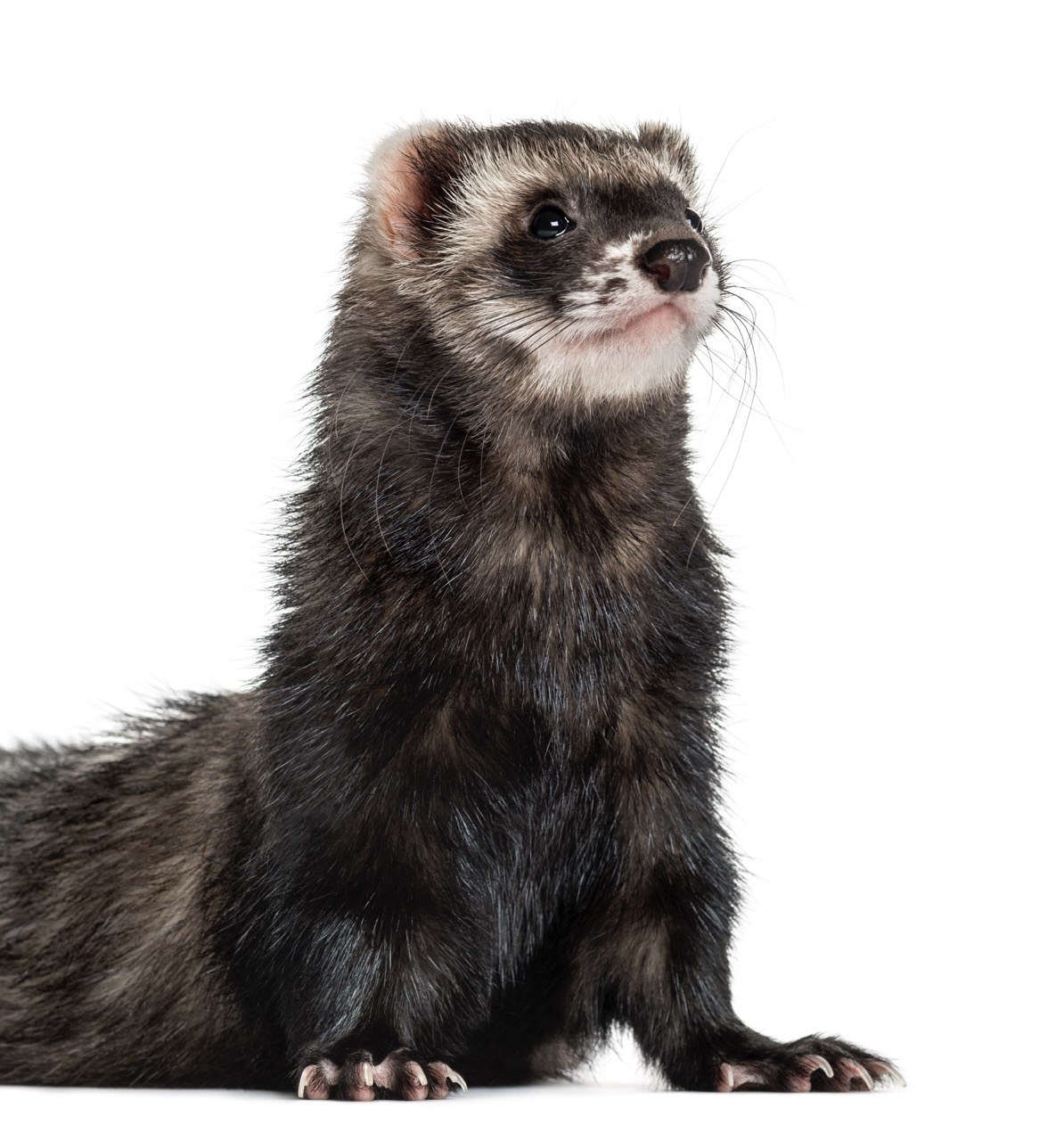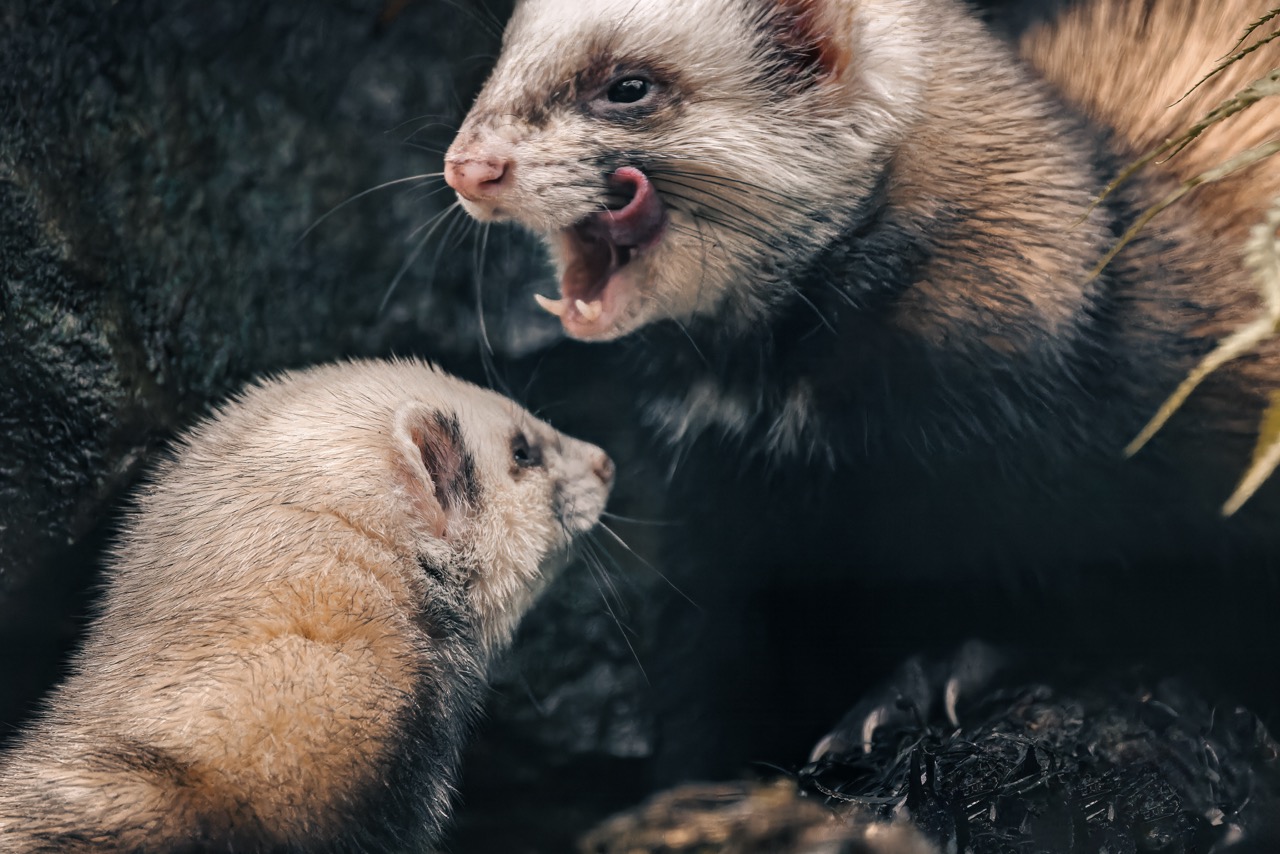






The ferret, a domesticated member of the weasel family, has garnered attention not only for its playful nature but also for its unique neurological makeup. As an animal that has lived alongside humans for centuries, ferrets offer valuable insights into the interplay between intelligence and instinct in animal behavior. Understanding ferret brain function can illuminate broader topics in animal cognition and behavioral science. This article delves into the nuances of ferret neurology, examining how intelligence and instincts operate in tandem to shape their behavior.
Understanding Ferret Neurology: A Comprehensive Overview
Ferrets possess a complex nervous system that supports a range of behaviors indicative of both instinctual and learned responses. Structurally, their brains are relatively small but highly organized, featuring regions responsible for processing information, learning, and memory. The forebrain, which is linked to higher cognitive functions, plays a critical role in allowing ferrets to navigate their environment effectively, showcasing their ability to adapt and learn from experience.
Recent research into ferret neurology has highlighted the significance of the hippocampus, a brain region essential for memory formation and spatial navigation. This area enables ferrets to establish mental maps of their surroundings, which is crucial for foraging and exploring. The ferret’s unique olfactory capabilities are also facilitated by a large olfactory bulb, underscoring how sensory perception directly influences behavior and learning.
Understanding the neural pathways involved in ferret cognition can pave the way for future studies on other animals, particularly those with similar social structures or behavioral patterns. By examining how ferrets utilize their neurological resources, researchers can draw parallels and distinctions with other species, enriching the field of animal cognition.
The Role of Intelligence in Ferret Behavior and Learning
Intelligence in ferrets manifests in their problem-solving abilities and social interactions. These animals are known for their playful nature, which is often accompanied by an impressive capacity for learning through both observation and reinforcement. For instance, ferrets can be trained to navigate mazes or perform tricks, demonstrating their ability to process information and apply it in novel contexts. This adaptability is a hallmark of intelligent behavior, setting ferrets apart from many other domesticated animals.
Learning in ferrets is not solely reliant on acquired knowledge; it is also influenced by their social structures. Ferrets are social animals that thrive in groups, and their interactions with fellow ferrets can enhance their learning experiences. Through play and exploration, they engage in behaviors that promote cognitive development, such as mimicry and cooperative problem-solving. These social dynamics facilitate a kind of intelligence that is both individual and collective, allowing them to thrive in various environments.
The study of intelligence in ferrets also raises questions about the factors that contribute to their cognitive capabilities. Environmental enrichment, social interaction, and even genetics may play a role in shaping their intelligent behaviors. Understanding these influences can provide deeper insights into how intelligence is expressed in different species and how we might foster similar behaviors in other domesticated animals.
Instincts vs. Intelligence: The Ferret’s Unique Cognitive Balance
Ferrets exhibit a fascinating interplay between instincts and intelligence, where instinctual behaviors are often refined through experience. For example, ferrets are born with inherent hunting instincts that guide their actions from a young age. These instincts serve as a foundation upon which learned behaviors can be built, creating a balance that enables them to adapt to changing situations while still relying on their natural inclinations.
Additionally, ferrets demonstrate how instinctual behaviors can be influenced by learning. A ferret’s instinct to dig and burrow can be redirected through training, allowing it to engage in play or problem-solving activities that require similar physical actions. This flexibility illustrates that instincts do not exist in isolation but can be modified by intelligent thought processes, highlighting the complexity of the ferret’s cognitive abilities.
The balance between instincts and intelligence is crucial for ferrets, as it enables them to navigate both wild and domestic environments effectively. This duality provides valuable insights into animal behavior, suggesting that intelligence is not merely a product of learned experiences but is intricately linked to evolutionary adaptations. Understanding this balance can inform conservation efforts and improve the welfare of domesticated ferrets by recognizing the importance of both instinctual and cognitive needs.
Implications of Ferret Brain Research for Animal Intelligence Studies
Research into ferret neurology and behavior has significant implications for the broader field of animal intelligence studies. By examining how ferrets process information and interact with their environment, scientists can develop more comprehensive models of cognitive function that include both instinct and learned behavior. This research can help establish benchmarks for measuring intelligence across different species, offering a more nuanced understanding of what it means to be "intelligent" in the animal kingdom.
Furthermore, ferrets serve as an excellent model for studying neurological conditions that might affect cognitive functions. Since their brain structure shares similarities with other mammals, findings from ferret studies can be extrapolated to enhance our understanding of animal cognition and neurodevelopment. This knowledge can lead to advancements in animal welfare practices and therapeutic interventions aimed at improving the quality of life for various species.
Lastly, the insights gained from ferret brain research can influence how we approach animal training, enrichment, and habitat design. By recognizing the intricate balance of instincts and intelligence, caregivers can create environments that cater to both aspects of ferret cognition. Such an approach not only enhances the well-being of ferrets but also contributes to a broader understanding of animal intelligence and how it can be nurtured in other species.
In summary, the ferret brain provides a compelling case study in the relationship between intelligence and instincts. By exploring the nuances of ferret neurology, behavior, and learning, researchers can gain valuable insights that extend far beyond this small but fascinating animal. The dynamic interplay between instinctual behaviors and cognitive capabilities offers a blueprint for understanding animal intelligence as a whole, emphasizing the need for ongoing research in this increasingly important field. As we continue to unravel the complexities of animal cognition, ferrets remind us of the intricate balance that exists within the minds of all creatures.