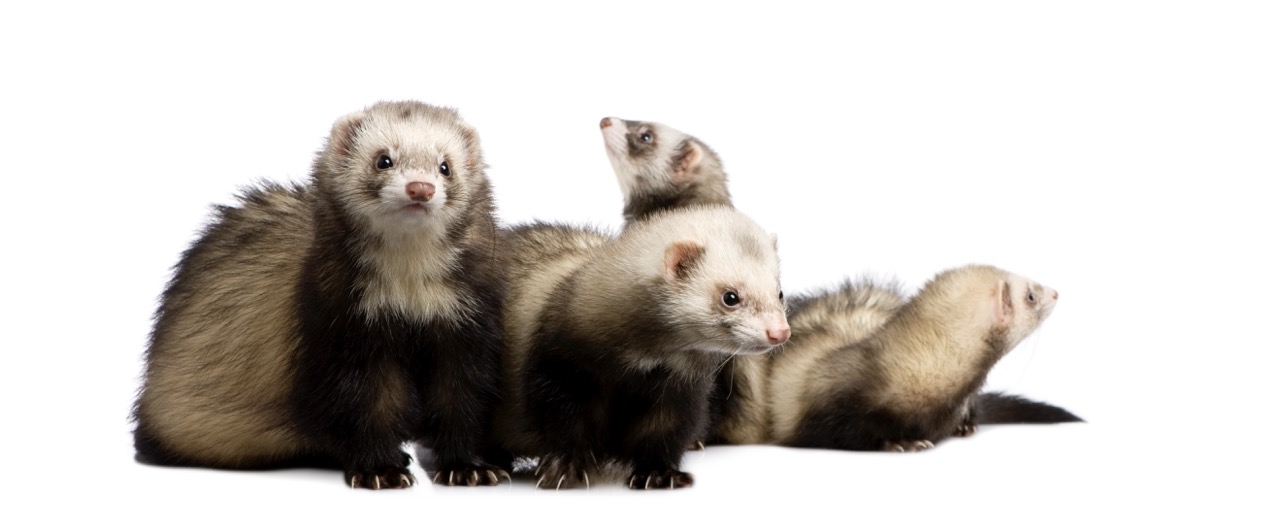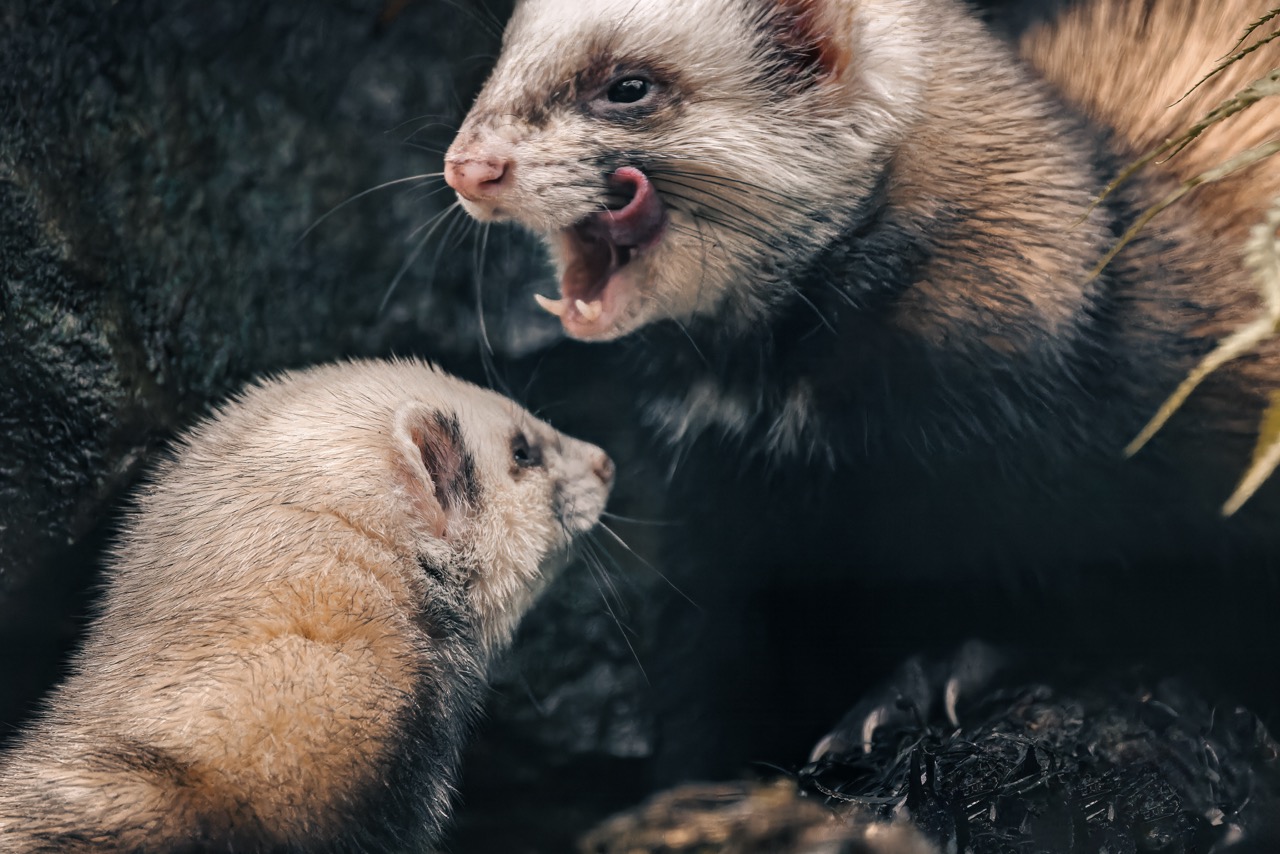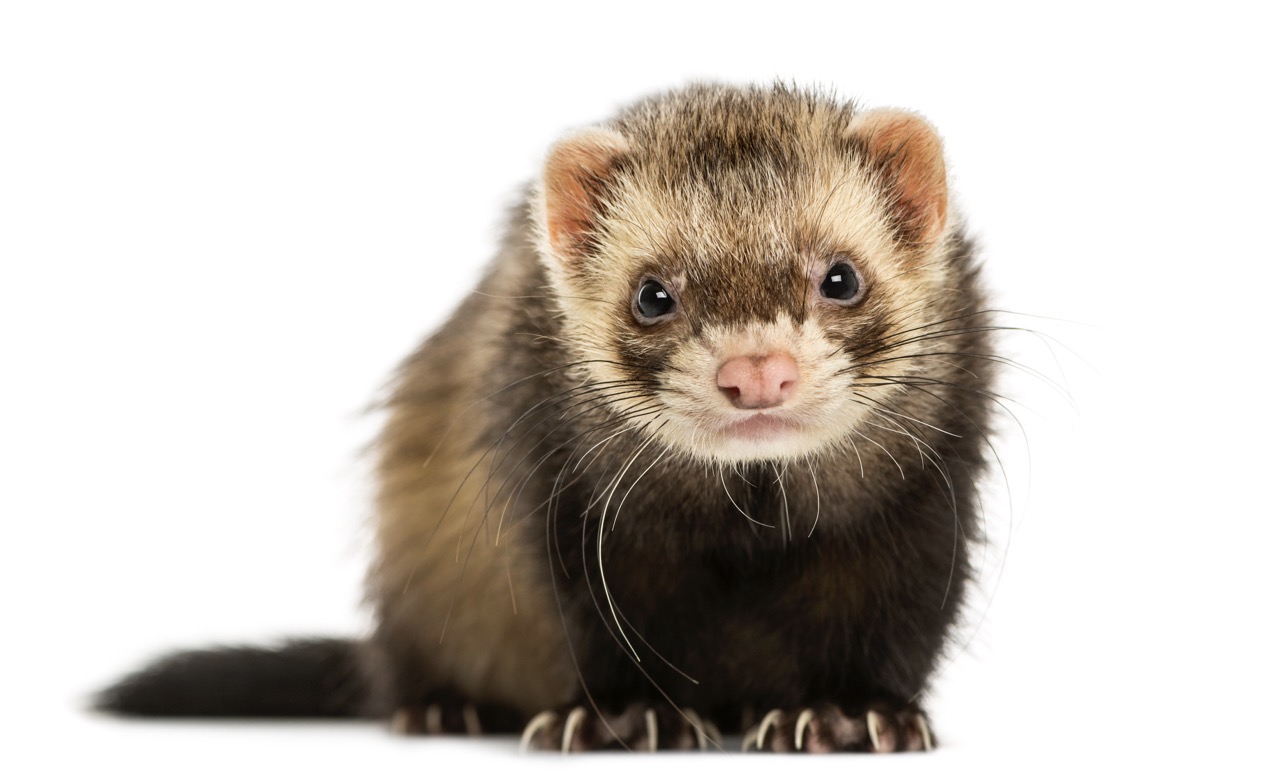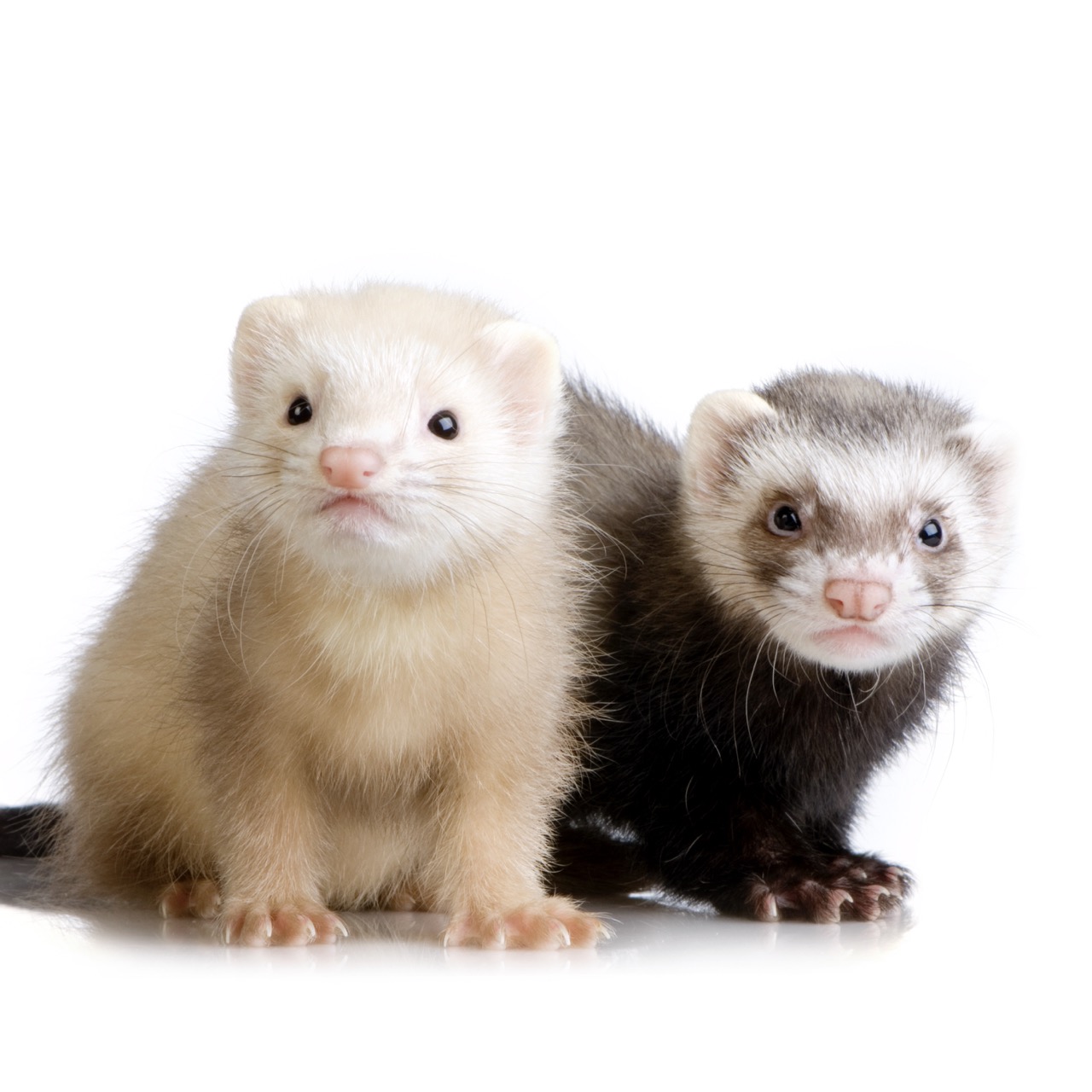






The rise of social media has transformed the landscape of content creation, with various animals becoming significant figures in the digital realm. Among these, ferrets have carved out a niche, captivating audiences with their playful antics and unique personalities. However, the use of ferrets and other animals for social media content raises numerous ethical questions. This article delves into the implications of involving ferrets in social media, exploring the ethical considerations, the balance between engagement and welfare, and strategies for responsible content creation.
Understanding the Role of Ferrets in Social Media Content
Ferrets have gained popularity on social media platforms for their curious behavior, agility, and endearing traits. These small mammals often feature in videos where they engage in playful activities, interact with their owners, or display their quirky personalities. The appeal of ferrets can be attributed to their expressive nature, making them ideal candidates for creating captivating content that attracts viewers and fosters community engagement. This trend has created a subculture of ferret enthusiasts who share tips, tricks, and experiences related to their care and adventures.
The role of ferrets extends beyond mere entertainment; they often serve as a conduit for raising awareness about animal welfare and responsible pet ownership. Many social media influencers who feature ferrets also advocate for adoption and proper care, using their platforms to educate followers about the needs and challenges associated with ferret ownership. This dual role can have a positive impact, as it combines entertainment with advocacy, potentially leading to increased empathy and responsibility among followers.
However, the popularity of ferrets on social media has also led to concerns about their treatment and the potential consequences of their portrayal. As content creators seek to generate engaging material, there is a risk that the welfare of the animals may be compromised for the sake of entertainment. Hence, understanding the role of ferrets in this context necessitates a careful examination of the underlying motivations of content creators and the implications for animal welfare.
Ethical Considerations in Using Animals for Engagement
The ethical considerations surrounding the use of ferrets in social media content come into sharp focus when examining their treatment and well-being. The primary concern is whether these animals are being used as mere tools for engagement rather than being treated as sentient beings with their own needs and rights. Content creators must ensure that their ferrets are not subjected to stress, discomfort, or unsafe conditions while being filmed or photographed. Ethical content creation prioritizes the welfare of the animal, ensuring that they are happy and healthy in their environment.
Additionally, the context in which ferrets are showcased matters significantly. Content that depicts ferrets in situations that could be perceived as harmful or stressful—such as forcing them into small spaces or exposing them to loud noises—can normalize the mistreatment of these animals. This raises ethical questions about the responsibility of content creators to set a positive example for their audience. It is essential for those using ferrets for social media content to consider the broader implications of their work and the message it sends about how animals should be treated.
Lastly, the potential for the commodification of animals must also be addressed. When ferrets become stars on social media, there is a risk that their value is reduced to mere entertainment rather than as living beings deserving of respect. Content creators should be mindful of how they present their ferrets, ensuring that they emphasize the importance of compassionate and ethical treatment. By fostering a culture of respect for animals, social media can serve not only as a platform for entertainment but also as a venue for promoting ethical practices in pet ownership.
Balancing Entertainment and Animal Welfare Standards
Finding a balance between creating engaging content and ensuring animal welfare is a complex challenge for ferret-focused social media creators. Engaging content is essential for audience retention and growth, but it should never come at the expense of the animal’s comfort and safety. Content creators must prioritize the well-being of their ferrets by establishing clear guidelines for what constitutes acceptable content. This necessitates a thoughtful approach that considers both the entertainment value and the physical and emotional needs of the animals involved.
To achieve this balance, creators can employ various techniques that enhance engagement without compromising welfare. For example, using play-based content, where ferrets naturally interact with their environment or engage with toys, can provide both entertainment and enrichment. This approach allows ferrets to showcase their natural behaviors while fostering an authentic connection with the audience. Furthermore, incorporating educational elements into the content—such as tips on ferret care and behavior—can enhance viewer engagement while promoting responsible pet ownership.
Moreover, content creators should adopt a proactive stance in their commitment to animal welfare by collaborating with veterinarians or animal behaviorists. These professionals can provide valuable insights into the needs of ferrets, ensuring that content is designed to promote their well-being. Engaging with the community to share best practices can further encourage a culture of responsibility, ultimately leading to a more ethical approach to ferret-centered social media that harmonizes entertainment with animal welfare standards.
Strategies for Responsible Ferret Content Creation
To promote responsible ferret content creation, several strategies can be employed to ensure the welfare of the animals while still engaging audiences. First and foremost, content creators should establish a set of ethical guidelines that outline the standards for filming and interaction with their ferrets. These guidelines should prioritize the animal’s comfort and safety, ensuring that content does not involve stressful or harmful situations. By adhering to these principles, creators can build trust with their audience while demonstrating a commitment to ethical practices.
Another effective strategy is to promote the concept of enrichment in ferret care. Content that highlights activities that stimulate ferrets mentally and physically can provide valuable insights to viewers while showcasing the animals’ natural behaviors. This could include sharing videos of ferrets exploring new environments, engaging with puzzles, or participating in safe, supervised playtime. Such content not only entertains but also educates viewers about the importance of providing a stimulating environment for ferrets and other pets.
Lastly, fostering community engagement is crucial for responsible content creation. Creators can encourage their followers to share their own experiences and practices related to ferret care, thereby cultivating a sense of shared responsibility within the community. By promoting discussions about welfare, ethical treatment, and the significance of adopting pets, content creators can leverage their platforms for positive change. In doing so, they can inspire their audience to treat ferrets and other animals with the respect and compassion they deserve.
As ferrets continue to capture the hearts of social media users, it is vital to address the ethical implications of their use in content creation. By understanding the role of ferrets in social media, evaluating ethical considerations, balancing entertainment with welfare standards, and implementing responsible content creation strategies, creators can ensure that they promote a culture of respect and care for these animals. Ultimately, the success of ferret content on social media should not only be measured by engagement metrics but also by the positive impact it has on animal welfare and the promotion of responsible pet ownership.