




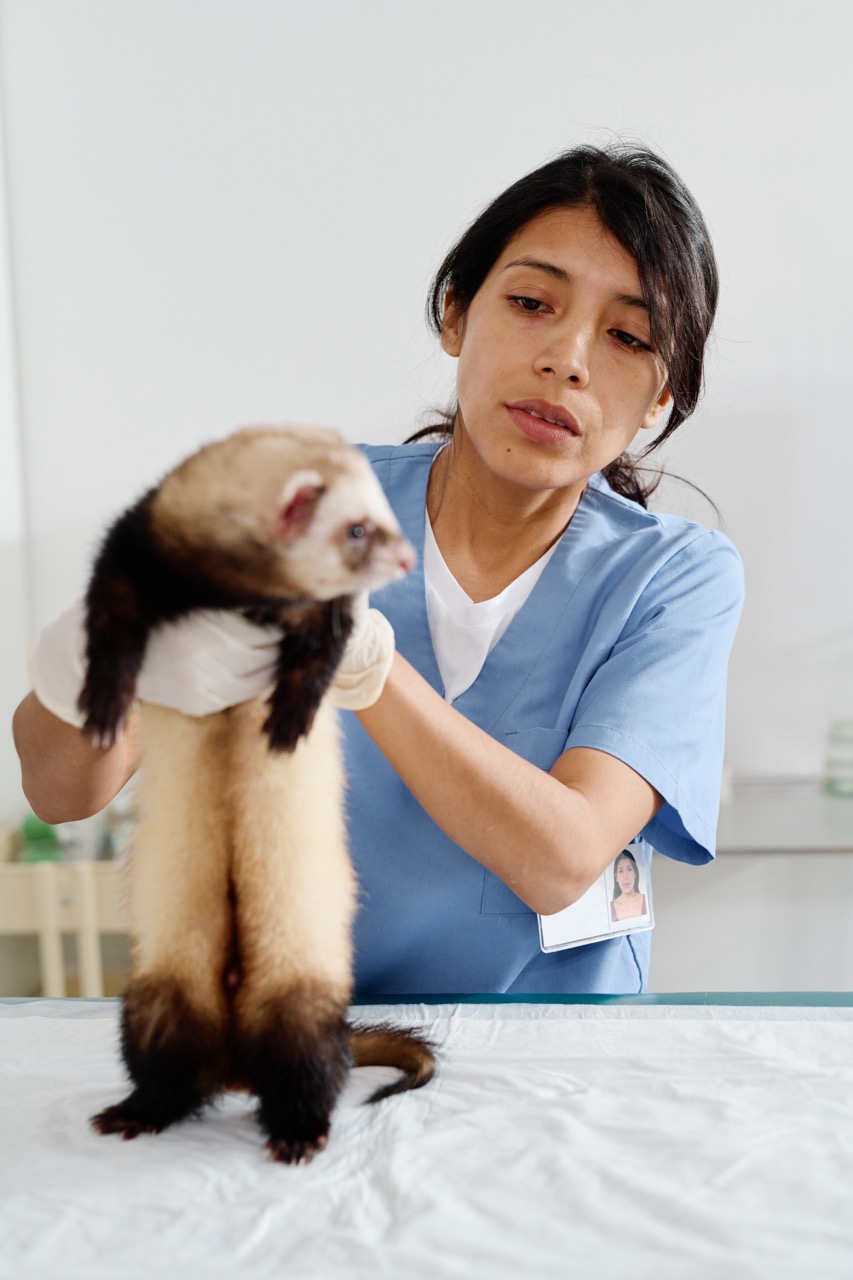
In the digital age, social media platforms have become a popular venue for sharing videos of our furry companions, with ferrets garnering a significant amount of attention. Their playful antics and curious nature make them prime subjects for viral content, captivating audiences around the world. However, as the popularity of ferret videos surges, it is essential to examine the ethical implications of sharing these clips. This article explores the appeal of ferret videos, the impact of social media on pet ownership ethics, the need for a balance between entertainment and welfare concerns, and best practices for sharing ferret content responsibly.
Understanding the Appeal of Ferret Videos Online
Ferrets have distinctive personalities that often lead to humorous and entertaining behaviors. Their curious nature, combined with the ability to perform tricks, makes them delightful subjects for short videos. Such content often resonates with viewers, eliciting joy and laughter, which is a significant reason for their popularity on social media. This appeal is not limited to just their antics; ferrets are often depicted in charming, relatable scenarios that highlight their unique traits, fostering a sense of connection with the audience.
Moreover, the rise of niche communities on platforms like Instagram and TikTok has allowed ferret enthusiasts to find a space for sharing their love for these pets. Utilizing hashtags such as #FerretFriday or #FerretLife facilitates the formation of online communities that celebrate ferret ownership and creates a sense of belonging among pet owners. This aspect of social media enables users to engage with a broader audience, further amplifying the allure of ferret videos and encouraging new viewers to appreciate these unique animals.
However, with the increase in popularity comes the responsibility of ensuring that the depiction of ferrets in these videos is both accurate and respectful. Content creators and viewers alike must recognize that the ferrets we see online are more than just entertainers; they are living beings deserving of care and respect. This awareness is crucial in fostering a culture of responsible pet ownership and ethical content sharing.
The Impact of Social Media on Pet Ownership Ethics
The rise of social media has significantly influenced how pet ownership is perceived and practiced. As ferret videos gain traction, they can inadvertently shape public attitudes towards ferret ownership, sometimes glamorizing the idea of keeping these animals without adequately educating potential owners about their specific needs. This can lead to impulsive decisions to adopt ferrets, which may not align with the prospective owner’s lifestyle or ability to care for them.
In addition, the focus on viral content can encourage irresponsible breeding practices as content creators may seek to showcase "adorable" traits rather than prioritize the health and well-being of the animals. Unregulated breeding can lead to a variety of health issues in ferrets, including genetic disorders and behavioral problems. The emphasis on having the “cutest” ferret for social media feeds may overshadow the importance of responsible breeding and adoption practices, potentially putting the welfare of these animals at risk.
Finally, the pressure to produce engaging content can lead to situations where ferrets are placed in stressful or dangerous circumstances for the sake of entertainment. This not only poses a direct threat to their well-being but also sends a harmful message to viewers about the acceptable treatment of pets. As a community, it becomes imperative to discuss and address these ethical concerns in order to promote a more responsible narrative surrounding pet ownership.
Balancing Entertainment and Animal Welfare Concerns
In an era where content is often prioritized over context, it is essential to strike a balance between entertainment and the welfare of animals featured in videos. While ferret videos can bring joy and laughter to many, they should not come at the cost of the animals’ well-being. Content creators need to be mindful of the situations they depict, ensuring that their ferrets are not being placed in harm’s way for the sake of producing viral content.
Moreover, it is critical to educate viewers on the proper care and handling of ferrets. Videos should ideally include disclaimers or educational segments that highlight the importance of understanding a ferret’s needs, including socialization, diet, and environmental enrichment. By doing so, content creators can elevate their videos from mere entertainment to valuable resources that promote responsible pet ownership and awareness about ferrets as companions.
Collaboration between content creators and animal welfare organizations can further enhance the ethical dimensions of sharing ferret videos. By working together, these parties can develop informative campaigns that not only entertain but also educate, fostering a community that values the welfare of ferrets. This collaborative approach can help mitigate the risks associated with the unregulated sharing of pet content and promote a more ethical culture around pet ownership.
Best Practices for Sharing Ferret Content Responsibly
To promote responsible sharing of ferret videos, content creators should prioritize showcasing their pets in a manner that reflects their true nature while avoiding deceptive or harmful scenarios. Videos should be genuine representations of ferret behavior, free from forced tricks or stunts that may cause distress to the animals. Respecting their autonomy and comfort should be at the forefront of any content shared.
Another best practice is to include educational content alongside entertaining videos. Creators can consider providing information on ferret care, behavior, and the responsibilities that come with ownership. By doing so, they can help inform their audience and encourage responsible pet ownership among potential ferret adopters. This approach fosters a culture of awareness and promotes the well-being of ferrets in the long term.
Lastly, engaging with animal welfare organizations can provide additional resources and guidance for content creators. Collaborating with these organizations can offer insights into ethical practices and promote initiatives that benefit ferret welfare. By aligning with established groups, content creators can amplify their reach while ensuring the health and happiness of the animals they feature are prioritized.
As ferrets continue to capture the hearts of social media users, a thoughtful examination of the ethics surrounding their representation is necessary. Understanding the appeal of ferret videos, the impact of social media on pet ownership ethics, and the need for a balance between entertainment and animal welfare concerns can foster a more responsible approach to sharing ferret content. By adhering to best practices and prioritizing animal welfare, we can enjoy the delightful nature of ferrets while ensuring their wellbeing is safeguarded in the digital landscape.