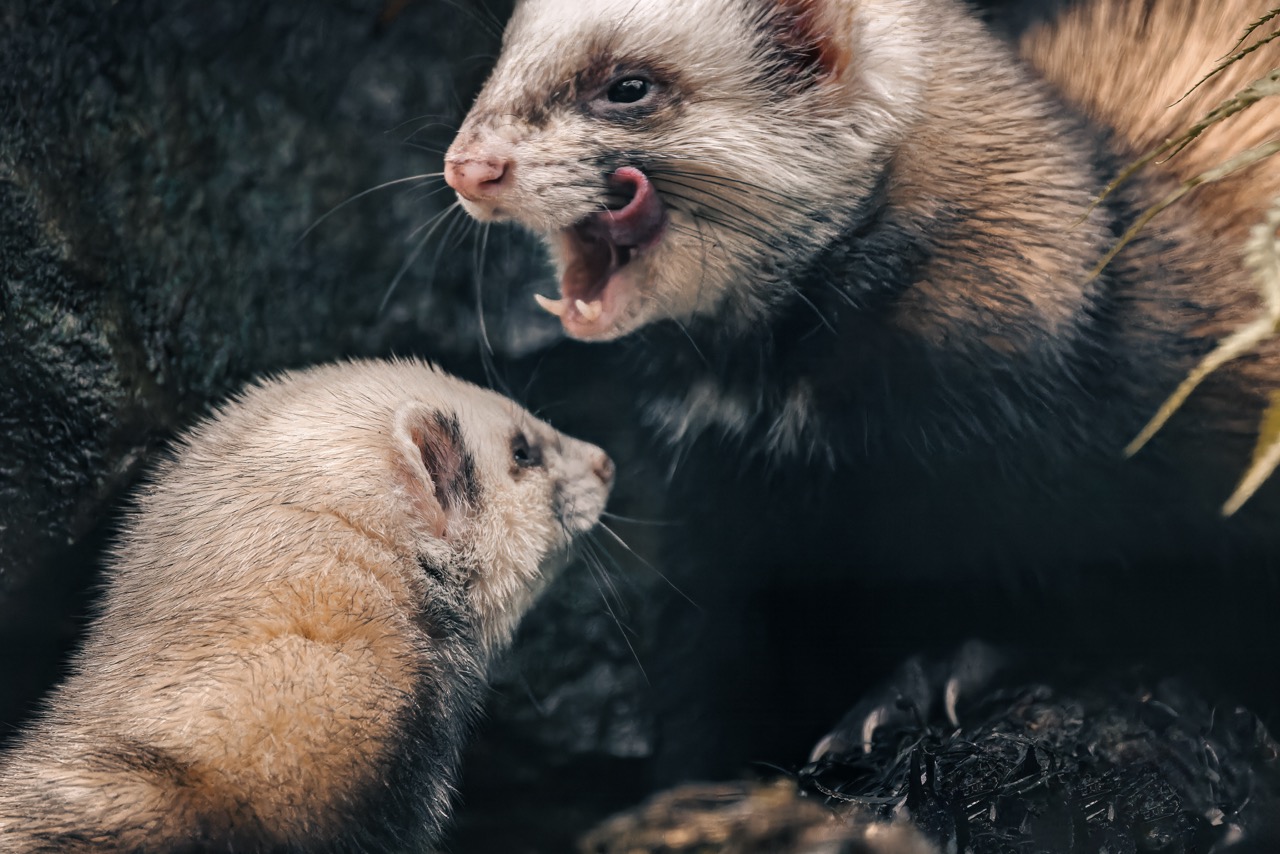






Ferrets are playful and social creatures, known for their curious nature and high energy levels. Successful socialization is crucial for their well-being, as it helps them develop healthy relationships with both humans and other animals. Understanding their behavior and implementing positive interaction techniques can lead to happier and more balanced pets. This article will explore the dos and don’ts of ferret socialization, along with tips for creating a safe environment that fosters healthy engagement.
Understanding Ferret Behavior for Effective Socialization
To effectively socialize ferrets, it is essential to understand their natural behaviors. Ferrets are highly social animals, often living in groups in the wild. They communicate through body language, vocalizations, and scent marking, all of which are integral to their social interactions. Observing these behaviors can provide valuable insights into their moods and preferences, helping caretakers tailor their socialization strategies accordingly.
Ferrets are also known for their playful and inquisitive nature. They engage in a variety of playful behaviors, such as "dooking" (a clucking sound made when excited) and "weaseling," which is a sign of happiness and comfort. Recognizing these behaviors can help owners provide appropriate playtime and interactions that promote bonding. Understanding the nuances of their behavior allows for more effective communication and strengthens the relationship between ferrets and their human caregivers.
Another critical aspect of ferret behavior to consider is the impact of stress and fear. Ferrets can be sensitive to new environments, loud noises, and unfamiliar animals. When introducing ferrets to new experiences or companions, it is vital to monitor their reactions and adjust the approach as needed. Patience and a keen observation of their responses will aid in creating a socialization plan that respects their boundaries and comfort levels.
Essential Dos for Successful Ferret Interaction Techniques
One of the most important dos for ferret socialization is to establish trust. Building trust takes time, so it is essential to approach ferrets calmly and gently. Allowing them to come to you at their own pace and using treats to reward positive interactions can help reinforce a sense of safety. Gradually introducing yourself and engaging in short, positive interactions will help foster a trusting relationship.
Another essential technique is to provide regular, structured playtime. Ferrets thrive on social activities and require daily interaction to stay mentally and physically stimulated. Engaging in interactive play with toys or tunnels encourages cooperation and strengthens the bond between ferret and owner. Setting aside dedicated play sessions each day will ensure that ferrets receive the attention they need while promoting socialization skills.
Lastly, it is crucial to involve ferrets in supervised interactions with other pets or people. Gradually introducing them to other animals, always under supervision, helps them learn how to engage appropriately. It is vital to observe their body language during these interactions to ensure that they are comfortable and not overwhelmed. Positive reinforcement should be used to encourage friendly behavior, reinforcing the idea that socializing can be a pleasant experience.
Common Don’ts to Avoid During Ferret Socialization
One of the most significant don’ts of ferret socialization is forcing interactions. Ferrets that feel cornered or pressured may react defensively, leading to stress or aggression. Owners should respect their ferrets’ need for personal space and allow them to approach when they feel comfortable. Forcing them into close quarters with other pets or people can result in negative associations and hinder future socialization efforts.
Another pitfall to avoid is neglecting to recognize the signs of stress or discomfort. When ferrets exhibit behaviors such as hissing, biting, or hiding, it is essential to take a step back and reassess the situation. Ignoring these signs can lead to increased anxiety and a negative experience for the ferret. It’s vital to remain attentive and responsive to their needs during socialization efforts, ensuring that the experience remains positive and enjoyable.
Finally, it’s important to avoid overwhelming ferrets with too many stimuli at once. Rapid introductions to new environments, loud noises, or multiple unfamiliar people or pets can be daunting and stressful for them. Gradual exposure to new experiences allows ferrets to acclimate and build confidence. Creating controlled and calm environments for introductions can significantly enhance their ability to socialize effectively.
Creating a Safe Environment for Ferret Social Engagement
A safe environment is paramount for effective ferret socialization. One way to ensure their safety is to create a designated play area that is free of hazards. This can include removing any sharp objects, securing loose wires, and ensuring that small items that could be swallowed are out of reach. A safe space allows ferrets to explore and socialize freely without the risk of injury, promoting a sense of security.
Another critical aspect of a safe environment is providing appropriate toys and stimulation. Ferrets are naturally curious and require a variety of stimulating activities to keep them engaged. Incorporating tunnels, climbing structures, and interactive toys encourages exploration and play, which are essential for developing social skills. Regularly rotating toys can also keep their environment fresh and exciting, making them more eager to engage.
Finally, it is essential to foster an atmosphere of calm and relaxation. Loud noises, sudden movements, or chaotic environments can be stressful for ferrets, hindering their ability to socialize. Creating a serene space where they can retreat when feeling overwhelmed will help them feel secure. By minimizing stressors and providing a comforting environment, ferrets will be more inclined to engage positively with their surroundings and the individuals in them.
Socializing ferrets can be a rewarding experience that enhances their quality of life and strengthens the bond between them and their caregivers. By understanding their behavior, implementing effective interaction techniques, avoiding common pitfalls, and creating a safe environment, owners can promote successful socialization. By prioritizing their well-being and comfort, ferret owners can facilitate positive social experiences, leading to happier, healthier, and more well-adjusted pets.