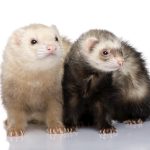
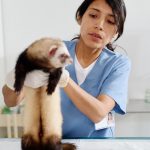


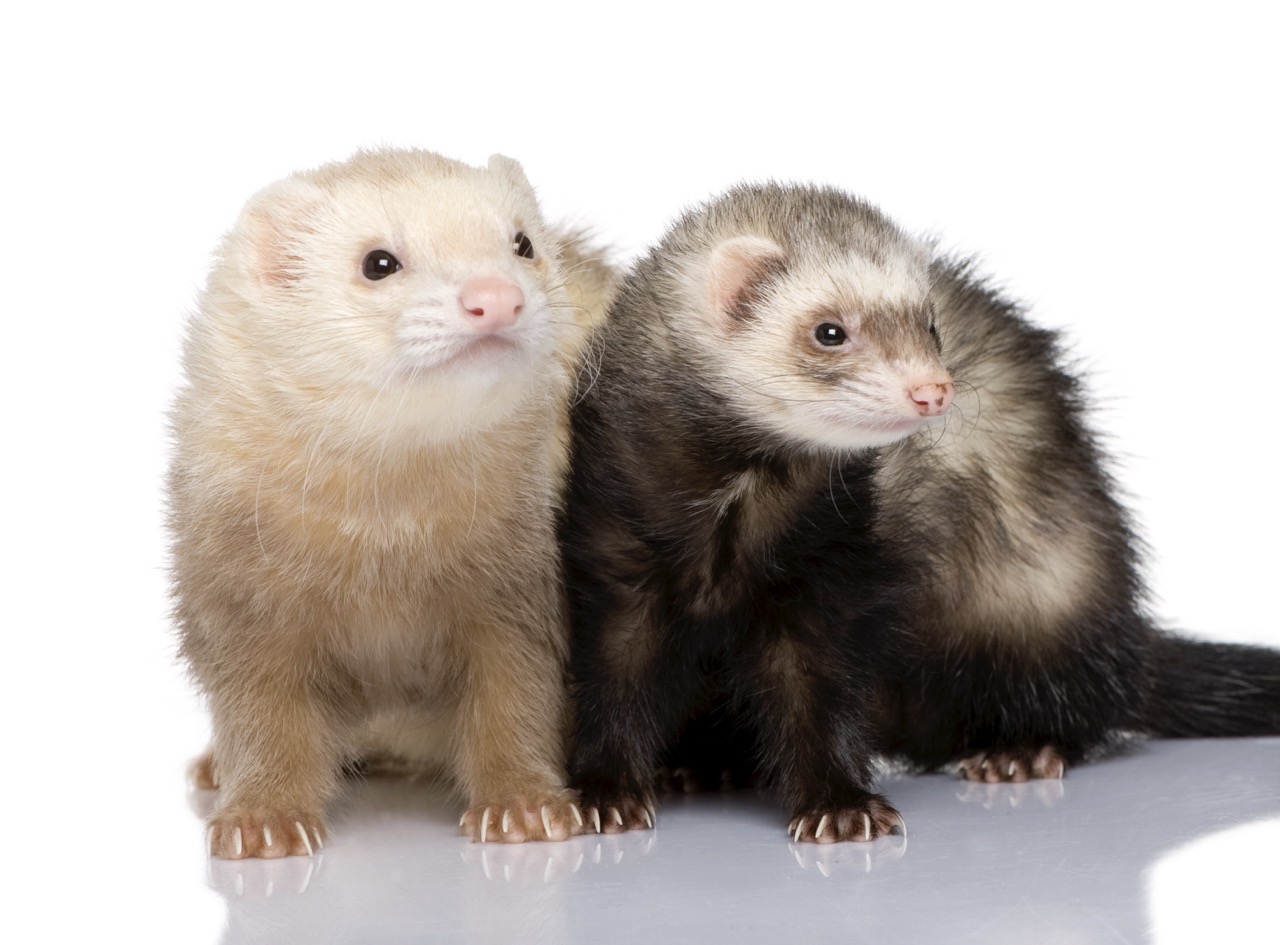
The digestive system of ferrets is a fascinating subject that highlights the uniqueness of these agile carnivores. Understanding how ferrets process food is essential for pet owners who wish to provide optimal care and nutrition for their furry companions. This article delves into the intricacies of ferret digestive anatomy, the role of enzymes in the digestion process, their dietary needs, and common digestive issues along with potential solutions.
Understanding the Unique Anatomy of Ferret Digestive Systems
Ferrets possess a distinctive digestive anatomy that is adapted to their carnivorous diet. Their gastrointestinal tract is relatively short compared to other mammals, which reflects their evolutionary adaptation to a diet high in protein and low in carbohydrates. This short digestive system allows for rapid digestion and nutrient absorption, crucial for their high energy levels and activity.
The stomach of a ferret is highly acidic, with a pH level that aids in breaking down proteins effectively. Following the stomach, the small intestine is the primary site for nutrient absorption, where enzymes continue to break down food into usable forms. The large intestine is shorter and plays a minimal role in fermentation, as ferrets are not designed to extract nutrients from fibrous plant material.
Moreover, the unique structure of the ferret’s cecum, which is small in comparison to that of herbivores, limits the breakdown of cellulose. This anatomical feature further reinforces the need for a meat-based diet, as ferrets lack the necessary digestive enzymes to process plant materials effectively. Understanding this anatomy is vital for providing appropriate dietary choices that align with their digestive capabilities.
The Role of Enzymes in Ferret Food Digestion
Enzymes are biochemical catalysts that play a significant role in the digestion of food, facilitating the breakdown of complex molecules into simpler forms that the body can absorb. In ferrets, several key enzymes are produced in the pancreas and the small intestine to aid in the digestion of proteins, fats, and carbohydrates. The primary enzymes involved include proteases for protein digestion, lipases for fat digestion, and amylases for carbohydrate breakdown.
Proteases are particularly critical for ferrets, as their diet is predominantly protein-based. These enzymes help break down proteins into amino acids, which are essential for various bodily functions, including muscle repair and hormone production. The effective action of these enzymes ensures that ferrets can efficiently utilize the high protein content in their food, supporting their active lifestyle.
Furthermore, the role of enzymes extends beyond mere digestion; they are crucial for maintaining overall health. A deficiency in specific digestive enzymes can lead to malabsorption of nutrients, ultimately affecting a ferret’s energy levels and immune function. Therefore, understanding the role of enzymes in a ferret’s digestive process is crucial for ensuring they receive a balanced diet that meets their nutritional needs.
Dietary Needs: What Ferrets Should and Should Not Eat
Ferrets are obligate carnivores, meaning their diet should primarily consist of animal-based proteins. High-quality commercial ferret food is typically formulated to meet these dietary needs, containing the necessary proteins and fats to support their health. Ideal diets are rich in animal protein, with a focus on whole meats and animal by-products, as these are naturally aligned with their nutritional requirements.
In addition to protein, ferrets require a moderate amount of fat in their diet, which serves as a vital energy source. However, it is crucial to avoid excessive fat content, as this can lead to obesity and related health issues. Ferrets should also not be fed fruits, vegetables, or grains, as their digestive systems are not adapted to process these foods. Such items can lead to gastrointestinal distress and should be strictly avoided.
When caring for a ferret, it is essential to provide a balanced diet while being aware of harmful foods. Items such as chocolate, onions, and garlic are toxic to ferrets and can cause severe health issues. Educating oneself about what constitutes a proper ferret diet is crucial for ensuring the well-being of these energetic pets and preventing dietary-related health problems.
Common Digestive Issues in Ferrets and Solutions
Despite their robust digestive systems, ferrets can experience various digestive issues, which can arise from dietary indiscretions, stress, or underlying health conditions. One common problem is diarrhea, which can be caused by sudden dietary changes or the introduction of inappropriate foods. This condition can lead to dehydration and nutrient loss, making prompt intervention necessary.
Another frequent digestive issue in ferrets is gastrointestinal blockage, often resulting from ingesting foreign objects or hairballs. Symptoms may include vomiting, lethargy, and a lack of appetite. In cases of suspected blockage, immediate veterinary care is essential to prevent more severe complications. Regular grooming and monitoring of a ferret’s environment can help reduce the risk of ingesting non-food items.
Finally, ferrets are also susceptible to inflammatory bowel disease (IBD), which can lead to chronic diarrhea and weight loss. This condition requires thorough veterinary assessment and may necessitate dietary adjustments, medication, or both. Maintaining good communication with a veterinarian regarding a ferret’s digestive health can help in identifying problems early and ensuring appropriate treatment.
In summary, understanding the digestive system of ferrets is crucial for providing them with the best care possible. Their unique anatomy, reliance on specific enzymes, and particular dietary needs highlight the importance of feeding them a protein-rich, species-appropriate diet. By being aware of common digestive issues and their solutions, ferret owners can help ensure their pets remain healthy, active, and happy. Proper nutrition and care will contribute to the overall well-being of these charming animals, allowing them to thrive in a loving home environment.