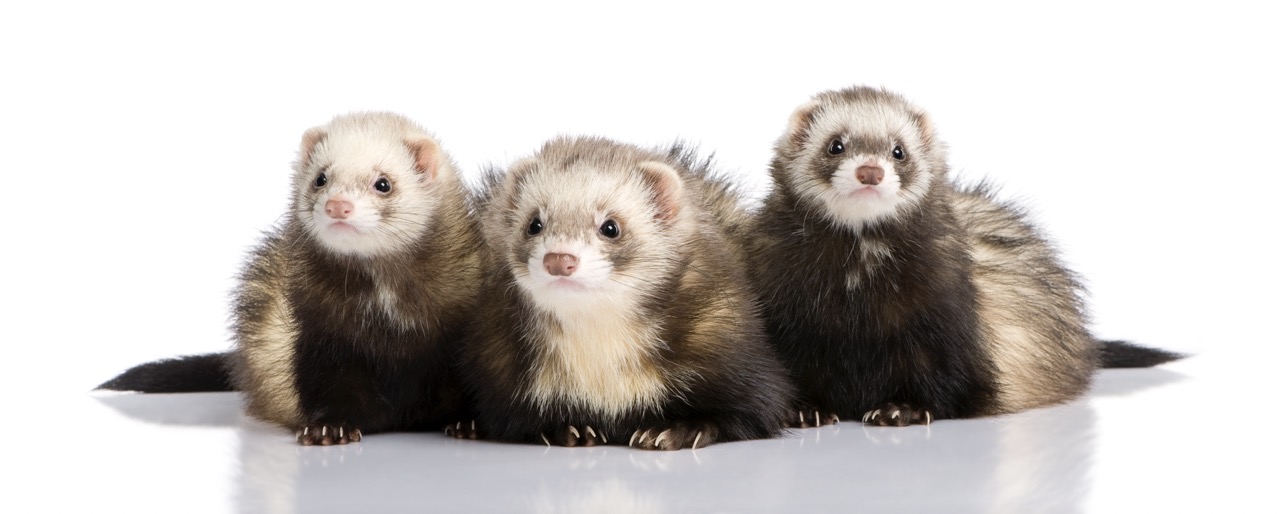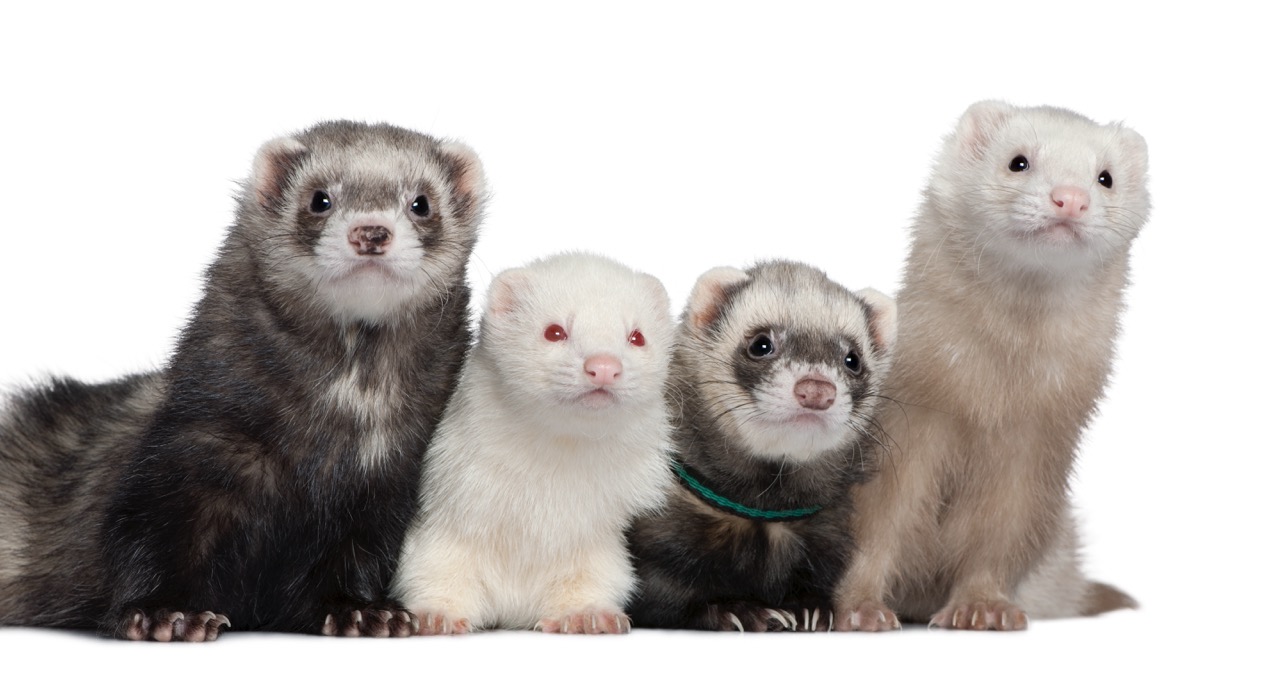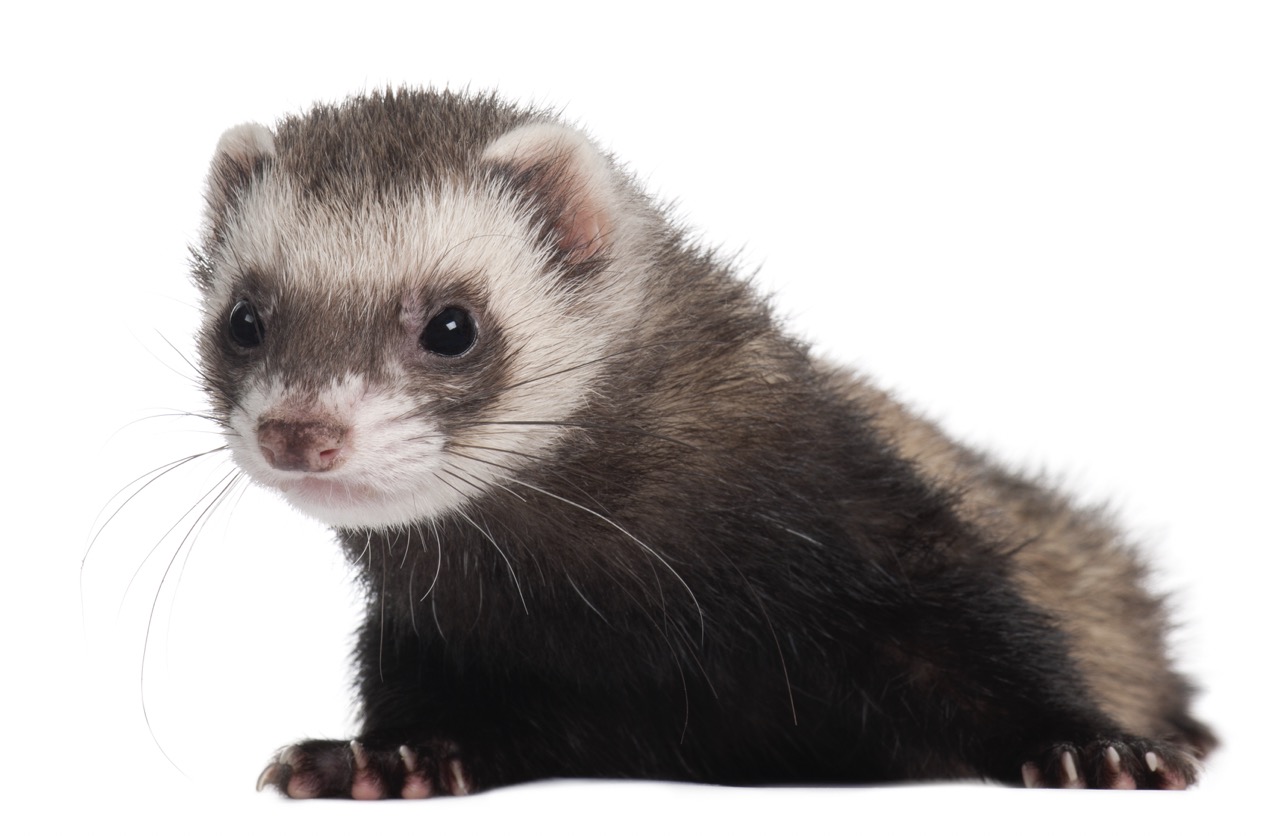





Ferrets, as obligate carnivores, possess a unique digestive system that is finely tuned to process animal-based proteins and fats. Understanding the digestive enzyme system of ferrets is essential for pet owners, veterinarians, and anyone involved in the care of these playful creatures. This article explores the role of digestive enzymes, the specific enzymes involved, common digestive disorders that ferrets may encounter, and practical tips for supporting their digestive health.
Understanding the Role of Digestive Enzymes in Ferrets
Digestive enzymes are proteins produced by the body that facilitate the breakdown of food into smaller, absorbable components. In ferrets, these enzymes play a crucial role in converting the complex structures of animal proteins and fats into simpler molecules, which can then be utilized for energy, growth, and overall health. Their digestive system is adapted for a high-protein diet, allowing for efficient digestion and nutrient absorption.
The process of digestion in ferrets begins in the stomach, where gastric juices, including hydrochloric acid and digestive enzymes, are secreted. These substances help denature proteins and initiate the breakdown process. Following this, the partially digested food moves into the small intestine, where the majority of enzymatic action occurs, aided by pancreatic enzymes and bile salts. A healthy balance of these enzymes is vital for the optimum functioning of the digestive system.
Moreover, the quick transit time of food through a ferret’s gastrointestinal tract—typically around three to six hours—means that any disruption in the digestive enzyme production can lead to significant health issues. Thus, understanding the role and importance of these enzymes is fundamental for ensuring ferrets maintain a healthy digestive system.
Key Digestive Enzymes and Their Functions in Ferrets
Ferrets produce several key digestive enzymes that are critical for processing their carnivorous diet. Proteases are enzymes that break down proteins into smaller peptides and amino acids, facilitating their absorption. This group of enzymes includes pepsin, which is active in the acidic environment of the stomach, and pancreatic enzymes like trypsin and chymotrypsin, which further digest proteins in the small intestine.
Carbohydrases are another essential category of enzymes that help digest carbohydrates. Though ferrets have a lower requirement for carbohydrates compared to omnivores, they still benefit from the breakdown of any sugars and starches present in their diet. Amylase is one such enzyme that begins the process of carbohydrate digestion, although in ferrets, it is produced in smaller quantities.
Lastly, lipases are enzymes responsible for the breakdown of fats into fatty acids and glycerol. In ferrets, a high-fat diet is common, and adequate lipase production is necessary for properly digesting and absorbing dietary fats. A deficiency in any of these enzymes can lead to malabsorption issues, nutrient deficiencies, or gastrointestinal distress, highlighting the importance of these digestive components in their health.
Common Digestive Disorders in Ferrets and Their Causes
Ferrets can experience a variety of digestive disorders, often resulting from an imbalance of their delicate digestive enzyme system or dietary issues. One common condition is insulinoma, a tumor of the pancreas that can lead to excessive insulin production, causing low blood sugar levels and associated gastrointestinal symptoms. This disorder can significantly impact digestion and overall health, necessitating veterinary intervention.
Another prevalent issue is gastrointestinal stasis, where the normal movement of the digestive tract slows or stops. This condition can occur due to a lack of dietary fiber, stress, or dehydration, leading to discomfort and potentially severe consequences. Ferrets are particularly sensitive to changes in their environment, and stress-related factors can significantly influence their digestive health.
Additionally, foreign body ingestion is a risk due to the ferret’s natural curiosity. Objects that are not easily digestible may cause blockages in their intestines, leading to severe discomfort, vomiting, and potentially life-threatening situations. Prompt veterinary attention is crucial in these scenarios to alleviate any blockages and restore normal digestive function.
Tips for Supporting Your Ferret’s Digestive Health Effectively
To promote optimal digestive health in ferrets, it is vital to provide a balanced and species-appropriate diet that closely mimics their natural feeding habits. High-quality ferret food that is rich in animal proteins and low in carbohydrates should form the foundation of their diet. Additionally, incorporating occasional raw meat or whole prey items can provide natural enzymes and nutrients that support digestive efficiency.
Hydration is another crucial aspect of digestive health. Ferrets require constant access to fresh, clean water to facilitate digestion and prevent dehydration. Monitoring their water intake and ensuring they stay well-hydrated can prevent many digestive issues. Additionally, introducing wet food options can help increase fluid intake, especially in ferrets that may be reluctant to drink enough water.
Lastly, regular veterinary check-ups are essential for early detection of any digestive disorders. Routine health assessments can identify potential issues before they escalate into more severe problems. Moreover, discussing any dietary changes or concerns with a veterinarian can provide tailored recommendations that support your ferret’s unique digestive needs, ensuring a long and healthy life for these spirited companions.
Understanding the digestive enzyme system of ferrets is crucial for anyone caring for these energetic animals. By recognizing the importance of digestive enzymes and the potential disorders that can arise from imbalances, pet owners can take proactive measures to support their ferret’s digestive health. A well-balanced diet, proper hydration, and regular veterinary care will help keep these playful pets healthy and thriving.