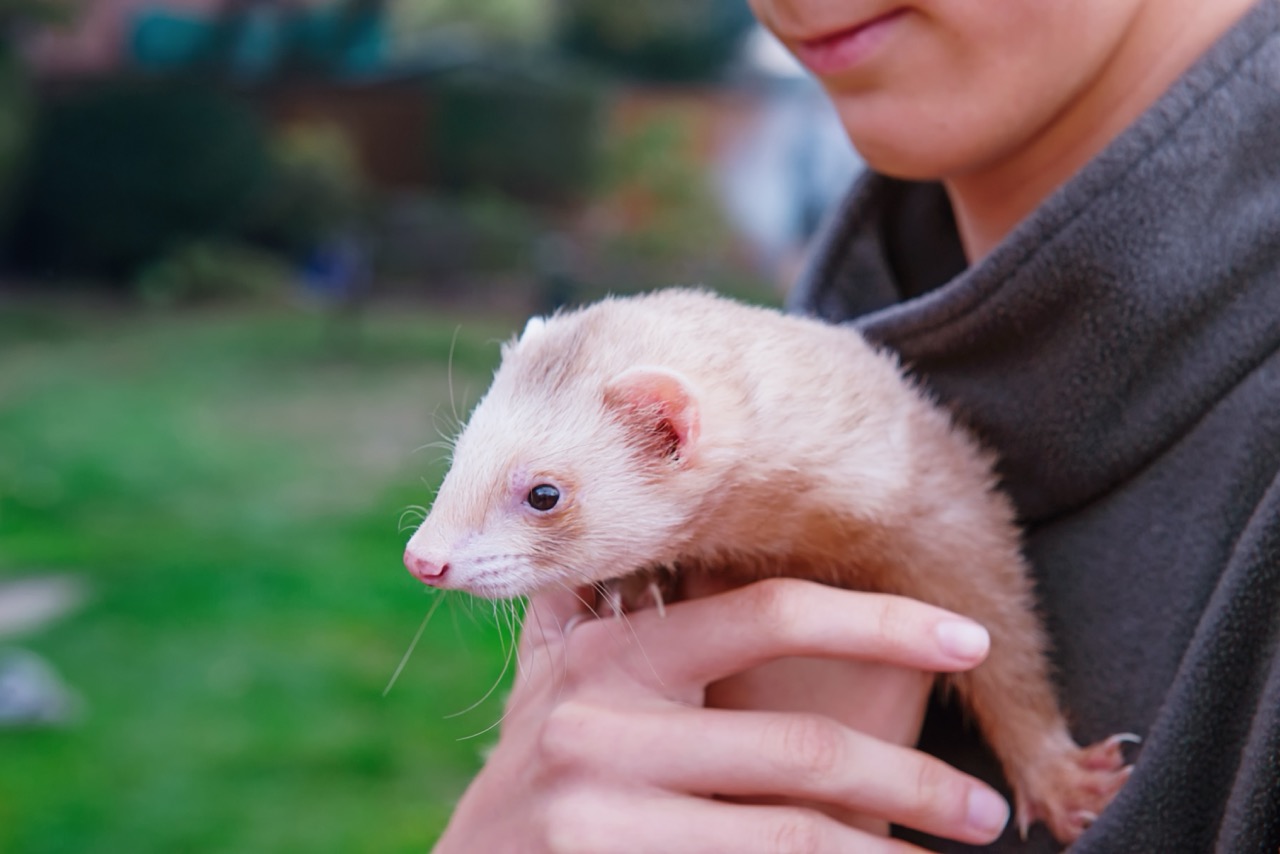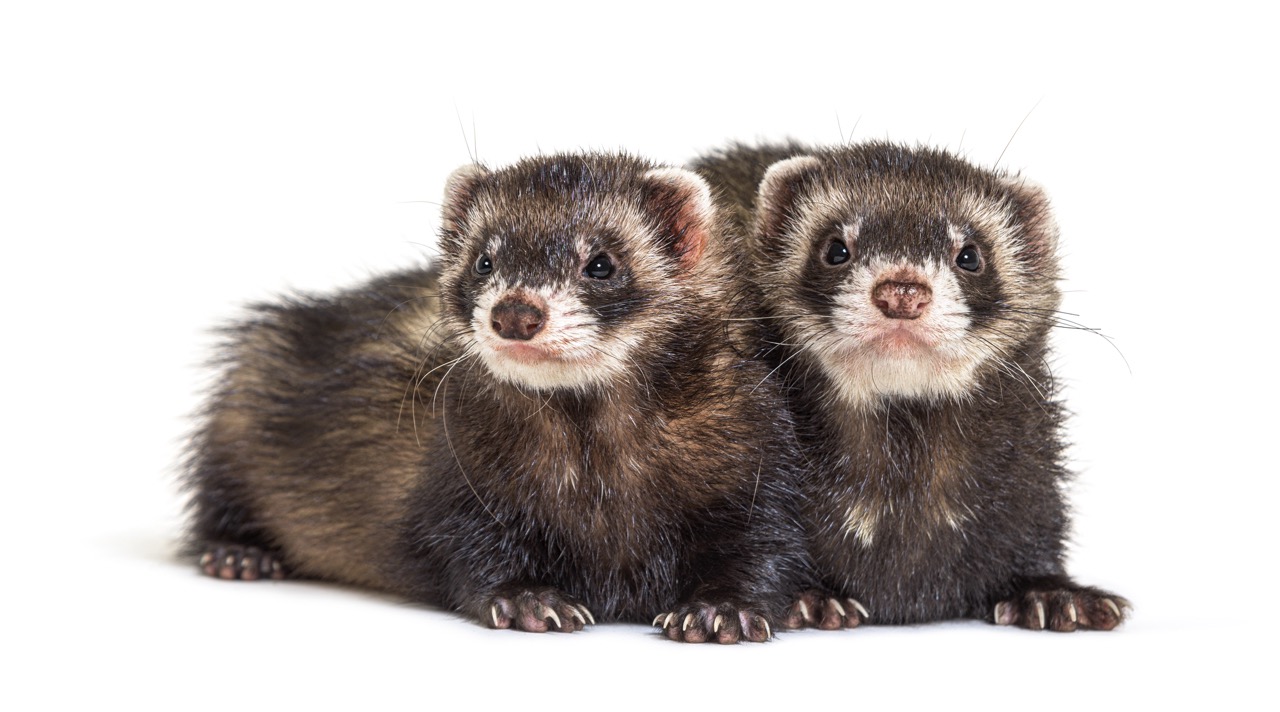






Ferrets, with their playful demeanor and inquisitive nature, make delightful pets. However, like all animals, they are susceptible to various health issues that can escalate if not addressed promptly. Understanding the biology of ferret illnesses, recognizing symptoms early, and monitoring their well-being are crucial for ensuring a long and healthy life for these unique creatures. This article will delve into common ferret illnesses, the key symptoms to look out for, the importance of early detection, and best practices for monitoring your ferret’s health.
Understanding Common Ferret Illnesses and Their Causes
Ferrets are prone to a range of illnesses, many of which stem from genetic predispositions or environmental factors. One of the most common diseases in ferrets is adrenal gland disease, which is often caused by hormonal imbalances and is prevalent in older ferrets. Symptoms can include hair loss, changes in behavior, and increased aggression. Another common issue is insulinoma, a tumor of the pancreas that leads to severe fluctuations in blood sugar levels. This condition can result from hereditary factors and typically affects middle-aged ferrets.
In addition to hormonal and insulin-related diseases, ferrets are also susceptible to infections, such as canine distemper, a highly contagious viral disease that can be fatal. Other respiratory infections can arise from environmental stressors like cold temperatures, poor air quality, or exposure to other sick animals. Understanding these common ailments and their causes can help ferret owners be proactive in their care and treatment.
Diet and nutrition also play a crucial role in a ferret’s overall health. Ferrets are obligate carnivores, meaning their diet must consist primarily of animal protein. Poor nutrition can lead to obesity, dental problems, or gastrointestinal issues. Therefore, it’s essential for ferret owners to provide a balanced and appropriate diet to mitigate the risk of these illnesses.
Key Symptoms to Recognize in Your Ferret’s Health
Recognizing the early signs of illness in ferrets is vital for prompt treatment. Ferrets are adept at hiding discomfort, so subtle changes in behavior can indicate underlying health issues. Key symptoms to look for include lethargy, changes in appetite, or alterations in drinking habits. If your ferret suddenly becomes less active or refuses to eat, it could be a sign of distress that requires immediate veterinary attention.
Another important symptom to monitor is changes in grooming behavior. Ferrets are usually meticulous groomers, and a decline in grooming can indicate skin problems or underlying health concerns. Additionally, watch for any unusual vocalizations or signs of aggression, which may signal pain or discomfort due to a medical condition. Keeping a close eye on these behavioral changes can provide valuable insights into your ferret’s health status.
Physical symptoms such as diarrhea, vomiting, or abnormal discharge from the eyes or nose should also be taken seriously. These signs can indicate infections or other illnesses that require veterinary intervention. Regularly examining your ferret’s coat, skin, and overall body condition can help you catch these symptoms early and address them before they become more serious.
The Importance of Early Detection in Ferret Care
Early detection of illness in ferrets can significantly impact their long-term health and quality of life. Many ferret diseases, such as insulinoma and adrenal gland disease, are manageable if caught early. This underscores the importance of regular veterinary check-ups, which can help identify health issues before they escalate. During these visits, veterinarians can perform routine blood tests and physical examinations to monitor your ferret’s health status.
Moreover, early intervention can often lead to less invasive treatments and better outcomes. For instance, if a health issue is caught in its early stages, dietary adjustments or medications may suffice instead of more aggressive treatments like surgery. This can also save pet owners money in the long run by preventing more serious complications that require extensive care.
Lastly, fostering a strong relationship with a knowledgeable veterinarian who specializes in exotic pets can enhance your ferret’s health management. They can provide you with invaluable advice on preventive care and tailor a health monitoring plan specifically for your ferret’s needs. Regular communication with your vet ensures that any concerns are promptly addressed and appropriate measures are taken.
Best Practices for Monitoring Your Ferret’s Well-Being
Maintaining a routine for monitoring your ferret’s health can simplify the process of recognizing potential illnesses. Start by establishing a daily check-up routine that includes observing your ferret’s activity level, eating and drinking habits, and grooming behavior. Keeping a log of these observations can help you spot trends or changes over time, making it easier to identify symptoms warranting further investigation.
It’s also beneficial to create a clean, comfortable living environment for your ferret. This includes providing appropriate bedding, a balanced diet, and regular opportunities for exercise and mental stimulation. A well-cared-for ferret is less likely to develop health issues related to stress, obesity, or environmental hazards. Ensure that your ferret’s habitat is free from toxins and hazards, which can contribute to illness.
Finally, educating yourself about ferret health through reputable resources can empower you as a pet owner. Joining ferret-focused communities and consulting literature on ferret care can enhance your understanding of common health issues and their prevention. By being proactive about your ferret’s well-being and staying informed, you can play a pivotal role in ensuring a happy and healthy life for your furry friend.
In conclusion, being aware of ferret illnesses and their symptoms is paramount for any responsible ferret owner. Early detection and intervention can make a significant difference in the health and longevity of your pet. By monitoring their well-being and establishing good care practices, you can provide a nurturing environment that minimizes the risk of illness. Ultimately, a proactive approach to ferret care can lead to a rewarding and enriching experience for both you and your beloved companion.