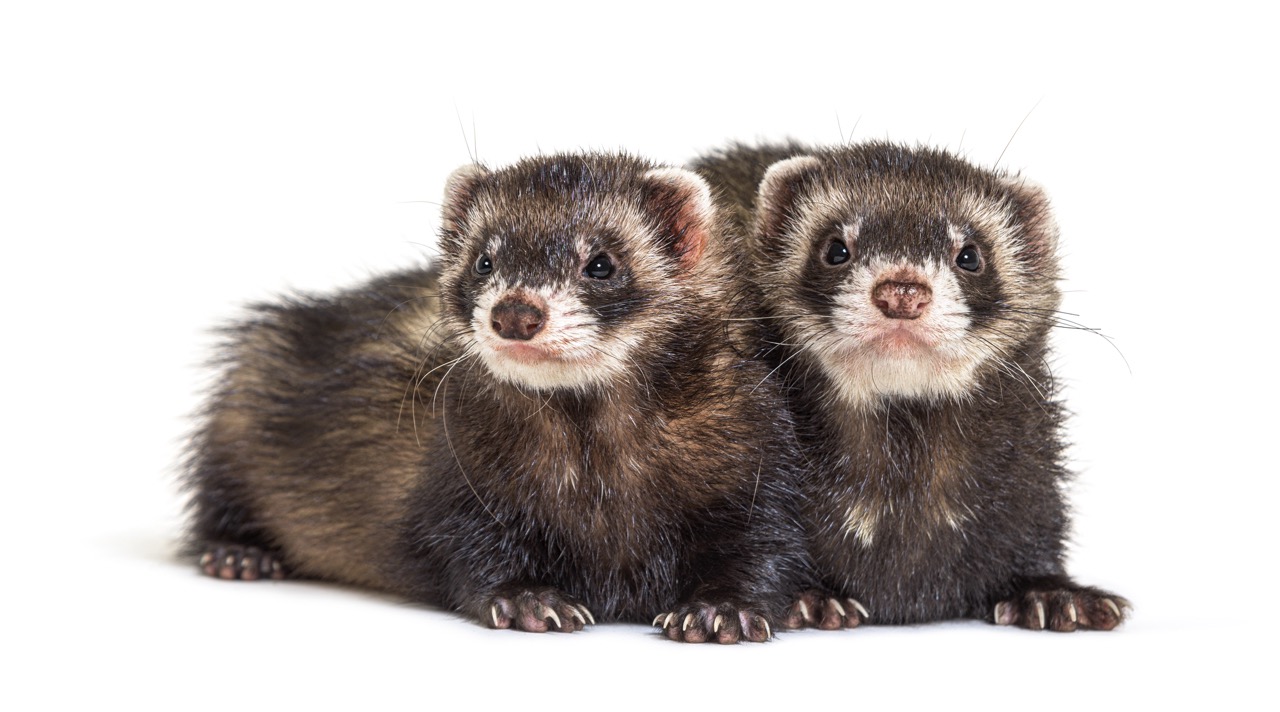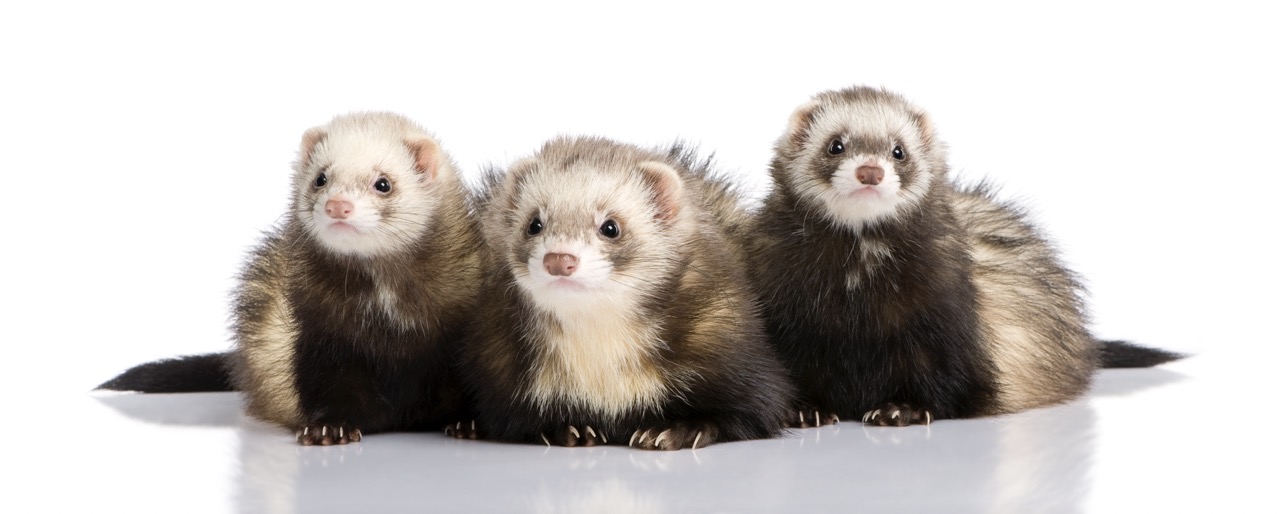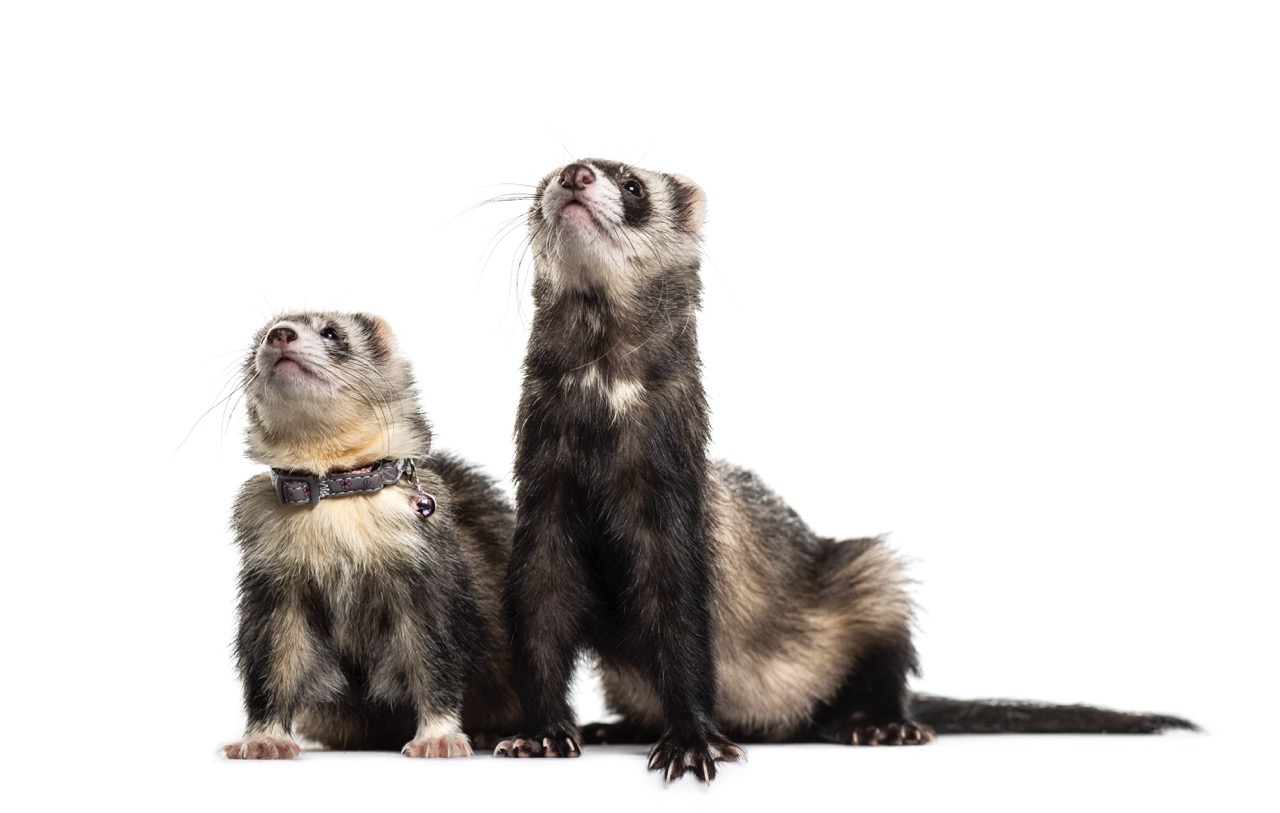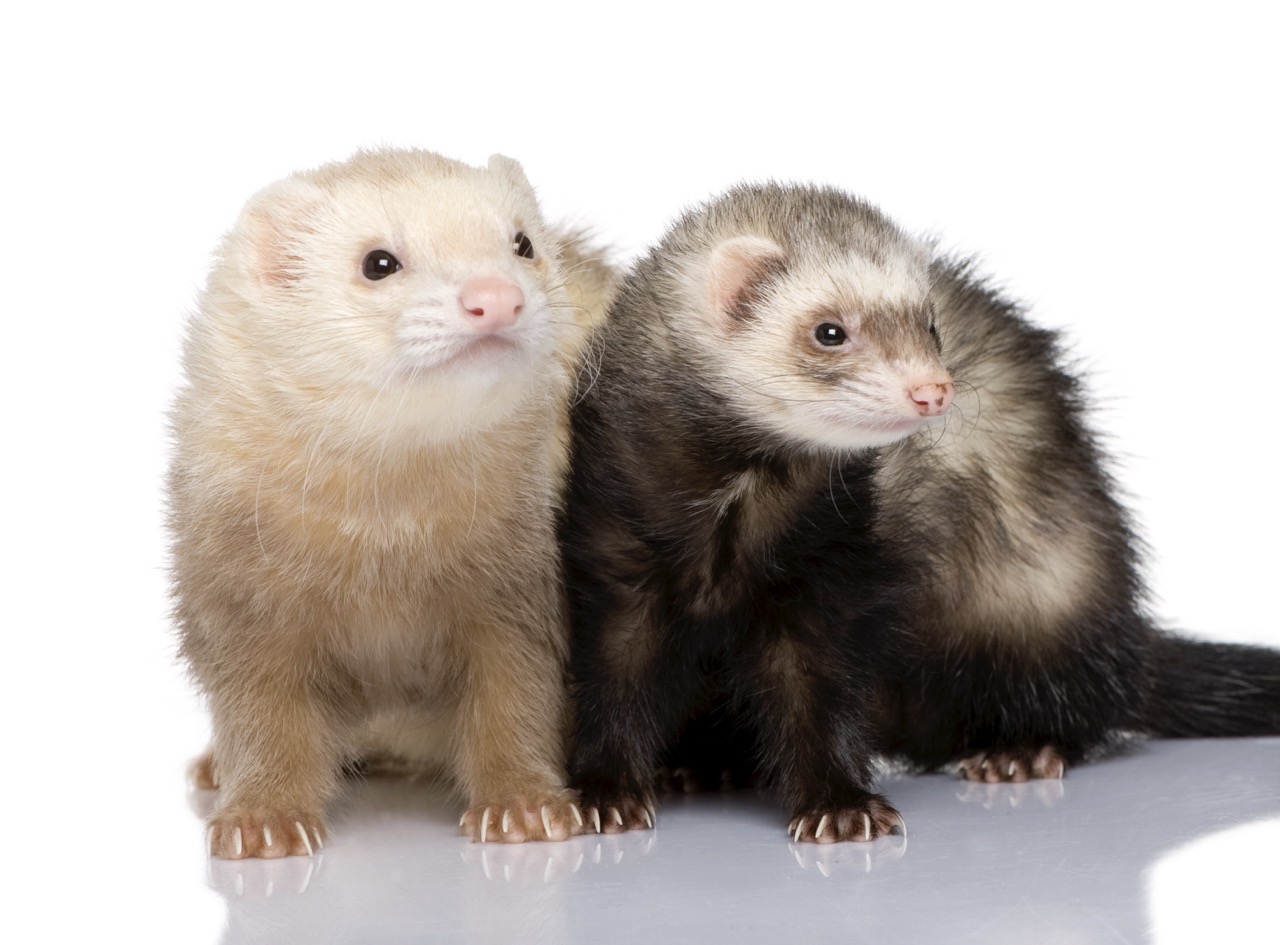





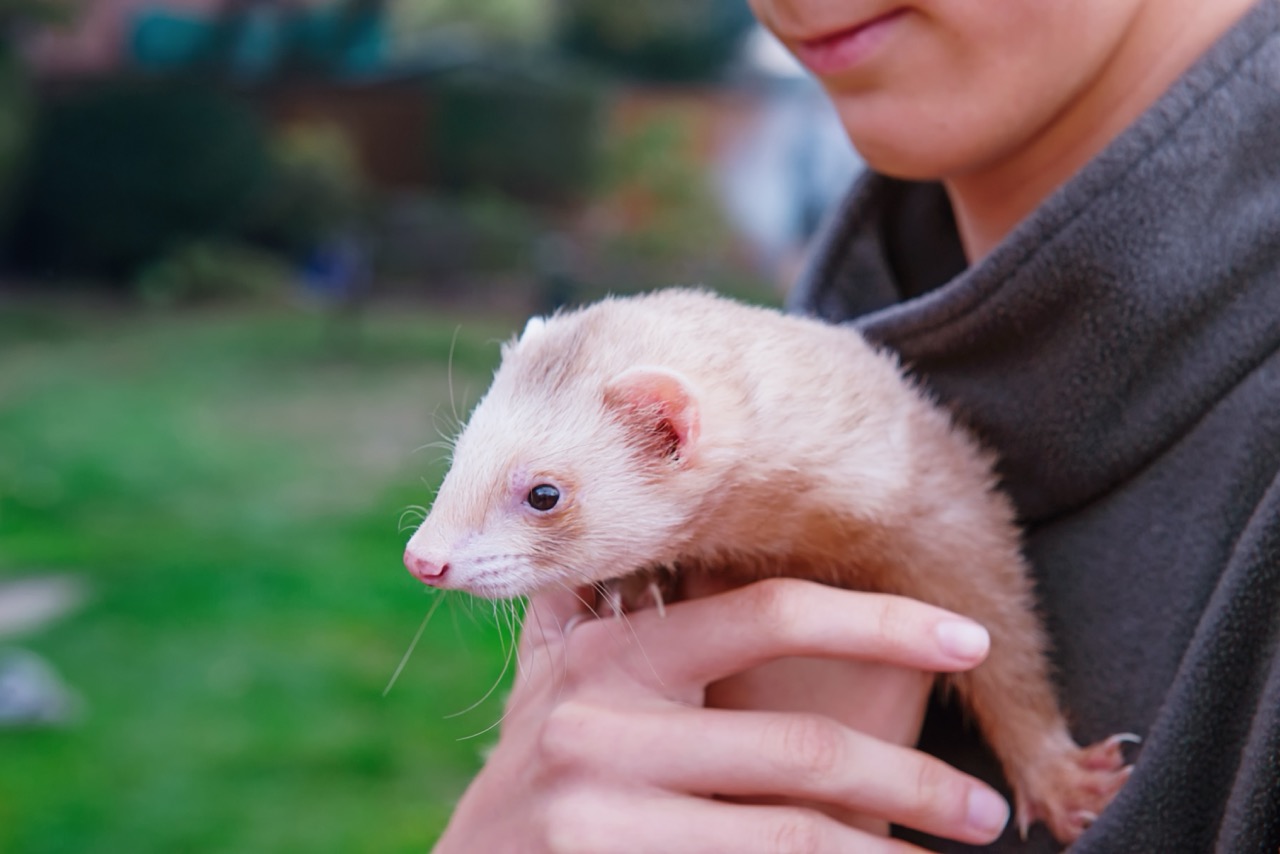
Ferrets are known for their playful and energetic behavior, often captivating the hearts of pet owners with their antics. However, this hyperactivity can sometimes lead to challenges in managing their behavior at home. Understanding the underlying biology of ferret hyperactivity can provide valuable insights for caregivers, helping them to create a more harmonious living environment. In this article, we will explore the factors influencing ferret hyperactivity, including their natural instincts, physiological characteristics, and practical tips for managing their energy levels.
Understanding Ferret Behavior: An Overview of Hyperactivity
Ferrets are members of the weasel family, known for their curious and active nature. Hyperactivity in ferrets is often characterized by erratic bursts of energy, rapid movements, and a tendency to engage in playful behaviors. This exuberance is not merely a personality trait but is deeply ingrained in their evolutionary history. In the wild, ferrets are active hunters and scavengers, necessitating high levels of energy to chase prey and explore their surroundings.
The hyperactive behaviors observed in pet ferrets can be traced back to their instinctual need for play and exploration. Ferrets exhibit a variety of play behaviors, including chasing, wrestling, and mock fighting, which are essential for their physical and mental development. These activities also serve to hone their hunting skills, reinforcing the idea that their hyperactivity is a natural extension of their instincts. Consequently, ferrets may engage in hyperactive bursts during specific times of the day, often coinciding with their natural crepuscular activity patterns.
Understanding the context of ferret hyperactivity is crucial for caregivers. Recognizing that this behavior is normal and rooted in their biology helps owners embrace their ferrets’ playful nature rather than viewing it as a nuisance. However, hyperactivity can also be exacerbated by environmental factors, such as a lack of stimulation or insufficient exercise, prompting owners to take a more active role in their ferrets’ daily activities.
The Role of Natural Instincts in Ferret Hyperactivity
Ferrets possess natural instincts that significantly influence their behavior, particularly their hyperactivity. As descendants of wild predators, they are hardwired to hunt and explore. This instinctual drive manifests in their need to run, dig, and climb, all behaviors that contribute to their hyperactive state. In a domestic setting, ferrets often channel these instincts into play, leading to the energetic antics observed by their owners.
One notable instinct is the "dooking" behavior, a joyful vocalization accompanied by playful actions, which signals excitement and readiness for interaction. This behavior often occurs during periods of high energy and can lead to a cycle of hyperactivity when ferrets engage with their environment or with other ferrets. Additionally, ferrets engage in behaviors like "weasel war dances," characterized by bouncing and quick turns, which serve as expressions of their playful nature while further reinforcing their hyperactivity.
The interplay between instinct and environment is critical for understanding ferret behavior. While their instincts drive hyperactivity, the environment plays a pivotal role in either enhancing or limiting these behaviors. A stimulating environment that includes interactive toys and opportunities for socialization can help channel their energy positively, whereas a lack of stimulation may result in excessive and disruptive hyperactivity.
Physiological Factors Contributing to Ferrets’ Energy Levels
Beyond natural instincts, various physiological factors contribute to the high energy levels observed in ferrets. Ferrets have a unique metabolism that allows them to process food quickly, resulting in a constant need for energy. This efficient metabolism is paired with a high activity level, meaning that ferrets often require more frequent meals to sustain their energy throughout the day. The type of diet provided can also influence their energy levels, with high-protein diets being essential for maintaining their active lifestyle.
Moreover, ferrets have a relatively high basal metabolic rate, which contributes to their need for continuous activity. This physiological characteristic ensures that they remain agile and nimble, key traits for survival in their natural habitat. When kept in a domestic environment, this high metabolism translates into frequent bursts of energy, leading to hyperactive behavior. Understanding this physiological aspect can aid caregivers in tailoring their feeding schedules and dietary choices to better align with their ferrets’ energy requirements.
In addition to metabolism, hormonal factors can also influence hyperactivity in ferrets. For instance, young ferrets, or kits, typically exhibit higher energy levels compared to older ferrets, as they are in a critical phase of growth and development. Hormonal changes, such as those associated with mating seasons, can also lead to temporary increases in hyperactive behavior. Recognizing these physiological factors can help owners better understand their ferrets’ behavior and make appropriate adjustments in care and management.
Managing Hyperactivity: Tips for Ferret Owners and Caregivers
Managing hyperactivity in ferrets requires a combination of understanding their behavior and providing adequate stimulation. One effective approach is to create an enriched environment that offers a variety of toys, tunnels, and climbing structures. These enhancements encourage exploration and play, allowing ferrets to expend their energy in a constructive manner. Interactive toys and puzzles can also engage their minds, preventing boredom and subsequent hyperactive outbursts.
Regular playtime is essential for managing hyperactivity. Caregivers should dedicate time each day to engage in active play with their ferrets, incorporating activities that mimic their natural hunting behaviors. Using toys that encourage chasing or hiding treats can stimulate their instincts and provide a satisfying outlet for their energy. Additionally, providing opportunities for socialization with other ferrets or gentle pets can help burn off excess energy while satisfying their social needs.
It’s equally important to establish a consistent routine that includes regular exercise and playtime. This predictability can help ferrets understand when they can expect to engage in play, leading to a more balanced distribution of their energy throughout the day. Incorporating periods of rest and relaxation is also crucial, as it allows ferrets to recharge and reduces the likelihood of erratic hyperactivity. By adopting these strategies, caregivers can effectively manage their ferrets’ hyperactivity while enhancing their overall well-being.
Understanding the biology behind ferret hyperactivity is essential for caregivers who wish to foster a healthy and engaging environment for their pets. By recognizing the interplay of natural instincts, physiological traits, and environmental factors, owners can take proactive steps to manage hyperactive behavior effectively. Creating an enriched space, allowing for regular play and exercise, and maintaining a consistent routine can significantly enhance the quality of life for ferrets. Ultimately, embracing their natural exuberance while managing their energy levels will lead to happier and healthier ferrets, enriching the bond between pets and their caregivers.