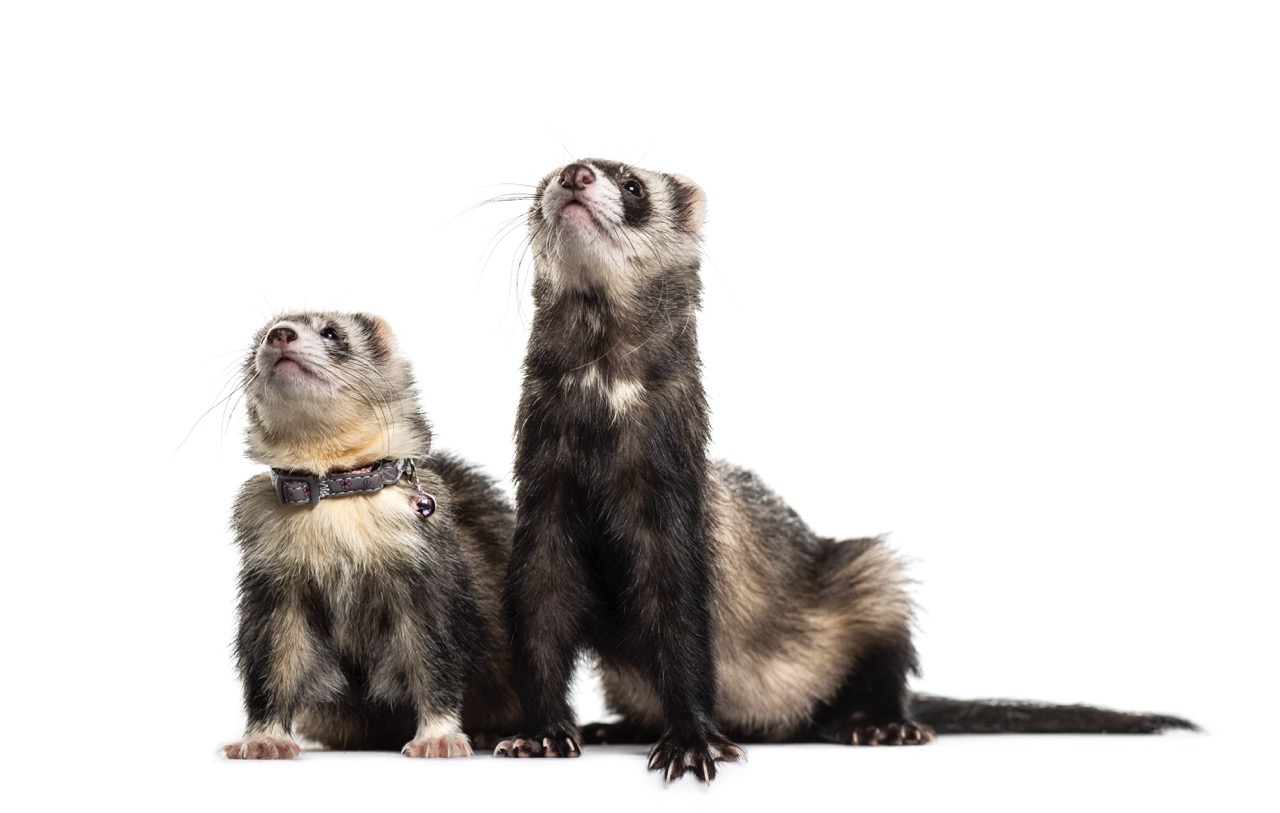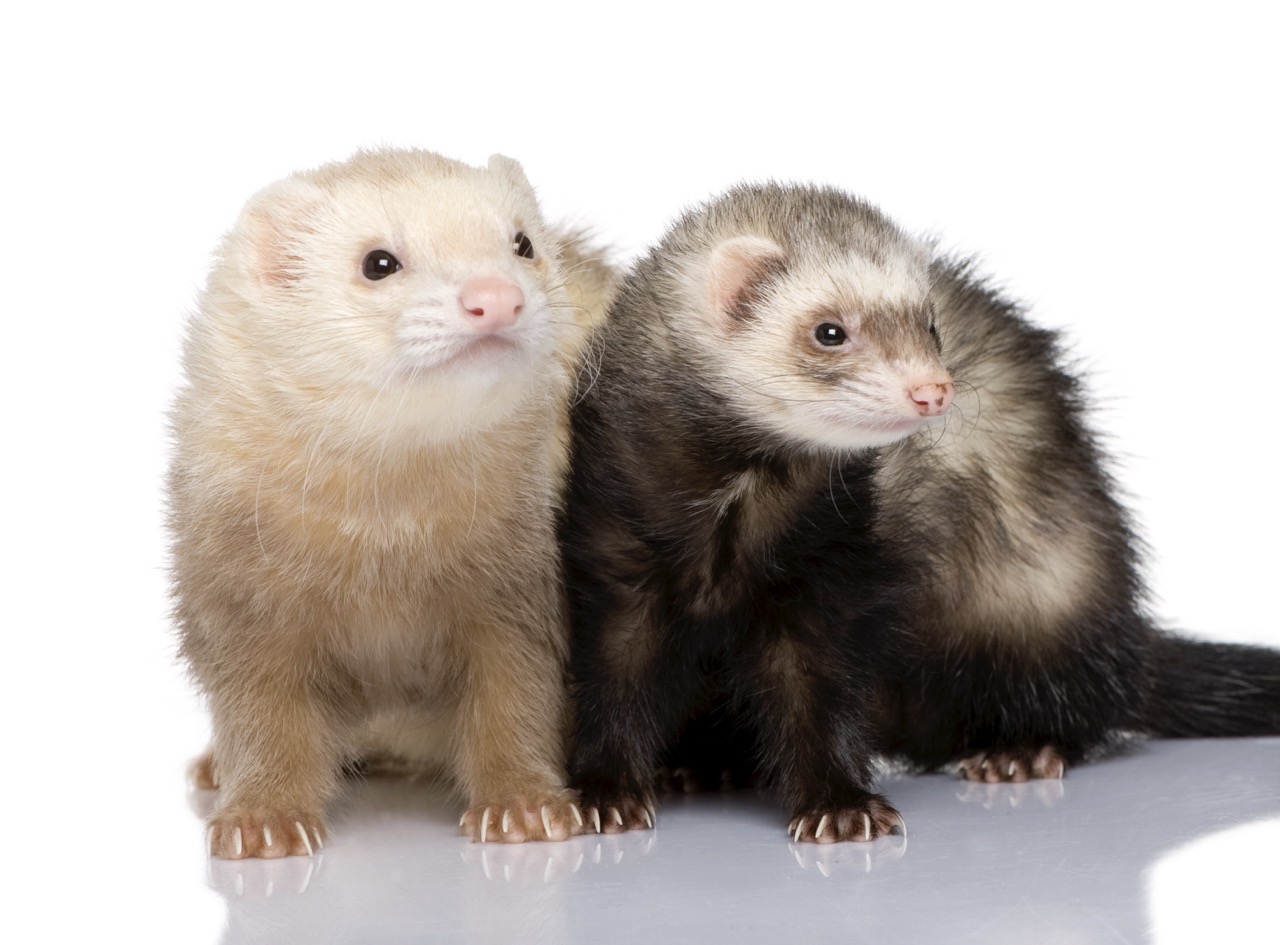





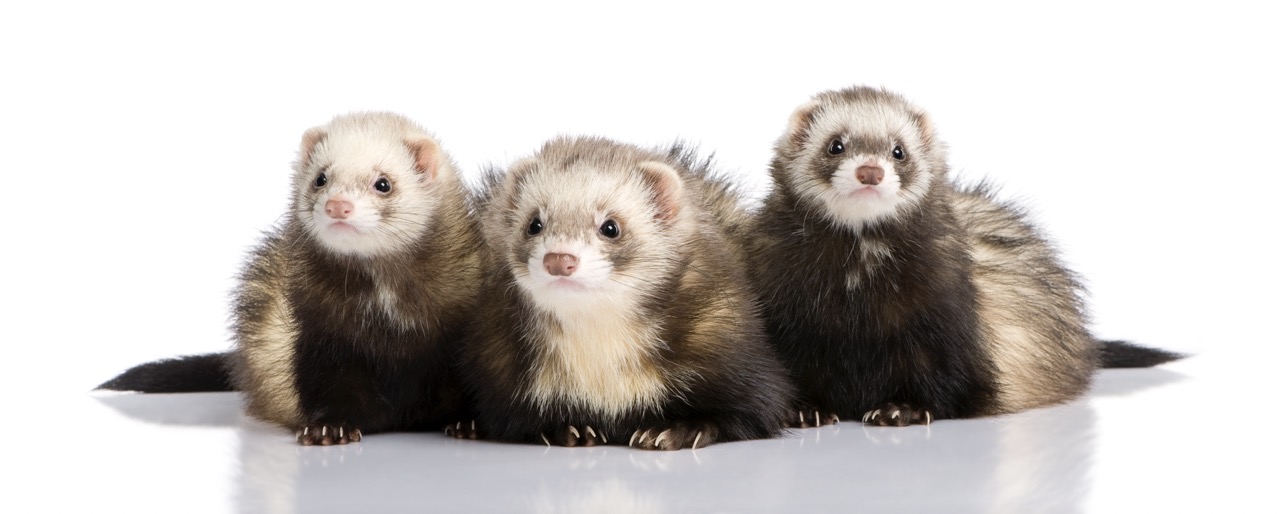
Ferrets, known for their playful and curious nature, can sometimes exhibit aggressive behavior, which can be surprising for owners unfamiliar with the species. Understanding the underlying biology of ferret aggression and play is essential for fostering a harmonious relationship between ferrets and their human companions. This article delves into the natural behavior of ferrets, the genetic factors influencing aggression, the importance of social interactions and play, and offers practical tips for managing aggressive behaviors in ferrets.
Understanding the Natural Behavior of Ferrets
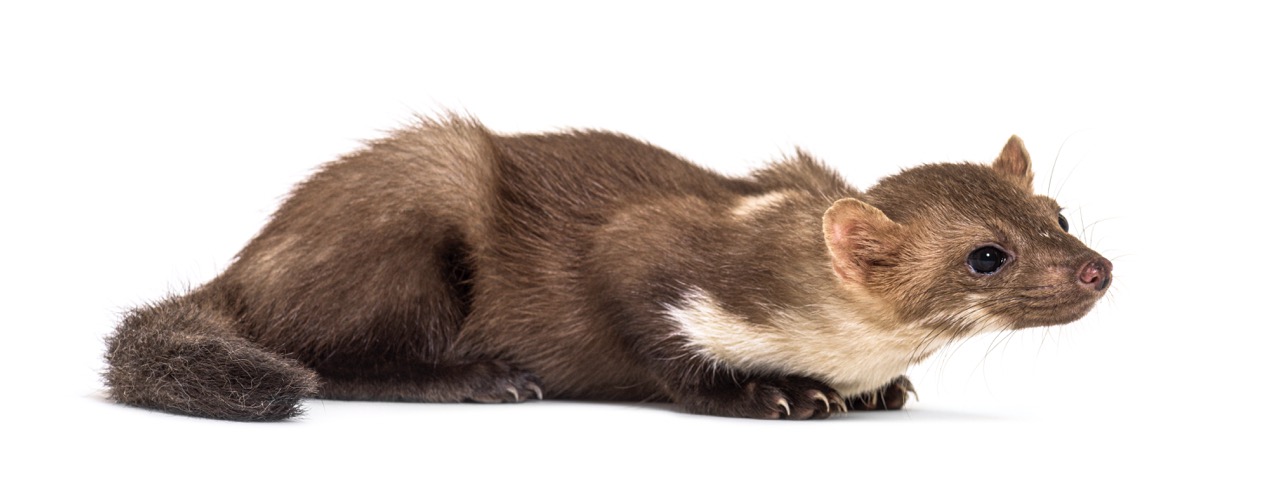
Ferrets (Mustela putorius furo) are domesticated descendants of the European polecat, and their behavior reflects a blend of instincts inherited from their wild ancestors. In the wild, ferrets are social animals that live in colonies and engage in play, which is crucial for their development and establishing social hierarchies. Play behavior mimics hunting and fighting, allowing ferrets to hone their skills and learn important social cues. This instinctual playfulness can often be misinterpreted as aggression by owners who are unfamiliar with ferret behavior.
Ferrets are also crepuscular, meaning they are most active during dawn and dusk. This active period is when they engage in social play and exploration, which is critical for their mental and physical well-being. During these times, ferrets use a variety of vocalizations, body postures, and behaviors to communicate with one another. Understanding these natural behaviors helps owners recognize when their ferrets are simply playing versus when aggression may be an issue.
Moreover, ferrets have a highly developed sense of smell and hearing, and they use these senses to interact with their environment and each other. A ferret’s ability to perceive subtle changes in their surroundings can influence their behavior, including aggression. Stressors such as loud noises, unfamiliar environments, or the presence of predators can trigger defensive aggressive responses. By ensuring a safe and enriching environment, owners can minimize unnecessary stress and promote positive interactions.
The Role of Genetics in Ferret Aggression
Genetics play a significant role in the temperament and behavior of ferrets. Just like other domesticated animals, ferrets have been selectively bred for specific traits. Some lines may exhibit more docile or friendly behaviors, while others may have a predisposition towards aggression or shyness. Understanding a ferret’s lineage can provide insight into their potential behavior, as certain genetic markers may correlate with aggressive tendencies or social adaptability.
Hormonal influences, particularly related to sex, also impact aggressive behavior in ferrets. Intact male ferrets (hobs) tend to show more territorial and aggressive behaviors during mating season, while female ferrets (jills) can become aggressive when they are in heat or if they feel their kits are threatened. This hormonal aggression can be managed through spaying or neutering, which can result in calmer behaviors and reduce aggressive tendencies.
Additionally, environmental factors interacting with genetic predispositions can further influence a ferret’s aggression levels. For example, a ferret that is isolated from social interaction during its formative weeks may grow up to be less social and more prone to aggressive behavior. By understanding both the genetic and environmental factors, owners can take proactive steps to mitigate aggressive tendencies in their ferrets.
Social Interactions and Play in Ferrets
Play is an essential aspect of ferret behavior that facilitates social bonding and physical development. Ferrets engage in play fighting, which allows them to practice their hunting skills without causing harm to one another. In a group setting, play can establish social hierarchies, reduce stress, and promote a sense of security among ferrets. It is essential for ferret owners to provide ample opportunities for interactive play to help meet their pets’ physical and psychological needs.
During play, ferrets exhibit a range of behaviors, including chasing, rolling, and wrestling. These activities are not only enjoyable for the ferrets but also serve as a means of communication. The "weasel war dance," characterized by a series of jumps and twists, is a common display of excitement and can signal to other ferrets that they are ready to engage in playful behavior. Understanding these signals helps owners distinguish between playful interactions and potential aggressive confrontations.
Socialization with other ferrets is crucial for developing appropriate behaviors. Ferrets that are regularly exposed to their peers are less likely to exhibit aggressive tendencies, as they learn vital social cues through direct interactions. However, owners should monitor play sessions closely, as even playful encounters can escalate into aggression if one ferret feels threatened or overstimulated. Providing a safe and controlled environment for socialization is key to fostering positive interactions.
Managing Aggression: Tips for Ferret Owners
Managing ferret aggression requires a proactive approach focused on understanding and addressing the root causes of the behavior. Providing ample enrichment, such as tunnels, toys, and climbing structures, can help channel a ferret’s energy into positive activities. Additionally, establishing a routine that includes regular playtime and socialization can foster a sense of security and reduce stress-related aggression.
When introducing new ferrets to an existing household, it is vital to do so gradually and under controlled conditions. This can help minimize territorial disputes and reduce the likelihood of aggressive encounters. Owners should provide separate spaces for each ferret initially and allow them to become acquainted through scent and visual contact before any direct interactions. Supervised introductions can help ensure that aggressive behaviors are promptly addressed.
If aggression persists despite these efforts, consulting with a veterinarian or animal behaviorist may be necessary. These professionals can provide tailored advice and strategies to manage aggression based on the individual ferret’s behavior and environment. By remaining vigilant and responsive to their ferret’s needs, owners can create a nurturing atmosphere that encourages positive behaviors and mitigates aggression.
Understanding the biology behind ferret aggression and play is essential for any ferret owner. By recognizing their natural behaviors, the role of genetics, and the importance of social interactions, owners can better manage aggressive tendencies and foster a healthy, playful environment for their pets. With patience, knowledge, and appropriate strategies, ferret owners can enjoy a rewarding relationship with their playful companions while ensuring their well-being.