




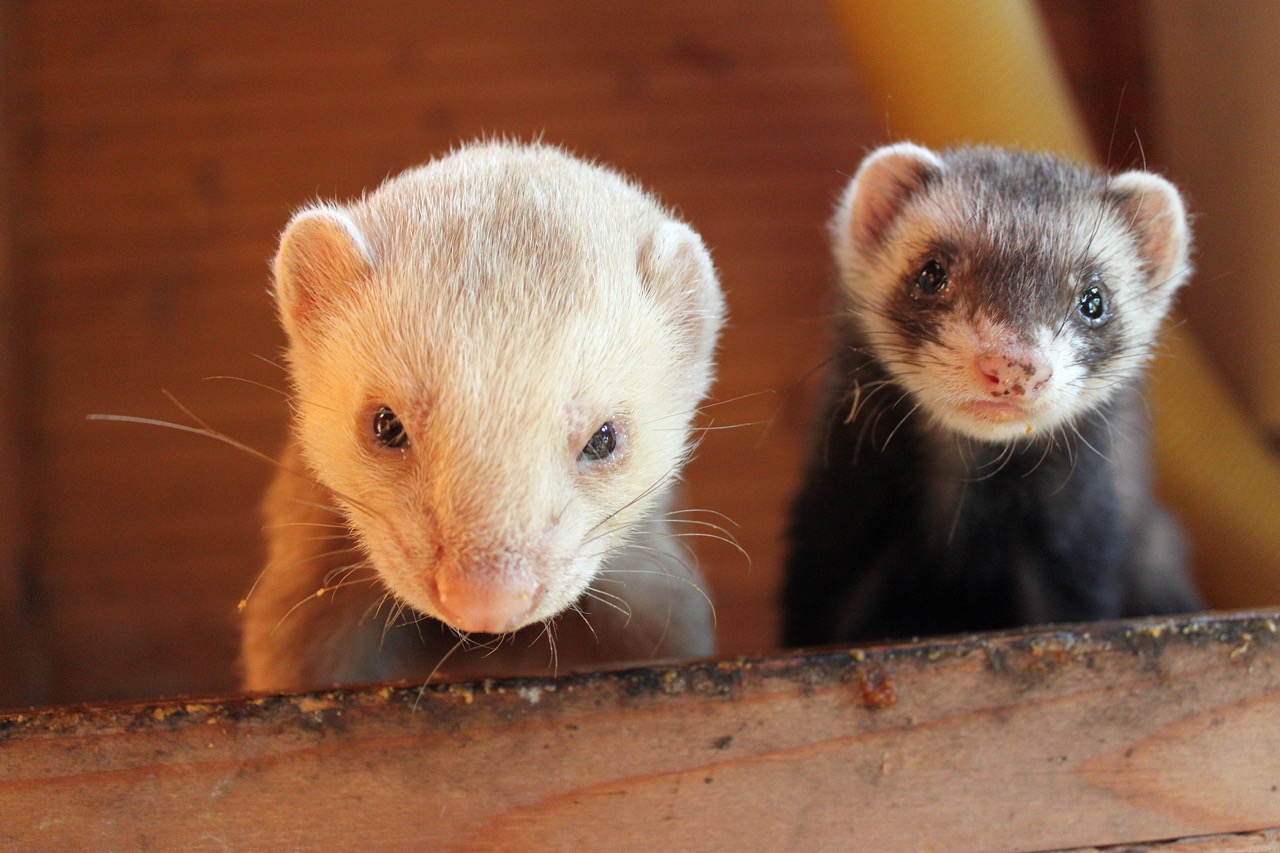
Creating an optimal habitat for ferrets is crucial to their well-being, allowing them to thrive both physically and mentally. Ferrets are playful, sociable animals that require a safe and stimulating environment to explore and engage in their natural behaviors. Therefore, selecting the right materials for ferret cages is not only a matter of aesthetics but also a matter of safety and health. This article delves into the best materials for ferret cages, offering insights and recommendations to ensure your furry friends have a secure and enriching home.
Understanding Ferret Habitat Needs for Optimal Care
To provide the best care for ferrets, understanding their innate behavior and habitat needs is essential. Ferrets are active and curious creatures that require ample space to roam, explore, and play. Their enclosures should be spacious enough to allow for climbing, tunneling, and jumping, as these activities are crucial for their physical health and prevent boredom.
Moreover, ferrets are social animals that thrive in environments that mimic their natural habitat. They benefit from varied enrichment, including hiding spots, tubes, and levels within their cage, which promotes exploration and play. It’s also important to ensure that the cage is well-ventilated and easy to clean, as ferrets can be prone to odors and health issues if their environment is not properly maintained.
In addition to space and enrichment, the safety of the materials used in their enclosure cannot be overstated. Ferrets are known for their escapism tendencies, so choosing materials that prevent them from chewing through or escaping is vital. Understanding these habitat needs will guide pet owners in selecting the appropriate materials for ferret cages that prioritize both comfort and safety.
Essential Materials for Building Safe Ferret Enclosures
When selecting materials for ferret cages, several options stand out as both safe and effective. Metal cages are highly recommended due to their durability and resistance to chewing. Stainless steel or coated wire panels are suitable choices, as they are easy to clean and provide a secure environment that discourages escape attempts. A solid metal base can also prevent litter from falling out and can be lined with soft bedding for comfort.
Another common material used in ferret cage construction is plastic. Heavy-duty plastic can be a good choice for shelving and removable trays, as it is easy to clean and resistant to odors. However, pet owners should be cautious and ensure that any plastic used is free from harmful chemicals like BPA, which can pose health risks to ferrets.
Lastly, fabric is often used for hammocks and bedding within ferret cages. Soft, washable fabrics provide comfort and a sense of security for ferrets. However, it is essential to choose materials that are durable and machine washable to maintain hygiene and prevent the buildup of odors or bacteria.
Comparing Pros and Cons of Different Cage Materials
When comparing various materials for ferret cages, it’s essential to weigh their benefits and drawbacks. Metal cages, while durable and safe, can be quite heavy and may require more investment. Their rigidity can limit the creativity of the enclosure’s design, although they are often customizable with various accessories.
Plastic materials are lightweight and versatile, making them easy to manipulate and clean. However, they can be less durable than metal and may wear down over time, especially if ferrets are prone to chewing. Additionally, some plastics can retain odors, which might necessitate more frequent cleaning and replacement.
Fabric materials, although excellent for providing comfort, may not hold up to the wear and tear of active ferrets. They can also harbor odors if not washed regularly, which can be a concern for pet owners. Overall, selecting the right materials involves evaluating the specific needs of your ferret and the intended use of the enclosure.
Recommendations for Choosing the Right Ferret Cage Material
When choosing the right materials for a ferret cage, prioritize safety and comfort. A well-constructed metal frame should serve as the foundation, providing a durable and secure environment. Look for designs that offer ample space and ventilation while avoiding sharp edges or gaps that could pose a risk to your ferret.
For the internal components, opt for high-quality plastic for removable trays and platforms, ensuring they are easy to clean and resistant to odors. Additionally, consider incorporating fabric hammocks or bedding that are durable and safe for your ferret’s sensitive skin. Regularly inspect these materials to ensure they remain in good condition and replace them as necessary to maintain a hygienic living space.
Finally, always consider your ferret’s unique personality and preferences. Some ferrets may prefer more enclosed spaces, while others thrive in open environments. Tailoring the materials and layout of the cage to suit the individual needs of your ferret will create a stimulating and safe habitat that promotes their overall happiness and health.
In conclusion, selecting the best materials for ferret cages is a critical aspect of providing optimal care for these playful pets. By understanding their habitat needs and the pros and cons of various materials, pet owners can create a secure, comfortable, and enriching environment. Prioritizing metal for structure, high-quality plastic for utility, and soft fabric for comfort will help ensure that ferrets have the best possible living conditions. With the right materials in place, ferret owners can enjoy the joy and companionship these delightful creatures bring into their lives.