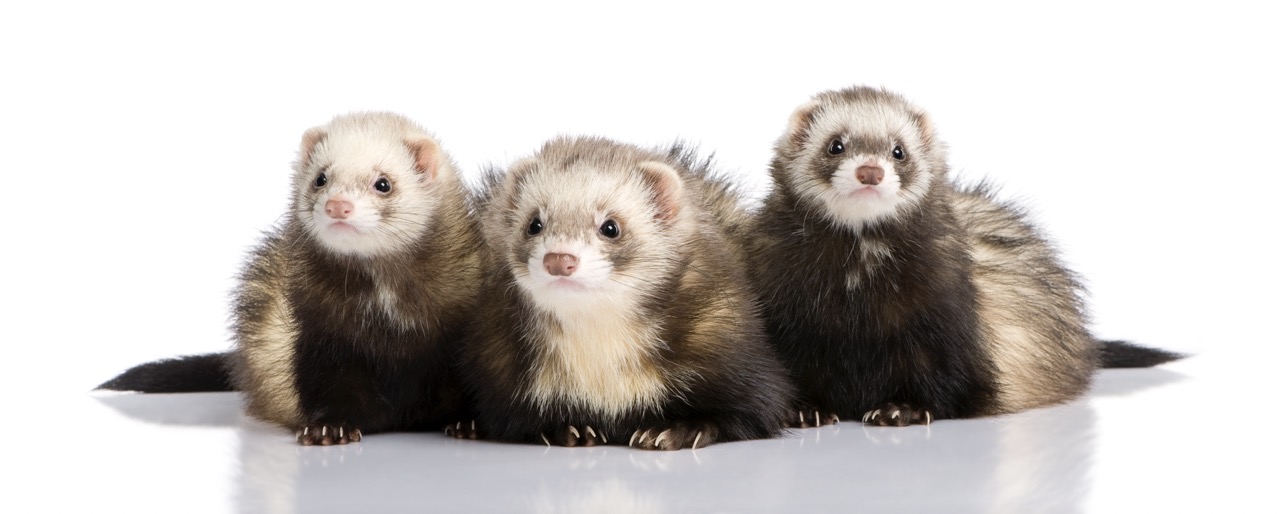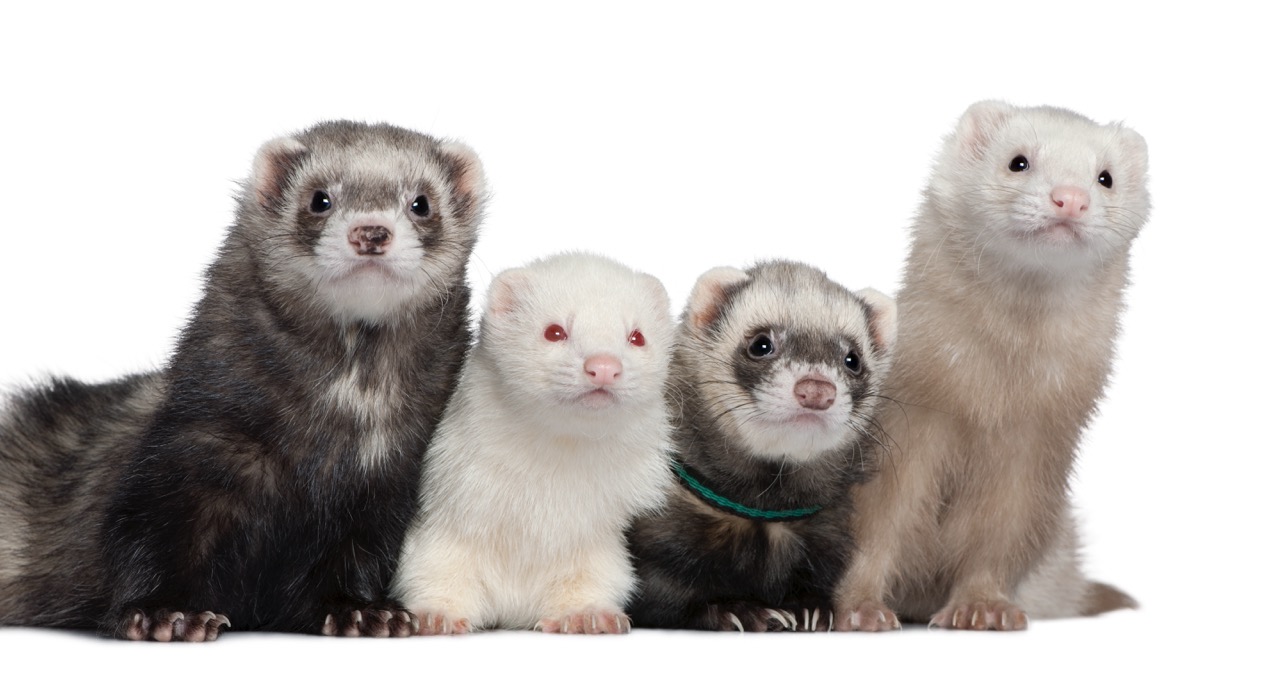





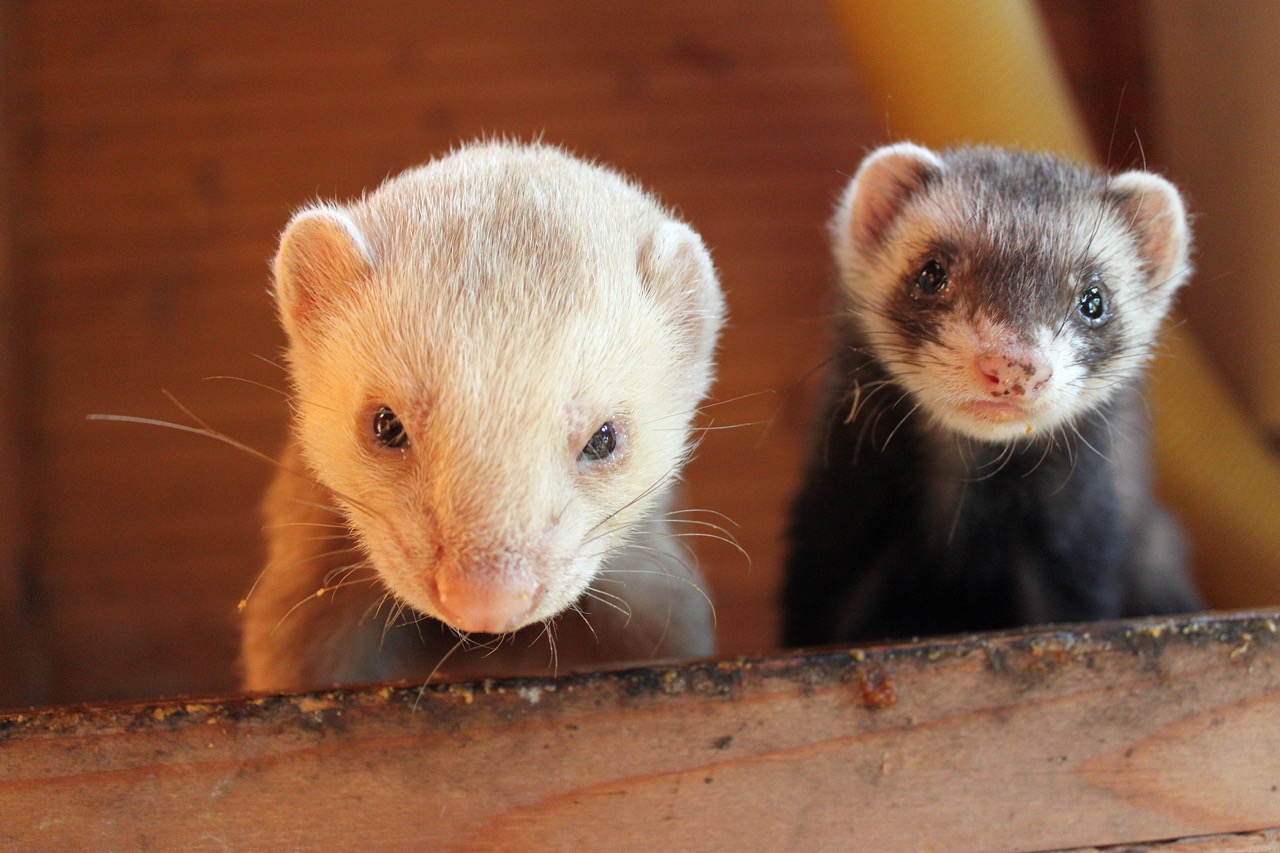
Creating a stimulating environment for your ferret is crucial to ensuring their happiness and overall well-being. Ferrets are highly social, intelligent creatures that require ample opportunities for play and exercise. Setting up the right cage can significantly enhance their playtime and help meet their exercise needs. This article will guide you through understanding your ferret’s needs, selecting the right cage, providing essential accessories, and ensuring safe playtime outside the cage.
Understanding Your Ferret’s Needs for Play and Exercise
Ferrets are naturally inquisitive and energetic animals that thrive on exploration and interaction. They require a minimum of four hours of playtime outside their cage each day, engaging in activities that stimulate their minds and encourage physical activity. This is vital not only for their physical health but also for their mental well-being. An under-stimulated ferret can become bored and develop behavioral problems, such as chewing or digging excessively.
Social interaction is another critical component of a ferret’s play and exercise routine. Ferrets are pack animals and enjoy the company of their owners and other ferrets. Regular play sessions with humans or other ferrets can help satisfy their social needs and prevent loneliness. It’s essential to observe your ferret’s behavior during playtime to understand their preferences and energy levels, adjusting their activities accordingly.
Incorporating a variety of activities is vital for keeping your ferret engaged. This can include climbing, tunneling, and chasing toys. By understanding what motivates your ferret, you can create a dynamic play environment that caters to their specific interests and needs, leading to a healthier, happier pet.
Choosing the Right Cage Size and Type for Ferrets
When selecting a cage for your ferret, size matters significantly. A multi-level cage with ample horizontal and vertical space is ideal, as it allows for climbing and exploration. A minimum cage size of 24” x 24” x 36” is recommended for one ferret, with an additional space of 12” x 12” for each additional ferret. The cage should have multiple levels or platforms to encourage climbing and provide a range of environments for your ferret to navigate.
In addition to size, cage type is crucial. Ferrets are adept at escaping, so a cage with narrow bar spacing (no more than 1 inch apart) is essential to prevent unwanted escapes. Wire cages are generally preferred for ferrets as they allow for good ventilation and are easier to clean. Ensure that the cage has a solid base to prevent injury from falling and avoid cages with plastic components that can be chewed and damaged.
Accessibility is also important when choosing a cage. Look for cages with large doors that allow you to easily reach in to clean and interact with your ferret. An ideal cage should offer a combination of security, ease of cleaning, and accessibility, providing a safe and comfortable home for your ferret when they are not out playing.
Essential Accessories for an Engaging Ferret Environment
To enhance your ferret’s cage, consider various accessories that promote engagement and activity. Tunnels, ramps, and hammocks can create diverse spaces for your ferret to explore and rest. Tunnels, in particular, satisfy a ferret’s natural instinct to burrow and hide, while ramps encourage climbing and physical exercise. Ensure that all accessories are safe, durable, and free from sharp edges that could harm your ferret.
Interactive toys are also essential for mental stimulation. Look for toys that encourage problem-solving, such as treat-dispensing puzzles, or toys that allow for chasing and pouncing. Rotating toys regularly can keep your ferret interested and engaged, preventing boredom. Additionally, consider safe chew toys to help maintain dental health and provide an outlet for natural chewing behaviors.
Lastly, bedding should be comfortable and safe. Avoid fluffy or loose bedding materials, as these can pose a choking hazard. Instead, opt for fleece or soft, washable materials that can be easily cleaned. A well-furnished, engaging environment will not only keep your ferret entertained but also promote physical activity and overall health.
Tips for Safe and Supervised Playtime Outside the Cage
Supervised playtime outside the cage is an essential component of your ferret’s exercise routine. Always ensure that playtime occurs in a safe, enclosed space free from hazards such as electrical cords, small objects that can be swallowed, and toxic plants. Consider using a designated play area, such as a room or a secure playpen, to allow your ferret the freedom to explore while minimizing risks.
During playtime, pay close attention to your ferret’s behavior. They may display signs of fatigue or overstimulation, such as excessive panting or restlessness. Provide breaks and access to fresh water to keep your ferret hydrated and comfortable. Be prepared to intervene if your ferret begins to engage in rough play or shows signs of aggression towards other pets.
Finally, use positive reinforcement to encourage desired behaviors during playtime. Praising your ferret for exploring new toys or interacting positively can help strengthen your bond and make playtime a more enjoyable experience. By creating a safe environment and engaging with your ferret during play, you can foster a strong relationship that promotes both physical and emotional well-being.
Setting up a ferret cage for play and exercise is an integral part of ensuring your ferret’s happiness and health. By understanding their needs, choosing the appropriate cage, providing essential accessories, and facilitating safe playtime, you can create a stimulating environment that allows your ferret to thrive. Remember that regular interaction and mental stimulation are key to keeping your ferret engaged and content, leading to a fulfilling life for both you and your furry companion.