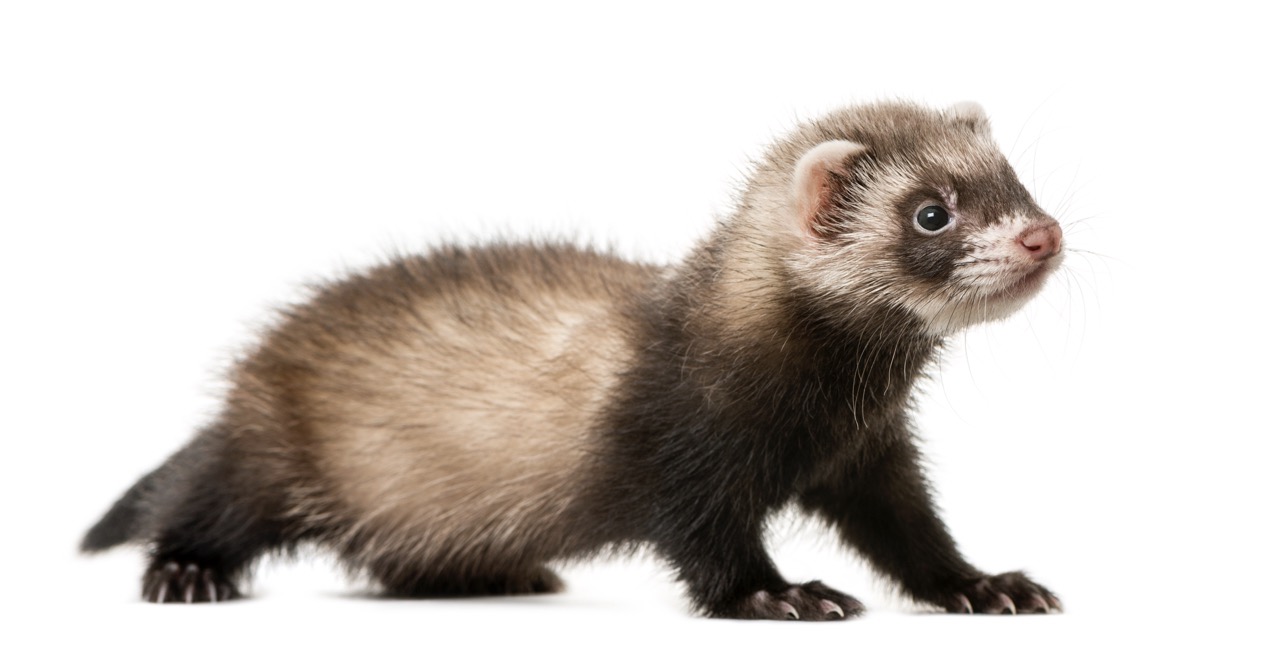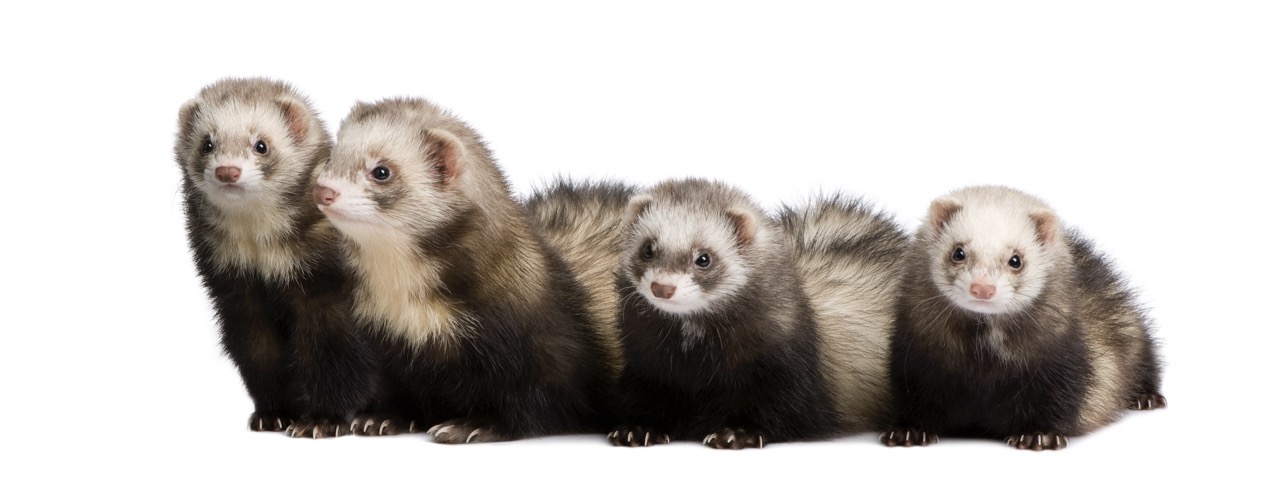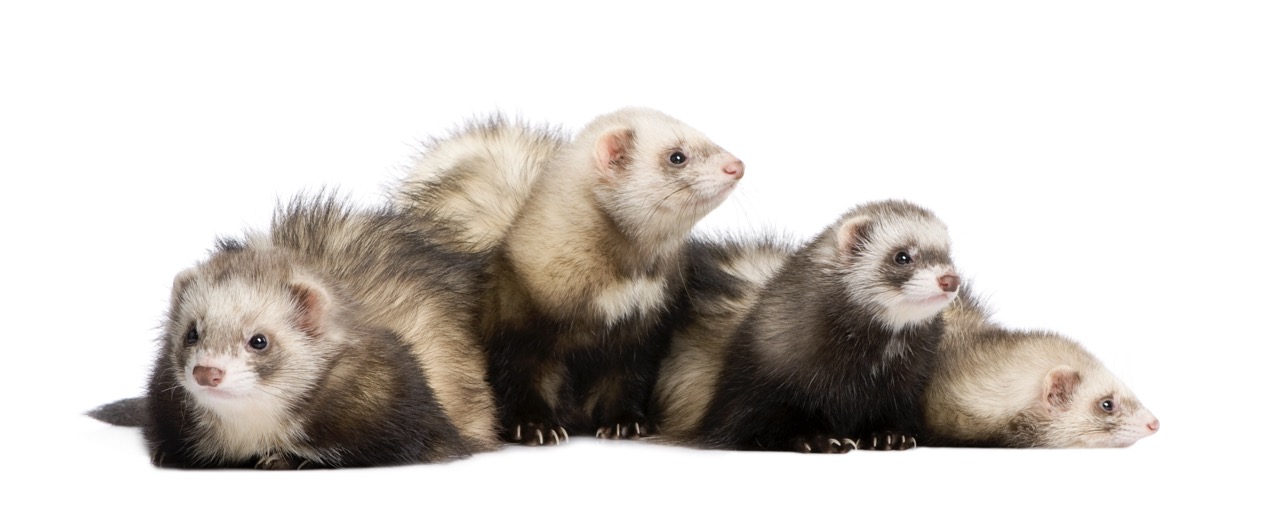





Creating homemade ferret toys is an enjoyable and rewarding activity that not only saves money but also allows you to tailor the toys to your ferret’s specific preferences. Ferrets are playful creatures, known for their curiosity and energetic behavior. To keep them entertained, it’s essential to provide a variety of stimulating toys that encourage both physical activity and mental engagement. In this article, we will explore how to make engaging ferret toys, ensuring that they are safe, durable, and fun for your furry friend.
Understanding Your Ferret’s Play Needs and Preferences
Ferrets are naturally inquisitive animals that thrive on interactive play. Understanding their play needs is crucial for creating toys that will engage their minds and help expend energy. Ferrets enjoy activities that mimic their hunting instincts, including chasing, pouncing, and hiding. Observing your ferret’s behavior can provide insight into what types of toys they prefer. For instance, some ferrets may enjoy toys that make noise, while others might favor those they can dig into or carry around.
Additionally, ferrets are social animals that often play together, so ensuring that your homemade toys can accommodate more than one ferret is a great way to encourage social interaction. Toys that allow for cooperative play or competition can help stimulate their natural instincts and keep them entertained. It’s important to rotate toys regularly to maintain your ferret’s interest and prevent boredom, as ferrets can quickly lose interest in the same items.
Lastly, every ferret has unique preferences, which can change over time. Some may prefer soft, plush toys, while others love hard, chewable items. By experimenting with different materials and designs, you can discover what excites your ferret the most. Take notes on your ferret’s reactions to various homemade toys to better understand their preferences for future projects.
Essential Materials for Crafting Safe Ferret Toys
When crafting toys for your ferret, safety should be your top priority. Start by choosing non-toxic materials that won’t pose a choking hazard or risk of injury. Common safe materials include cotton, hemp, and untreated wood. It’s essential to avoid items that include harmful chemicals, small detachable parts, or anything that could easily break off and be ingested. Always check for any frayed edges or loose threads that could be dangerous to your pet.
In addition to safe materials, consider using household items that might otherwise be discarded. Old socks, cardboard tubes, and plastic bottles can be transformed into fun toys with minimal effort. For example, you can fill a sock with crinkly paper to create a noise-making toy or cut a cardboard tube into pieces for ferrets to hide and explore. Just ensure that any item you use is ferret-friendly and won’t pose a risk during play.
Lastly, consider incorporating some interactive elements into your toys. For example, you might use a small bell inside a toy for auditory stimulation or create a puzzle toy that encourages your ferret to find hidden treats. The right materials and a bit of creativity can turn ordinary household items into engaging toys that cater to your ferret’s natural instincts.
Step-by-Step Guide to Creating Interactive Ferret Toys
One simple and effective toy you can create is a “ferret sock ball.” To make this, take an old sock and fill it with crumpled paper or soft fabric scraps. Tie a knot at the top to secure the filling, and you have an easy, chewable toy. The texture and noise from the crumpled paper will attract your ferret’s attention, encouraging them to play and explore. You can also decorate the sock with safe, non-toxic fabric markers to make it visually stimulating.
Another engaging project is a cardboard box maze. Start with a few small cardboard boxes and cut entrance and exit holes into each one. Stack the boxes to create tunnels and hide some of your ferret’s favorite treats inside. This type of toy encourages exploration and problem-solving, as your ferret will have to navigate through the maze to find the hidden rewards. Ensure that the boxes are securely taped down to prevent any collapsing or falling while your ferret is playing.
Lastly, consider making a hanging toy with wooden blocks and natural ropes. Cut small blocks of untreated wood and drill holes through the center. String them onto a sturdy rope, alternating with some fabric scraps for added texture. You can hang this toy in your ferret’s play area for them to bat at and climb on. The combination of different textures and heights keeps the play environment stimulating and encourages physical activity.
Tips for Maintaining and Cleaning Homemade Ferret Toys
To ensure your homemade ferret toys remain safe and enjoyable, regular inspection and maintenance are key. Examine the toys frequently for any signs of wear and tear, such as frayed edges, broken parts, or damage from chewing. Remove any toys that show significant signs of wear to prevent your ferret from swallowing small pieces. A proactive approach to maintenance will help keep your ferret safe during playtime.
Cleaning is equally important. Ferrets can be messy, and toys can accumulate dirt, fur, and bacteria over time. Most fabric toys can be machine-washed or hand-washed with mild soap and water. Ensure that the toys are thoroughly rinsed and dried before returning them to your ferret’s play area. For wooden toys, a simple wipe-down with a damp cloth and non-toxic cleaner should suffice. Allow them to dry completely before resuming use.
Lastly, consider rotating your ferret’s toys regularly to keep them fresh and exciting. By taking some toys away for a few days or weeks, you can reintroduce them later, which can revive your ferret’s interest. This rotation, combined with regular maintenance and cleaning, will not only enhance your ferret’s play experience but also promote better hygiene and a safer play environment.
Making homemade ferret toys can be a fulfilling way to bond with your pet while ensuring they have safe and engaging playtime options. By understanding your ferret’s play needs, using the right materials, and following a simple crafting method, you can create a variety of stimulating toys that cater to their natural instincts. Additionally, maintaining and cleaning these toys will help ensure they remain safe and enjoyable for your furry friend. Embrace your creativity, and watch your ferret thrive with the engaging toys you make for them!