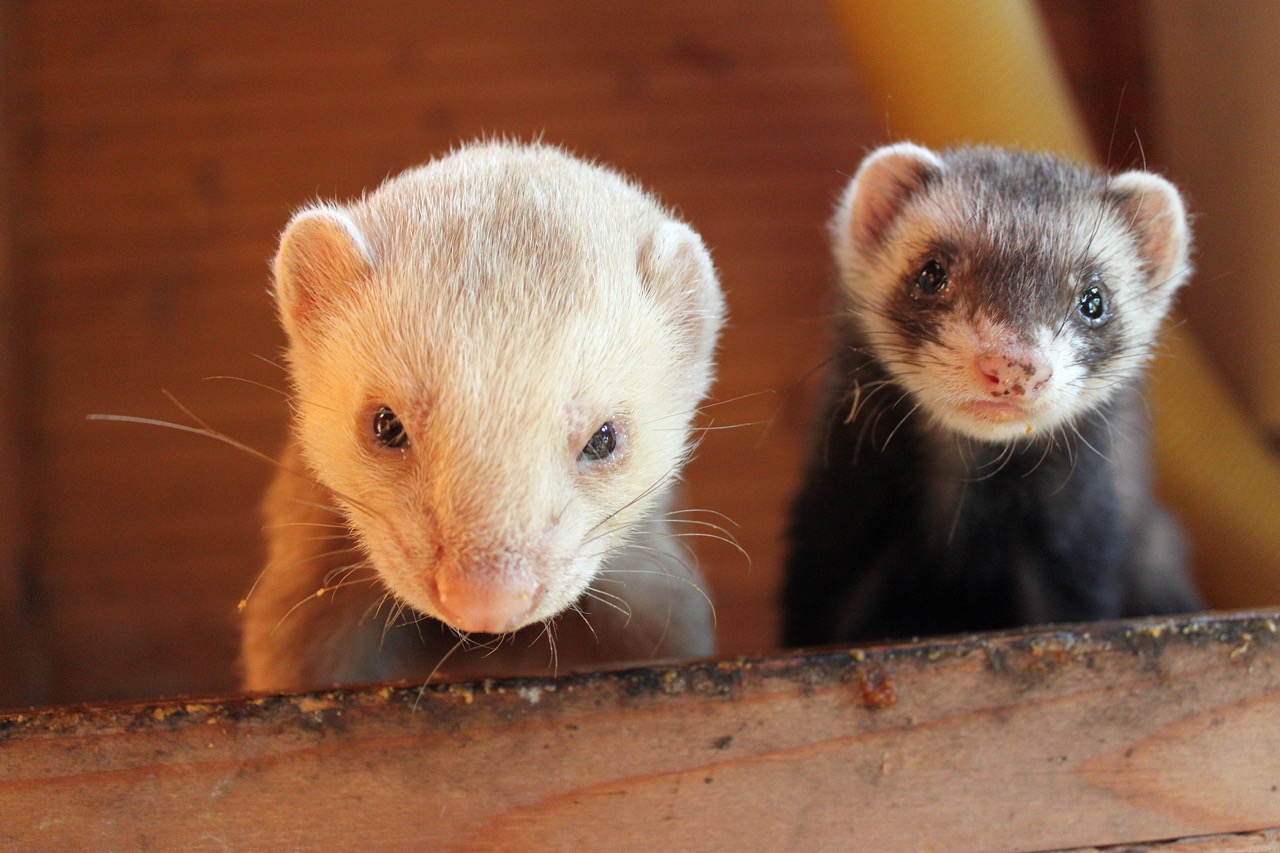





Creating an enriching environment for your ferret is essential for their overall well-being and happiness. One of the most effective ways to enhance their habitat is by adding vertical space to their cage. Ferrets are naturally curious and energetic animals that thrive in environments that allow them to explore, climb, and play. In this article, we will explore the importance of vertical space, the tools and materials needed for cage modification, a step-by-step guide to creating additional levels, and safety considerations to keep in mind during the process.
Understanding the Importance of Vertical Space for Ferrets
Vertical space is crucial for ferrets as it provides them with opportunities to exercise, play, and engage in natural behaviors. In the wild, ferrets are accustomed to climbing and exploring various terrains, and replicating this environment in captivity fosters their physical and mental well-being. A cage that includes multiple levels can help prevent boredom, reduce stress, and promote a healthier lifestyle for your ferret.
In addition to play and exercise, vertical space contributes to the overall enrichment of your ferret’s living area. Different levels can serve as separate zones for sleeping, playing, and foraging, allowing ferrets to engage in a variety of activities throughout the day. This stimulation is particularly important as ferrets are known for their inquisitive nature and need for mental engagement. By encouraging climbing and exploration, you are also helping to prevent destructive behaviors that can arise from boredom.
Furthermore, vertical space can enhance the aesthetics of your ferret’s environment. A well-structured cage with multiple levels can resemble a natural habitat, making the enclosure more visually appealing. This not only benefits your ferret but can also create an inviting atmosphere for visitors, allowing them to appreciate the unique character of these playful creatures.
Essential Tools and Materials for Cage Modification
Before modifying your ferret’s cage, it’s important to gather all the necessary tools and materials for the project. Start with a sturdy pair of wire cutters, a drill, and a measuring tape to ensure precise measurements and clean cuts. If you plan to add platforms or shelves, a saw will be required for cutting wood to the desired size. Additionally, you may need a level to ensure that the platforms are installed evenly.
In terms of materials, opt for non-toxic and sturdy items that can withstand the ferrets’ playful nature. Plywood or solid wood is an excellent choice for building shelves, as it offers durability and can support the weight of your ferrets without bending. You’ll also need brackets or corner braces to secure the shelves in place, as well as non-toxic paint or sealant to protect the surfaces and add an extra layer of safety.
Lastly, consider incorporating additional accessories such as ramps, ladders, and tunnels, which can further enhance the vertical space in your ferret’s cage. These items not only provide extra climbing opportunities but also make the enclosure more engaging and fun for your pets. Having all your tools and materials ready before starting will help streamline the modification process and ensure a successful outcome.
Step-by-Step Guide to Adding Levels and Platforms
To begin adding vertical space to your ferret’s cage, first, measure the available area to determine how many additional levels you can include. Consider the height and width of the cage, as well as your ferrets’ climbing abilities, to design a layout that maximizes the space. Once you have a plan in place, sketch it out to visualize the arrangement of platforms, ramps, and any other features you wish to include.
Next, cut the wood for the platforms according to your measurements. Sand any rough edges to prevent injuries to your ferrets. Securely attach the platforms to the cage using brackets or corner braces, ensuring they are level and stable. You may want to use multiple attachment points for larger platforms to enhance stability further. If you are adding ramps, ensure they are not too steep, allowing your ferrets to climb safely from one level to another.
After assembling the platforms and ramps, test their stability by applying gentle pressure before allowing your ferrets access. Once you are satisfied with the modifications, introduce your ferrets to their newly enhanced living space. Observe their behavior as they explore the new vertical elements and adjust any features if necessary to ensure they feel comfortable and secure in their upgraded environment.
Safety Considerations When Modifying Ferret Enclosures
When modifying your ferret’s cage, safety should always be a top priority. Begin by selecting materials that are non-toxic and safe for pets. Avoid using wood that has been treated with chemicals or paints that could be harmful if ingested. Additionally, check that any materials you use are sturdy enough to support your ferrets without bending or breaking under their weight.
It is also important to ensure that there are no sharp edges or protruding screws that could injure your ferrets. Sand down any rough surfaces and cover sharp edges with safe materials to minimize the risk of cuts or scrapes. When installing platforms, make sure they are securely anchored to prevent any accidents or falls that could result from instability.
Lastly, regularly inspect the modifications you make to your ferret’s cage. Ferrets are playful and curious creatures, and they may test the limits of their environment. Check for wear and tear, and address any issues immediately. By prioritizing safety during the modification process, you can create a secure and stimulating environment for your ferrets to thrive in.
Adding vertical space to your ferret’s cage is a worthwhile investment that enhances their quality of life. By understanding the importance of vertical space, gathering the right tools and materials, following a step-by-step guide for modifications, and ensuring safety throughout the process, you can create an enriching environment that caters to your ferret’s natural instincts. A well-structured cage not only promotes exercise and mental engagement but also allows you to enjoy the playful and curious nature of your ferrets as they explore their upgraded habitat.