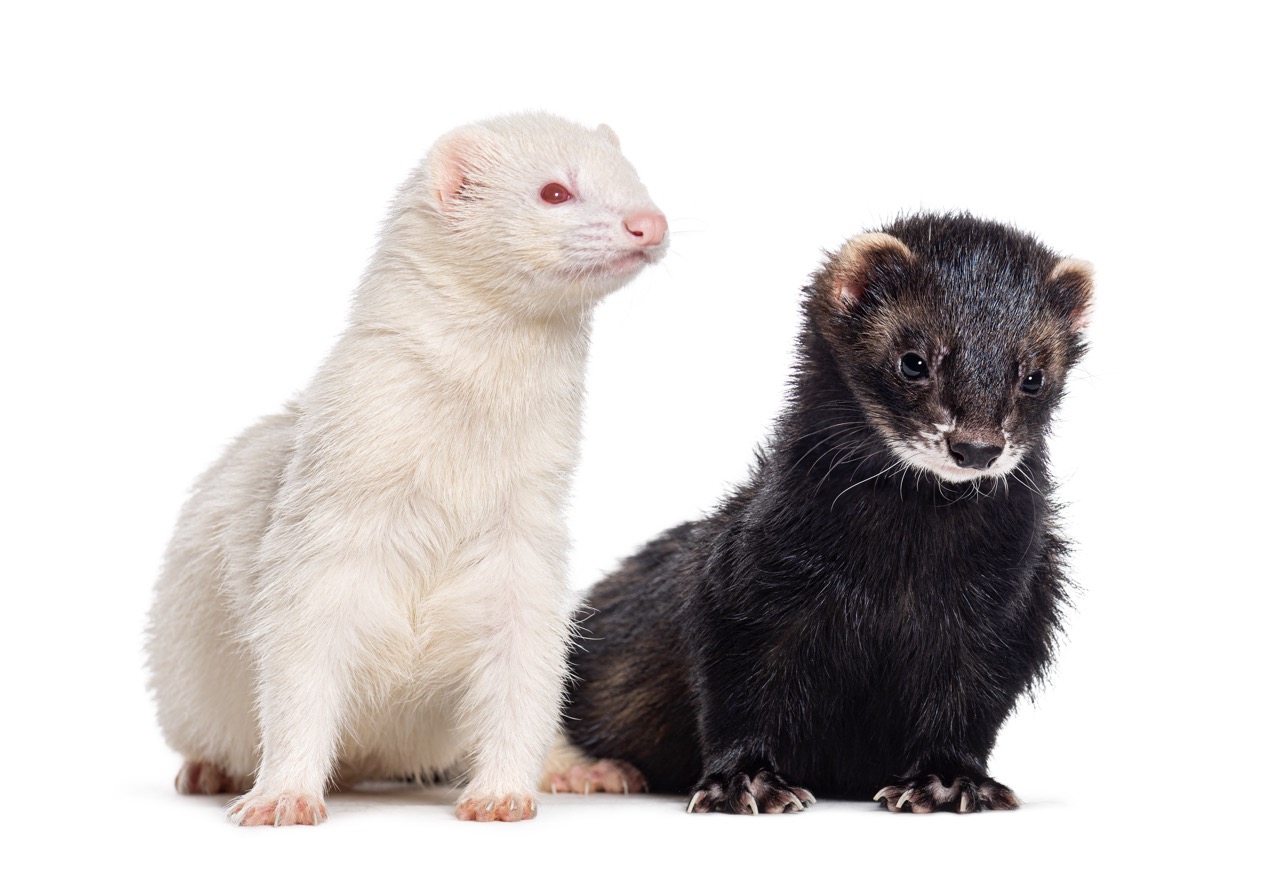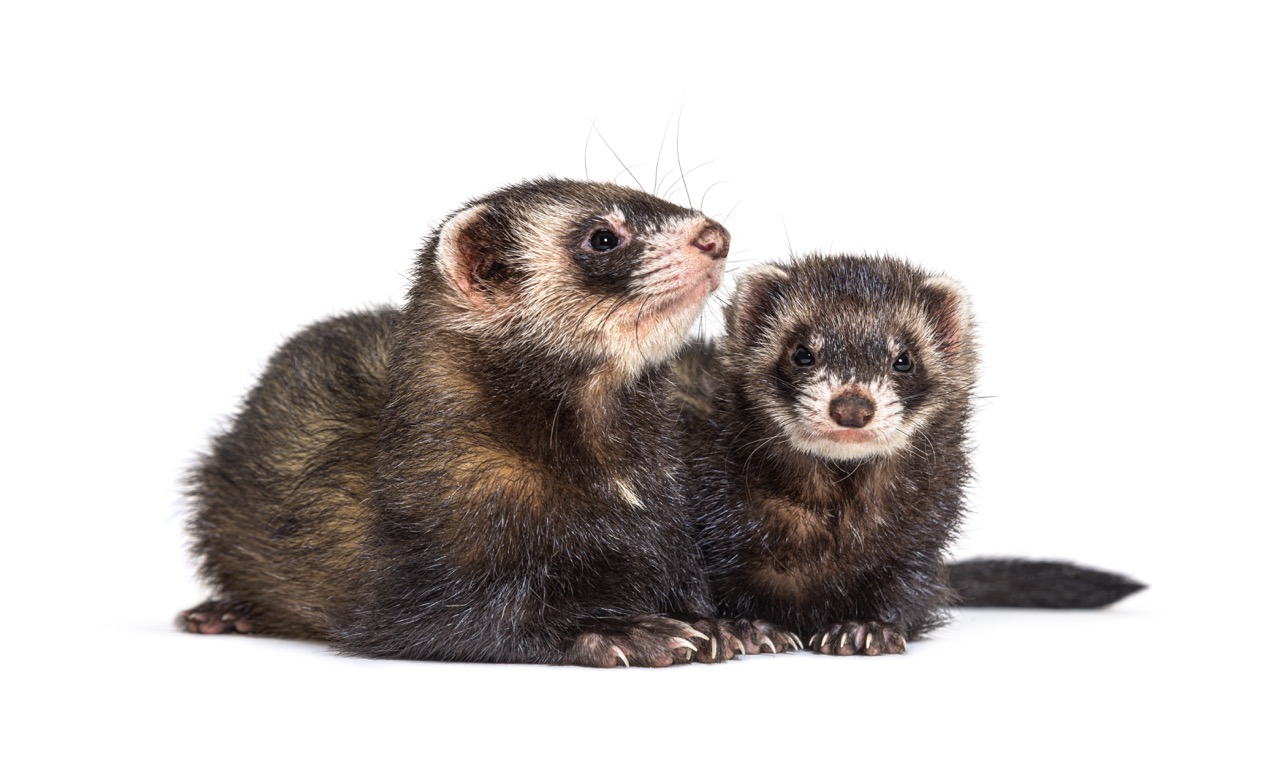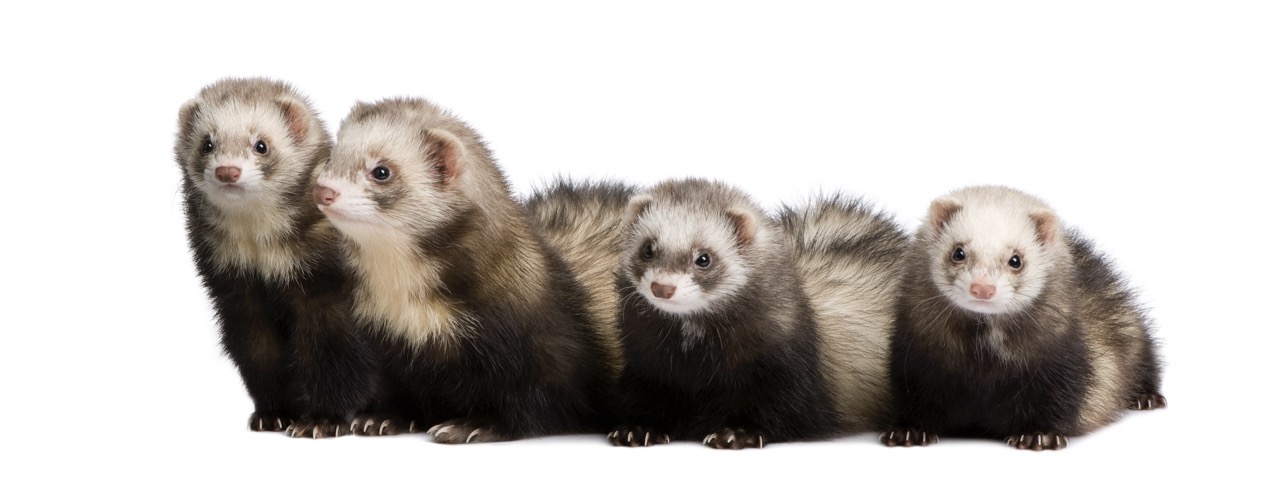






Ferrets are fascinating creatures known for their playful, inquisitive nature and remarkable agility. Their paws, often overlooked, play a crucial role in their ability to manipulate objects and navigate different terrains. The anatomy of a ferret’s paw is uniquely adapted for grasping and climbing, making these small mammals exceptional climbers and explorers. In this article, we will delve into the structure and function of ferret paws, their grasping and climbing techniques, and the implications of their paw behavior for proper care.
The Anatomy of a Ferret’s Paw: Structure and Function
Ferrets possess a highly specialized paw structure that contributes to their dexterity. Each paw comprises five toes equipped with sharp claws, which are essential for gripping surfaces and providing stability. The toes are flexible and allow a wide range of motion, enabling ferrets to manipulate objects with precision. The combination of their soft pads and sharp claws allows them to maintain traction while climbing and grasping.
The skeletal structure of a ferret’s paw includes several small bones that enhance their agility. These bones enable an intricate range of movements, allowing ferrets to curl their toes around objects effectively. The tendons and muscles in their paws are also well-developed, providing the strength necessary for grasping lightweight items, such as toys or climbing surfaces. This anatomical design supports their natural instincts and behaviors, making them adept at both exploration and play.
Additionally, ferrets have a unique sensory capability in their paws. The pads are rich in nerve endings, allowing them to feel their environment acutely. This heightened sensitivity enables ferrets to assess surfaces and objects before interacting with them, ensuring they choose the safest and most effective grip. Understanding the anatomy of a ferret’s paw is essential for appreciating their remarkable capabilities in grasping and climbing.
Grasping Techniques: How Ferrets Use Their Paws Effectively
Ferrets employ various techniques to grasp objects, showcasing their dexterity and intelligence. One common technique involves using their front paws to hold or manipulate items. Their ability to use both paws independently allows them to perform tasks such as rolling a ball or holding onto a toy while exploring their environment. This dexterity is a significant factor in their playful nature, as they often engage in activities that require fine motor skills.
Moreover, ferrets utilize their claws effectively to enhance their grasping ability. When attempting to pick up small objects, ferrets will often extend their claws to dig into the surface, ensuring a secure grip. This action is particularly evident when they are playing with toys or foraging for treats. Their clawed grip not only helps them secure items but also provides stability while they engage in more dynamic movements, such as jumping or turning.
In addition to their physical techniques, ferrets exhibit problem-solving behaviors that reflect their intelligent use of paws. They can figure out how to manipulate objects to achieve a goal, such as opening a latch or pulling a toy from a hard-to-reach spot. This cognitive aspect of their grasping technique highlights the importance of their paws in not just physical tasks but also in their overall interaction with their environment.
Climbing Strategies: Ferrets in Their Natural Habitats
In the wild, ferrets are adept climbers, utilizing their paws to navigate diverse landscapes. Their climbing strategy often involves using their sharp claws to gain traction on rough surfaces, such as tree bark or rocky outcrops. Ferrets have been observed climbing trees in search of food or to escape predators, showcasing their ability to use their paws in a variety of environments effectively.
When climbing, ferrets employ a combination of their front and back paws, utilizing their strong leg muscles for propulsion. The elasticity of their limbs allows for agile movements, making it easy for them to ascend or descend with grace. This adaptability is vital for their survival, as it facilitates access to food sources and safe resting spots away from threats.
Moreover, their climbing behavior is often accompanied by a playful attitude, as ferrets enjoy engaging in exploration and play. They may climb to high surfaces, not just for practical reasons but also for the thrill it provides. This behavior underscores the importance of providing climbing opportunities in captivity, as it allows ferrets to express their natural instincts and maintain physical health.
Implications for Care: Understanding Ferret Paw Behavior
Understanding the behavior of ferrets regarding their paws is essential for providing appropriate care. Owners should be aware that ferrets require safe environments that accommodate their climbing and grasping tendencies. This includes providing climbing structures, toys that encourage manipulation, and opportunities for exploration. By creating a stimulating environment, owners can promote both physical and mental well-being in their ferrets.
Regular monitoring of a ferret’s paws is also critical for their health. Owners should inspect their ferrets’ paws for any signs of injury or wear, particularly around the claws and pads. Maintaining proper nail length is essential, as overly long claws can lead to discomfort and hinder a ferret’s ability to climb and grasp effectively. Additionally, providing surfaces that allow for natural paw wear can help maintain their overall paw health.
Lastly, understanding paw behavior can improve the bond between ferrets and their owners. Engaging in activities that encourage paw use, such as interactive play, can enhance the relationship and provide mental stimulation. By recognizing and catering to their natural behaviors, ferret owners can ensure their pets thrive in a loving and enriched environment.
In conclusion, ferrets display remarkable dexterity and climbing ability through their well-designed paws. Their unique anatomy enables them to grasp and manipulate objects effectively, contributing to their playful nature and survival in the wild. Understanding the techniques and behaviors associated with their paws is essential for ferret owners, ensuring the provision of an environment that accommodates their natural instincts. By fostering opportunities for exploration and play, owners can enhance the overall well-being of their ferrets, leading to a fulfilling life for these charming creatures.