




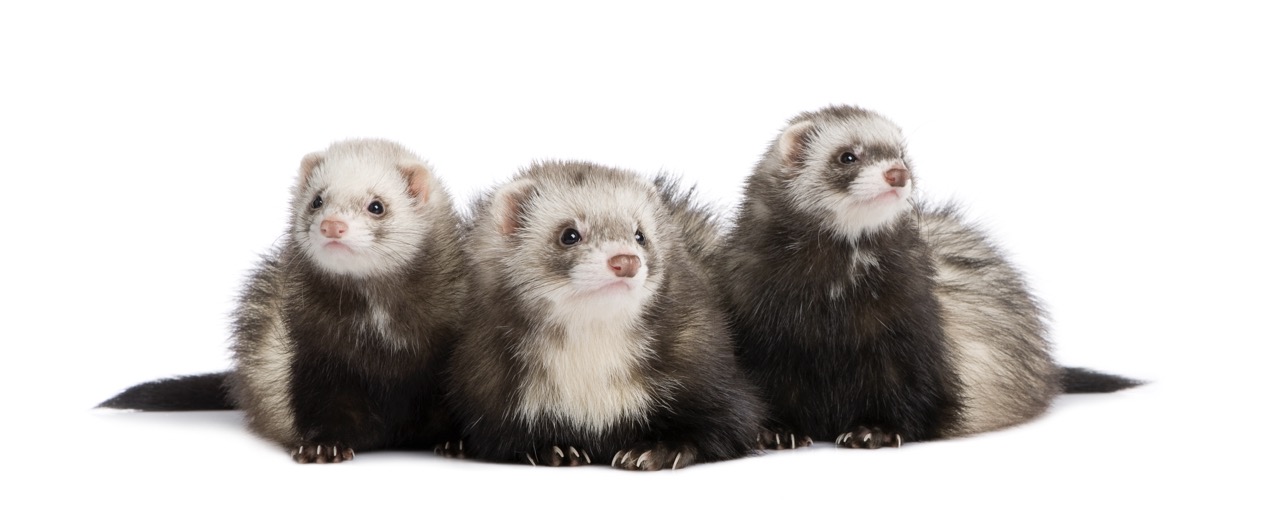
Ferrets are often celebrated for their playful demeanor and mischievous antics, but one of their most notable traits is their ability to escape from enclosures. Their inherent agility and curiosity often lead to escapades that can surprise even the most diligent pet owners. Understanding the biological and behavioral factors that contribute to their escapist tendencies can provide valuable insights into their care and management. This article delves into the unique anatomy of ferrets, their flexibility, their behavioral traits, and the environmental factors that encourage their adventurous spirit.
Understanding the Unique Anatomy of Ferrets and Their Escape Skills
Ferrets belong to the weasel family and possess a distinct anatomical structure that facilitates their remarkable escape abilities. Their elongated bodies and short legs allow them to squeeze through tight spaces with ease. An average ferret’s body can compress significantly, enabling them to navigate through openings as small as two inches in diameter. This unique feature is a significant evolutionary adaptation that not only aids in hunting but also contributes to their propensity for escape.
The flexibility of a ferret’s spine further enhances its ability to maneuver through various obstacles. Unlike many other mammals, a ferret’s spine contains more vertebrae, providing an increased range of motion. This flexibility allows ferrets to twist and turn their bodies in ways that make it challenging for them to be contained. When faced with barriers, their ability to contort their bodies means that even small gaps can become potential escape routes.
Additionally, ferrets have a strong sense of balance and coordination. Their physical prowess is complemented by their keen spatial awareness, enabling them to assess their environment quickly and identify potential escape paths. Whether it is climbing, digging, or squeezing through, ferrets are biologically equipped to evade confinement. Understanding these anatomical traits is vital for pet owners seeking to keep their ferrets safe and secure.
The Role of Ferret Flexibility in Evasion Tactics
One of the most striking features of ferrets is their remarkable flexibility, which plays a pivotal role in their escape tactics. Ferrets have a unique musculoskeletal structure that allows them to twist and turn their bodies in ways that many other animals cannot. This adaptability means that they can navigate through obstacles, such as furniture or enclosures, that might otherwise impede their progress. A ferret’s ability to alter its position mid-movement enables it to outmaneuver barriers effectively.
Moreover, this flexibility aids in their climbing abilities. Ferrets are natural climbers, and their agile bodies enable them to ascend vertical surfaces with surprising ease. With the help of their sharp claws, ferrets can scale furniture, cages, and other structures that might be deemed escape-proof. For ferret owners, this means that any enclosure must be designed with an understanding of a ferret’s climbing capabilities, ensuring that walls are high enough and surfaces are not easily climbable.
In combination with their agility, the ferret’s flexible body allows for rapid acceleration and sudden changes in direction. When they sense danger or an opportunity to escape, ferrets can quickly pivot and dart away, making them elusive. This agility not only aids in physical escape but also enhances their ability to engage in playful behaviors that mimic their natural instinct to hunt and evade predators.
Behavioral Traits: Curiosity Driving Ferret Escapism
Curiosity is one of the defining behavioral traits of ferrets and significantly contributes to their escapist tendencies. Ferrets are known for their inquisitive nature, often exploring their surroundings with enthusiasm. This innate curiosity drives them to investigate every nook and cranny, leading them to discover potential escape routes that a less inquisitive pet might overlook. Their instinct to explore can sometimes overshadow their sense of danger, prompting them to take risks in pursuit of new experiences.
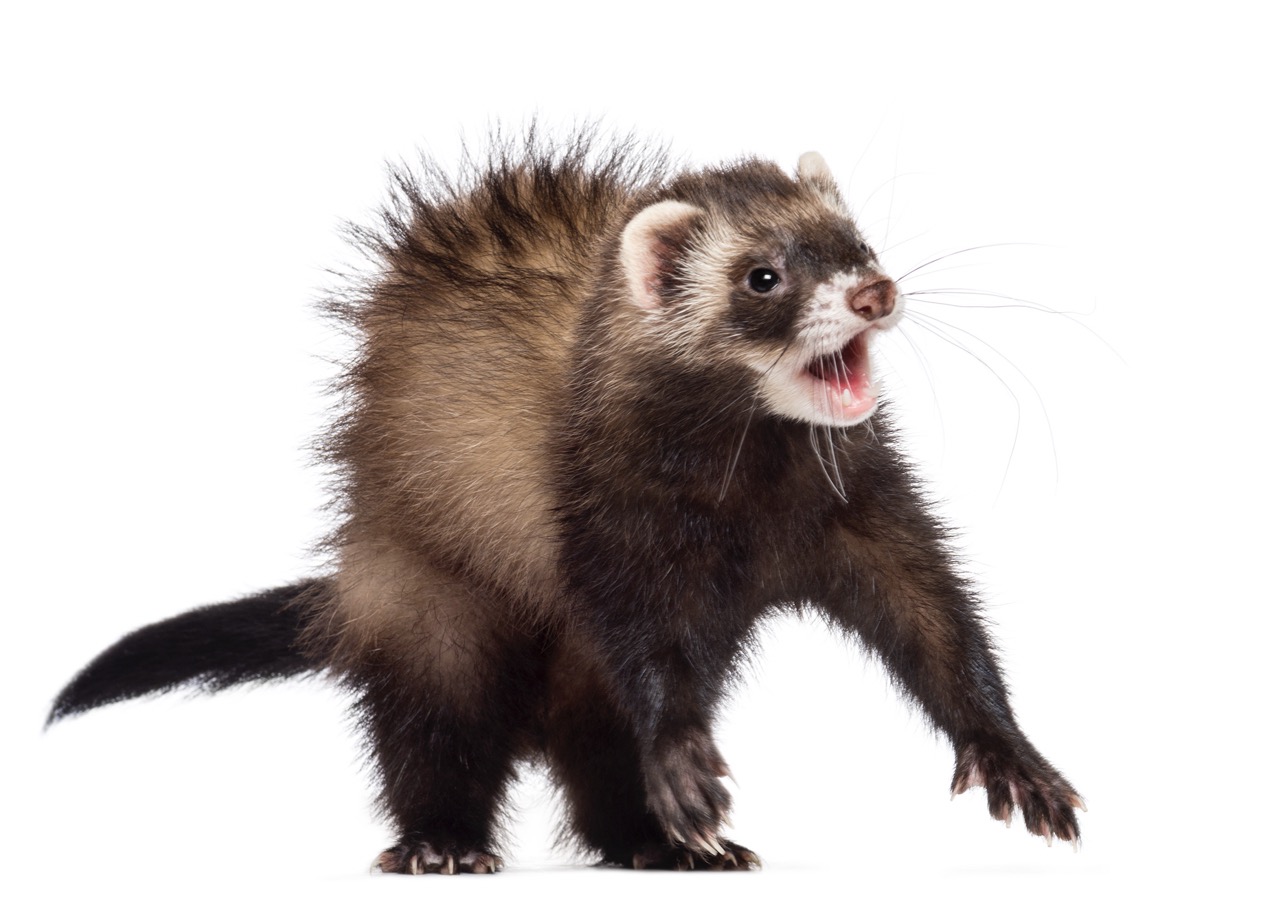
Furthermore, ferrets engage in a behavior known as “dooking,” a joyful expression of excitement that often accompanies their explorations. This playful behavior can be a signal for their owners to provide more stimulation, as a bored ferret may resort to escape attempts in search of entertainment. This desire to roam and explore highlights the importance of providing ferrets with enriching environments that encourage their natural instincts without compromising their safety.
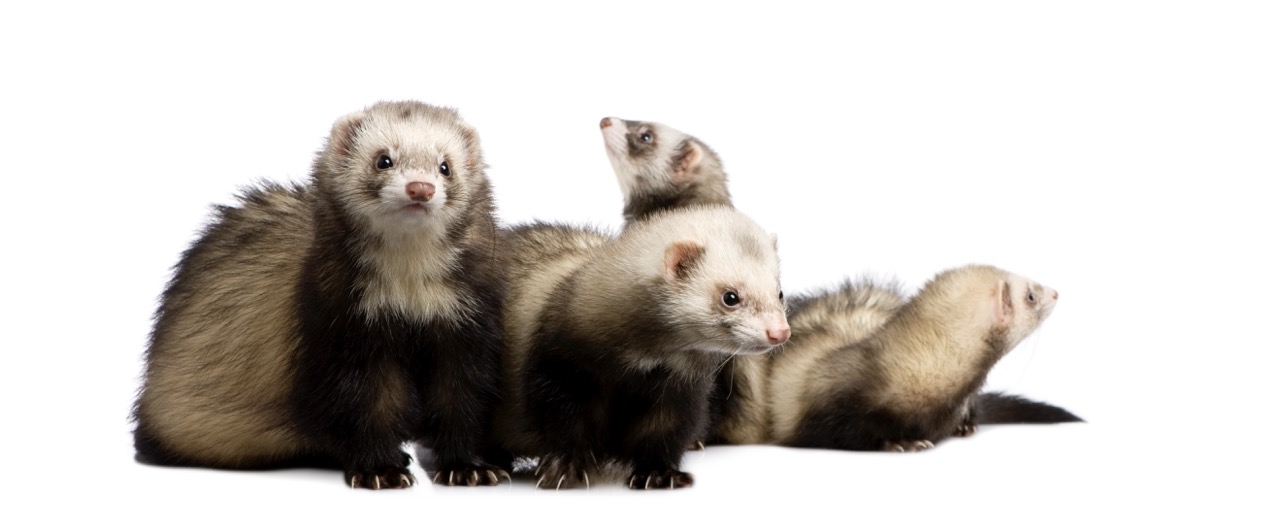
Social creatures by nature, ferrets thrive on interaction and engagement with both humans and other animals. Their desire for companionship often drives them to seek out new environments where they can interact with others. In a confined space, this need can lead to escape as they search for more stimulating environments or social interactions. Understanding this behavioral trait is essential for pet owners to create engaging and secure spaces that satisfy their ferrets’ curiosity while minimizing the risk of escape.
Environmental Factors That Encourage Ferrets to Escape
The environment in which a ferret lives plays a crucial role in influencing its escapist behavior. Ferrets are naturally active and need ample room to roam and explore. When confined to small cages or limited spaces, they may become frustrated, leading them to devise methods of escape. An environment that lacks enrichment can exacerbate this tendency, as ferrets search for stimulation outside their enclosures.
Moreover, the presence of potential escape routes can further entice ferrets to make an attempt. If a ferret can see through gaps, holes, or even unsecured doors, their curiosity and agility will often compel them to explore what lies beyond. Pet owners must regularly inspect their living spaces for gaps in fencing, unsecured doors, or other potential exits to prevent escape attempts. Creating a secure environment is vital in reducing the temptation for a ferret to venture beyond the confines of its home.
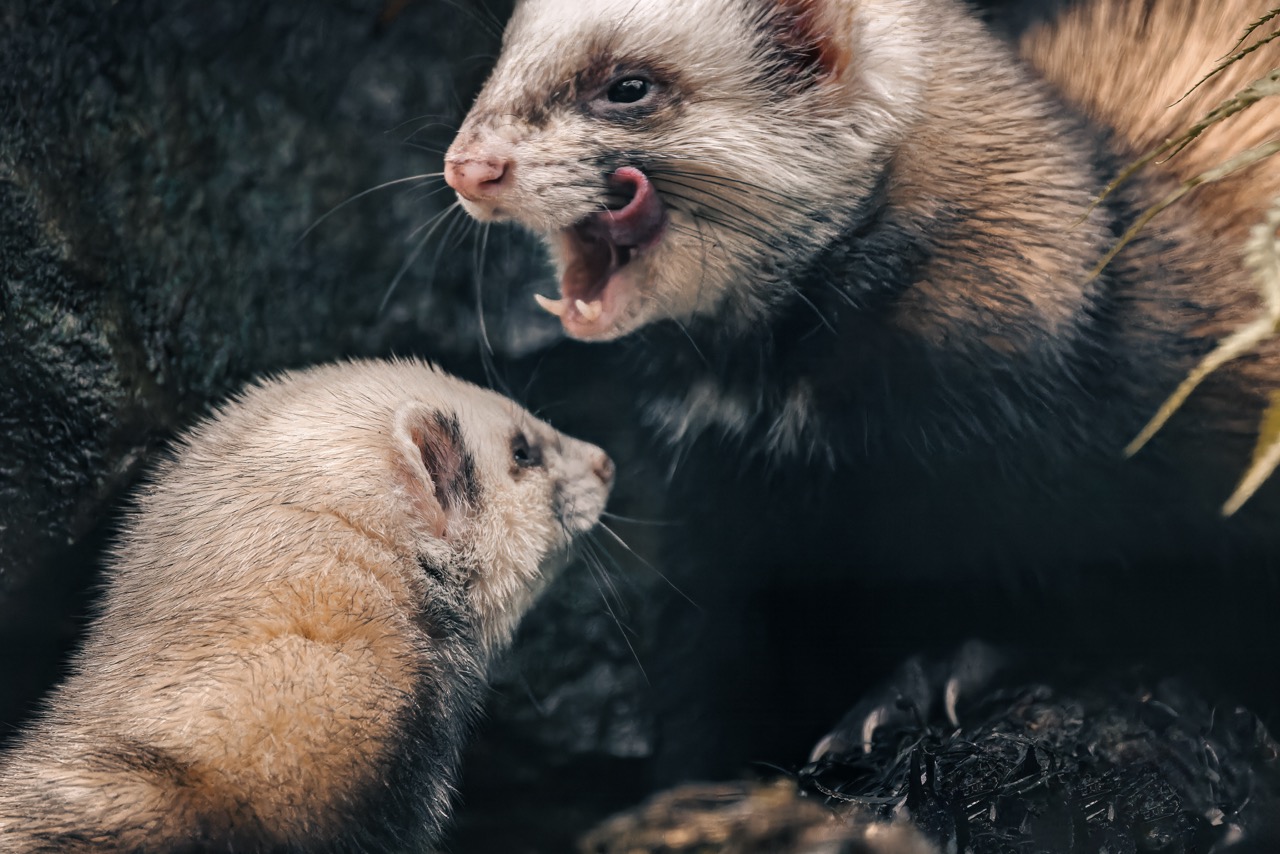
In addition to physical barriers, the social dynamics in a ferret’s environment can also influence its propensity to escape. Ferrets are social animals that thrive on interaction. If they are isolated or not given adequate opportunities to play and socialize, they may become more inclined to seek out other ferrets or companions outside their enclosure. Providing a stimulating and secure living environment is essential for mitigating escape behavior and ensuring the well-being of these lively creatures.
In conclusion, ferrets are natural escapists, driven by a combination of unique anatomical features, flexibility, curiosity, and environmental influences. Their ability to navigate tight spaces and their playful nature make them adept at finding ways to escape confinement. Understanding these factors can help pet owners create suitable environments that cater to their ferrets’ instincts while minimizing the risk of escape. By fostering a safe and enriching atmosphere, ferret owners can ensure their pets remain both happy and secure.