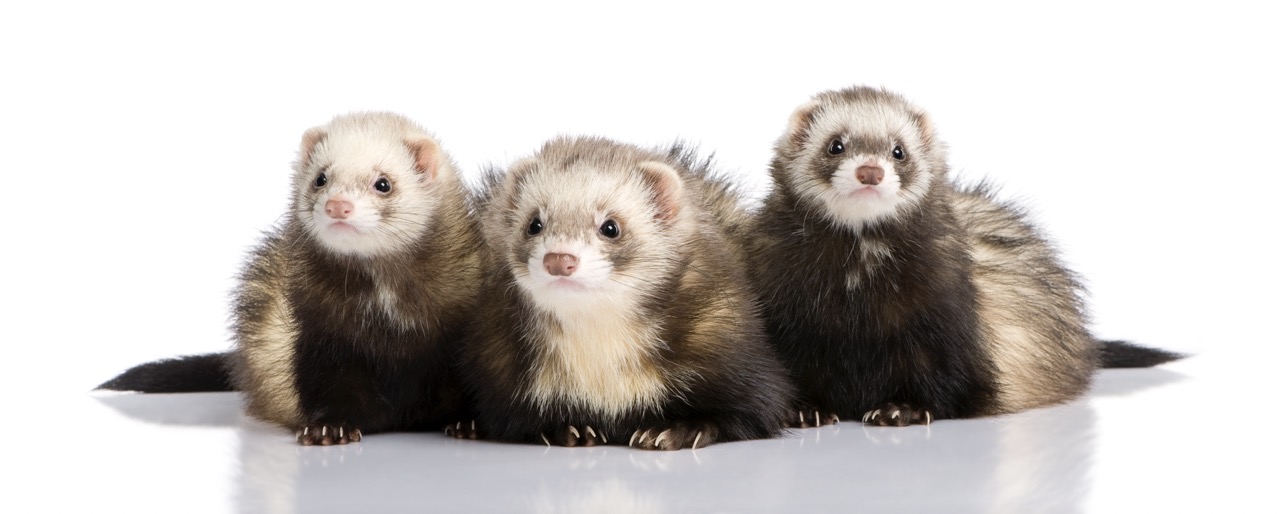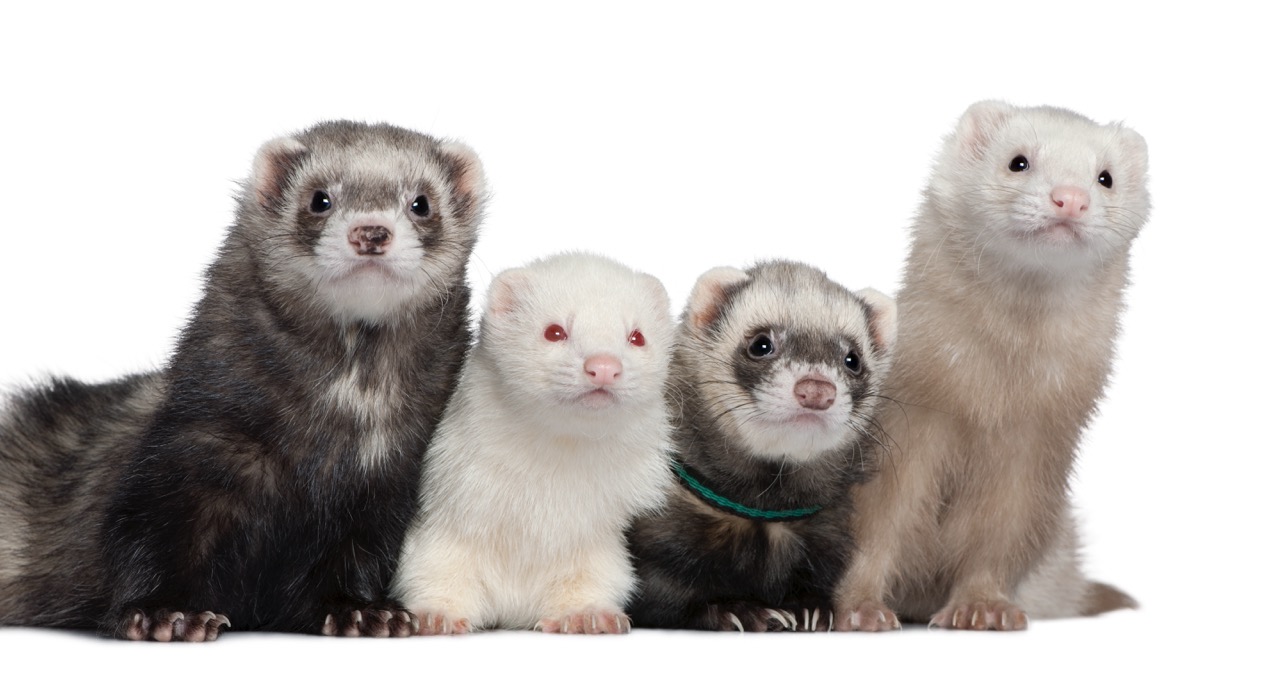




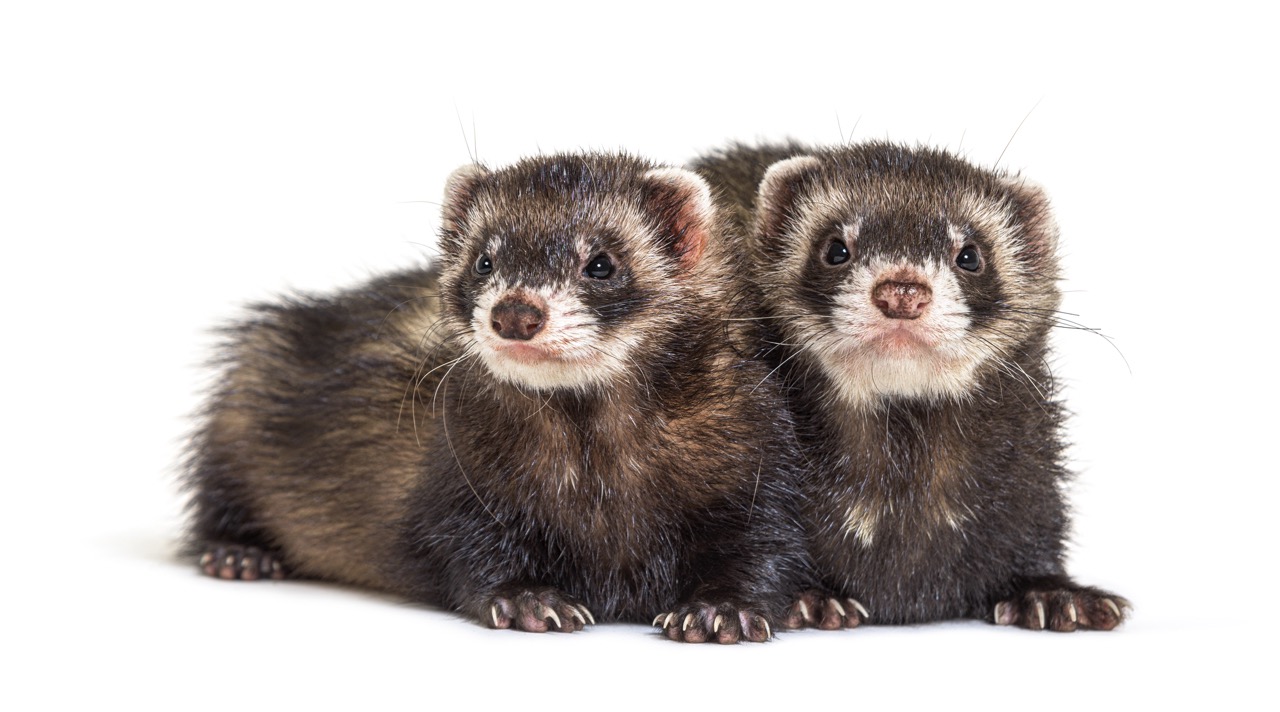
Ferrets are fascinating creatures with unique biological traits that significantly influence their dietary requirements. As obligate carnivores, their nutritional needs differ sharply from those of other domesticated animals. Understanding the biology of ferrets is crucial for providing them with a balanced diet that promotes their health and well-being. This article explores the essential aspects of ferret biology, their digestive system, nutritional needs, and common dietary pitfalls that ferret owners should avoid.
Understanding Ferret Biology: Key Factors in Nutrition
Ferrets belong to the weasel family, Mustelidae, and have evolved as specialized hunters. Their biology is characterized by a high metabolic rate, which means they require a diet that is rich in protein and fat. Unlike omnivores, ferrets cannot effectively process carbohydrates, making it essential to focus on high-quality animal protein sources. A ferret’s metabolic system is adapted to utilize amino acids from animal tissues rather than plant-based proteins, underscoring the importance of understanding their dietary requirements.
Additionally, ferrets have a short and simple gastrointestinal tract that reflects their carnivorous diet. With a digestive transit time of around three to four hours, ferrets require frequent meals to meet their nutritional needs. This biology emphasizes the importance of feeding them multiple small meals throughout the day rather than one or two large portions. A diet that aligns with their biological makeup not only supports their energy levels but also contributes to their overall health.
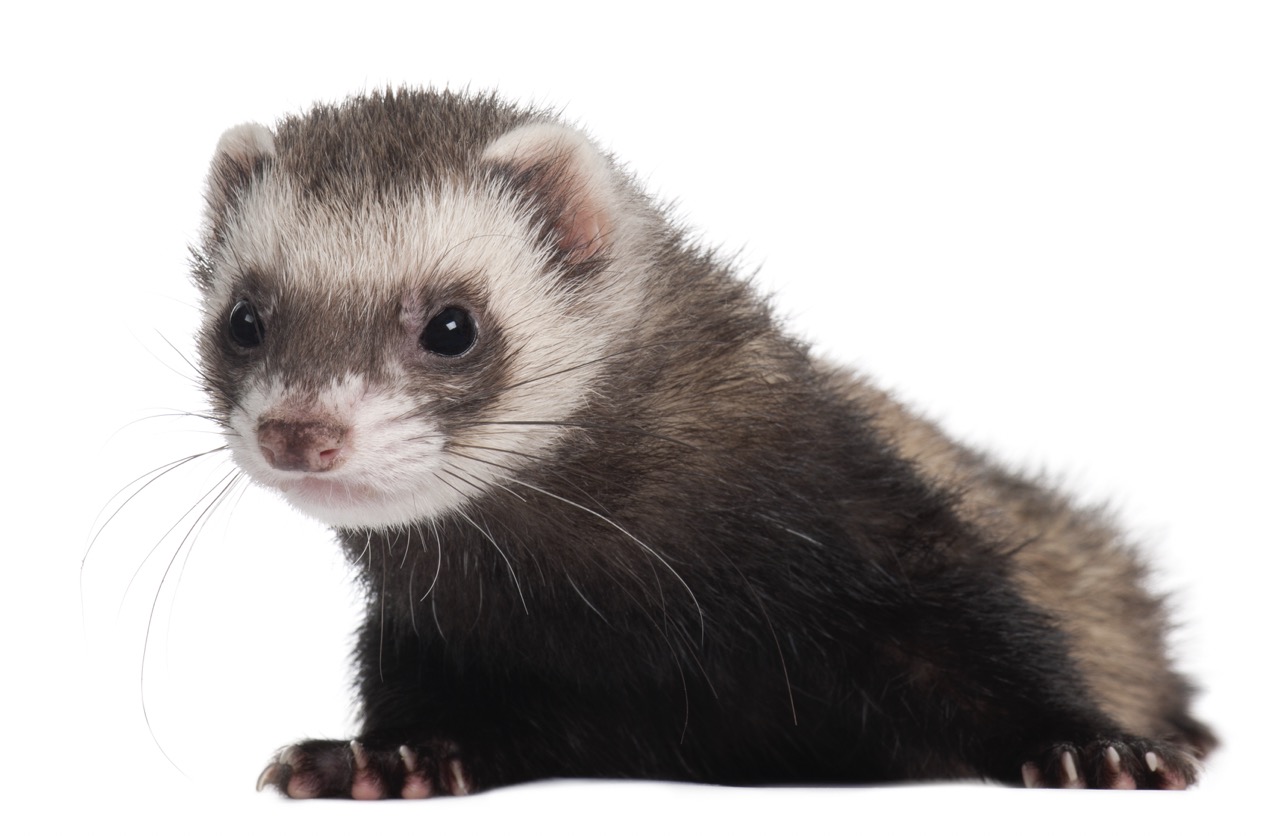
Lastly, the anatomical structure of ferrets, particularly their teeth and jaws, is designed for tearing and consuming meat. They possess sharp canine teeth that are effective for grasping and chewing flesh, further indicating their evolutionary specialization as carnivores. Understanding these key factors is crucial for pet owners to ensure that their ferrets receive an appropriate and balanced diet that reflects their unique biology.
Digestive System of Ferrets: Unique Adaptations Explained
The digestive system of ferrets is uniquely adapted to a carnivorous diet. Unlike herbivores that have complex stomachs designed to break down fibrous plant material, ferrets possess a single-chambered stomach that is relatively small. This simple digestive structure allows for the quick processing of high-protein foods. The short length of their intestines, which is about three to four times the length of their body, further supports rapid digestion and nutrient absorption.
Ferrets also lack a cecum, which is commonly found in many herbivorous and omnivorous species. The cecum plays a vital role in fermenting plant material and absorbing nutrients, but in ferrets, its absence indicates that they do not have the capacity to digest carbohydrates effectively. Consequently, diets high in grains or vegetables can lead to digestive issues such as diarrhea and nutrient deficiencies. Understanding this unique adaptation is essential for choosing appropriate food options for ferrets.
To support their digestive health, it is crucial to provide ferrets with high-quality, easily digestible protein sources. Foods that contain raw or freeze-dried meats, organ meats, and animal fats are optimal, as they closely resemble the natural prey that ferrets would consume in the wild. This not only aligns with their biological design but also promotes healthy digestion, ensuring that ferrets receive the essential nutrients they require for optimal well-being.
Essential Nutrients: What Ferrets Need for Optimal Health
For ferrets to thrive, their diet must include specific essential nutrients that cater to their biological needs. The primary focus should be on providing high-quality animal protein, which should represent at least 30-40% of their diet. This is crucial for muscle development, energy production, and overall health. Ferrets also require a significant fat content, ideally comprising about 15-20% of their diet, as fats are vital for energy and support healthy skin and coat.
In addition to protein and fat, certain vitamins and minerals are essential for ferrets. They need a source of vitamin A, which is critical for maintaining healthy vision and immune function. Ferrets require taurine, an amino acid important for heart health and reproductive functions, which is primarily found in animal tissues. Furthermore, calcium and phosphorus are necessary for strong bones and teeth, and an appropriate balance of these minerals is crucial to preventing metabolic bone disease.
Water is another vital component of a ferret’s diet. Ferrets have high water needs due to their active metabolism, and dehydration can lead to serious health issues. Fresh, clean water should always be available to keep them hydrated. Understanding these essential nutrients and ensuring that ferrets receive a balanced diet rich in proteins, fats, vitamins, and minerals is key to their long-term health and vitality.
Common Dietary Mistakes: Ensuring Proper Nutrition for Ferrets
One of the most common dietary mistakes ferret owners make is feeding them a diet too rich in carbohydrates. Many commercial pet foods contain grains, fruits, and vegetables, which can lead to gastrointestinal problems and obesity in ferrets. Since they are obligate carnivores, their digestive systems are not designed to process these ingredients. Instead, owners should prioritize meat-based diets specifically formulated for ferrets or those that mimic their natural prey.
Another prevalent error is underestimating the importance of protein quality. Not all protein sources are created equal; some may contain fillers or by-products that offer little nutritional value. Owners should look for high-quality ferret food that lists animal protein as the first ingredient. High-fat content is also essential, as low-fat diets can lead to energy deficiencies and affect overall health. Understanding the significance of protein and fat quality is crucial in preventing nutritional deficiencies.
Lastly, feeding habits play a significant role in a ferret’s diet. Many owners may not provide enough meals throughout the day, relying instead on one or two large feedings. This can lead to overeating or undernutrition, as ferrets require smaller, more frequent meals to meet their energy needs. Adopting a feeding schedule that includes several small meals daily can help maintain their energy levels and promote better digestive health. By avoiding these common dietary mistakes, ferret owners can enhance their pets’ quality of life.
In conclusion, understanding the biology of ferrets is fundamental to meeting their nutritional needs effectively. Their unique digestive system and dietary requirements necessitate a diet that is high in quality animal protein and fat while avoiding carbohydrates. By recognizing the essential nutrients ferrets need and steering clear of common dietary mistakes, pet owners can ensure their furry companions thrive. Proper nutrition is crucial for the overall health and happiness of ferrets, making it imperative for owners to be informed and proactive in their dietary choices.