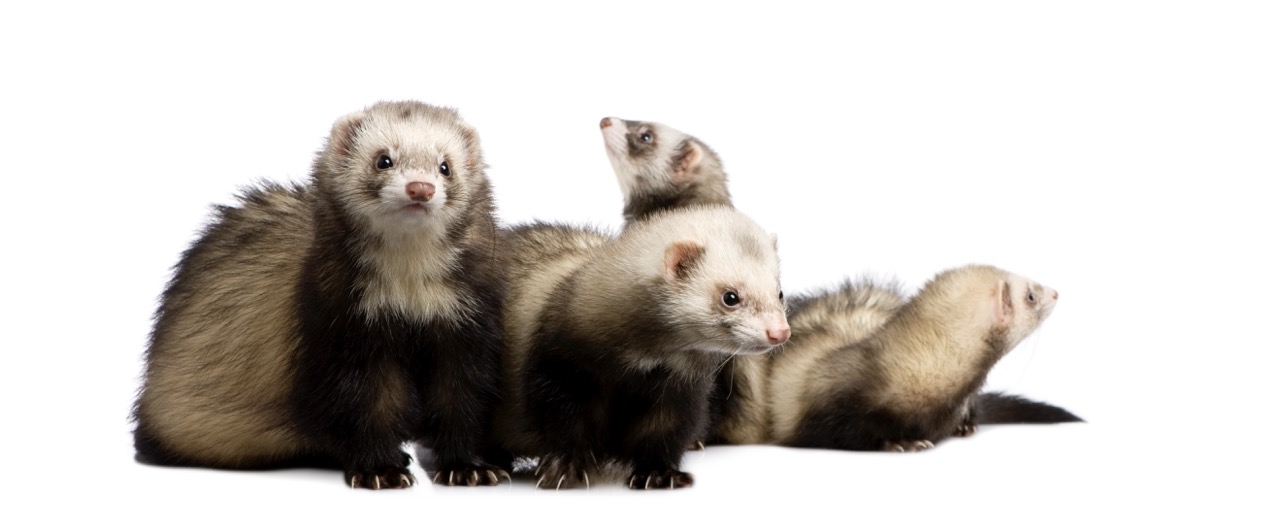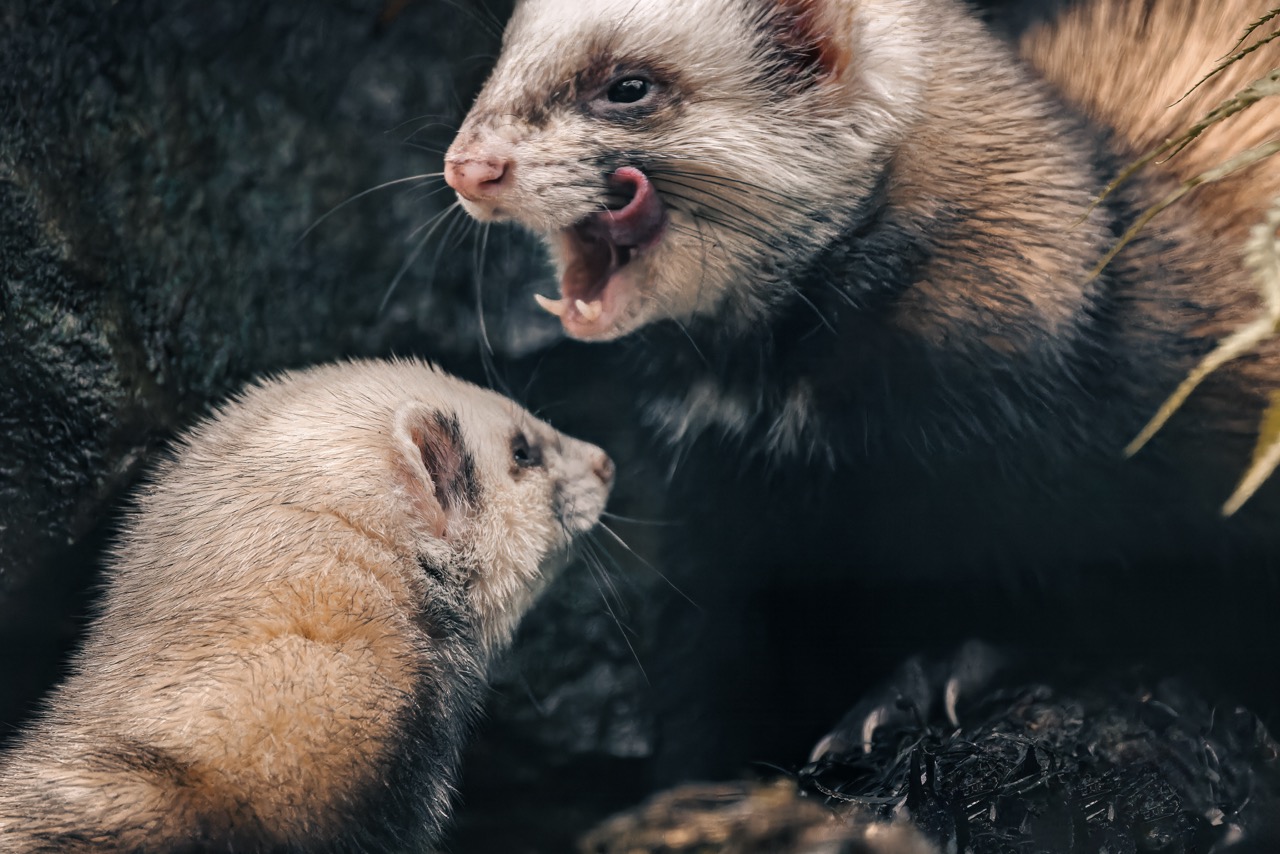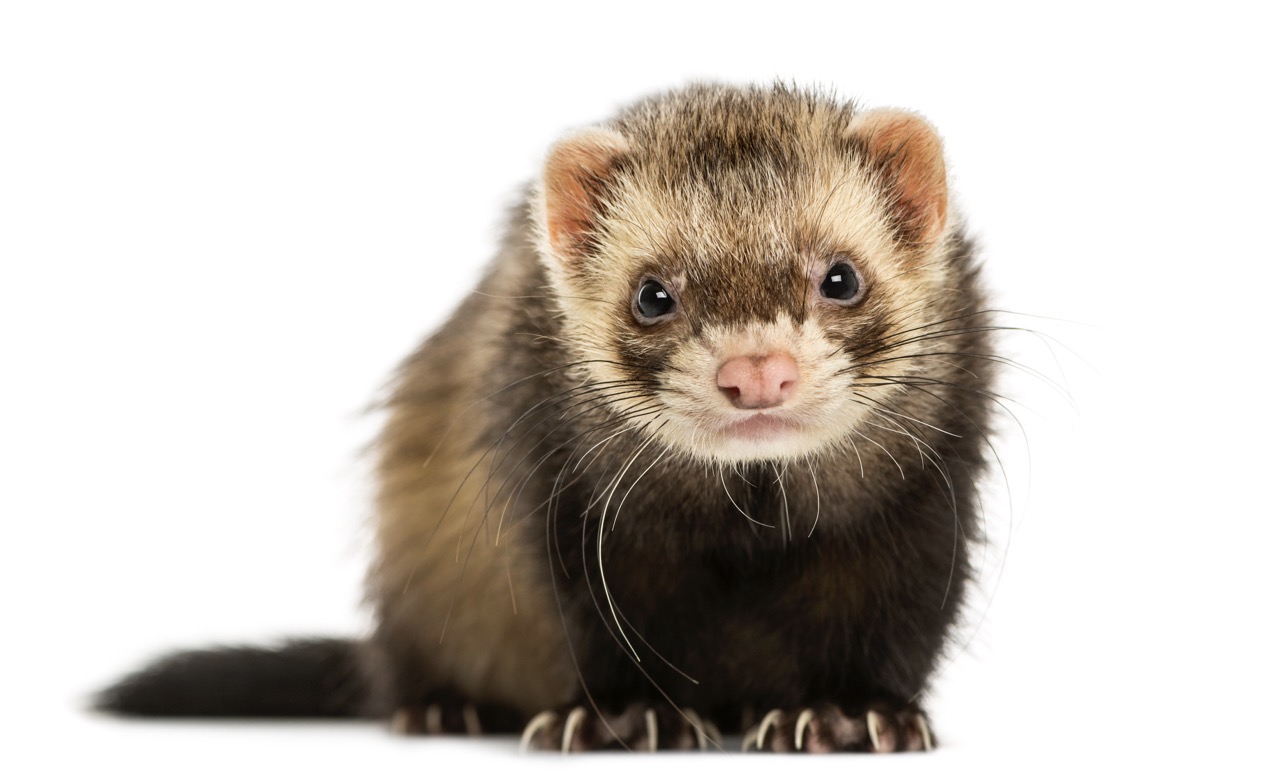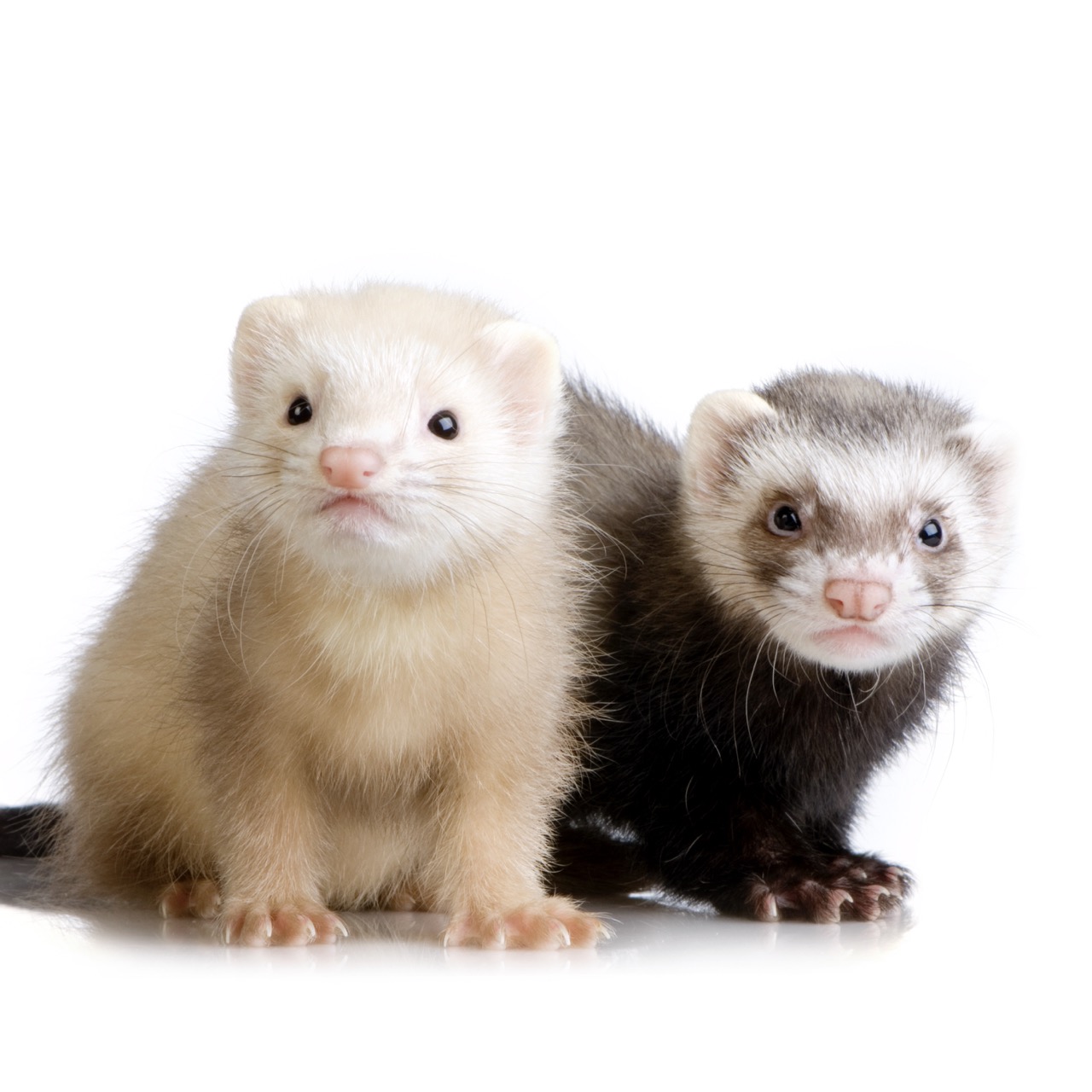





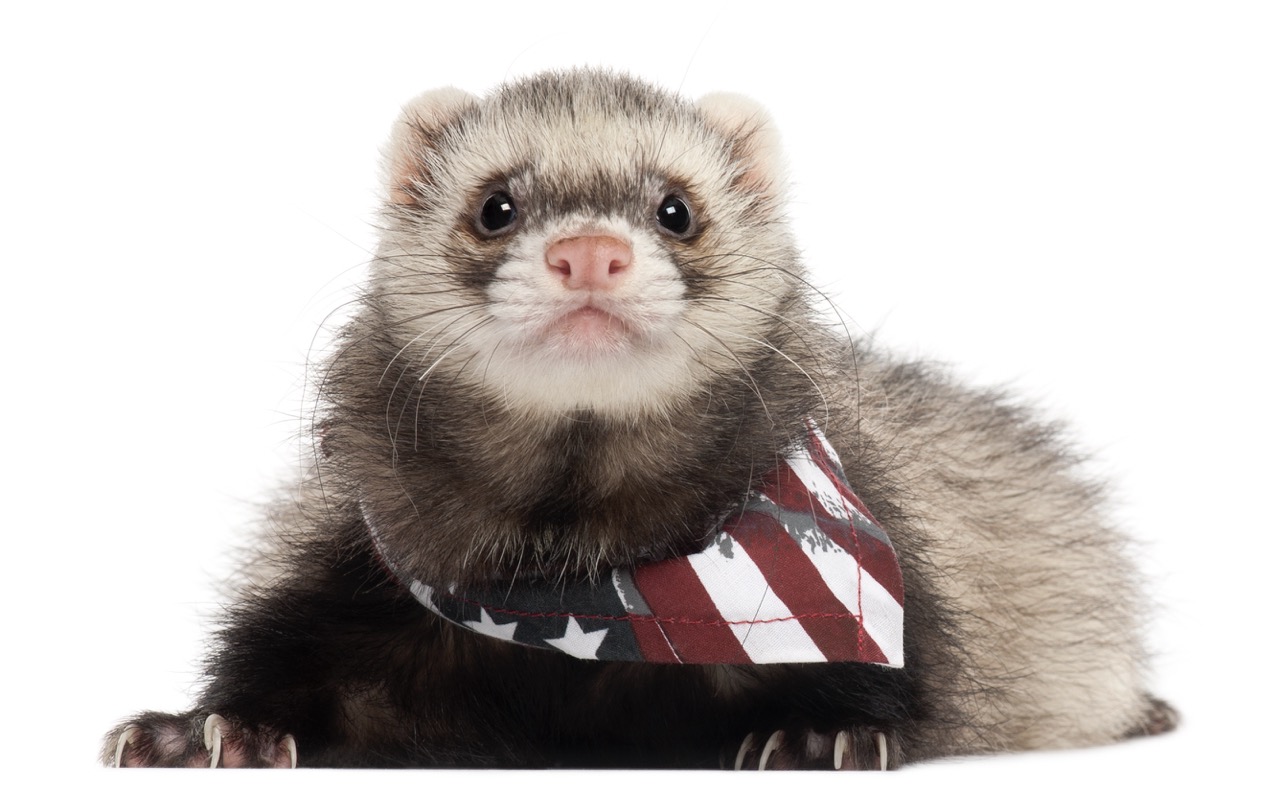
Ferrets are lively and playful companions, known for their curious nature and affectionate demeanor. However, potential pet owners often express concerns regarding the distinctive odor that ferrets can have. Understanding the causes of this smell and implementing effective strategies for odor control can help ensure that your ferret remains a delightful addition to your home. This article explores the natural odor of ferrets, essential grooming practices, environmental factors contributing to their smell, and effective products and techniques for maintaining a fresh-smelling pet.
Understanding the Natural Odor of Ferrets and Its Causes
Ferrets are equipped with scent glands that produce a natural oil, contributing to their characteristic odor. The primary sources of this smell are the anal glands, skin oils, and the unique microbiome of the ferret. While some odor is perfectly normal, ferrets can emit stronger scents if not cared for properly. This odor serves as a form of communication among ferrets and can vary between individuals based on genetics, diet, and overall health.
Diet plays a crucial role in the odor emitted by ferrets. A high-quality, protein-rich diet is essential for their health and can help minimize the unpleasant smells associated with poor nutrition. Ferrets are obligate carnivores, meaning their diets should predominantly consist of meat-based proteins. In contrast, a diet that includes fillers or poorly formulated food can lead to digestive issues, further exacerbating odor problems.
Additionally, health conditions can influence the intensity of a ferret’s smell. Illnesses such as adrenal gland disease or infections can result in a more potent odor as the animal’s body attempts to fight off the ailment. Regular veterinary check-ups and monitoring for any changes in smell or behavior can help identify potential health issues early, ensuring that your pet remains healthy and odor-free.
Essential Grooming Practices for a Fresh-Smelling Ferret
Grooming is a vital part of maintaining a fresh-smelling ferret. Regular brushing helps remove loose fur, dirt, and skin oils that can contribute to undesirable odors. Because ferrets have dense coats, using a slicker brush or a grooming glove can effectively catch loose hair and debris while also distributing natural oils across the skin, promoting a healthy coat and reducing odor.
Bathing your ferret is another essential grooming practice, but it should be approached with caution. Ferrets’ skin is sensitive and can dry out if bathed too frequently. A bath every few months, or as needed, using a gentle ferret shampoo can help manage odor without stripping the coat of its natural oils. When bathing, be sure to rinse thoroughly to remove all soap residue, as leftover products can lead to irritation or further odors.
Additionally, maintaining clean living conditions is crucial for a fresh-smelling ferret. Regularly cleaning their litter boxes, bedding, and play areas will help prevent the buildup of odor-causing bacteria and waste. It’s essential to use pet-safe cleaning products that effectively eliminate odors while being safe for your ferret’s sensitive respiratory system.
Environmental Factors That Contribute to Ferret Odor
The environment in which your ferret lives can significantly affect their overall odor. Ferrets thrive in clean and well-ventilated spaces, and stagnant or poorly maintained areas can exacerbate unpleasant smells. Ensuring that your ferret has a designated living space that is cleaned regularly will help reduce the accumulation of odors.
Temperature and humidity also play a role in a ferret’s odor. Ferrets are sensitive creatures that can develop stress-related odors in hot, humid conditions. Maintaining a comfortable temperature and ensuring good airflow can help minimize this issue. Additionally, avoiding dampness in their living environment is crucial, as moisture can lead to mold and mildew, further contributing to unwanted smells.
Finally, the presence of other pets can influence ferret odor. Dogs and cats can sometimes trigger stress in ferrets, leading them to emit stronger scents. If you have multiple pets, consider creating separate spaces for your ferret where they can feel safe and secure. This will help reduce stress and, in turn, minimize the odors they produce.
Effective Products and Techniques to Control Ferret Smell
To manage ferret odor effectively, several products are specifically designed for ferret care. Ferret-safe deodorizing sprays and odor eliminators can neutralize smells in your ferret’s living area. Look for products that contain natural ingredients and are free from harsh chemicals to ensure safety for your pet. Additionally, enzymatic cleaners are beneficial for cleaning litter boxes and bedding, as they break down organic matter that contributes to odors.
Incorporating pheromone diffusers can also help maintain a fresh atmosphere for your ferret. These products release calming scents that can reduce stress and anxiety, which may help control odor. A stable, stress-free environment is key to minimizing the natural scent your ferret produces, and pheromone products can provide a soothing atmosphere.
Lastly, regular exercise and playtime are essential for reducing odor in ferrets. Engaging your ferret in active play helps keep their body healthy and their mind stimulated, which can lead to improved overall health and better odor control. A happy, well-exercised ferret is less likely to experience stress-related odors, making them a more pleasant companion.
In conclusion, while ferrets do have a natural odor that can be managed, understanding its causes and implementing effective grooming practices, environmental considerations, and suitable products can greatly improve your pet’s scent. By dedicating time to maintenance and care, you can enjoy a fresh-smelling ferret that remains a joyful addition to your home. With proper attention to their grooming and living environment, you can ensure that your ferret is not only healthy but also a delightful companion to be around.