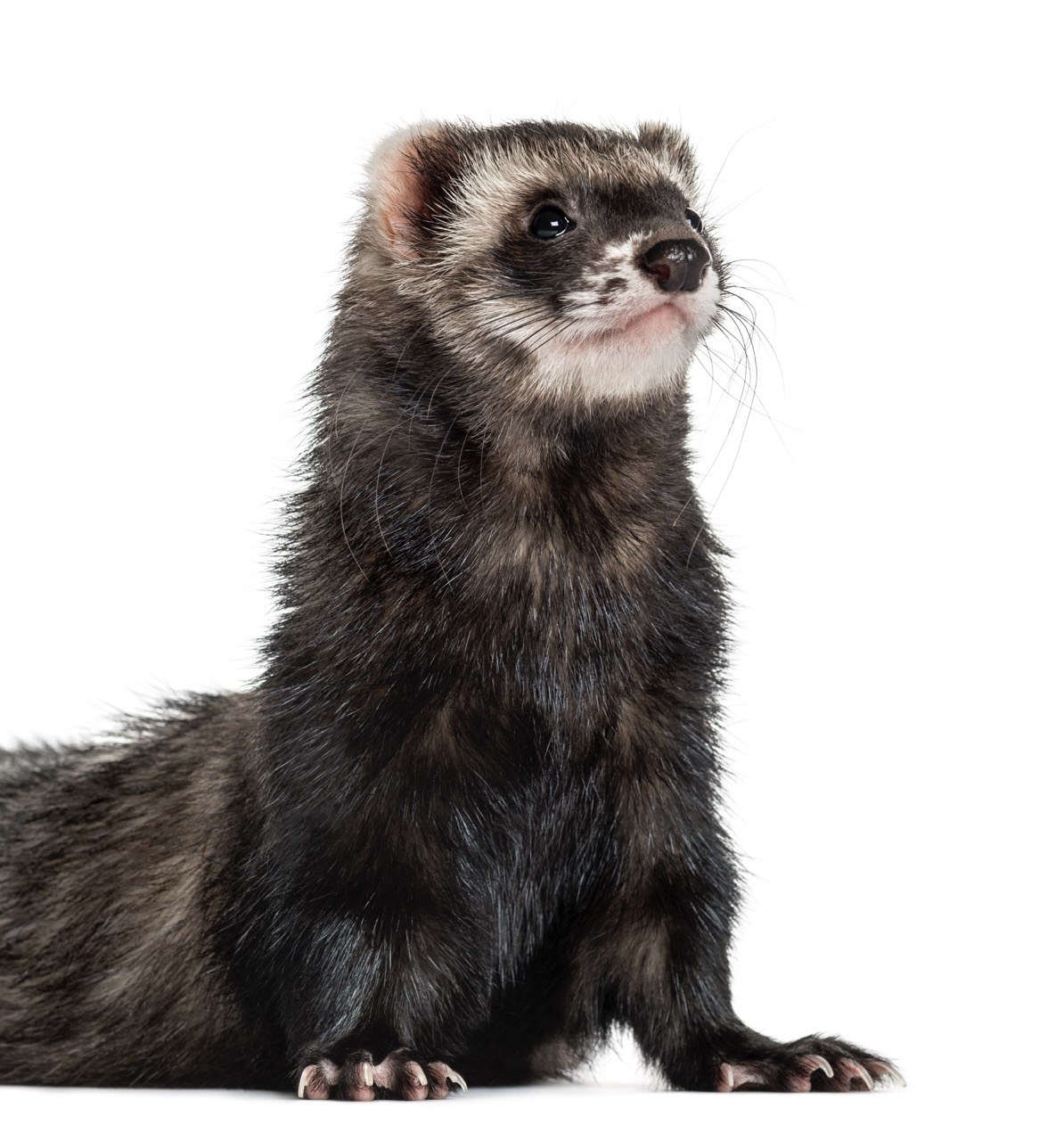






The ferret (Mustela putorius furo) is a domesticated subspecies of the European polecat and has become a popular pet and laboratory animal over the years. Understanding the unique aspects of ferret physiology can provide insights into their health and immunity. Central to their immune response is the lymphatic system, a vital component of the overall immune architecture. This article delves into the functionality of the ferret lymphatic system, its key components, its role in immunity, and the implications of lymphatic health on disease resistance.
Overview of the Ferret Lymphatic System Functionality
The lymphatic system in ferrets serves multiple essential functions that are critical for maintaining homeostasis and supporting the immune response. Primarily, it is responsible for the transport of lymph, a fluid that contains infection-fighting white blood cells, throughout the body. This system operates in parallel with the circulatory system, collecting excess interstitial fluid from tissues and returning it to the bloodstream, thus preventing edema and maintaining fluid balance.
In addition to fluid regulation, the lymphatic system plays a pivotal role in the absorption of dietary fats and fat-soluble vitamins from the gastrointestinal tract. The lacteals, specialized lymphatic capillaries in the intestines, facilitate the transport of lipid-rich lymph known as chyle. This contributes to nutritional homeostasis and has a direct impact on energy metabolism and immune function.
Lastly, the lymphatic system acts as a surveillance network, monitoring for pathogens and foreign bodies. Lymph nodes, distributed throughout the body, filter lymphatic fluid and house lymphocytes—critical players in the immune response. This functionality ensures that ferrets can respond rapidly to infections, providing a robust defense against various pathogens.
Key Components of the Ferret Lymphatic System Explained
The ferret lymphatic system comprises several key components, each playing a distinct role in its overall functionality. Lymphatic vessels are the conduits through which lymph fluid travels, beginning from the lymphatic capillaries that permeate almost all tissues. These vessels are equipped with one-way valves that prevent the backflow of lymph, ensuring it moves toward the lymph nodes and eventually back into the circulatory system.
Lymph nodes are strategically located throughout the ferret’s body and serve as filtration points where lymph fluid is cleansed of pathogens and debris. Each node contains specialized immune cells, including B cells and T cells, that become activated upon encountering antigens. This activation leads to a cascade of immune responses, including the production of antibodies and the stimulation of cytotoxic T cells, which target infected cells.
Another vital component is the spleen, which functions as a blood filter and a storage site for lymphocytes. It monitors blood for pathogens and old or damaged red blood cells, playing an essential role in systemic immunity. The thymus gland, responsible for the maturation of T cells, also plays a critical role in developing adaptive immunity. Together, these components create a comprehensive network that supports the immune system in ferrets.
The Role of the Lymphatic System in Ferret Immunity
The lymphatic system is integral to ferret immunity, facilitating both innate and adaptive immune responses. Upon exposure to pathogens, lymphatic vessels transport antigens to the nearest lymph nodes, where antigen-presenting cells (APCs) initiate an immune response. This process is crucial for activating T cells, which are essential for cellular immunity, and B cells, which produce antibodies for humoral immunity.
The time-sensitive nature of the lymphatic system’s response is particularly important, as it allows ferrets to mount an effective defense against infections. For instance, in the case of viral infections such as influenza, the lymphatic system enables rapid antibody production and memory cell formation, providing long-term protection against future infections. This adaptability is a hallmark of the adaptive immune response, which is facilitated by the interactions that occur within the lymphatic system.
Moreover, the lymphatic system contributes to immune tolerance, helping prevent autoimmune responses by promoting the elimination of self-reactive lymphocytes. This regulatory aspect is essential for maintaining a balanced immune response, ensuring that ferrets can respond appropriately to threats without harming their own tissues.
Implications of Lymphatic Health on Ferret Disease Resistance
The health of the lymphatic system has significant implications for a ferret’s overall disease resistance. Compromised lymphatic function—whether due to genetic factors, infections, or environmental stressors—can hinder the ferret’s ability to mount a robust immune response. For example, lymphatic obstruction may lead to fluid accumulation, increasing susceptibility to infections and other systemic diseases.
Additionally, the integrity of the lymph nodes is vital for effective immune surveillance. If lymph nodes are damaged or dysfunctional, the ferret becomes vulnerable to opportunistic infections, as the filtering system is unable to adequately remove pathogens from the lymphatic fluid. This can lead to chronic inflammation, which may further exacerbate health issues.
Maintaining lymphatic health is thus critical for promoting a strong immune system in ferrets. Regular veterinary check-ups, proper nutrition, and stress reduction techniques can aid in preserving lymphatic and overall health, thereby enhancing disease resistance. Understanding these implications underscores the importance of the lymphatic system in ferrets and highlights the need for proactive health management.
In summary, the ferret lymphatic system plays a crucial role in immunity, serving as a network for fluid transport, pathogen surveillance, and immune cell activation. Its key components—lymphatic vessels, lymph nodes, spleen, and thymus—work in concert to provide both innate and adaptive defenses against diseases. The implications for lymphatic health are profound, influencing a ferret’s resistance to infections and overall well-being. Continued research and awareness regarding the lymphatic system’s role in ferret health can lead to better care strategies and improved outcomes for these unique animals.