




===
Ferrets are fascinating creatures known for their playful behavior and unique physiology. As domesticated pets, they require a better understanding of how they manage their body temperature to ensure their health and well-being. Temperature regulation is vital for ferrets, as it affects their overall metabolism, energy levels, and susceptibility to environmental stressors. This article delves into the mechanisms ferrets use to maintain their body temperature, their behavioral adaptations, and the external factors that influence their thermal regulation.
Understanding Ferret Physiology: Temperature Basics
Ferrets, like many mammals, maintain a consistent internal body temperature that is crucial for their biochemical processes. The average body temperature for a healthy ferret ranges from 100°F to 103°F (37.8°C to 39.4°C). This relatively high temperature is essential for their high metabolic rate, which supports their active lifestyle. However, ferrets are not as adept at regulating their body temperature as some other animals, making them more vulnerable to extreme environmental conditions.
The thermoregulatory center of a ferret’s brain, located in the hypothalamus, plays a critical role in maintaining temperature homeostasis. It receives input from thermal receptors throughout the body and initiates responses to both increases and decreases in body temperature. When exposed to high temperatures, ferrets can become overheated, leading to conditions such as heat stroke. Conversely, in colder environments, hyperthermia can occur, which is equally dangerous. Understanding these physiological basics is crucial for ferret owners who wish to keep their pets comfortable and healthy.
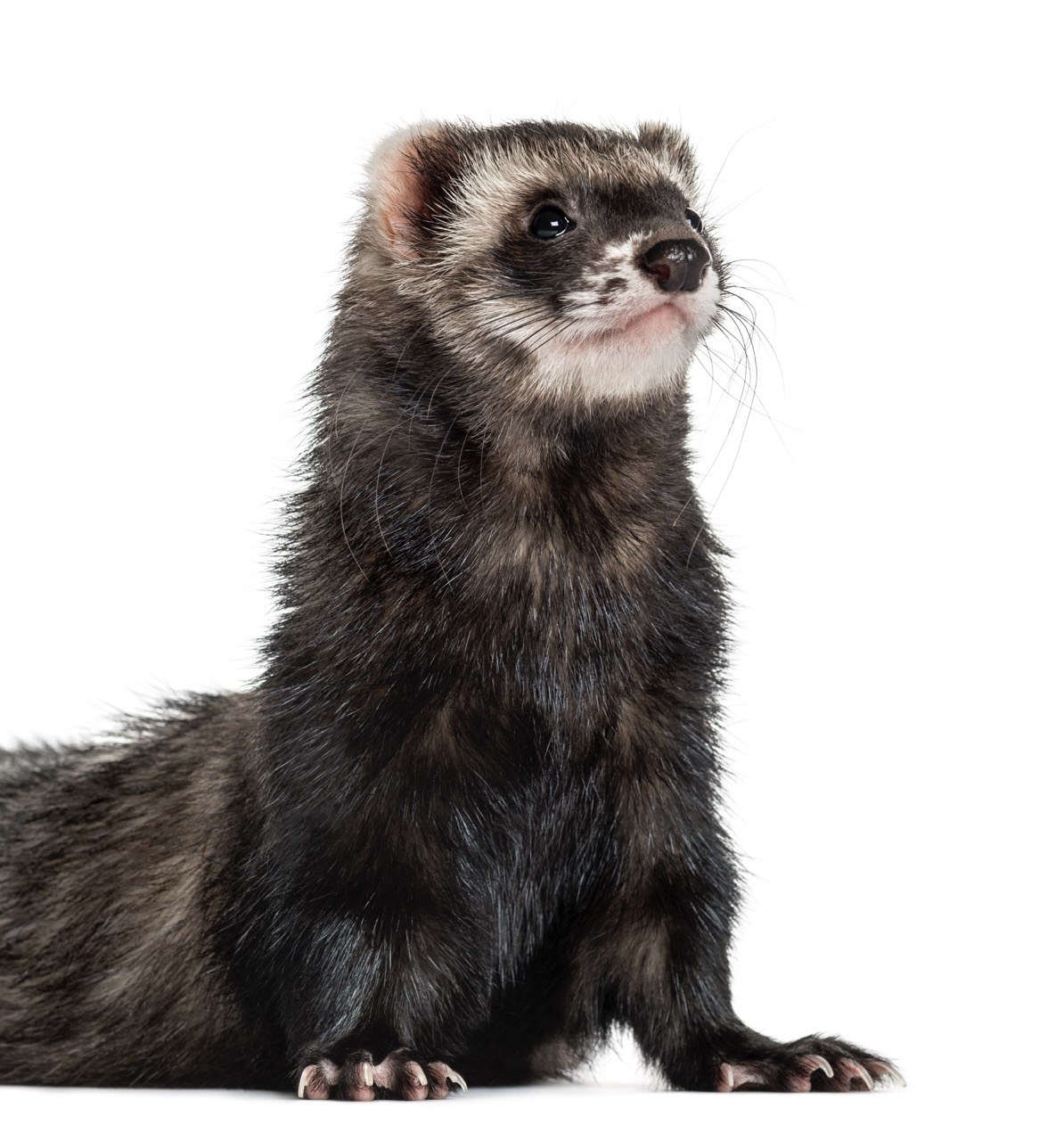
In addition to their internal mechanisms, ferrets possess a layer of fur that serves as insulation. However, their fur is less dense compared to other animals, which means they must rely on behavioral adaptations and external conditions to regulate their body temperature effectively. Recognizing how ferret physiology intersects with temperature regulation provides valuable insights into their care and management.
Mechanisms of Heat Regulation in Ferrets Explained
Ferrets utilize several physiological mechanisms to regulate their body temperature. When they overheat, their bodies initiate vasodilation, a process whereby blood vessels near the skin’s surface expand, allowing heat to dissipate more effectively. This response is often accompanied by panting, which increases evaporative cooling as moisture evaporates from their tongue and respiratory tract. However, panting is not as efficient in ferrets as it is in dogs, making them more susceptible to overheating.
Conversely, when ferrets are exposed to cold conditions, they invoke mechanisms such as vasoconstriction, where blood vessels constrict to reduce blood flow to the skin and extremities, conserving core body heat. Ferrets also exhibit shivering, an involuntary muscle response that generates heat. Additionally, their metabolism can increase in cold environments, burning energy to produce more warmth. Collectively, these physiological responses help maintain their body temperature within the optimal range.
It is crucial for ferret owners to recognize that while these mechanisms are natural, they can be overwhelmed by extreme temperatures. Therefore, understanding these processes allows pet owners to create an environment that supports their ferret’s temperature regulation, minimizing the risk of heat stress or hypothermia.
Behavioral Adaptations for Temperature Control in Ferrets
Behavior plays a significant role in how ferrets manage their body temperature. One of the key behavioral adaptations is seeking out specific microenvironments that provide thermal comfort. For instance, ferrets may burrow into bedding or hide in dark, enclosed spaces to escape heat or retain warmth. These behaviors underscore the importance of providing suitable habitats that allow ferrets to regulate their thermal conditions effectively.
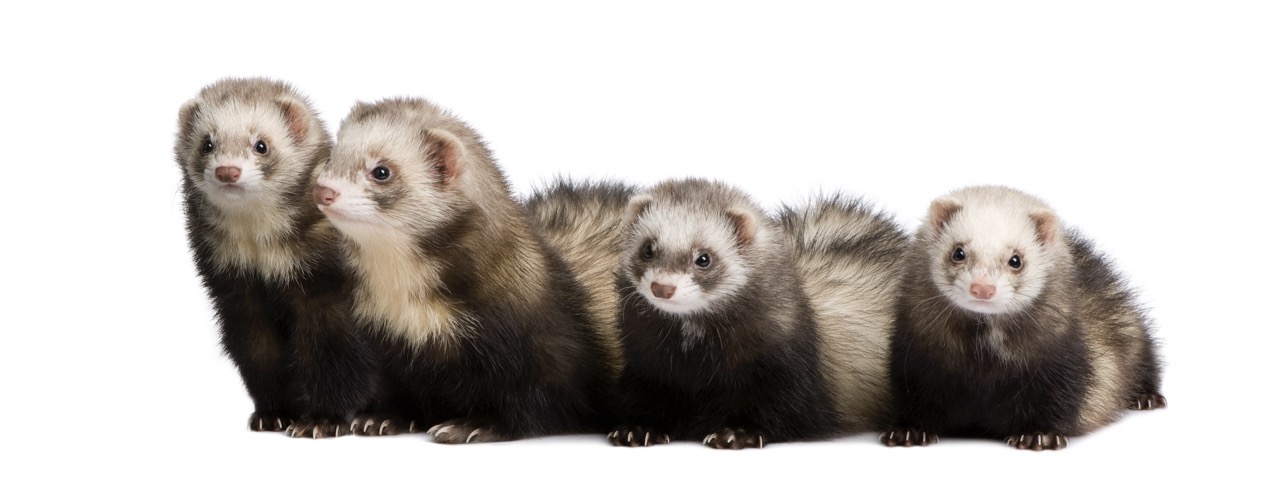
Ferrets are also known to engage in social behaviors to manage temperature. When they gather together, they can share body heat, which is particularly beneficial in cooler environments. This social aspect of temperature regulation highlights the importance of considering group dynamics when housing multiple ferrets. Providing opportunities for social interaction can enhance their comfort and well-being.
Moreover, ferrets exhibit a range of activity levels depending on the ambient temperature. They tend to be more active during cooler parts of the day, such as early morning and late evening, while resting or sleeping during the hottest periods. Observing these behavioral patterns is vital for ferret owners, as it allows for better scheduling of playtime and other activities to align with their pets’ natural instincts and comfort levels.
Environmental Factors Influencing Ferret Temperature Management
The environment in which ferrets live significantly impacts their ability to regulate body temperature. Factors such as room temperature, humidity, and airflow are crucial for maintaining a suitable living space. Ideally, ferrets thrive in temperatures between 60°F to 80°F (15.6°C to 26.7°C). Any significant deviation from this range can lead to stress and health issues. Owners should ensure that their living spaces are equipped with proper ventilation and temperature control systems.
Humidity also plays a critical role in temperature regulation for ferrets. High humidity levels can impede their ability to cool down effectively through evaporative processes like panting. On the other hand, low humidity can increase the risk of dehydration, especially when ferrets are exposed to warm environments. Maintaining moderate humidity levels helps support their natural cooling mechanisms, allowing them to thrive.
Finally, the layout and design of a ferret’s habitat can influence its temperature management capabilities. Providing shaded areas, access to cool surfaces, and safe hiding spots can help ferrets choose their preferred microclimates. Additionally, keeping their living area away from direct sunlight and providing cool bedding materials can aid in temperature control, ensuring that ferrets remain comfortable regardless of the ambient conditions.
===
Understanding how ferrets regulate their body temperature is essential for ensuring their health and comfort. From their unique physiological mechanisms to their behavioral adaptations, ferrets have evolved various strategies to maintain an optimal thermal environment. By considering the environmental factors that influence their temperature management, ferret owners can create a safe and comfortable habitat that supports their pets’ well-being. Awareness and proactive care will lead to happier, healthier ferrets, allowing them to thrive in their domestic settings.