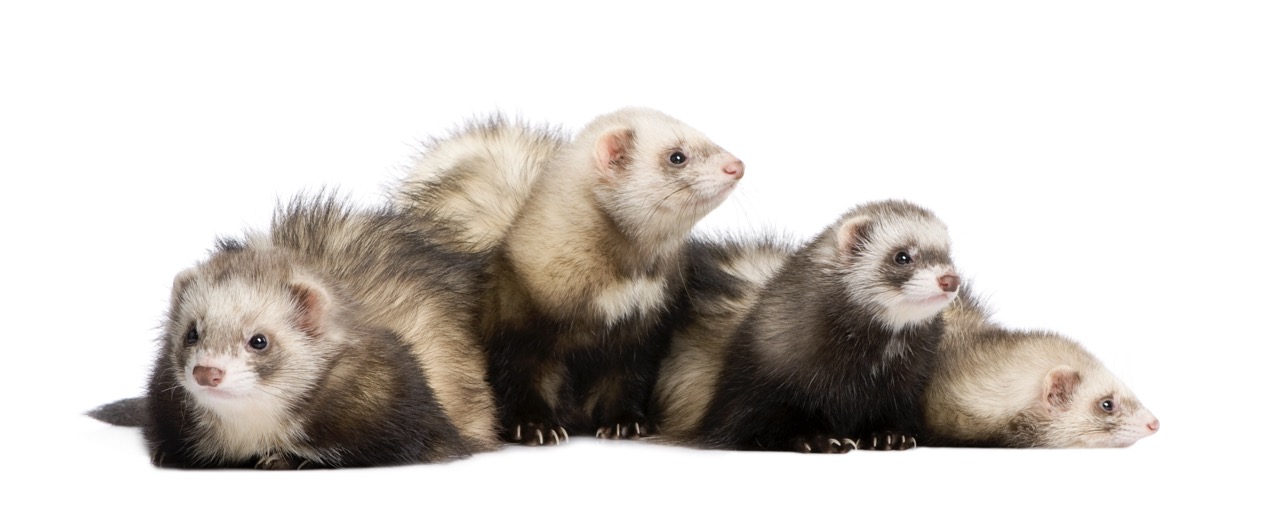






Ferrets are fascinating creatures that have garnered popularity as pets due to their playful nature and sociable personality. As with all animals, understanding their physiology is crucial for ensuring their health and well-being. One key aspect of ferret health is their circulatory system, particularly the heart, which plays a significant role in sustaining their lively activities. This article delves into the anatomy of a ferret’s heart, the functions of their circulatory system, common heart conditions they may face, and practical tips for maintaining optimal heart health.
Understanding the Anatomy of a Ferret’s Heart
The heart of a ferret is a muscular organ situated in the thoracic cavity, slightly offset to the left. Ferrets possess a four-chambered heart, similar to that of humans and other mammals. This structure includes two atria and two ventricles, which work in tandem to efficiently circulate blood. The atria receive oxygen-poor blood from the body and pump it into the ventricles, which then propel oxygen-rich blood to the lungs and the rest of the body.
In terms of size, a ferret’s heart is proportionately larger than that of many other small mammals, reflecting their high metabolic rate and active lifestyle. The ferret’s heart has a unique shape, with a rounded apex and a width that allows it to pump blood effectively. The presence of specialized cells, such as pacemaker cells, ensures that the heart maintains a consistent rhythm, crucial for meeting the demands of their energetic nature.
Additionally, the ferret’s heart is enveloped by a myocardium, composed of cardiac muscle tissue that contracts rhythmically to circulate blood. Surrounding the heart is the pericardium, a protective sac that houses the organ and maintains its position within the thoracic cavity. This intricate design allows ferrets to sustain their high energy levels and engage in their playful, exploratory behaviors.
The Role of the Circulatory System in Ferrets
The circulatory system in ferrets is responsible for delivering oxygen and nutrients to tissues while removing waste products like carbon dioxide. Blood is the vital fluid that carries these elements throughout the body, and the heart functions as the pump that maintains circulation. Oxygenated blood is delivered from the lungs to the heart and then distributed to various organs and muscles, supporting their active lifestyle.
In addition to oxygen transport, the circulatory system plays a role in thermoregulation, helping to maintain the ferret’s body temperature. Blood vessels can dilate or constrict to either release heat or retain warmth, which is particularly important for ferrets, as they are sensitive to temperature fluctuations. This aspect of circulation directly contributes to their ability to thrive in diverse environments.
Moreover, the circulatory system aids in immune function. It transports white blood cells and antibodies to sites of infection or injury, supporting the ferret’s overall health. A robust circulatory system is essential for sustaining their energy levels and ensuring that they can engage in their usual activities without undue fatigue or health complications.
Common Heart Conditions in Ferrets and Their Impact
Like many mammals, ferrets are susceptible to various heart conditions that can negatively impact their health. One of the most common issues is cardiomyopathy, a condition characterized by the thickening of the heart muscle, which can lead to heart failure. Symptoms may include lethargy, coughing, and difficulty breathing, significantly affecting a ferret’s quality of life.
Another prevalent condition is congestive heart failure, where the heart is unable to pump blood effectively, leading to fluid accumulation in the lungs and other body parts. This condition often results from untreated cardiomyopathy or other underlying health issues. Ferrets with congestive heart failure may experience symptoms such as rapid breathing, swelling of the abdomen, and a reduced appetite, necessitating immediate veterinary attention.
Other heart-related issues in ferrets can include arrhythmias, where the heart beats irregularly, and heartworm disease, which can cause severe damage to the cardiovascular system. Regular veterinary check-ups and monitoring can help identify these conditions early, improving the chances of effective treatment and management of any heart-related health issues in ferrets.
Tips for Maintaining Optimal Heart Health in Ferrets
To support and maintain the heart health of ferrets, a well-balanced diet is crucial. Ferrets are obligate carnivores, requiring a diet high in animal protein and low in carbohydrates. Providing commercial ferret food or high-quality cat food can help ensure they receive the necessary nutrients to support cardiovascular health. Regular dietary adjustments should be made in consultation with a veterinarian to address any specific health concerns.
Physical activity is another essential factor in maintaining a ferret’s heart health. Ferrets are naturally energetic and require regular playtime outside their cage to keep their muscles toned and their cardiovascular system functioning optimally. Engaging them in interactive play, providing toys, and ensuring safe spaces for exploration can help keep their heart strong and healthy.
Lastly, routine veterinary care is paramount for early detection of potential heart conditions. Regular check-ups can include heart health assessments, blood tests, and echocardiograms if needed. By monitoring their heart health, pet owners can catch any abnormalities early, allowing for prompt intervention and management, thereby ensuring their ferret leads a long, active, and fulfilling life.
Understanding the circulatory system and heart health in ferrets is essential for any owner seeking to provide the best care possible for their furry companions. Awareness of their unique anatomy, common heart conditions, and preventive care measures can significantly impact their overall well-being. With proper care, timely veterinary attention, and a nurturing environment, ferrets can enjoy vibrant, healthy lives, filled with the playful antics that make them so beloved.