



Ferrets are fascinating creatures that have captivated the hearts of pet owners and researchers alike. These small, carnivorous mammals belong to the Mustelidae family, which also includes weasels, otters, and badgers. Understanding ferret biology is crucial to appreciating their remarkable ability to navigate small spaces—a skill that stems from their unique anatomy and behavior. This article delves into the intricacies of ferret biology, focusing on their anatomy and physical adaptations, their musculoskeletal structure, sensory navigation, and their behavior in confined spaces.
Understanding Ferret Anatomy and Physical Adaptations
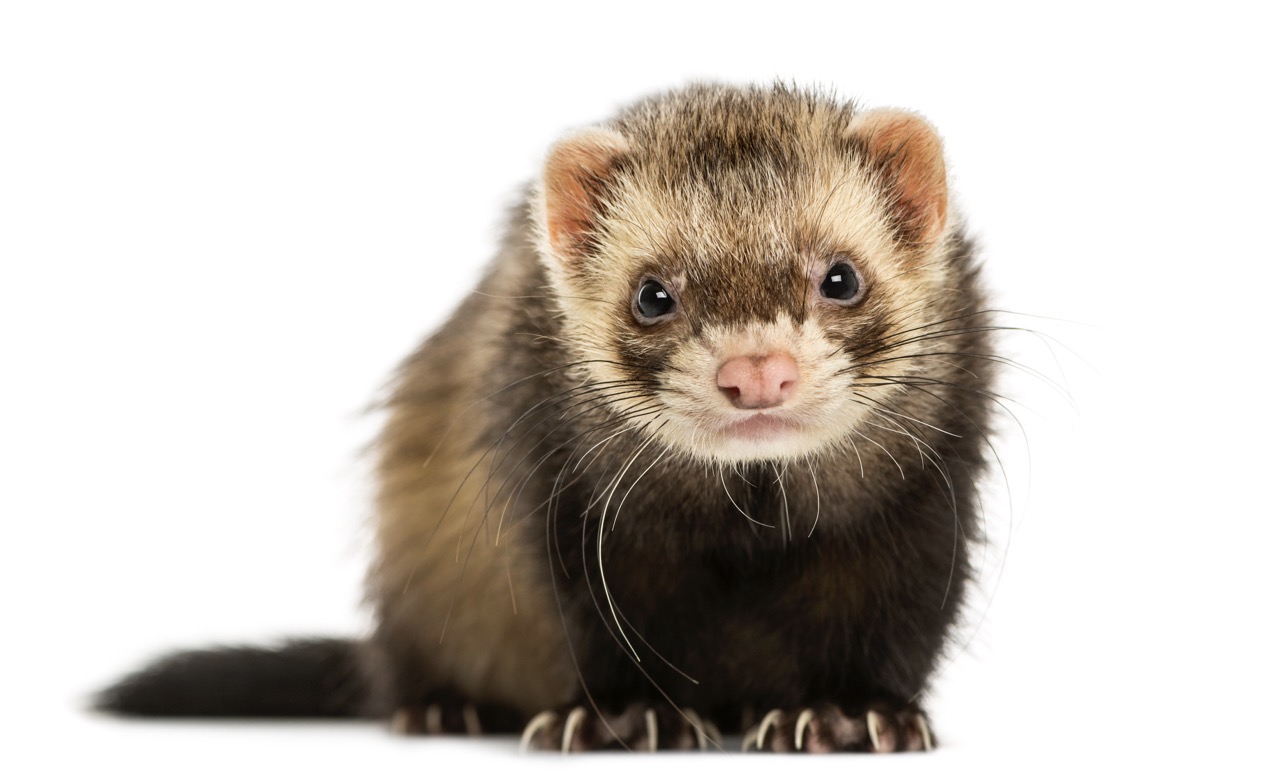
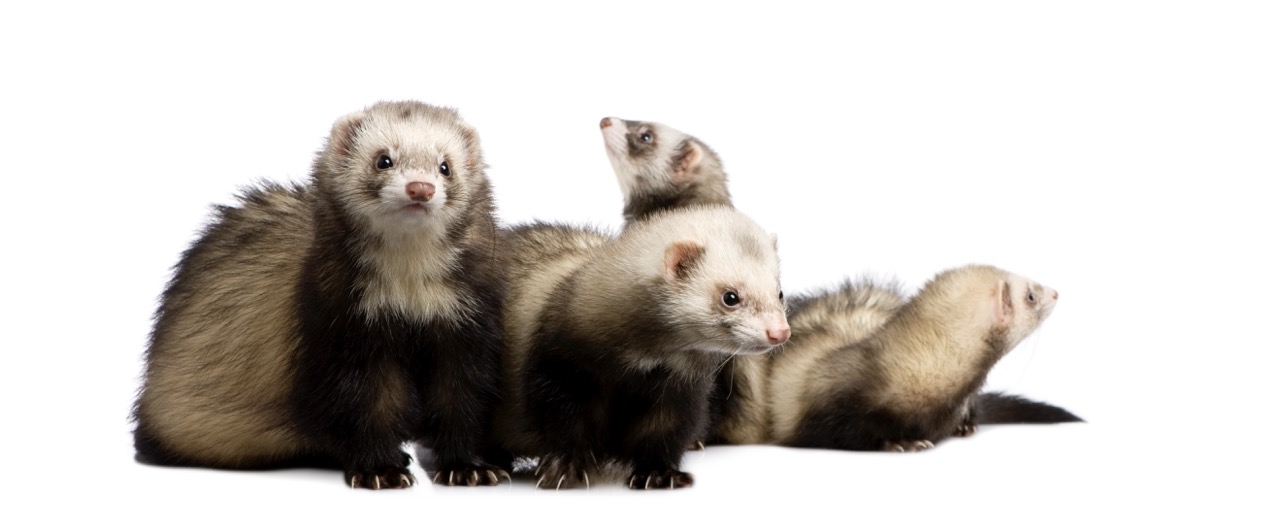
Ferrets possess a sleek, elongated body that is specifically adapted for agility and maneuverability. Their small, cylindrical shape allows them to easily slip through narrow openings, making them adept at exploring various environments. The soft, flexible spine of a ferret contributes to their ability to twist and turn in tight spaces, which is a significant advantage when navigating burrows or other confined areas. Additionally, ferrets have a relatively low center of gravity, enhancing their stability as they traverse uneven terrain.
Their fur is not only a defense against the elements but also plays a role in their exploration. The coat of a ferret is dense and soft, providing insulation and protection while allowing them to remain agile. Moreover, ferrets possess a unique arrangement of muscle fibers that favors endurance and quick bursts of speed. This combination of anatomical features allows ferrets to thrive in environments where other animals might struggle, such as in narrow, winding tunnels or underbrush.
Another adaptation that enhances their exploratory capabilities is their flexible ribcage. This anatomical feature enables ferrets to compress their bodies, making it easier for them to navigate through small openings. Their wide range of motion and the ability to contort themselves also allow for greater adaptability in various environments, allowing ferrets to explore spaces that would be inaccessible to larger mammals.
The Unique Musculoskeletal Structure of Ferrets
Ferrets have a distinct musculoskeletal structure that sets them apart from other mammals. They possess a unique arrangement of bones and joints that allows for exceptional flexibility and agility. Unlike more rigid animals, ferrets can rotate their bodies at sharp angles, enabling them to enter and exit confined spaces with ease. Their elongated limbs and loosely articulated joints contribute to their dexterity, allowing them to climb, dig, and maneuver through intricate environments.
The ferret’s skeletal structure is lightweight yet strong, providing both support and mobility. Their long, slender bones are designed to minimize weight while maximizing strength, which is essential for their active lifestyle. This lightweight frame, paired with powerful muscles, allows ferrets to perform impressive feats of agility, such as leaping from one surface to another or weaving through complex structures.
Moreover, the distribution of muscle mass in ferrets is tailored for quick bursts of energy. The muscles in their forelimbs and hindquarters are well-developed, giving them the power to spring into action when necessary. This anatomical design not only aids in their navigation of small spaces but also plays a role in their hunting strategies, as ferrets are known to be quick and agile predators.
How Ferrets Utilize Their Senses for Navigation
Ferrets have keen senses that are finely tuned to help them navigate their environment. Their sense of smell is particularly acute, allowing them to detect prey and identify scents left by other animals. This olfactory prowess is beneficial for exploring small spaces, as ferrets can follow scent trails to locate food or other ferrets. The highly developed Jacobsen’s organ, located in the roof of their mouths, enhances their ability to analyze smells, providing an extra layer of information about their surroundings.
In addition to their sense of smell, ferrets rely on their excellent vision and hearing to navigate. Their eyes are adapted for low-light conditions, enabling them to see well in dim environments, such as burrows or tunnels. This visual acuity is complemented by their ability to detect movement, allowing them to react quickly to potential threats or food sources. Their ears are also highly sensitive, picking up sounds that might indicate the presence of other animals or environmental changes.
Ferrets also utilize touch to explore their surroundings. Their whiskers are highly sensitive tactile organs that provide crucial feedback as they navigate tight spaces. By touching objects with their whiskers, ferrets can gauge the size and shape of the spaces they encounter, helping them to make informed decisions about whether to pass through or around obstacles. This multi-sensory approach to navigation allows ferrets to thrive in various environments, making them exceptional explorers.
Ferret Behavior in Confined Spaces and Their Exploration
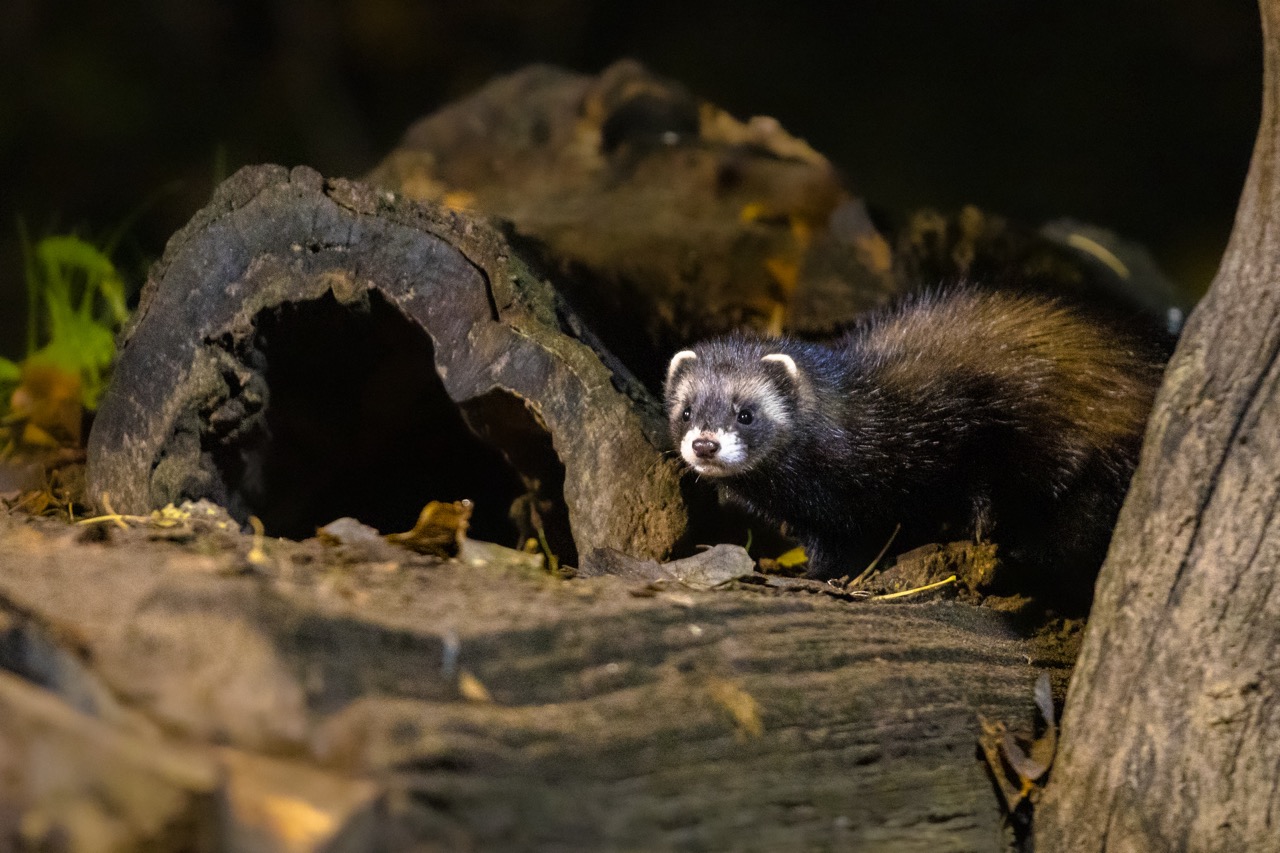
Ferrets exhibit a natural curiosity that drives their exploratory behavior, particularly in confined spaces. Their instinctive need to investigate new environments often leads them into tight quarters, where they can showcase their impressive navigation skills. When placed in unfamiliar settings, ferrets will typically engage in a behavior known as "ferreting," which involves digging, tunneling, and squeezing into small openings to discover what lies beyond.
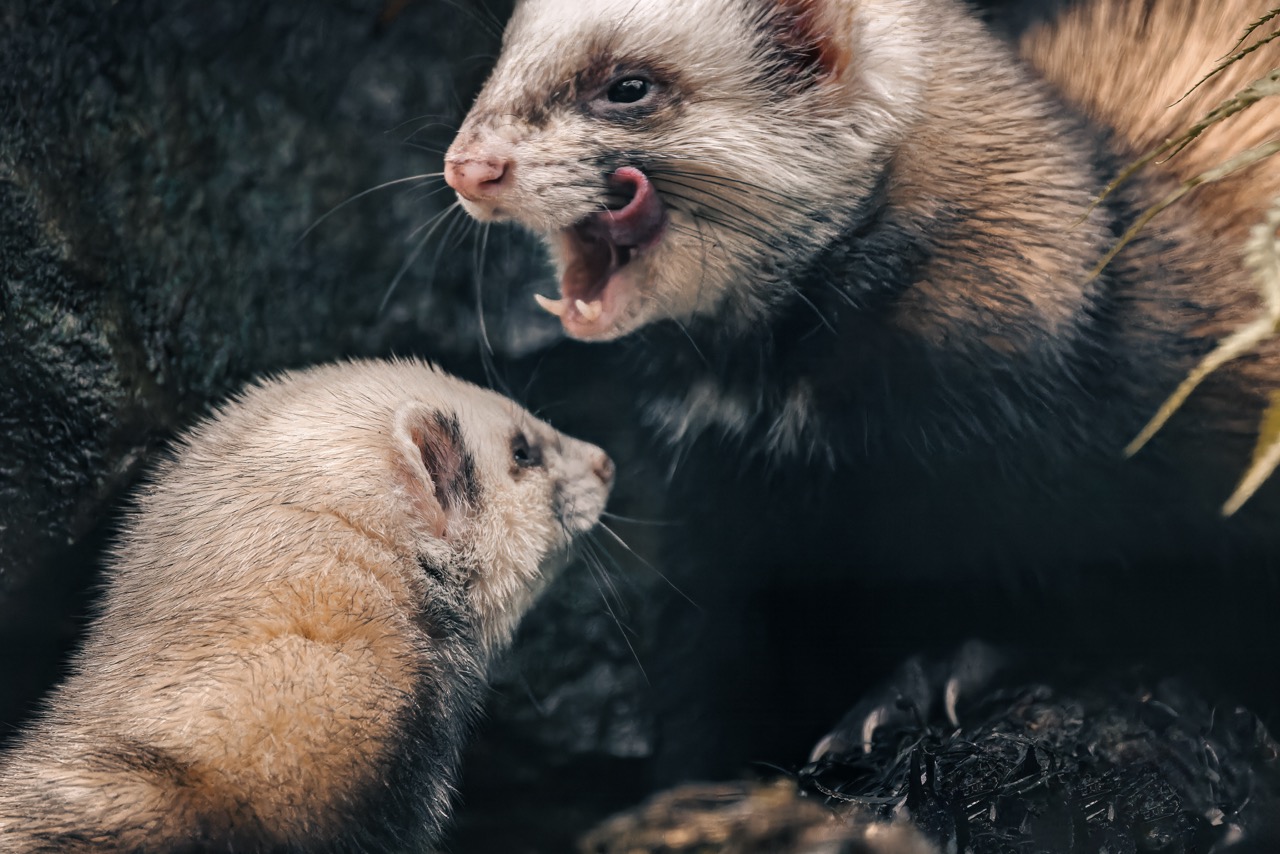
In addition to their exploratory tendencies, ferrets display a range of social behaviors that further enhance their navigation skills. They often rely on each other for support and guidance when exploring confined areas. When one ferret encounters an obstacle, others may follow or assist in navigating, demonstrating a level of teamwork that is beneficial for their survival. This social structure fosters an environment where ferrets can learn from one another, improving their individual and collective ability to navigate complex spaces.
Ferrets are also known for their playful nature, which influences their behavior in confined spaces. They often engage in games like hide-and-seek, using small nooks and crannies as hiding spots. This playful behavior not only serves as a form of social interaction but also allows ferrets to practice their navigation skills in a safe and stimulating environment. Their ability to adapt to various situations, combined with their natural curiosity, makes ferrets excellent navigators of small spaces.
In summary, ferrets are remarkable animals with a biology specifically adapted for navigating small spaces. Their unique anatomy, musculoskeletal structure, and keen senses all contribute to their exceptional ability to explore confined environments. Coupled with their curious and social nature, ferrets exhibit behaviors that further enhance their navigation skills. Understanding ferret biology not only sheds light on their impressive capabilities but also highlights the importance of providing suitable environments for these lively creatures, allowing their natural instincts to thrive.