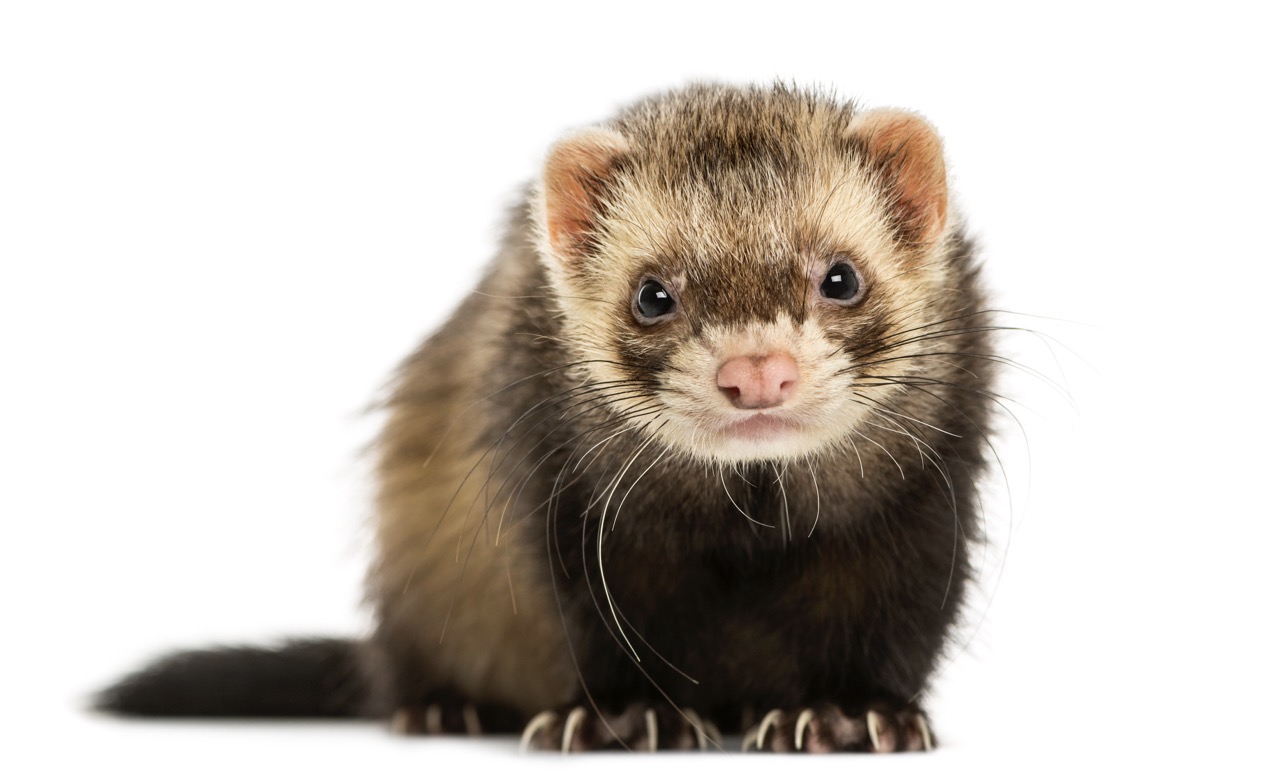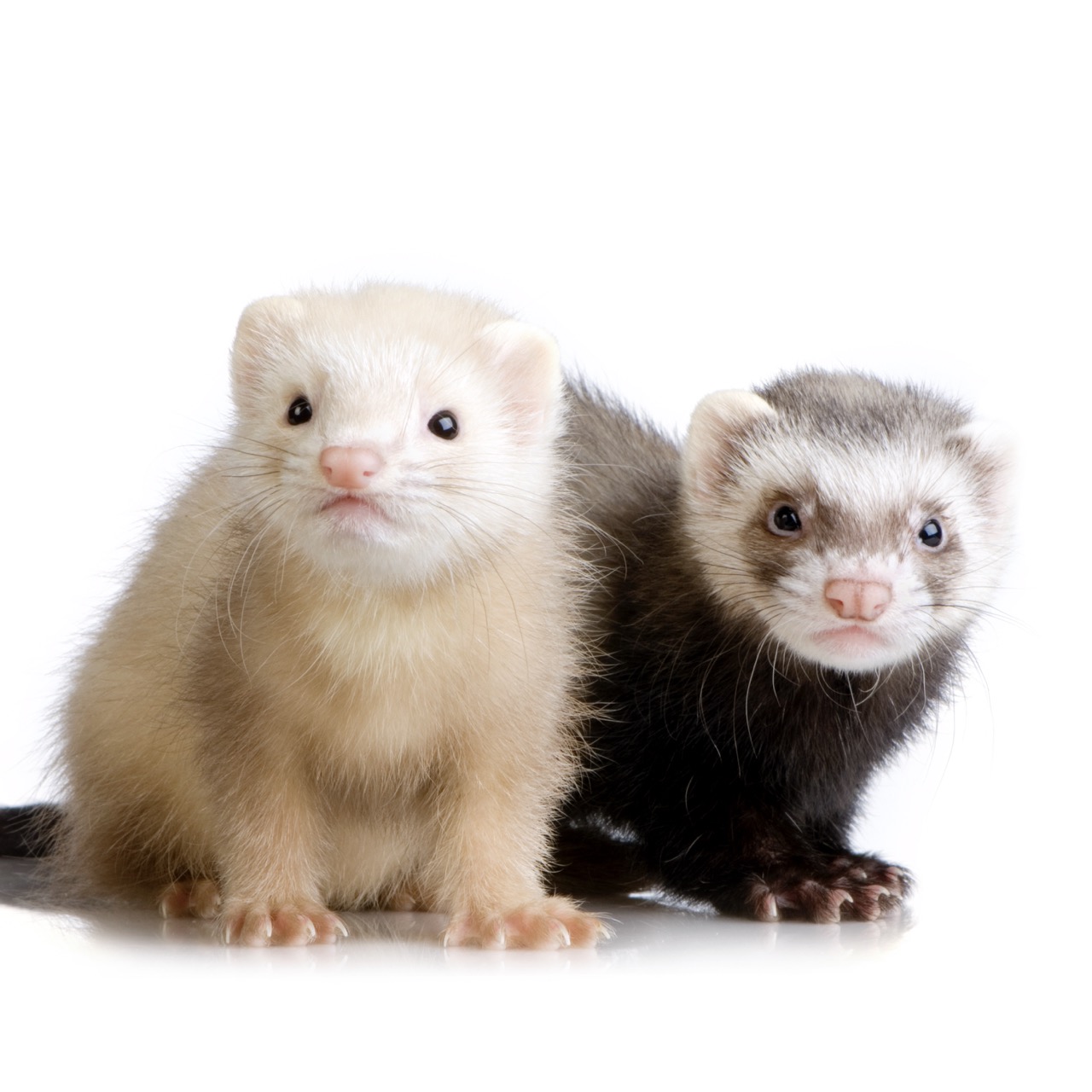






Ferrets are playful and curious pets that thrive on interaction and stimulation. While they are generally clean animals, they do require some grooming to maintain their health and hygiene. One important aspect of ferret care is bathing, which can be a topic of confusion among new ferret owners. Understanding the right bathing frequency and techniques is crucial to keeping your ferret comfortable, healthy, and happy. In this article, we will explore when and how often to bathe your ferret, the factors that can influence bathing needs, and tips for a safe bathing experience.
Understanding the Bathing Needs of Your Ferret
Ferrets have natural oils in their skin that help to keep their fur healthy and their skin hydrated. Bathing them too frequently can strip these essential oils, leading to dry skin and potential health issues. Unlike dogs or cats, ferrets do not generally have a strong odor unless they are unwell or their environment is unclean. Understanding that ferrets groom themselves and do not require frequent baths is the first step in establishing a proper bathing routine.
In general, ferrets should only be bathed when necessary. This could mean after a particularly messy play session or if they have rolled in something unpleasant. Bathing is not a regular grooming routine, as ferrets themselves will usually keep their coats clean. Regular checks for fleas, dirt, or any skin conditions can help you determine if a bath is truly necessary.
It is also important to consider that some ferrets have sensitive skin, which can react negatively to certain shampoos or frequent bathing. So while it is essential to keep your ferret clean, less is often more when it comes to bathing. Recognizing these needs will help you provide a better quality of life for your pet.
Factors Influencing Bath Frequency for Ferrets
Multiple factors can influence how often you should bathe your ferret. One significant aspect is the age and health of your ferret. Young ferrets might tend to get into more messes due to their higher energy levels, requiring more frequent baths. Conversely, older or ill ferrets may require less bathing, as their activity levels decrease and their skin may become more sensitive.
Another factor is the living environment of the ferret. If a ferret spends time outdoors or in a particularly dirty or dusty area, it may need to be bathed more frequently. Conversely, ferrets that are kept indoors in a clean environment may not require bathing as often. The type of bedding used in their cage can also contribute to this; using bedding that absorbs odors and moisture can reduce the necessity for baths.
Diet can also play a role in the bathing frequency of your ferret. A high-quality, balanced diet promotes healthy skin and fur, which may reduce the need for baths. Conversely, a poor diet can lead to oily fur or skin problems, necessitating more frequent bathing. Always consider these factors when determining the right bathing schedule for your ferret.
Recommended Bathing Schedule for Ferrets
As a general guideline, ferrets should be bathed no more than once a month. This can vary based on the factors discussed earlier, including age, health, and living conditions. If you notice your ferret has developed an odor or has become particularly dirty from play, it is acceptable to give them a bath outside of the monthly schedule.
For ferrets that require more frequent baths, such as those with certain health issues, it may be wise to consult with a veterinarian for personalized advice. They can provide recommendations tailored to your pet’s specific needs, which can help you manage their bathing schedule more effectively.
Ultimately, keeping a keen eye on your ferret’s hygiene and condition will guide you in determining the appropriate bathing frequency. While the general rule is once a month, always prioritize your pet’s individual needs over a rigid schedule.
Tips for Properly Bathing Your Ferret Safely
When it comes time to give your ferret a bath, preparation is key. Choose a safe location, such as a bathtub or sink, and fill it with a few inches of lukewarm water. Avoid using hot or cold water, as ferrets are sensitive to temperature extremes. Ensure that the bathing area is free from any items that could cause your ferret to slip or become frightened.
Use a gentle, ferret-specific shampoo to avoid skin irritation. Never use human shampoo, as it can be too harsh for ferrets’ sensitive skin. Apply the shampoo carefully, avoiding the eyes and ears, and rinse thoroughly to remove all soap residue. Make sure to dry your ferret gently afterward, using a soft towel to wrap them up and keep them warm.
Finally, remember that bathing can be a stressful experience for some ferrets. To make it more comfortable, handle them gently and speak soothingly to reassure them. You might also consider giving them a small treat afterward as positive reinforcement. Maintaining a calm environment and a gentle approach can help ensure that bath time is a safe and pleasant experience for your ferret.
In conclusion, bathing your ferret is an essential part of their care, but it should be done thoughtfully and infrequently. By understanding their bathing needs and the factors that influence how often they should be bathed, you can establish a suitable routine that promotes their health and well-being. Always prioritize their individual needs over a rigid schedule, and remember to use safe and gentle bathing techniques. With the right approach, bath time can be a positive experience for both you and your furry friend.