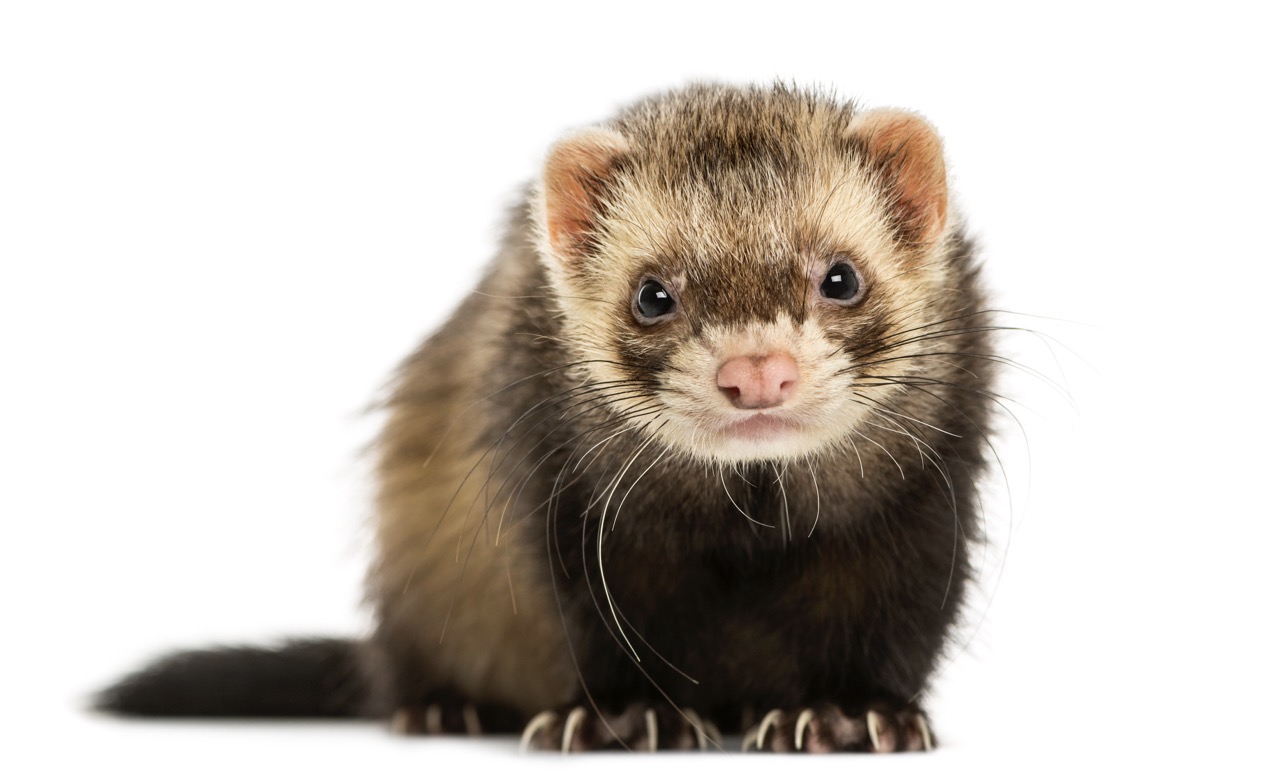





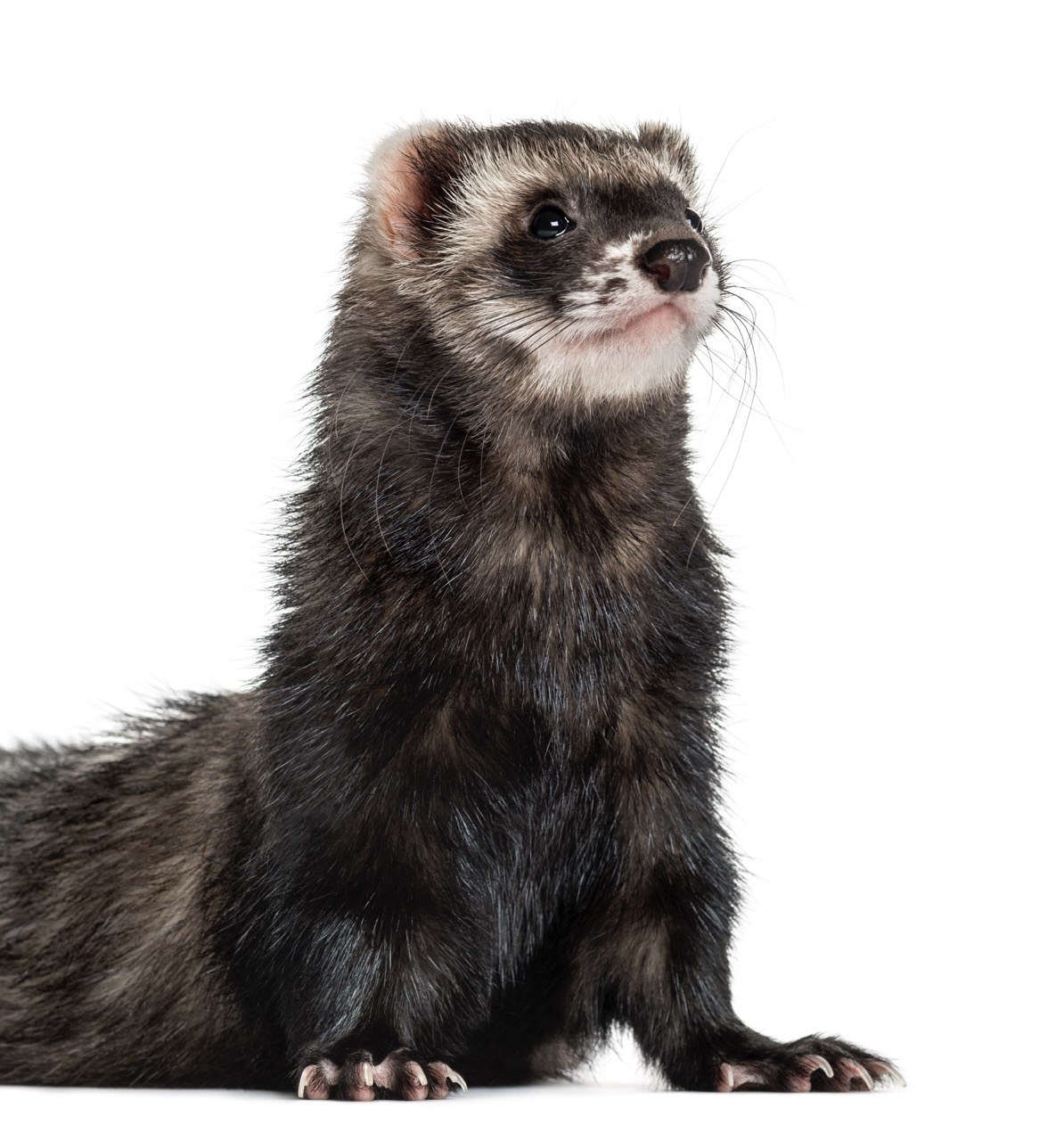
Ferrets have become increasingly popular as pets due to their playful nature, intelligence, and affectionate demeanor. However, adopting a ferret requires careful consideration and preparation to ensure that both the pet and the owner have a positive experience. This article will guide you through essential aspects of ferret adoption, from understanding their behavior and care needs to preparing your home and navigating the adoption process.
Understanding Ferret Behavior and Care Needs Before Adoption
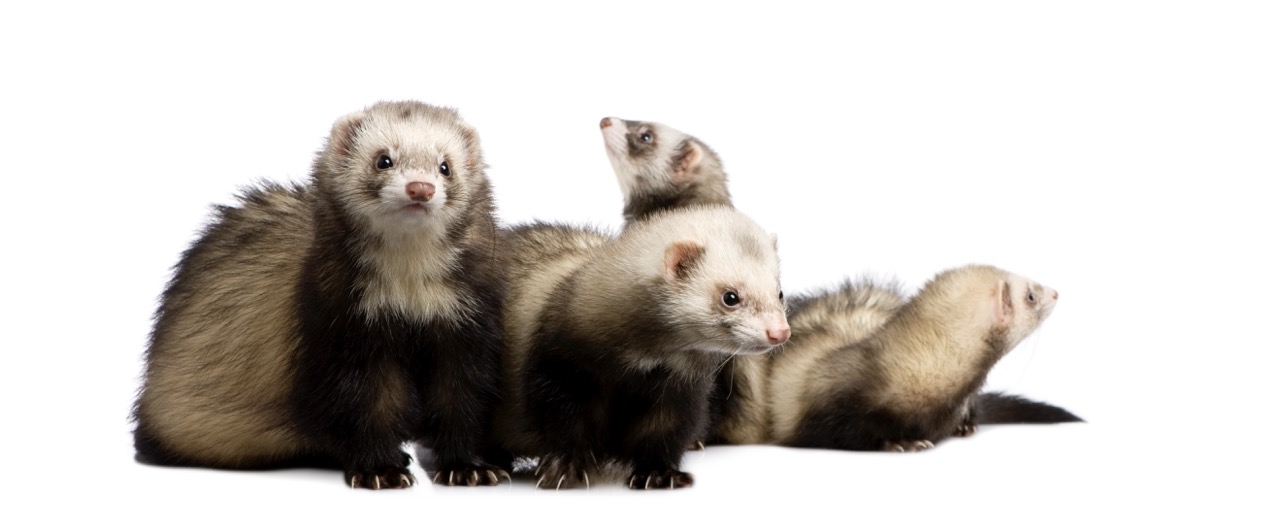
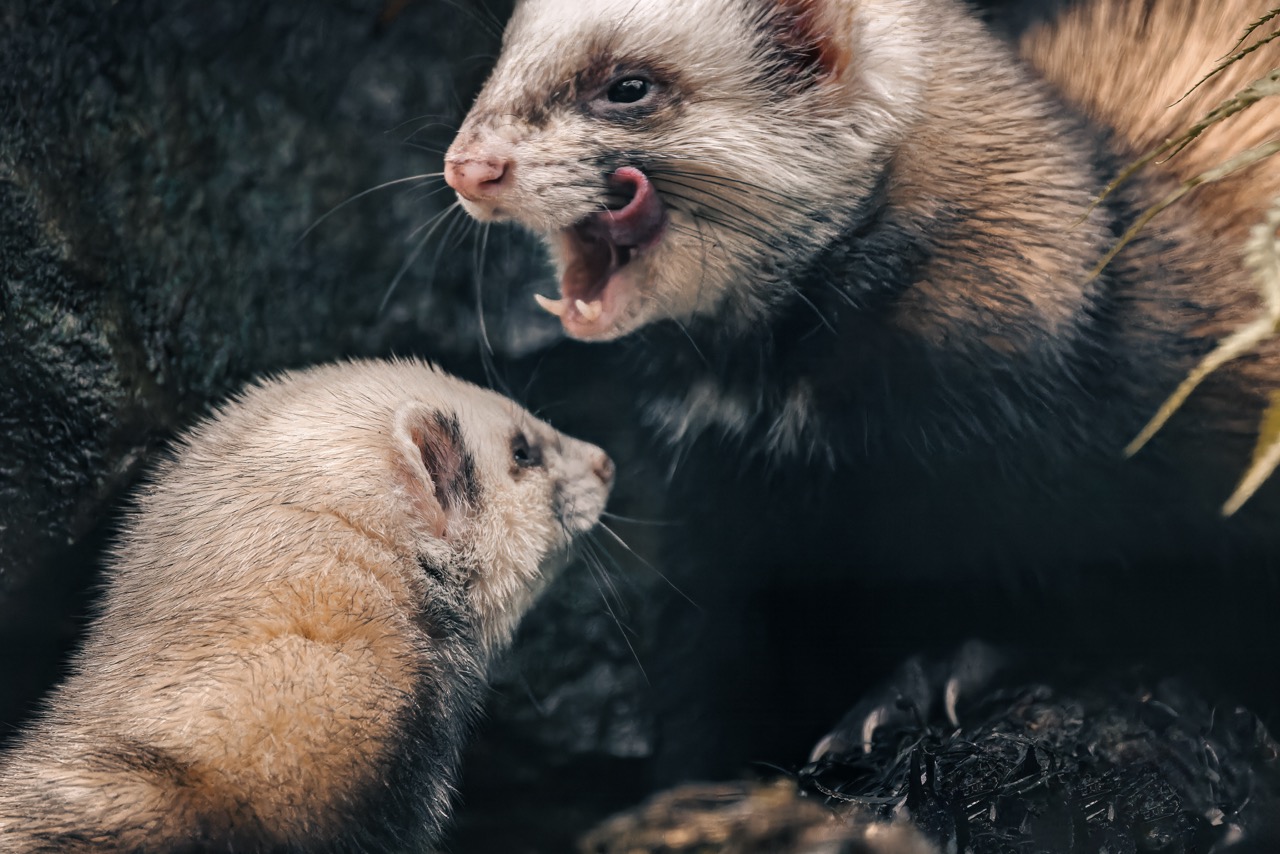
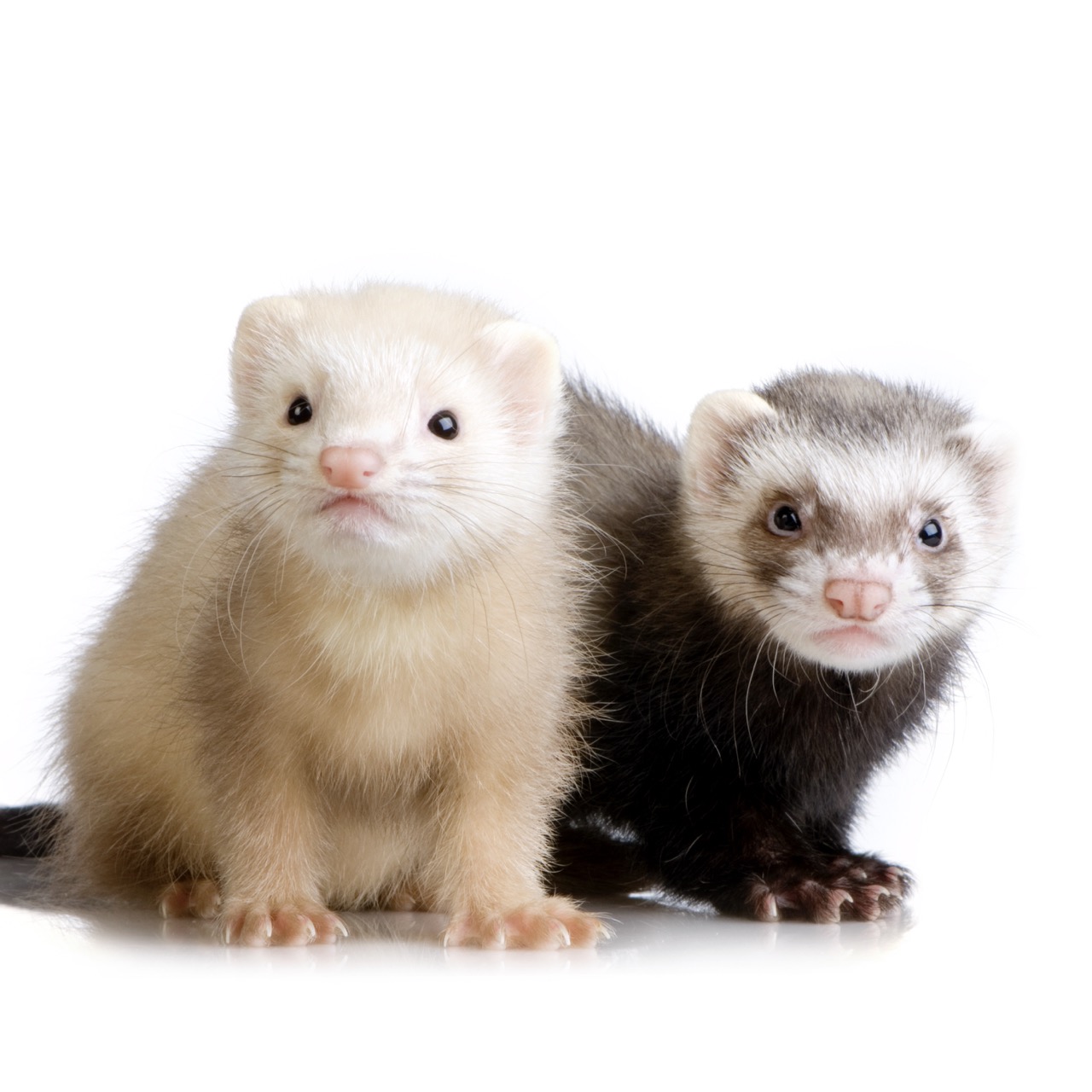
Ferrets have unique behaviors that potential owners must understand to provide appropriate care. They are highly social animals that thrive on interaction, both with their human companions and other ferrets. This means that adopting a single ferret may not be suitable, as they can become lonely and bored. Prospective owners should be prepared to engage in playtime and mental stimulation to keep their ferrets happy and healthy.
Furthermore, ferrets are curious creatures, often getting into mischief if not properly supervised. They require a safe and secure environment, as their small size allows them to squeeze into tight spaces. Understanding their natural instincts, such as digging and burrowing, is crucial. Providing them with appropriate toys and play areas can help channel these behaviors positively, reducing the likelihood of destructive actions.
Ferrets also have specific dietary needs that must be met for their overall health. A balanced diet high in protein is essential, as is access to fresh water. Owners should familiarize themselves with common health issues in ferrets, including adrenal disease and insulinoma, and be prepared to take them for regular veterinary check-ups. Understanding these aspects of ferret behavior and care is vital before making the commitment to adopt.
Researching Reputable Ferret Breeders and Rescue Organizations
Before adopting a ferret, it is essential to find a reputable source. Researching ferret breeders and rescue organizations can help ensure that you are adopting a healthy and well-socialized pet. When looking at breeders, examine their facilities and practices. A responsible breeder will prioritize the health and welfare of their ferrets, offering documentation of health screenings and vaccinations.
Alternatively, consider adopting from a ferret rescue organization. These rescues often take in abandoned or surrendered ferrets, providing a loving home for pets in need. Adopting from a rescue can be a rewarding experience, as you give a second chance to an animal that may have faced hardship. Many rescues also offer educational resources and support post-adoption, which can be invaluable for new ferret owners.
Regardless of the source, always ask about the ferret’s history, health status, and socialization. Visiting the facility and interacting with the ferrets can provide insight into their temperament and overall well-being. Engaging with other ferret owners in online forums or local communities can also help you find trustworthy breeders and rescues.
Preparing Your Home for a New Ferret Companion
Preparing your home for a ferret involves creating a safe environment that encourages exploration and play. Begin by ferret-proofing your space, removing hazards such as small objects, toxic plants, and electrical cords that could pose a risk. Consider investing in baby gates or barriers to restrict access to certain areas, ensuring that your ferret cannot escape or get into dangerous situations.
Next, set up a dedicated space for your ferret. A large, multi-level cage is ideal, as ferrets are active animals that require plenty of room to roam and explore. This cage should include bedding, litter boxes, and toys to keep your ferret entertained. Additionally, establish a designated play area outside the cage where your ferret can safely interact with you and explore their environment under supervision.
Lastly, stock up on essentials such as high-quality ferret food, water bottles, litter, and toys before bringing your new companion home. Having these items ready will help ease the transition for both you and your ferret. Familiarizing yourself with their specific needs will ensure that you are well-prepared for their arrival and contribute to a smooth adjustment period.
The Adoption Process: What to Expect and Consider
The adoption process for a ferret can vary depending on whether you are obtaining one from a breeder or a rescue organization. If adopting from a breeder, expect to fill out an application and possibly undergo an interview process. Breeders may want to ensure that you understand the responsibilities of ferret ownership and that you are prepared to provide a suitable environment.
On the other hand, when adopting from a rescue organization, the process may be more thorough. Many rescues conduct home visits or require references to ensure that the ferret will be going to a safe and nurturing home. They may also provide you with information about the specific needs and behaviors of the ferret you are interested in adopting, helping you make an informed decision.
Consideration should also be given to the long-term commitment of ferret ownership. Ferrets can live for 6 to 10 years, and adopting one means being prepared for their care throughout their lifespan. Be ready to invest time, effort, and resources into providing a loving and enriching environment for your new ferret companion.
Adopting a ferret can be a fulfilling and joyful experience, but it requires careful thought and preparation. Understanding their behavior, researching reputable sources, preparing your home, and navigating the adoption process are all essential steps to ensuring a successful transition for both you and your new pet. By approaching ferret adoption with the right knowledge and resources, you can create a lifelong bond with your furry companion.