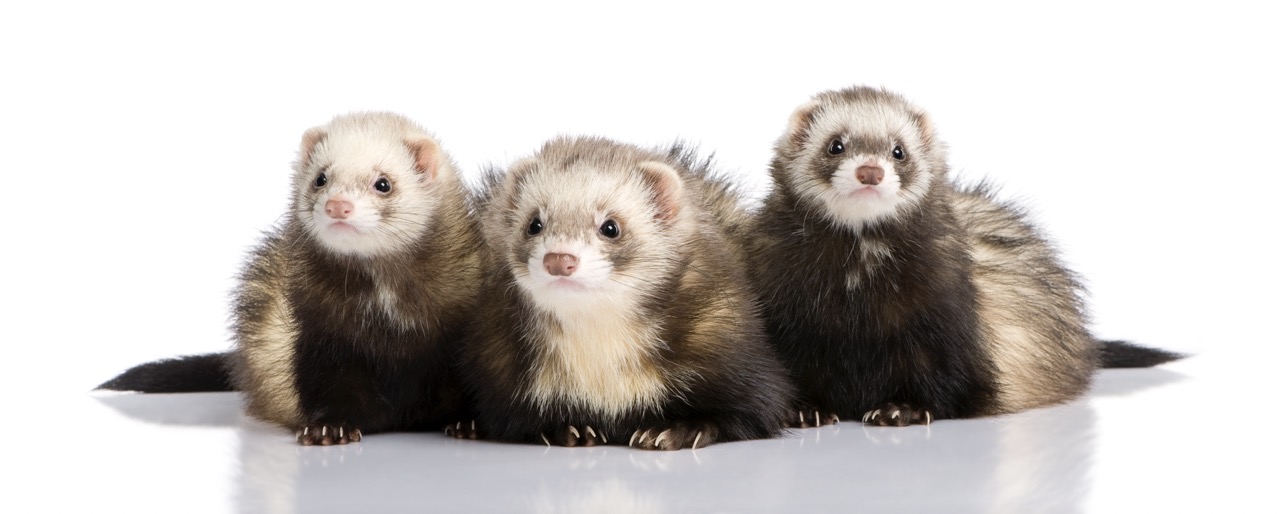






Creating a DIY ferret tunnel system can be a rewarding project for both you and your furry companions. Ferrets are naturally curious and energetic animals that thrive on exploration, and a tunnel system provides a stimulating environment for them to exercise, play, and engage their instincts. This article will guide you through the benefits of building a tunnel system, the essential materials and tools you’ll need, and a step-by-step construction guide, along with tips to keep your ferrets safe and entertained.
Understanding the Benefits of a DIY Ferret Tunnel System
Building a DIY ferret tunnel system offers numerous benefits for both your ferrets and yourself as a pet owner. Firstly, it provides an enriched environment that encourages physical activity and mental stimulation. Ferrets are known for their playful and inquisitive nature, and a well-designed tunnel system can mimic their natural burrowing behavior, allowing them to explore and discover in a safe setting.
Secondly, a tunnel system can help keep your ferrets engaged and reduce boredom-related behaviors, such as digging or chewing on furniture. By offering a designated space to roam and play, you can help alleviate some of the stress that comes with confinement, particularly if your ferrets are kept indoors. This can lead to a happier and healthier pet, which in turn can create a more harmonious home environment.
Lastly, constructing a DIY tunnel allows for customization to fit your space and your ferrets’ specific needs. You can design the layout according to your home’s dimensions, incorporate various obstacles and hideaways, and adjust it as your ferrets grow or change their activity levels. This flexibility not only makes the tunnel system enjoyable for your pets but also allows you to engage creatively in your pet care routine.
Essential Materials and Tools for Your Ferret Tunnel
Before embarking on your tunnel-building project, it is essential to gather the right materials and tools. The primary materials you will need include flexible tubing, which can be found at hardware stores or online. Look for smooth, safe plastic options that are easy to clean and won’t harm your ferrets. You will also need connectors to join sections of tubing, such as elbows and tees, to create different paths and turns within the tunnel system.
In addition to the tubing, you might want to use materials for flooring and stabilization. Carpeting scraps or soft mats can provide comfortable surfaces for your ferrets, while sturdy cardboard or wooden bases help to stabilize the structure. These materials will enhance the safety and comfort of the tunnels, giving your ferrets a secure area to explore.
For tools, having a pair of scissors or a utility knife will be necessary for cutting the tubing to the desired lengths. A measuring tape will help you ensure that your design fits within your available space, while a marker can assist you in marking measurements before cutting. Depending on your design, you might also need glue or screws for attaching various components securely.
Step-by-Step Guide to Constructing Your Tunnel System
Begin by planning and sketching out your tunnel design. Consider the available space in your home and how you want your ferrets to navigate the system. Incorporate various turns, flat areas, and elevation changes to create an engaging environment. Once you have your design finalized, proceed to cut the tubing into sections according to your measurements. Be sure to leave enough length for connectors to join the pieces securely.
Next, assemble the tunnels by connecting the tubing and ensuring that each joint is secure. Create multiple entry and exit points to give your ferrets options while exploring. You can build additional features, such as ramps or viewing platforms, using sturdy materials like wood or plastic to enhance the system further. Remember to regularly check the integrity of the structure to ensure that it remains safe for use.
Finally, place the tunnel system in a designated area of your home where your ferrets can play freely. Introduce your ferrets to the tunnels gradually, allowing them to explore at their own pace. This initial introduction is crucial for helping them acclimate and feel comfortable in their new environment. Ensure that the tunnel remains clean and safe for continued use, cleaning it regularly to prevent the buildup of dirt and odors.
Tips for Ensuring Safety and Fun for Your Ferrets
Safety should always be a top priority when creating a DIY ferret tunnel system. Avoid using materials that can splinter, break, or contain harmful chemicals. Ensure that the tunnel sections are securely connected, and check for any sharp edges that might cause injury. Regularly inspect the entire system for signs of wear or damage, and replace any compromised materials immediately to keep your ferrets safe while they play.
Incorporating hiding spots and toys into the tunnel system can significantly boost its play value. Adding small boxes, tubes, or even soft blankets can create cozy nooks where your ferrets can hide and rest. Use safe toys that can withstand ferret play, such as rubber balls or stuffed animals, to encourage interactive playtime. This not only keeps them entertained but also helps in developing their natural hunting and foraging skills.
Lastly, observe your ferrets as they explore their new tunnel system. Each ferret has its personality and play style, so pay attention to their preferences. If they seem to favor certain areas of the tunnel or specific toys, consider modifying the layout or adding more features that cater to their interests. Engaging with your ferrets during playtime can also strengthen your bond and provide them with the social interaction they crave.
In conclusion, creating a DIY ferret tunnel system is an excellent way to provide your furry friends with a stimulating and safe environment to explore and play. By understanding the benefits, gathering the right materials, following a systematic approach for construction, and prioritizing safety and enjoyment, you can create an engaging space that keeps your ferrets happy and healthy. With a little creativity and effort, you can transform your home into a ferret paradise that they will love and cherish.