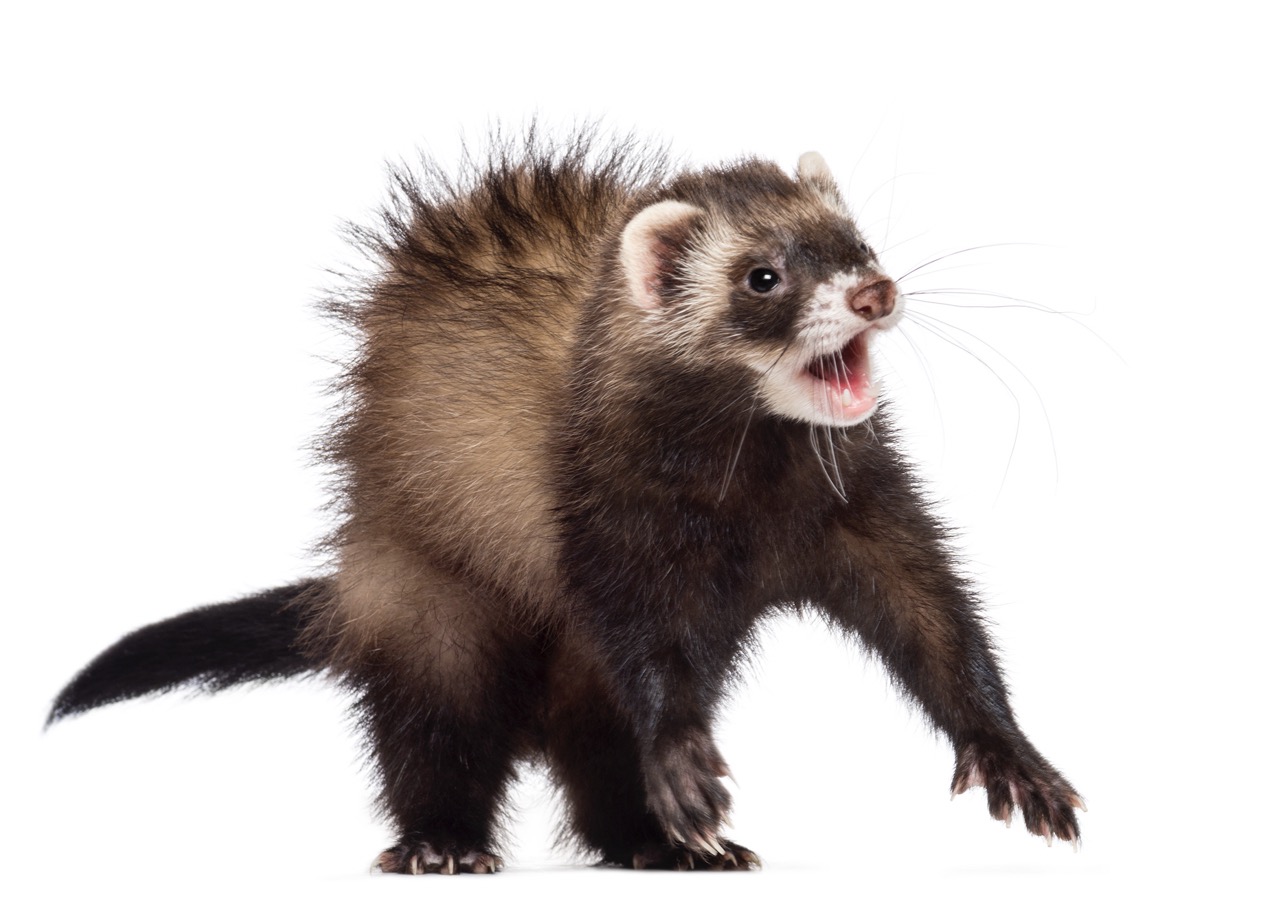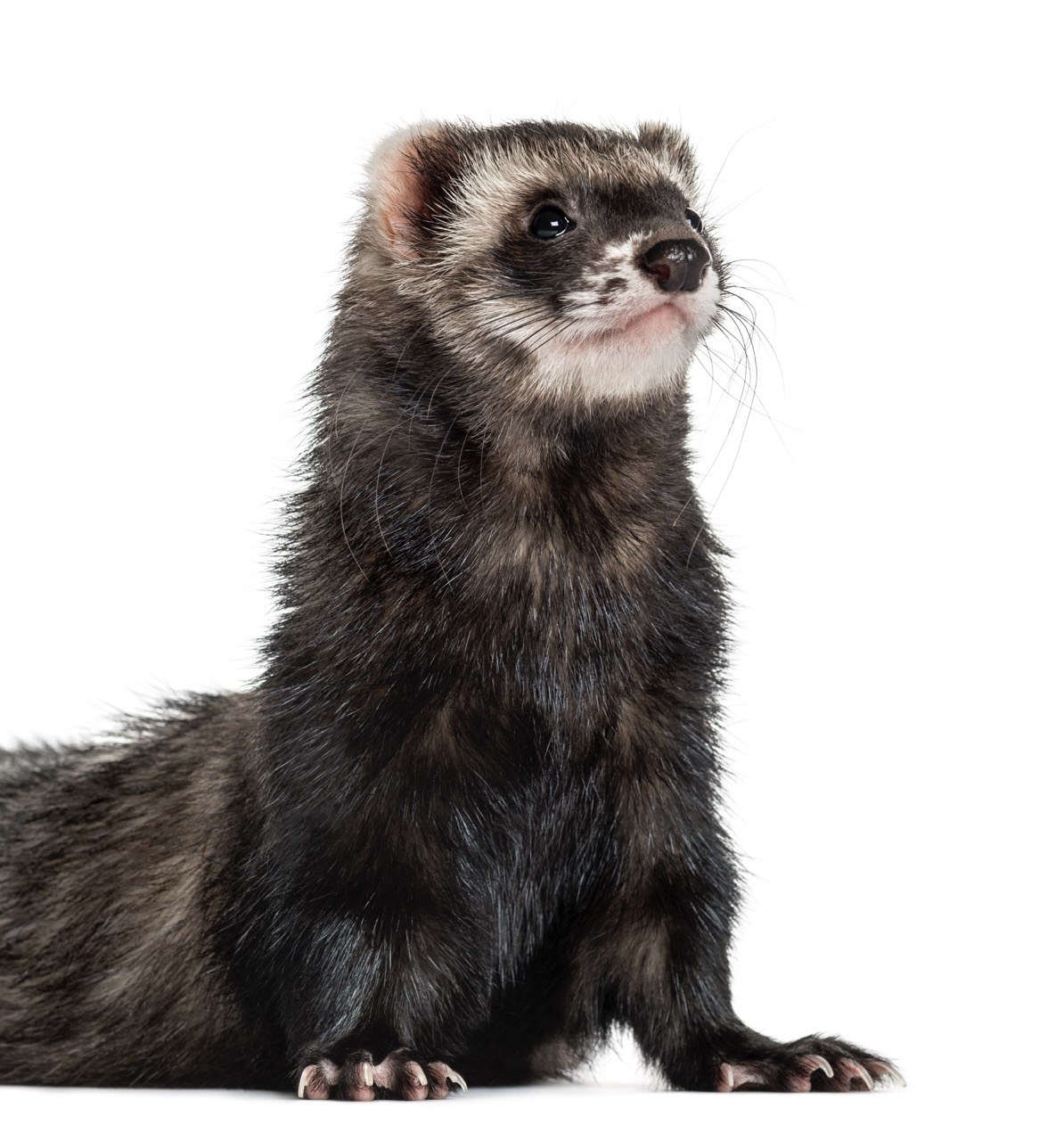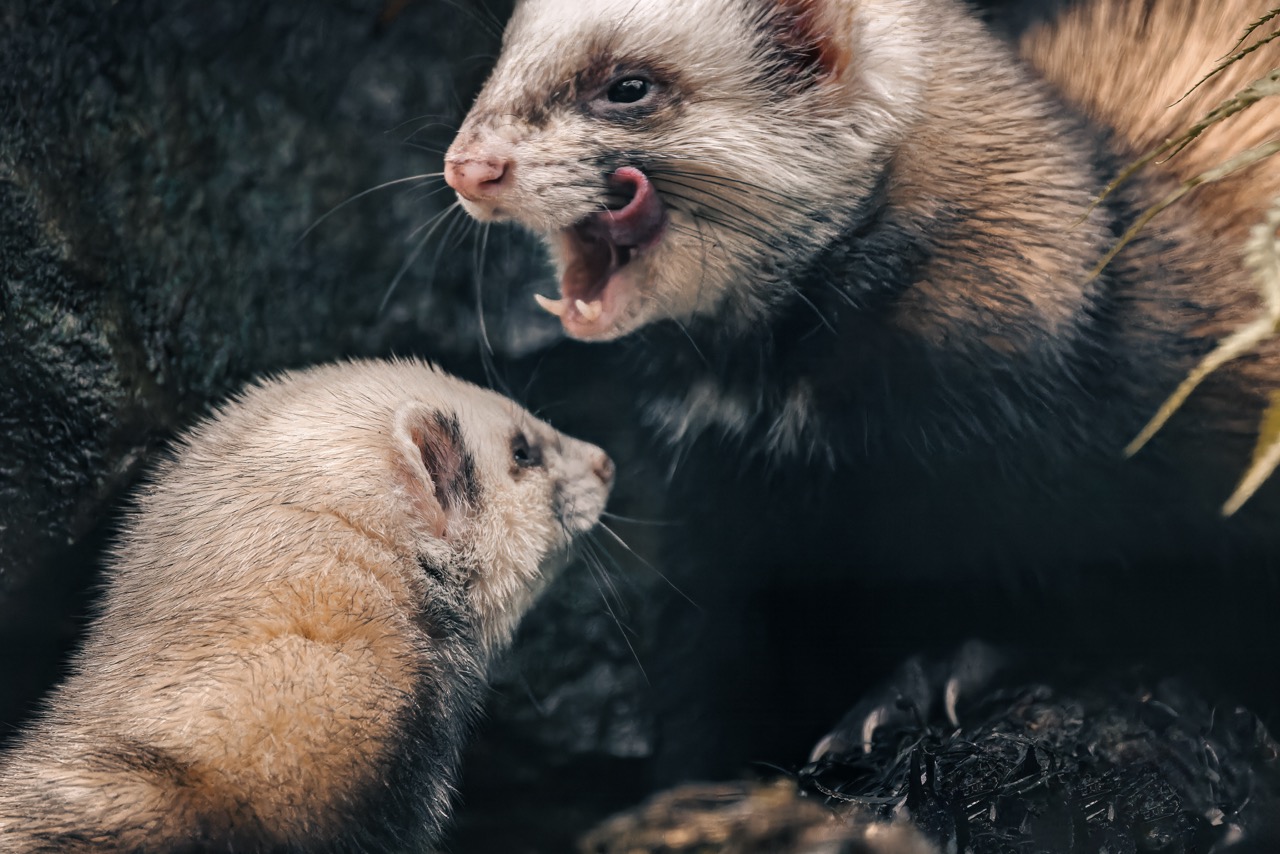






Ferrets are delightful, energetic pets that require a specific diet and care regimen to thrive. Understanding their unique nutritional needs is crucial for maintaining optimal health throughout their lives. Among various care aspects, health supplements often come into discussion among ferret owners, leading to questions about their necessity. This article delves into the nutritional requirements of ferrets, common health issues they face, the role of health supplements, and some recommended options that can benefit these playful creatures.
Understanding the Nutritional Needs of Ferrets
Ferrets are obligate carnivores, meaning their diet should primarily consist of animal protein and fat. Unlike some other pets, ferrets have a high metabolic rate and require a diet rich in protein, typically around 30-35% protein content, with fat levels around 15-20%. This nutritional profile ensures that they receive adequate energy to support their active lifestyles. A balanced diet can be achieved through high-quality ferret-specific kibble, raw meats, and occasional treats such as cooked eggs or small amounts of fruits and vegetables.
In addition to protein and fat, ferrets also need certain vitamins and minerals to support their overall health. Key nutrients include Vitamin E, taurine, and omega fatty acids, which contribute to healthy skin, fur, and immune function. Ferrets also lack certain enzymes necessary for digesting carbohydrates, which means their diet should be low in grains and sugars. Understanding these dietary restrictions is essential for ferret owners to provide appropriate food options and ensure their pets do not suffer from nutritional deficiencies.
To further enhance their diet, ferret owners might consider offering supplements that provide additional support for specific needs. These may include probiotics for digestive health, glucosamine for joint support, or omega fatty acids for skin health. However, the need for these supplements largely depends on the individual ferret’s health status, age, and specific dietary intake. Owner observation and consultation with a veterinarian can guide the decision-making process regarding ferret nutrition and supplementation.
Common Health Issues in Ferrets and Their Solutions
Ferrets are susceptible to a variety of health issues, some of which can be attributed to poor nutrition or lack of proper care. One common problem is adrenal gland disease, which is characterized by hormonal imbalances that can lead to symptoms like hair loss, increased aggression, and weight changes. Early detection and treatment options, including medication and surgical intervention, are essential to manage this condition effectively.
Insulinoma, another prevalent health issue in ferrets, involves the pancreas producing excessive insulin, resulting in dangerously low blood sugar levels. Symptoms may include lethargy, weakness, and seizures. Treatment often requires dietary adjustments, including frequent small meals, and in some cases, surgical options to remove affected pancreatic tissue. Regular veterinary check-ups and monitoring can play a significant role in early diagnosis and successful management of these conditions.
Dental problems are also prevalent in ferrets, with periodontal disease being the most common. Poor dental hygiene can lead to infections and pain, impacting a ferret’s overall well-being. Regular dental care, including appropriate chew toys and dental treats, can help maintain oral health. In severe cases, veterinary dental cleanings may be necessary. Addressing these common health issues requires a holistic approach that incorporates a balanced diet, regular veterinary care, and awareness of their unique health needs.
Evaluating the Necessity of Health Supplements for Ferrets
The necessity of health supplements for ferrets largely depends on their individual health profiles and dietary habits. While a well-balanced diet comprising high-quality ferret food can meet most nutritional requirements, some ferrets may benefit from additional supplementation. For instance, older ferrets or those with specific health conditions may require extra support in the form of glucosamine for joint health or probiotics for digestive issues.
Before introducing any supplements, it is essential for ferret owners to consult a veterinarian who is knowledgeable about ferret care. A professional can assess the ferret’s diet, lifestyle, and health status, and recommend appropriate supplements if necessary. It’s important to remember that supplements should never replace a balanced diet but rather serve as an enhancement to address specific needs.
Moreover, the pet supplement market can be overwhelming, with various products claiming to improve health. Owners should look for evidence-based supplements that adhere to quality standards. Choosing reputable brands and products that are specifically formulated for ferrets can help ensure safety and efficacy. Understanding when and what to supplement is key to ensuring the health and well-being of ferrets.
Recommended Ferret Health Supplements and Their Benefits
Several health supplements are commonly recommended for ferrets, each offering unique benefits. Omega fatty acid supplements can play a significant role in promoting healthy skin and coat, addressing issues such as dryness or excessive shedding. These supplements can also contribute to overall immune health, making them a valuable addition to a ferret’s diet, particularly for those with skin sensitivities.
Probiotics are another beneficial supplement for ferrets, especially for those experiencing digestive issues or after antibiotic treatments. These live microorganisms can help restore healthy gut flora, improving digestion and boosting the immune system. Regular use of probiotics may assist in preventing gastrointestinal disturbances and promoting overall gut health, which is vital for a ferret’s well-being.
Finally, glucosamine and chondroitin supplements are often recommended for older ferrets or those experiencing joint issues. These compounds support joint health and mobility, which can be crucial for active ferrets. Incorporating these supplements can help alleviate discomfort associated with age-related joint degeneration, ensuring that ferrets remain agile and playful throughout their lives.
In conclusion, while ferrets may not universally require health supplements, certain situations may make them beneficial. Understanding their unique nutritional needs, being aware of common health issues, and evaluating the necessity of supplements can empower ferret owners to make informed decisions regarding their pets’ health. Regular veterinary consultations can further guide the appropriate use of supplements tailored to individual ferret needs, ensuring a long, healthy, and happy life for these charming companions.