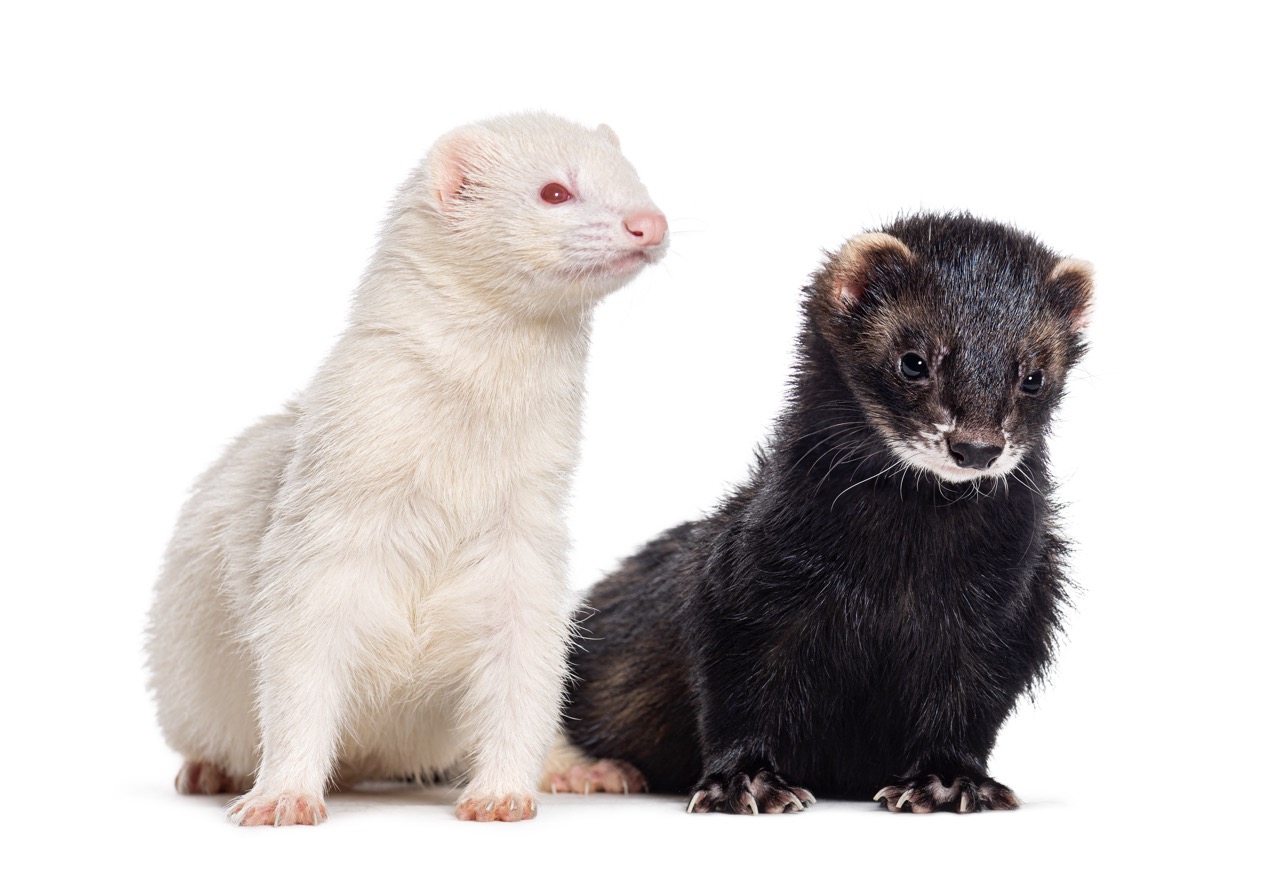





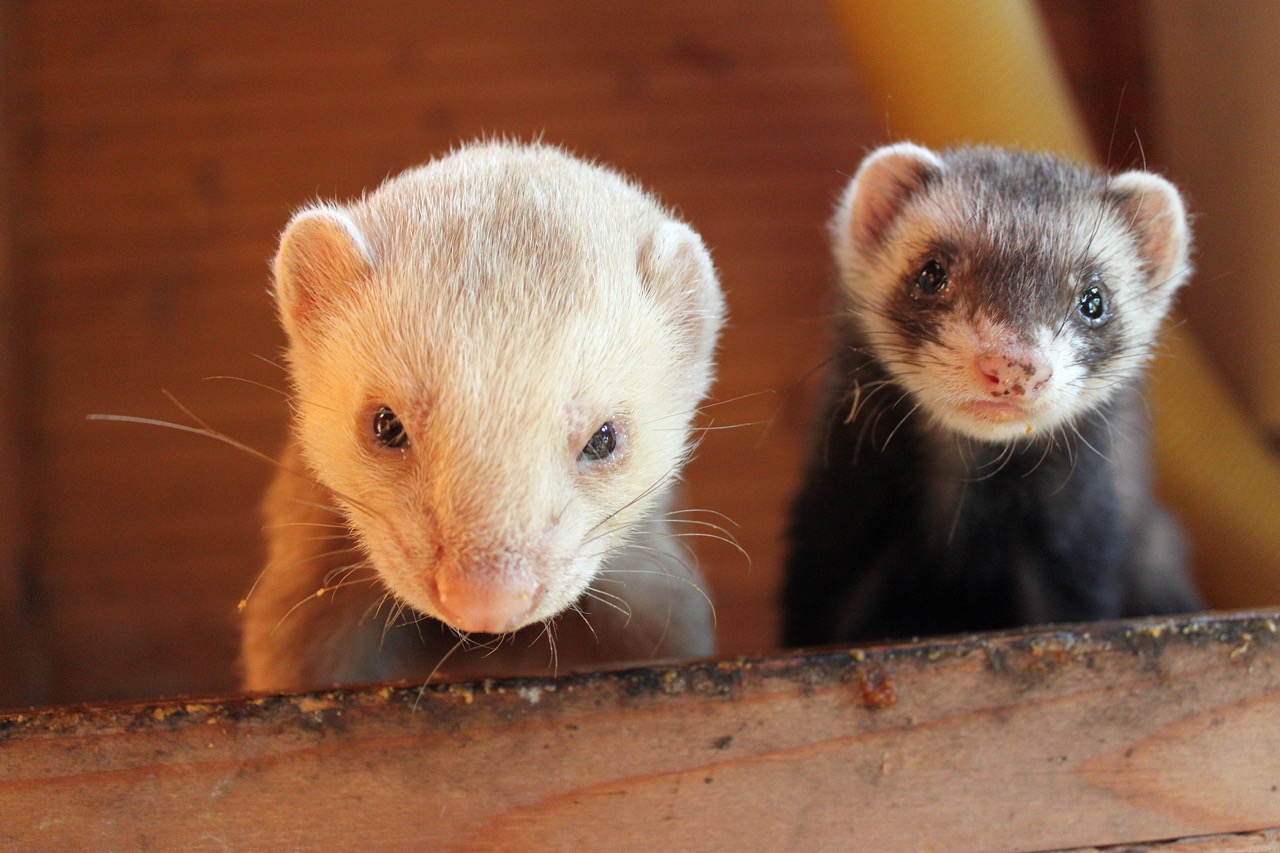
In the age of digital communication, social media has emerged as a powerful tool for raising awareness about various animal welfare issues, including the behavior of ferrets. These curious and playful creatures often exhibit behavioral challenges that are not widely understood by their owners or the general public. The ability to share insights, experiences, and educational content through platforms such as Facebook, Instagram, and Twitter has revolutionized how we approach ferret care. By leveraging social media, advocates for ferret welfare are able to bring attention to these behavior issues, encourage responsible pet ownership, and foster a sense of community among ferret enthusiasts.
The Role of Social Media in Animal Welfare Awareness
Social media serves as a vital platform for promoting animal welfare and education. With millions of users worldwide, platforms like Instagram and TikTok provide a unique opportunity to reach a diverse audience, spreading important messages about ferret behavior and care. The viral nature of social media can amplify the visibility of ferret-related issues, allowing users to engage with content that might otherwise go unnoticed. This is particularly important for ferrets, as many first-time owners may not be fully aware of the specific needs and behavioral tendencies of these animals.
Furthermore, social media allows for real-time communication and interaction among ferret owners, veterinarians, and animal behaviorists. This immediacy enables individuals to share their experiences and seek advice, fostering a more informed community. Posts that highlight common behavioral problems, such as biting, aggression, or anxiety, can prompt discussions that lead to greater understanding and solutions. The ability to share success stories alongside challenges creates a balanced narrative that encourages learning and empathy.
Finally, campaigns and hashtags related to ferret welfare can effectively mobilize support and resources. Initiatives aimed at raising awareness about behavioral issues can lead to fundraising efforts for shelters, rescue organizations, or educational resources. The collective power of social media can inspire individuals to take action, whether it be by adopting ferrets, volunteering, or simply educating themselves and others about ferret care. This interconnectedness not only benefits ferrets but also strengthens the community dedicated to their well-being.
Understanding Common Ferret Behavior Issues Online
Social media provides a platform for discussing common behavior issues that ferrets face, which can often be misunderstood or overlooked. For instance, ferrets exhibit a variety of natural behaviors, such as digging, climbing, and hiding, which can sometimes be mistaken for destructive behavior. Through informative posts and videos, owners can learn about the innate characteristics of ferrets, helping them to better interpret their pet’s actions and needs. This understanding is crucial for preventing misbehavior and ensuring a harmonious relationship between ferret and owner.
Moreover, social media enables the sharing of resources and expert opinions on ferret behavior. Many veterinarians and animal behaviorists utilize these platforms to post educational content, discussing issues like territorial aggression, litter box training, and socialization. By making this information accessible, social media allows ferret owners to learn from professionals and apply practical solutions to their pets’ behavioral challenges. This democratization of information fosters a more knowledgeable community, reducing the likelihood of abandonment and neglect due to behavioral misunderstandings.
Additionally, the trend of sharing personal ferret stories and videos can serve educational purposes. When pet owners post about their experiences with particular behavior issues, it provides relatable context for others facing similar challenges. By illustrating both successful strategies and the occasional setbacks, these narratives offer a realistic view of ferret ownership. Consequently, potential ferret adopters can make more informed decisions, and current owners can find affirmation and support in their experiences.
Engaging Communities to Share Ferret Care Insights
Social media platforms have transformed how communities form around shared interests, including ferret welfare. Groups dedicated to ferret owners allow for the exchange of care tips and behavioral insights, creating a treasure trove of knowledge for both new and seasoned ferret enthusiasts. The collaborative nature of these groups encourages members to share their expertise, fostering a sense of camaraderie and support. This community engagement is instrumental in disseminating information about ferret behavior, enhancing the overall quality of care provided to these animals.
Moreover, social media facilitates the organization of events and campaigns that further engage the community. Online challenges, such as photo contests or educational series, motivate users to participate actively while spreading awareness about ferret behavior issues. For instance, a campaign might focus on promoting positive reinforcement training, sharing videos of successful techniques that others can replicate. Such initiatives not only highlight best practices but also build a sense of accountability among members, encouraging them to prioritize their ferrets’ well-being.
Lastly, the interactive nature of social media allows for feedback and discussion, enabling a two-way communication channel between ferret owners and experts. Users can post questions or concerns regarding their ferret’s behavior, receiving input from those with more experience or specialized knowledge. This dynamic exchange of information nurtures a culture of learning and growth, empowering ferret owners to become advocates for their pets, ultimately benefiting the ferret community as a whole.
Leveraging Social Media for Ferret Behavior Education
Using social media as an educational tool for ferret behavior can yield significant benefits for both current and prospective owners. By creating and sharing infographics, videos, and articles that address specific behavior issues, organizations and individuals can reach a wide audience. This multimedia approach to education can capture the attention of users who may not typically engage with traditional sources of information, such as books or websites. The goal is to present complex behavioral information in an easily digestible format that resonates with a diverse audience.
In addition, social media allows for the collaboration between various stakeholders in the animal welfare community. Veterinarians, rescue organizations, and behavioral experts can pool their resources to create comprehensive educational campaigns. By working together, they can ensure that the information shared is accurate, evidence-based, and reflective of the latest research in ferret behavior. This collaborative approach not only enriches the educational content but also broadens its reach, reaching individuals who may need it most.
Furthermore, engaging content on social media can prompt discussions among followers, leading to a deeper understanding of ferret behavior. Comment sections and direct messages provide opportunities for dialogue, allowing individuals to ask questions and share experiences. This social interaction encourages a culture of curiosity and learning, where users are motivated to explore ferret behavior further. As a result, social media transforms into a platform for ongoing education, helping to cultivate responsible pet ownership and improved standards of care for ferrets.
In conclusion, social media plays a crucial role in bringing attention to ferret behavior issues and fostering a community dedicated to their welfare. By facilitating awareness, understanding, and engagement, social media serves as an essential tool for educating current and prospective ferret owners. As the online community continues to grow and share insights, the collective knowledge and advocacy for ferret care will inevitably lead to better outcomes for these beloved pets. With ongoing education and support, we can ensure that ferrets receive the understanding and care they deserve.