





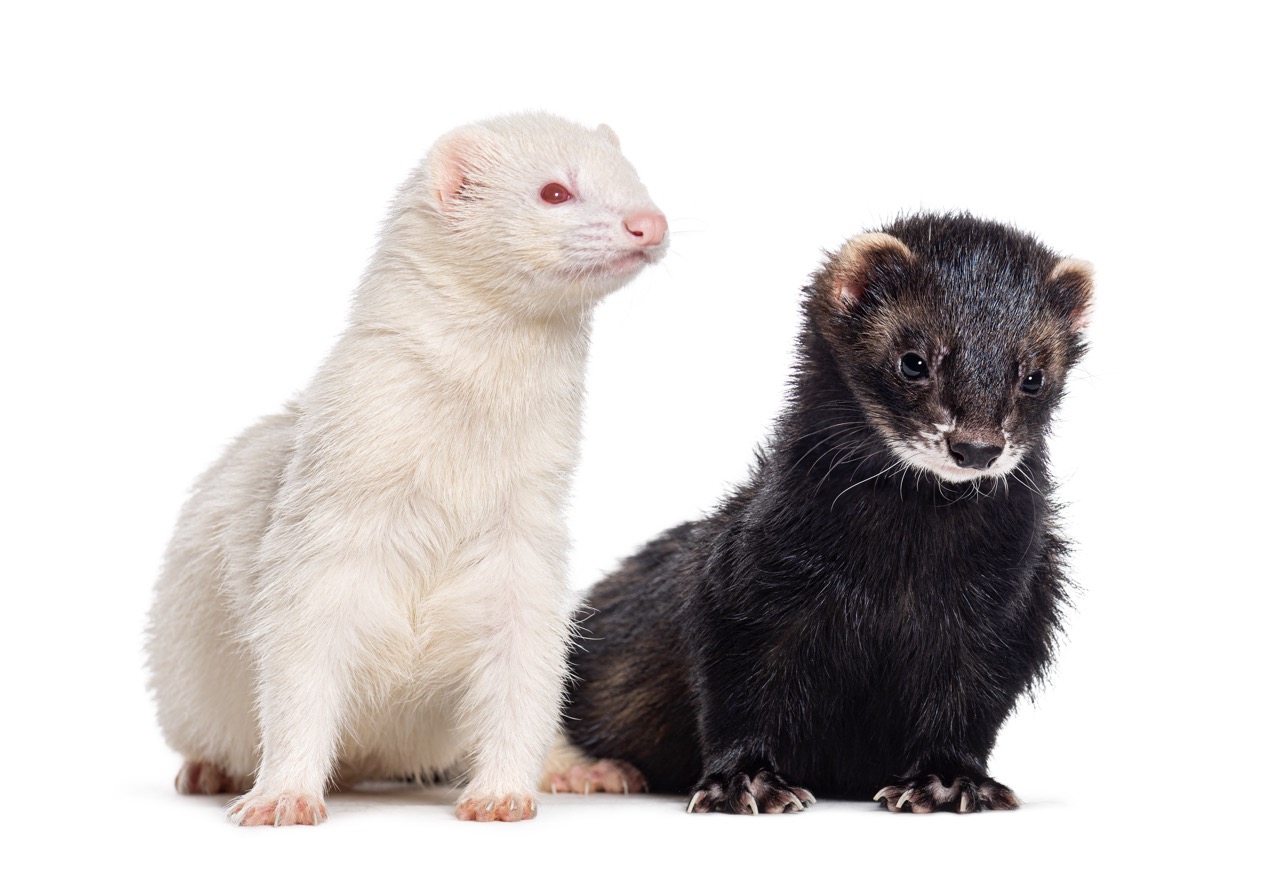
In an era where digital communication shapes public perception and action, social media has emerged as a vital tool for advocacy and education. Among the numerous causes that benefit from online promotion, ferret awareness campaigns have gained prominence, shedding light on the needs and challenges faced by these often-misunderstood pets. Understanding the importance of ferret awareness campaigns, leveraging social media platforms effectively, and learning from successful case studies are critical components in the ongoing effort to foster a more informed public regarding ferret care and welfare.
Understanding the Importance of Ferret Awareness Campaigns
Ferrets, while increasingly popular as pets, often face significant misconceptions about their care requirements and behavior. Many people are unaware of the specific needs of ferrets, which can lead to neglect or abandonment. Awareness campaigns serve to educate potential ferret owners about the responsibilities involved in providing a suitable environment, diet, and socialization for these social creatures. Without proper education, ferrets may suffer from health issues or behavioral problems due to inadequate care.
Moreover, ferret awareness campaigns play an essential role in highlighting the issues of ferret rescue and adoption. Shelters and rescue organizations often struggle to find homes for abandoned or surrendered ferrets, and awareness campaigns can significantly influence public attitudes towards adoption. By showcasing the unique qualities of ferrets and promoting responsible ownership, these campaigns can help reduce the number of ferrets in need of rescue, while encouraging potential adopters to consider these playful animals.
Lastly, raising awareness about ferret welfare can lead to more significant societal changes, such as improved legislation concerning the treatment and ownership of ferrets. Informing the public about the legalities and ethical considerations of ferret ownership can foster a culture of responsibility and compassion. This, in turn, may influence policymakers to act in favor of stronger animal welfare laws, ensuring a better future for ferrets across communities.
Social Media Platforms: Tools for Advocacy and Education
Social media platforms have revolutionized the way advocacy and education are conducted. For ferret awareness campaigns, platforms like Facebook, Instagram, Twitter, and TikTok serve as powerful tools to reach a diverse audience. Visual content, such as photos and videos of ferrets, can capture attention quickly, making it easier to convey important messages about ferret care and welfare. These platforms facilitate the sharing of information and experiences, fostering a sense of community among ferret enthusiasts and advocates.
Engagement is another critical aspect of using social media for advocacy. By creating interactive content, such as polls, quizzes, and live Q&A sessions, organizations can actively involve their audience in discussions about ferret care and ownership. This engagement not only helps to disseminate information but also allows organizations to gauge public attitudes, refine their messaging, and respond to questions or misconceptions directly.
Furthermore, social media’s ability to enable targeted outreach cannot be overlooked. By utilizing hashtags and participating in trending conversations, ferret awareness campaigns can reach specific demographics and communities that may be more receptive to their messages. This strategic targeting can lead to increased visibility and support for ferret-related causes, creating a ripple effect that encourages wider participation in advocacy efforts.
Successful Case Studies of Ferret Awareness on Social Media
One notable case of effective ferret awareness on social media is the "Ferrets for Adoption" campaign initiated by a well-known animal rescue organization. Utilizing Facebook and Instagram, the campaign featured adorable images of adoptable ferrets alongside stories highlighting their unique personalities and needs. The posts generated substantial engagement, with followers sharing the content to widen its reach. Ultimately, this initiative led to a marked increase in adoptions and foster placements, demonstrating the power of social media in promoting ferret welfare.
Another successful example is the "Ferret Awareness Week" campaign, which took place on various platforms including Twitter and TikTok. During this week-long event, advocates shared educational content about ferret care, health tips, and the importance of rescue and adoption. Influencers and ferret enthusiasts participated by sharing their own experiences and insights, creating a widespread conversation about ferret ownership. The campaign culminated in a fundraising drive for ferret rescues, showcasing how social media can be leveraged not only for awareness but also for tangible support.
Lastly, the "Ferret Facts" series on Instagram highlighted daily tips and interesting facts about ferrets, aimed at both current and prospective owners. Each post featured engaging graphics and concise information that was easy to digest and share. This educational approach not only informed followers but also encouraged them to engage in discussions about ferret care in the comments section. Such initiatives illustrate how consistent and creative content can establish a reliable source of information for ferret lovers and promote responsible ownership practices.
Best Practices for Promoting Ferret Awareness Online
To maximize the impact of ferret awareness campaigns on social media, organizations should prioritize high-quality visual content. Eye-catching images and videos featuring ferrets in various settings can draw attention and encourage sharing among users. Highlighting the playful and affectionate nature of ferrets can help dispel myths and attract potential adopters. Utilizing platforms that emphasize visual storytelling, such as Instagram and TikTok, can significantly enhance engagement and reach.
Consistency in messaging is another best practice for online awareness campaigns. Campaigns should establish a clear, cohesive narrative that resonates with their audience. This involves using a consistent tone, style, and visual branding across posts. Organizations should also create a content calendar to ensure regular updates and maintain momentum throughout the campaign. By reinforcing key messages about ferret care and welfare, organizations can foster a deeper understanding among their audience.
Finally, engaging with the audience is crucial for building a supportive community around ferret awareness. Organizations should respond to comments, answer questions, and encourage followers to share their own ferret stories. Creating opportunities for user-generated content can further enhance engagement; for example, hosting photo contests or challenges that invite followers to share pictures of their ferrets can create a sense of camaraderie and promote positive narratives surrounding ferret ownership.
In conclusion, social media has become an indispensable tool in the fight for ferret awareness, enabling advocates to educate the public, promote responsible ownership, and support rescue efforts. By understanding the importance of campaigns, utilizing various platforms effectively, learning from successful initiatives, and adhering to best practices, organizations can significantly elevate their outreach. As ferret ownership continues to grow, the role of social media in fostering a more informed and compassionate community around these unique pets will only become more critical.