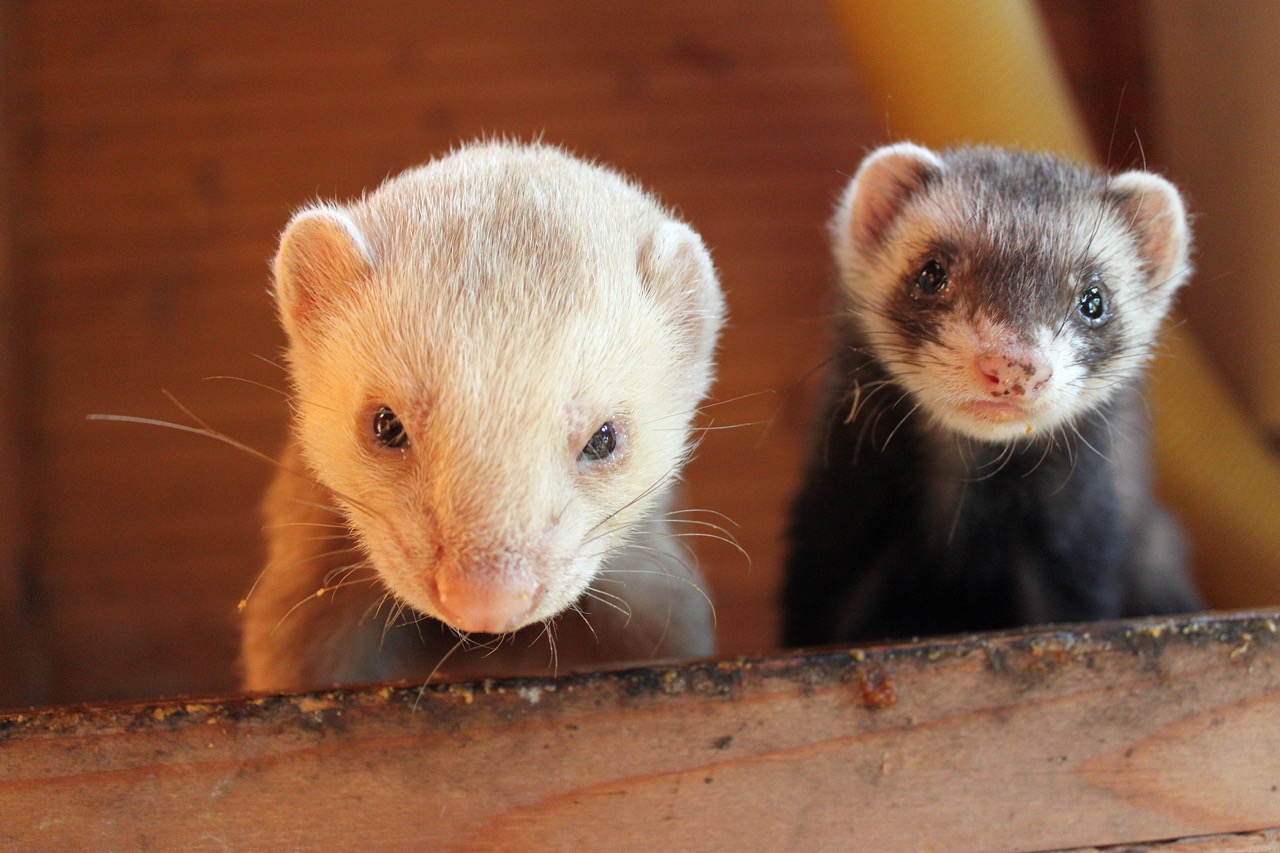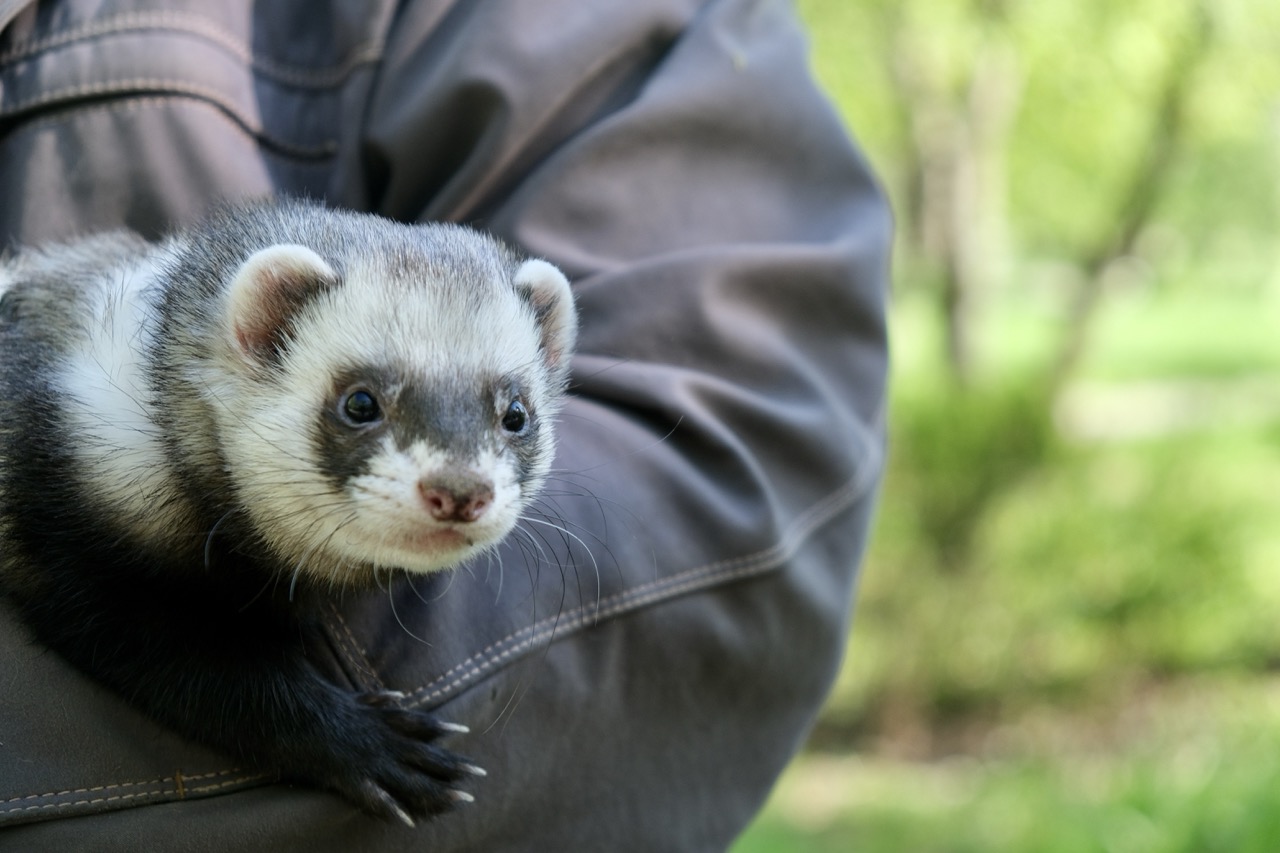






In recent years, social media has emerged as a powerful tool for raising awareness and advocating for various animal welfare causes. Among these, ferret welfare has gained notable attention through targeted campaigns that aim to educate the public about the needs and challenges faced by these charming pets. As ferrets become increasingly popular as companion animals, the importance of responsible ownership and proper care has never been more critical. This article explores the rise of social media campaigns focusing on ferret welfare, highlights notable success stories, discusses effective strategies for engagement, and examines the overall impact of these initiatives.
The Rise of Social Media Campaigns for Ferret Welfare
Social media platforms such as Facebook, Instagram, and Twitter have transformed the landscape of animal advocacy by providing organizations and individuals with a platform to share information, stories, and resources about welfare issues. For ferrets, this rise in social media engagement has fostered a community of advocates dedicated to improving the lives of these animals. With the ability to reach a global audience instantly, campaigns can spread awareness and educate potential ferret owners about the responsibilities associated with pet ownership.
In recent years, the ferret community has become more organized, with various groups harnessing the power of social media to unite ferret lovers and promote welfare initiatives. These platforms allow for the sharing of success stories, rescue efforts, and educational content, all aimed at improving the understanding of ferret care. As a result, the dialogue surrounding ferret welfare has expanded, allowing for increased visibility of the unique challenges these animals face, such as health issues, abandonment, and misconceptions about their care needs.
The accessibility of social media has also empowered individual advocates to take a stand for ferret welfare. Pet owners and enthusiasts alike can create their own campaigns, share their experiences, and connect with like-minded individuals. This grassroots movement has facilitated the emergence of a more informed public, fostering an environment where ferret welfare is prioritized and discussed openly. As a result, social media has become an invaluable resource for ferret advocacy.
Notable Campaigns: Success Stories in Ferret Advocacy
Several impactful campaigns have emerged in the realm of ferret welfare, demonstrating the effectiveness of social media as a tool for advocacy. One notable initiative is the "Ferret Awareness Month," which encourages ferret owners to share their stories, photos, and educational resources throughout the month of April. This campaign has successfully raised awareness about the specific needs of ferrets, including health care, socialization, and environmental enrichment. By using a dedicated hashtag, participants can easily find and share content, creating a sense of community among ferret lovers.
Another successful campaign is the "Adopt Don’t Shop" movement specifically tailored for ferrets. This initiative emphasizes the importance of adopting ferrets from shelters and rescues rather than purchasing them from pet stores or breeders. Through heartwarming stories and compelling visuals, this campaign has garnered significant attention and has led to increased adoptions across various regions. By featuring adoptable ferrets and highlighting the plight of those in need, the campaign has effectively motivated potential owners to consider rescue options.
Additionally, organizations like the Ferret Rescue and Adoption Society (FRAS) have leveraged social media to promote their mission. Through engaging posts, informative videos, and live Q&A sessions, they have educated the public on the realities of ferret care while showcasing their rescue efforts. These campaigns not only raise awareness but also encourage donations and volunteer support, illustrating how effective social media can be in mobilizing resources for ferret welfare.
Engaging Strategies: How to Effectively Raise Awareness
To effectively raise awareness for ferret welfare through social media, organizations and advocates must utilize a variety of engaging strategies. One of the most effective methods is storytelling, where individual experiences with ferrets are shared to evoke empathy and connection. By highlighting personal journeys, challenges, and successes, advocates can create compelling narratives that resonate with audiences and inspire them to take action.
Another crucial strategy is the use of visual content, particularly high-quality images and videos. Ferrets are known for their playful and curious nature, and showcasing their antics can capture the attention of a broader audience. Posts featuring adorable ferret photos or informative videos on proper care techniques can go viral, spreading awareness far beyond the immediate following. Incorporating infographics that summarize key information about ferret welfare can also facilitate quick understanding and sharing among viewers.
Engagement is further enhanced through interactive content such as polls, quizzes, and challenges. Encouraging followers to participate in discussions or share their own ferret-related content can foster a sense of community and belonging. For example, challenges that inspire users to post videos of their ferrets engaging in enrichment activities promote awareness about the importance of mental stimulation while also generating organic content that can be shared widely.
The Impact of Social Media on Ferret Welfare Initiatives
The impact of social media on ferret welfare initiatives has been profound, leading to increased awareness, advocacy, and engagement within the community. As campaigns gain traction, they create a ripple effect that encourages responsible pet ownership and supports rescue efforts. More individuals are now aware of the specific needs of ferrets, leading to better-informed decisions when it comes to adoption and care. This shift in awareness has the potential to reduce the number of abandoned or neglected ferrets, ultimately improving their quality of life.
Furthermore, social media has enabled organizations to mobilize resources and support more effectively than ever before. Fundraising efforts and donation drives can quickly gain momentum through viral campaigns, allowing for the rescue and rehabilitation of more ferrets in need. As advocates share their successes and challenges, they inspire others to contribute, whether through volunteering, fostering, or financial support. This collective effort strengthens the community and enhances the overall impact of ferret welfare initiatives.
Lastly, social media has created a platform for collaboration among various organizations and individuals working toward a common goal. Cross-promotion of campaigns and shared resources have resulted in a unified front for ferret welfare. By working together, advocates can amplify their messages, share best practices, and create a larger network dedicated to improving the lives of ferrets everywhere. The power of social media has undoubtedly revolutionized the way ferret welfare is approached, paving the way for a brighter future for these beloved companions.
In conclusion, social media campaigns have played a pivotal role in raising awareness for ferret welfare, transforming the way advocates communicate and mobilize support for these animals. By leveraging the power of storytelling, visual content, and community engagement, these campaigns have successfully educated the public about responsible ferret ownership and the challenges faced by ferrets in need. As the ferret welfare movement continues to grow, it is essential for advocates to harness the potential of social media to ensure that the voices of these charming creatures are heard and their welfare prioritized. The journey of advocating for ferrets is ongoing, but with the continued support of social media, the future looks promising for these delightful pets.