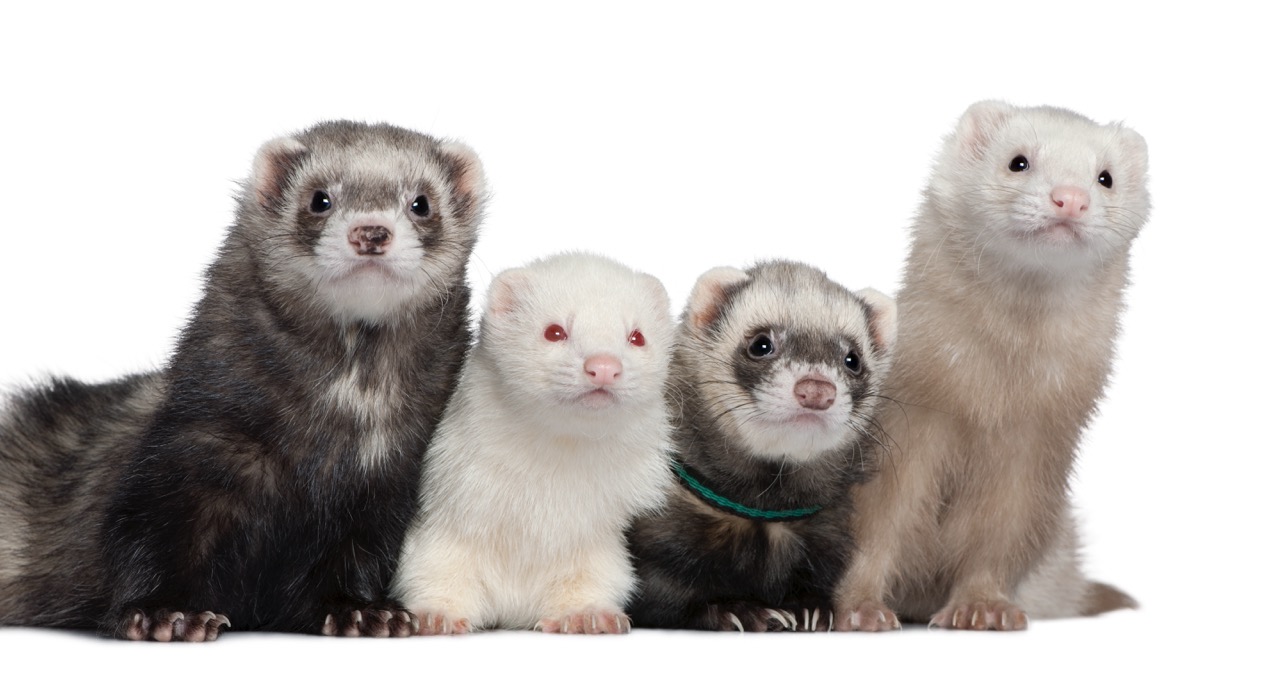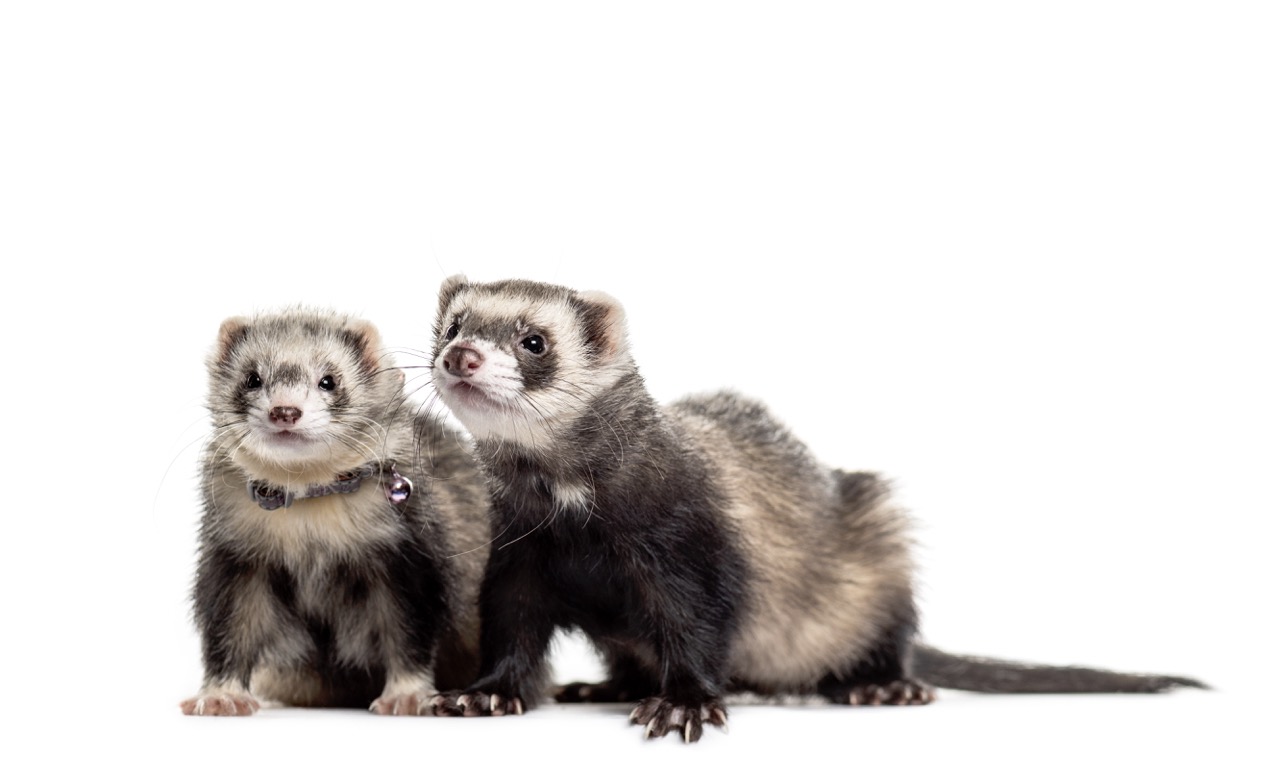





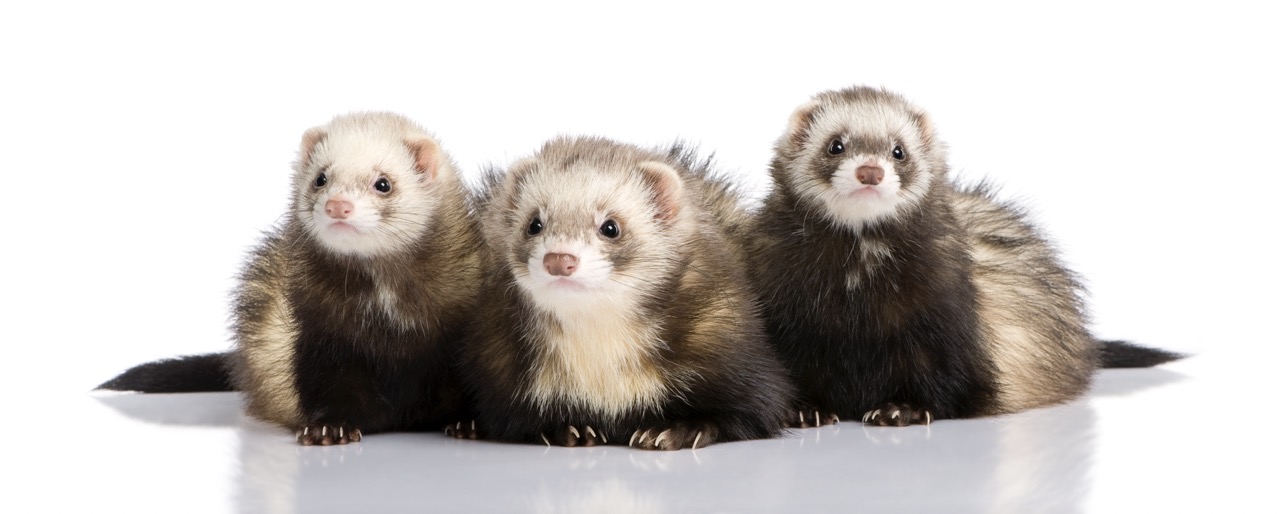
Ferrets, belonging to the family Mustelidae, are unique creatures often kept as pets due to their playful nature and curious behaviors. Understanding the biology behind their fights and play is crucial for ferret owners who want to foster a healthy environment for their pets. This article delves into the evolutionary context of ferret behavior patterns, the anatomical and physiological factors that drive their interactions, the distinctions between play fighting and aggressive behavior, and the social dynamics that underlie how ferrets establish hierarchies through play.
The Evolutionary Context of Ferret Behavior Patterns
The ferret’s evolutionary history significantly influences its behavior. Descended from the wild European polecat, ferrets have developed a range of behaviors suited for hunting and social interactions. Their ancestors relied on agility and stealth to hunt small mammals, which has led to a natural inclination for both play and combat simulations as forms of practice for real-life encounters. These behaviors are not merely instinctual; they are critical for survival, enabling ferrets to hone the skills necessary for capturing prey, while also allowing them to interact with others of their kind.
In the wild, ferrets often engage in cooperative hunting and play, which helps establish social bonds within their group. Such interactions have been essential for their survival, as they promote teamwork and communication. The genetics of ferrets have been shaped by these social behaviors, leading to a natural inclination for both aggression and playfulness. Understanding these evolutionary factors allows pet owners to appreciate why ferrets display such a wide range of behaviors in a domestic setting.
Furthermore, the social structures in which ferrets evolved are relevant to their play and fighting behaviors. In a natural setting, ferrets often live in family groups, allowing them to develop complex social hierarchies. These hierarchies are established through displays of dominance and submission, which are often played out in the form of mock battles. Thus, the evolutionary context of ferret behavior is deeply intertwined with their instincts, social needs, and the necessity for survival in both wild and domestic environments.
Anatomy and Physiology: What Drives Ferret Interactions
The anatomy and physiology of ferrets play a significant role in their interactions, particularly during play and fights. Ferrets are built for agility and speed, with long, slender bodies and flexible spines that allow for quick movements and abrupt changes in direction. Their sharp claws and teeth, while not used primarily for aggression in domestic settings, still reflect their predatory heritage. Understanding these physical attributes can help owners recognize the potential risks associated with rough play or fights, as well as the need for safe environments.
Physiologically, ferrets have a unique set of sensory adaptations that guide their interactions. Their keen sense of smell and hearing enable them to perceive social cues from other ferrets. This heightened awareness is crucial for understanding the intentions of their playmates, whether they are engaging in friendly play or signaling aggression. Additionally, ferrets possess a highly developed brain that supports complex behaviors, including problem-solving and communication. This neurological framework underpins their ability to navigate social dynamics and react appropriately to various situations.
Moreover, the role of hormones in ferret interactions cannot be overlooked. Testosterone, for instance, influences aggressive behaviors, particularly in unneutered males. Understanding these hormonal influences gives pet owners insight into the temperaments of their ferrets, helping them manage interactions more effectively. By recognizing that both physical and physiological factors drive ferret behavior, owners can better facilitate healthy play and mitigate potential conflicts.
Play Fighting vs. Aggressive Behavior in Ferrets
Distinguishing between play fighting and aggressive behavior is essential for ferret owners to ensure their pets are safe and well-adjusted. Play fighting usually involves a variety of behaviors such as chasing, pouncing, and rolling around, characterized by relaxed body language and vocalizations. During these interactions, ferrets will often alternate roles, taking turns as the "attacker" and "defender," which helps them develop important social skills. Recognizing the signs of play can reassure owners that their ferrets are engaging in healthy socialization rather than engaging in combat.
In contrast, aggressive behavior in ferrets typically includes signs of stress or fear, such as hissing, growling, or a stiffened body posture. When ferrets engage in aggressive behavior, their actions are often motivated by territoriality or competition for resources. Understanding the thresholds for aggression is crucial for pet owners, as it allows them to intervene when necessary to prevent injury and ensure a balanced social environment. It is important to note that even well-socialized ferrets may occasionally exhibit aggressive tendencies, especially if they feel threatened or overstimulated.
To foster a positive environment, owners should provide ample opportunities for constructive play while being vigilant about signs of aggression. Techniques such as supervised playdates and gradual introductions between ferrets can help establish healthy boundaries. By differentiating between play fighting and aggressive behavior, owners can better facilitate a harmonious living situation for their ferrets, promoting both their physical and emotional well-being.
Social Dynamics: How Ferrets Establish Hierarchies Through Play
Ferrets are inherently social animals that thrive on interaction with their peers. Through play, they establish and reinforce social hierarchies within their group. Hierarchies are often displayed through behaviors that indicate dominance or submission, and play fighting serves as a non-lethal way to explore these roles. The dynamics observed during play can be quite complex; for instance, a ferret that initially appears dominant may submit in subsequent interactions, showcasing the fluidity of their social structures.
The establishment of dominance can be observed in various ways during play. For example, a ferret may pin another down or chase them around, showcasing their ability to assert control. These interactions are crucial for defining relationships within a group and can lead to a stronger bond between individuals. This bonding process is vital for ferrets, as they rely on intricate social relationships for emotional support and companionship, enhancing their overall quality of life.
Furthermore, the ability to navigate social hierarchies through play impacts ferret behavior in other contexts, such as during feeding or sleeping. A ferret that understands its place within the social hierarchy may demonstrate greater confidence in accessing resources or finding preferred resting spots. By comprehending these social dynamics, owners can create an environment that promotes healthy interactions, allowing their ferrets to thrive both socially and emotionally.
Understanding the biology behind ferret fights and play is essential for any owner looking to nurture a healthy environment for their pets. By exploring the evolutionary context of their behavior, the anatomy and physiology that drive interactions, the differences between play fighting and aggressive behavior, and the social dynamics at play, we can better appreciate the complexities of ferret interactions. Ultimately, providing a safe, stimulating, and socially rich environment will ensure that ferrets remain happy, healthy, and well-adjusted companions.