




Ferrets, small carnivorous mammals belonging to the weasel family, are known for their playful nature and cunning hunting skills. Their unique adaptations, particularly in their vision, play a crucial role in their hunting behavior. Understanding the intricacies of ferret vision not only sheds light on their predatory tactics but also highlights the evolutionary advantages that come with their specialized ocular features. This article explores the anatomy and functionality of ferret eyes, the significance of binocular vision, the impact of eye color on hunting strategies, and how ferrets adapt to low-light environments.
Understanding Ferret Vision: Anatomy and Functionality
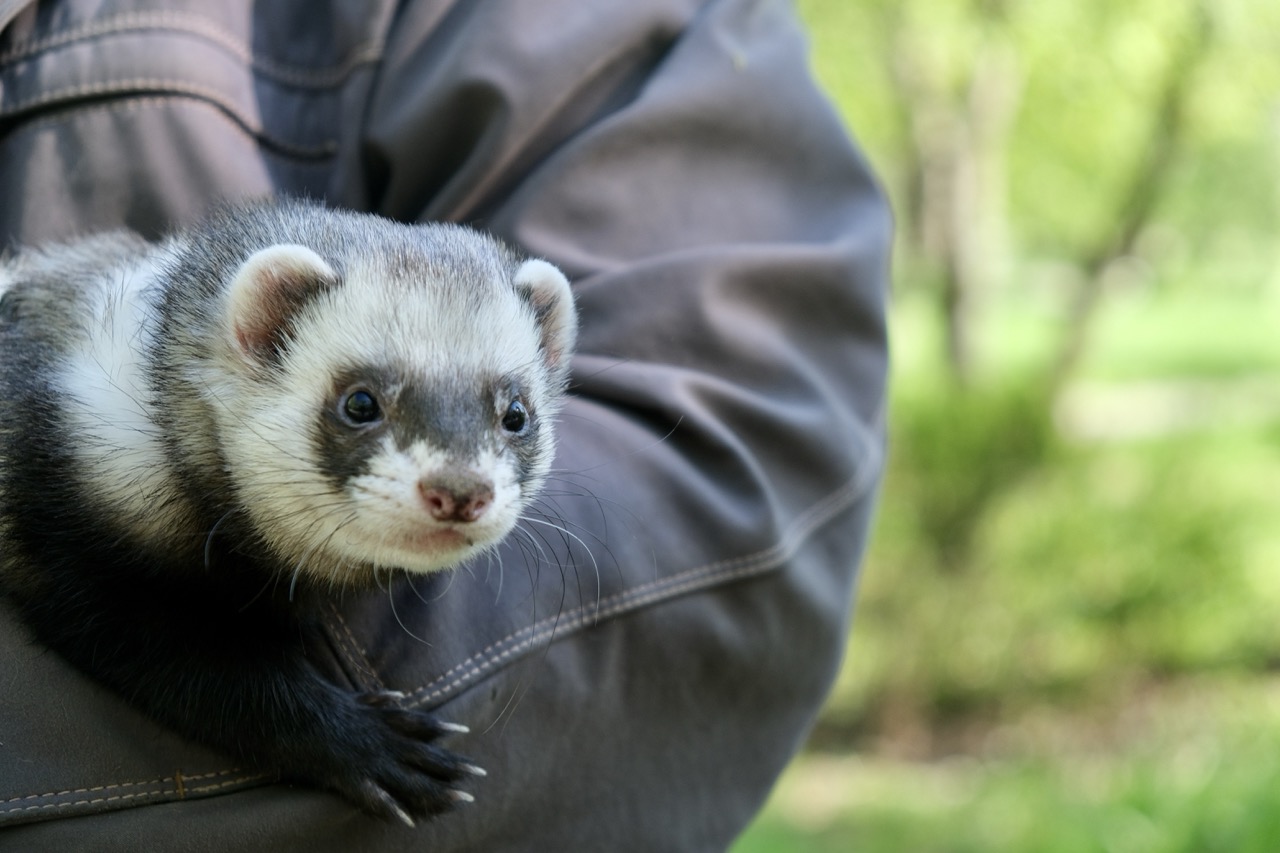
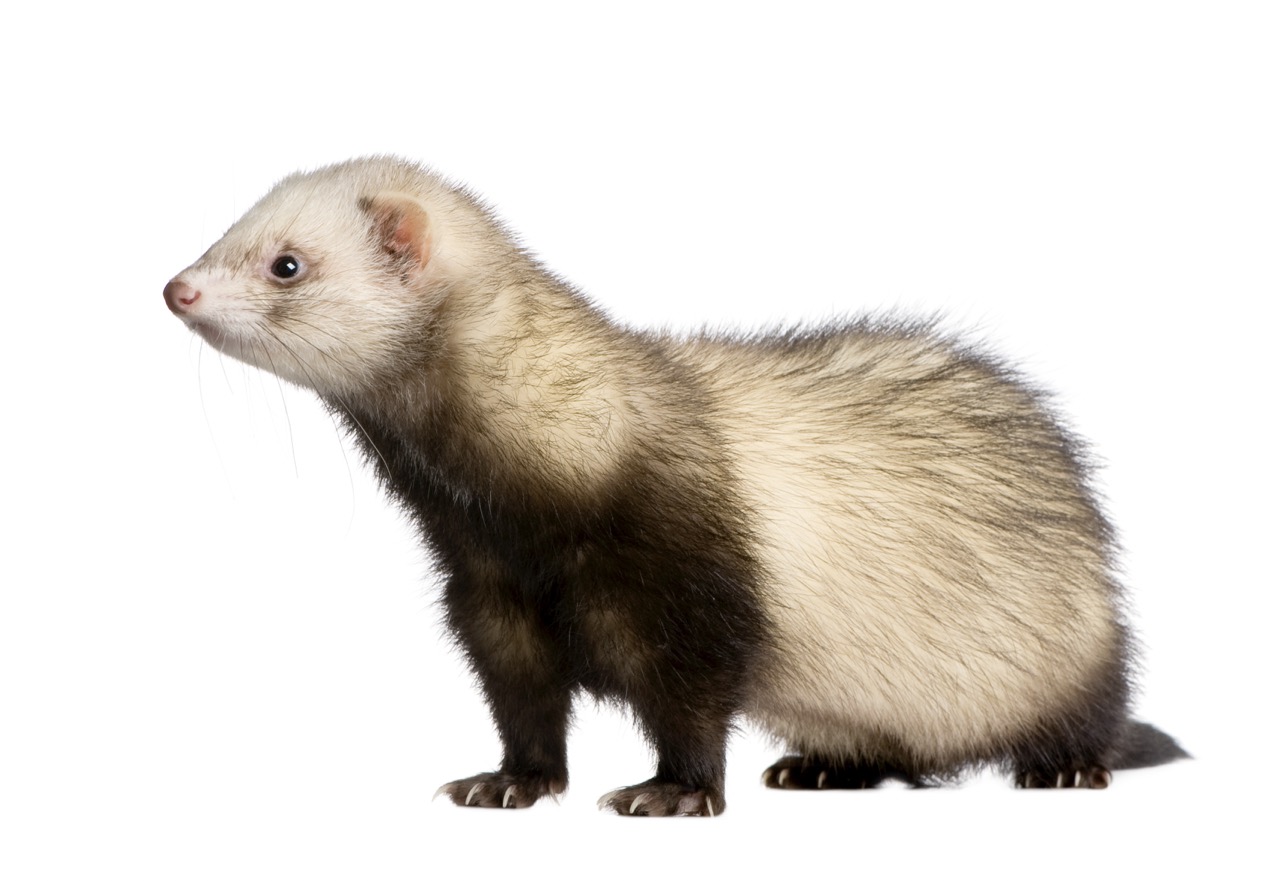
Ferrets possess a highly specialized ocular structure that enhances their predatory capabilities. Their eyes are relatively large in proportion to their head, allowing for a broader field of view. The retinas of ferrets contain a high density of rod photoreceptors, which are sensitive to low light levels. This adaptation is crucial for a creature that often hunts during dawn and dusk, times when light conditions are less than ideal. The tapetum lucidum, a reflective layer behind the retina, further amplifies their ability to see in dim lighting by reflecting light back through the retina, increasing the available photons that can be detected.
In addition to their anatomical adaptations, ferrets have an eye structure that supports quick movements and the ability to track fast-moving prey. The lens and cornea of ferret eyes are shaped to provide a sharp focus on objects at varying distances, crucial when stalking or ambushing potential prey. Their visual acuity allows them to judge distances accurately, which is essential for executing quick, precise movements during a chase. This combination of anatomical features equips ferrets with the tools necessary for effective hunting.
Furthermore, ferrets have a well-developed field of peripheral vision, which enables them to detect movement from various angles. This trait is vital in hunting scenarios, as it allows ferrets to monitor their surroundings for potential threats or opportunities. Overall, the anatomical and functional characteristics of ferret vision are finely tuned to enhance their hunting prowess, providing them with a significant edge in the wild.
The Importance of Binocular Vision in Hunting Success
Binocular vision, the ability to perceive depth and distance using both eyes, is a critical factor in the hunting success of ferrets. This type of vision allows ferrets to gauge the exact location of their prey and accurately assess the distance they need to cover to catch it. The overlapping visual field created by their eyes enables ferrets to determine the depth of their surroundings, which is particularly important when navigating complex environments where prey may be hiding.
Moreover, the ability to judge distance accurately is essential for launching successful attacks. When ferrets engage in their characteristic pouncing behavior, they rely on depth perception to calculate the speed and distance necessary to intercept moving prey. This skill is especially important when hunting small mammals or birds that can quickly change direction. Binocular vision allows ferrets to adapt their approach based on the movements of their target, enhancing their chances of a successful capture.
In addition to depth perception, binocular vision contributes to the overall spatial awareness of ferrets during hunting expeditions. This awareness not only helps in tracking prey but also in avoiding obstacles and navigating through various terrains. As ferrets move through dense underbrush or burrows, their ability to merge visual information from both eyes allows them to react swiftly and effectively, making them formidable hunters in their natural habitats.
How Eye Color Influences Ferret Hunting Strategies
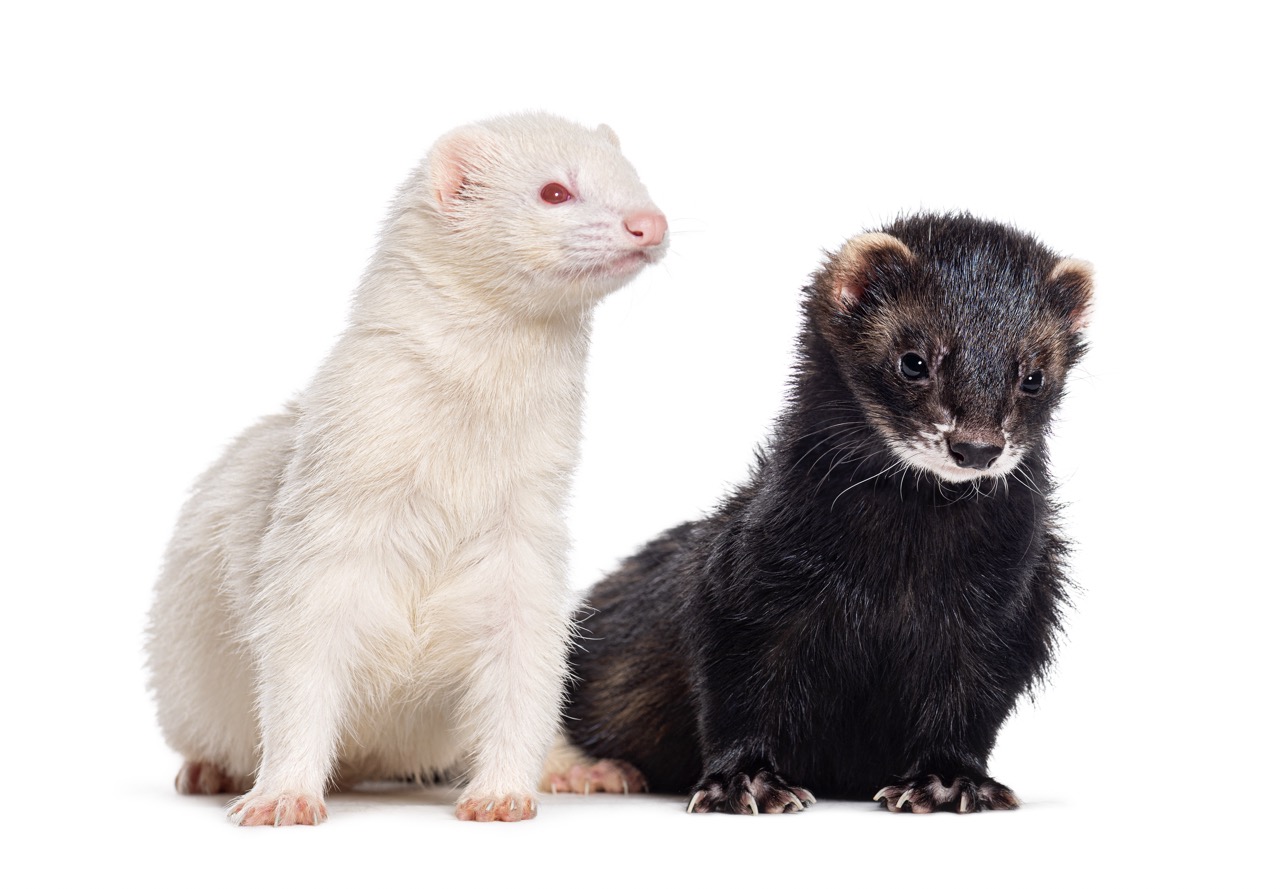
The eye color of ferrets can vary widely, with common shades ranging from dark brown to light blue. This variation in eye color is not merely cosmetic; it can influence hunting strategies and behaviors among individual ferrets. Darker pigments are often associated with greater light absorption, which can enhance vision in bright environments. Consequently, ferrets with darker eyes may be more adept at hunting during daylight hours, capitalizing on their ability to detect movement and color contrast.
Conversely, ferrets with lighter-colored eyes may have a heightened sensitivity to low-light conditions, although they might struggle with glare from bright sunlight. These ferrets may adapt their hunting strategies to focus on twilight or nocturnal activities, allowing them to exploit the cover of darkness when their prey is less alert. The variation in eye color can lead to different ecological niches within the same population of ferrets, where individuals specialize based on their visual capabilities.
Moreover, the social interactions among ferrets can also be influenced by their eye color. Differences in visibility during hunts can affect group dynamics, with certain individuals taking the lead based on their visual strengths. This specialization may result in cooperative hunting strategies where ferrets with complementary eye colors work together to maximize hunting success. Ultimately, the influence of eye color on hunting strategies highlights the complexity of ferret behavior and the interplay of genetics and environment in shaping their predatory skills.
Adapting to Low Light: Ferrets’ Night Vision Abilities
Ferrets are inherently nocturnal hunters, possessing remarkable adaptations that allow them to thrive in low-light conditions. Their eyes are equipped with a higher proportion of rod cells compared to cone cells, which are responsible for color vision. Rod cells are more sensitive to light, enabling ferrets to detect movement and shapes in dim light more effectively. This adaptation is essential for hunting during twilight hours when many of their prey are most active.
Additionally, ferrets benefit from their ability to widen their pupils, allowing more light to enter the eye during low-light conditions. This physiological response enhances their night vision further, enabling them to navigate and hunt efficiently in dark environments. The ability to discern shapes and movements allows ferrets to locate and stalk prey even in near-total darkness, providing them with a distinct advantage over other predators that may be less adapted to nocturnal hunting.
The effectiveness of ferrets’ night vision is complemented by their keen sense of smell and hearing, creating a multi-sensory approach to hunting. When visibility is limited, ferrets rely on their other senses to locate prey, using their acute olfactory receptors to detect scents and their sensitive ears to pick up sounds. This combination of adaptations makes ferrets highly effective hunters in low-light environments, allowing them to exploit times when many other predators are less successful.
In conclusion, the role of ferret eyes in their hunting behavior is a fascinating interplay of anatomy, physiology, and environmental adaptation. From their specialized ocular structure to the advantages conferred by binocular vision and the influence of eye color, ferrets are equipped with a unique set of tools that enhance their predatory capabilities. Their remarkable adaptations for low-light hunting further underscore their evolutionary success as skilled hunters. Understanding these factors not only deepens our appreciation for ferrets but also highlights the intricate balance of nature that enables these small mammals to thrive in the wild.