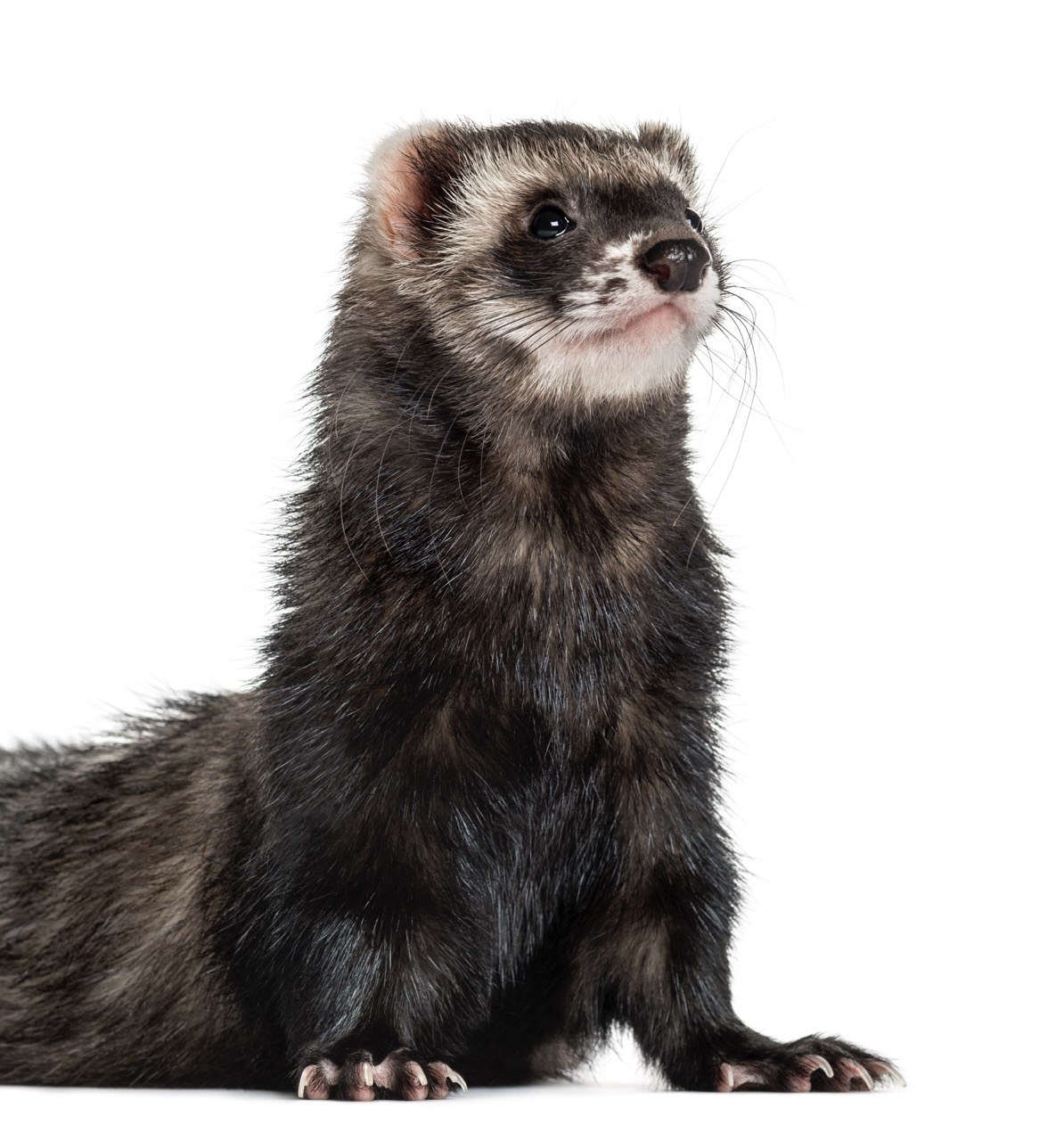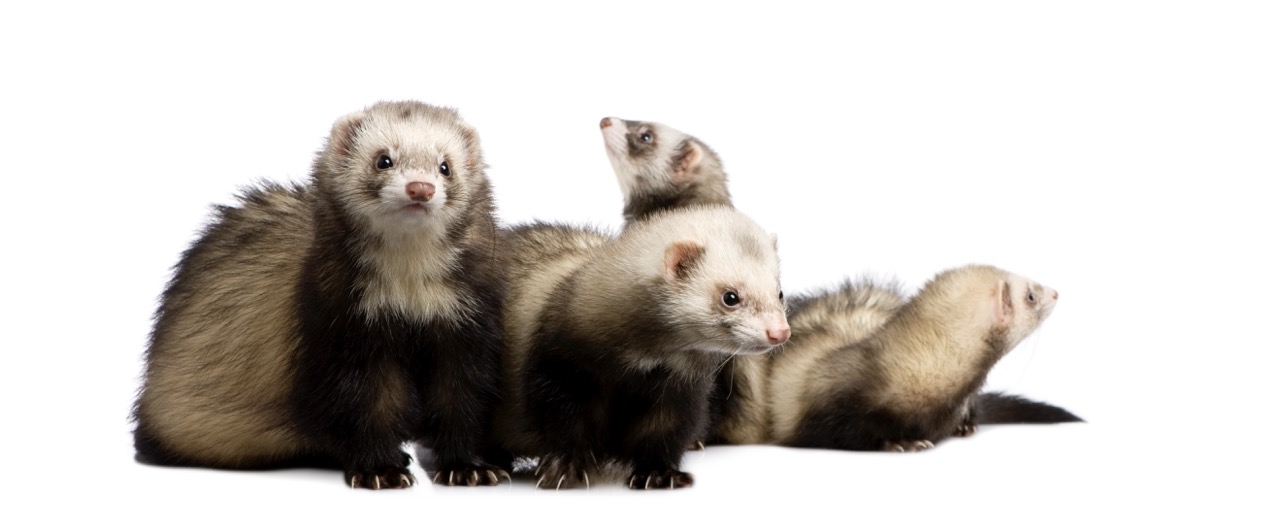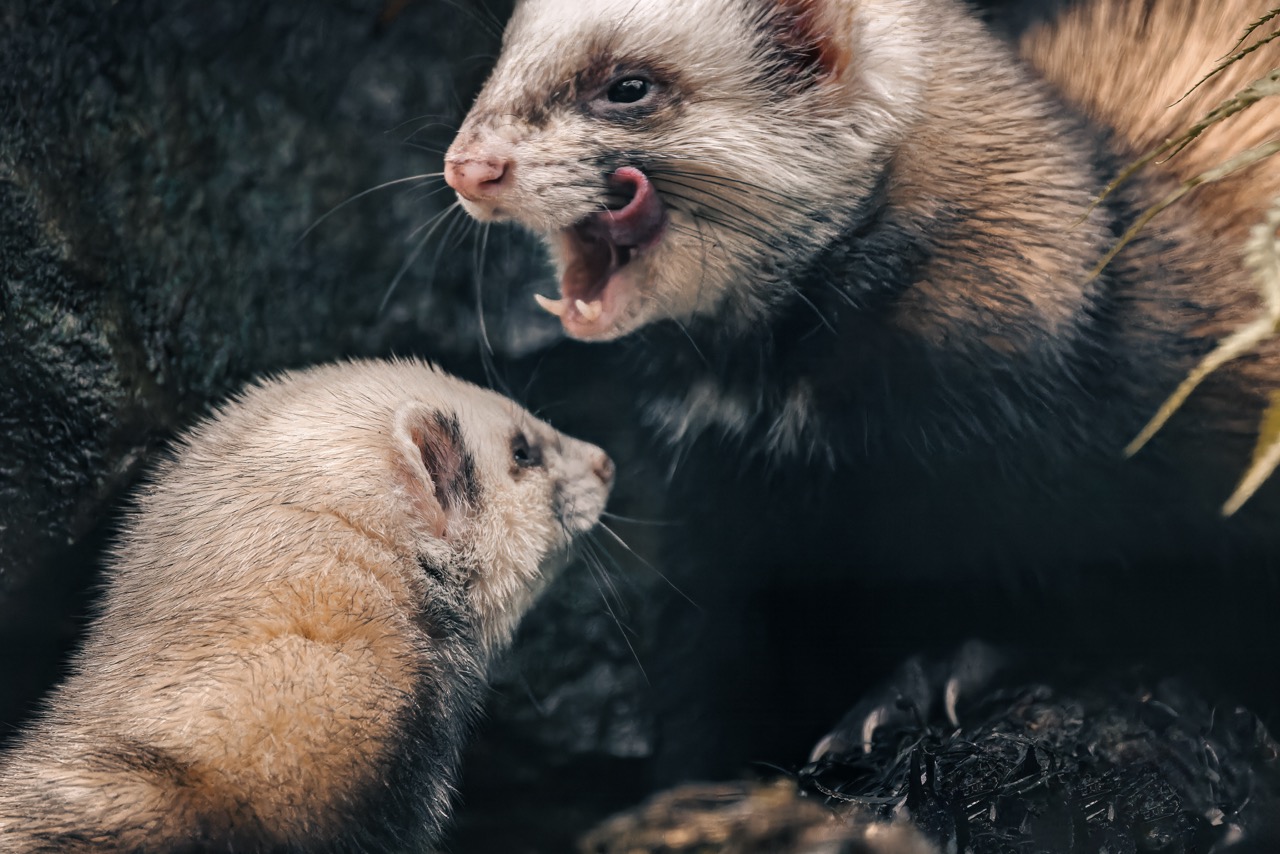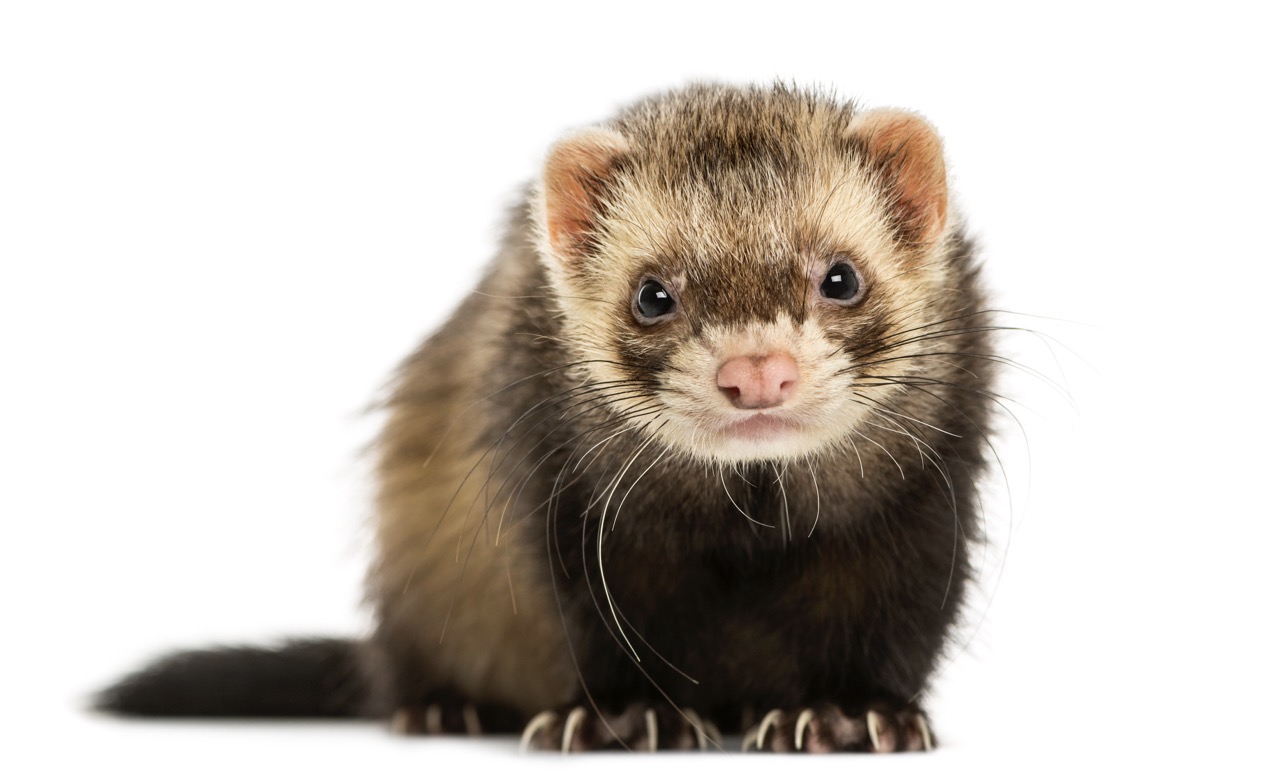




Ferrets, known for their playful and inquisitive nature, are beloved pets for many. However, like all animals, they are susceptible to various health issues, one of which is hypertension, or high blood pressure. Understanding how blood pressure affects ferrets is crucial for pet owners who wish to ensure their furry companions lead healthy, happy lives. This article will delve into the normal blood pressure levels in ferrets, health problems associated with high blood pressure, monitoring methods, and effective treatment options.
Understanding Normal Blood Pressure Levels in Ferrets
Normal blood pressure in ferrets typically ranges between 90 to 130 mmHg for systolic pressure and 50 to 70 mmHg for diastolic pressure. These values can vary based on factors such as age, weight, and overall health of the ferret. Establishing a baseline of what is considered normal is essential for identifying potential health concerns early on. Regular veterinary check-ups can help in keeping tabs on these vital signs.
A ferret’s blood pressure may be influenced by stress, environment, and time of day, making it essential to conduct measurements under consistent conditions. For ferrets, stress can significantly elevate blood pressure, so a calm setting during measurements can provide more accurate readings. Awareness of these factors can help owners and veterinarians interpret blood pressure readings more effectively.
It is also important to note that while normal blood pressure levels are crucial for overall health, they are just one piece of the puzzle. Other health metrics, including heart rate and respiratory rate, should be monitored in conjunction with blood pressure to provide a comprehensive overview of a ferret’s health status. A holistic approach is vital for ensuring a long, healthy life for pet ferrets.
Common Health Issues Linked to High Blood Pressure in Ferrets
High blood pressure, or hypertension, can lead to a myriad of health issues in ferrets. One of the most critical concerns is its impact on the heart and circulatory system. Prolonged hypertension can strain the heart, potentially leading to heart disease or heart failure. As the heart works harder to circulate blood, it may become enlarged, a condition known as cardiomyopathy, which can seriously threaten a ferret’s health.
Hypertension can also negatively affect the kidneys, leading to renal disease. The kidneys play a crucial role in regulating blood pressure, and elevated blood pressure can further impair their function, creating a vicious cycle. Signs of kidney distress may include increased thirst, urination, and lethargy, all of which warrant immediate veterinary attention.
Another concern is the effect of high blood pressure on the eyes. Ferrets with hypertension may experience ocular issues, including retinal hemorrhages and vision impairment. These conditions can result in permanent damage if not addressed promptly. Recognizing the health implications of high blood pressure underscores the importance of monitoring this vital sign in ferrets to prevent severe health issues from developing.
Monitoring Blood Pressure: Methods and Best Practices
Monitoring a ferret’s blood pressure can be challenging but is essential for early detection of hypertension. The most common method used in veterinary settings is the Doppler method, which utilizes sound waves to measure blood flow and pressure. This non-invasive technique is effective and provides real-time data, allowing veterinarians to assess a ferret’s blood pressure quickly.
Owners can also monitor their ferrets’ blood pressure at home, although this requires specialized equipment designed for small animals. Portable oscillometric devices are available, offering an accessible option for regular monitoring. However, it is crucial for owners to receive proper training from a veterinarian on how to use these devices effectively. Misinterpretation of readings can lead to unnecessary concern or missed diagnoses.
Best practices for monitoring blood pressure include ensuring the ferret is calm and comfortable during the process. The environment should be quiet, and the ferret should be allowed to acclimate to the monitoring equipment. Consistency in monitoring conditions, including time of day and environmental factors, will help achieve the most reliable readings, enabling better management of their health.
Treatment Options for Managing Ferret Hypertension Effectively
When high blood pressure is diagnosed in ferrets, various treatment options are available. The primary approach often involves lifestyle modifications, such as dietary changes. A low-sodium diet can significantly help in managing blood pressure levels. Additionally, incorporating high-quality protein and maintaining optimal body weight can contribute to overall cardiovascular health.
Pharmacological treatments may also be necessary for managing ferret hypertension. Medications such as ACE inhibitors, calcium channel blockers, and diuretics have shown efficacy in lowering blood pressure. It is vital for pet owners to work closely with a veterinarian to determine the most appropriate medication and dosage tailored to their ferret’s specific needs.
Regular follow-up appointments are essential to monitor the effectiveness of treatment and make any necessary adjustments. Blood pressure should be assessed periodically to ensure that the chosen management plan is working. With proper monitoring and tailored treatment, ferrets with hypertension can lead healthier lives, minimizing the risks associated with high blood pressure and its complications.
In conclusion, understanding ferret blood pressure is fundamental for pet owners who wish to protect the health and well-being of their companions. By recognizing normal blood pressure levels, being aware of the common health issues linked to hypertension, utilizing effective monitoring methods, and implementing appropriate treatment options, owners can play a proactive role in managing their ferret’s health. Regular veterinary visits combined with attentive home care can lead to improved quality of life and longevity for these beloved pets.