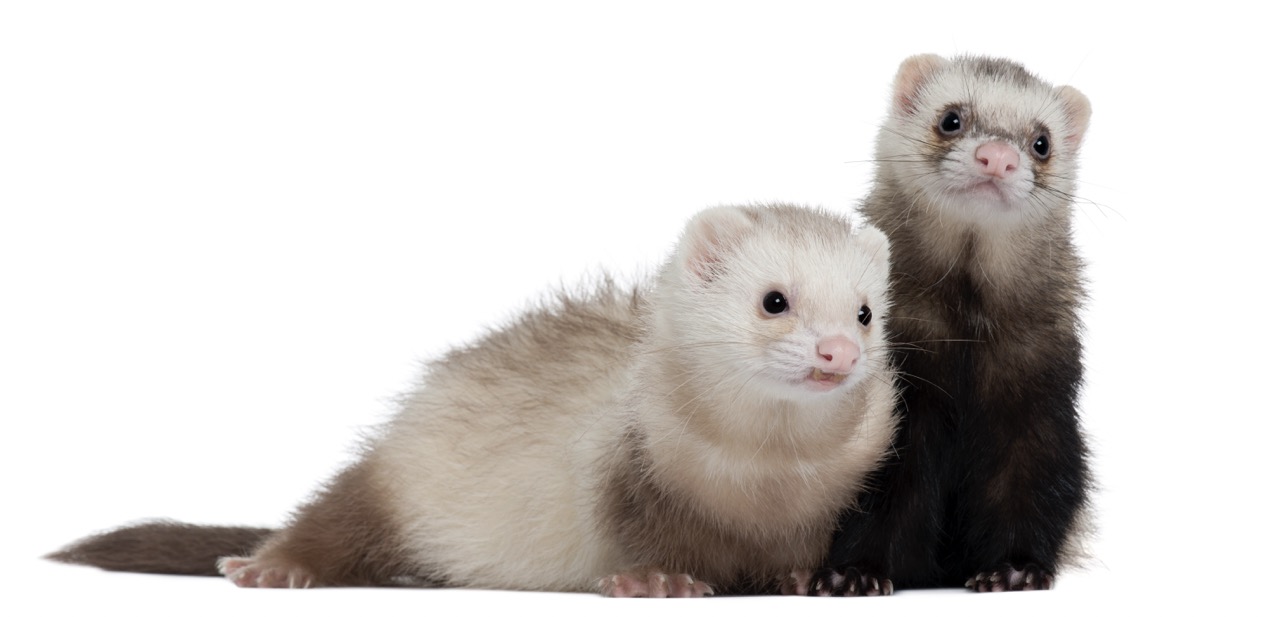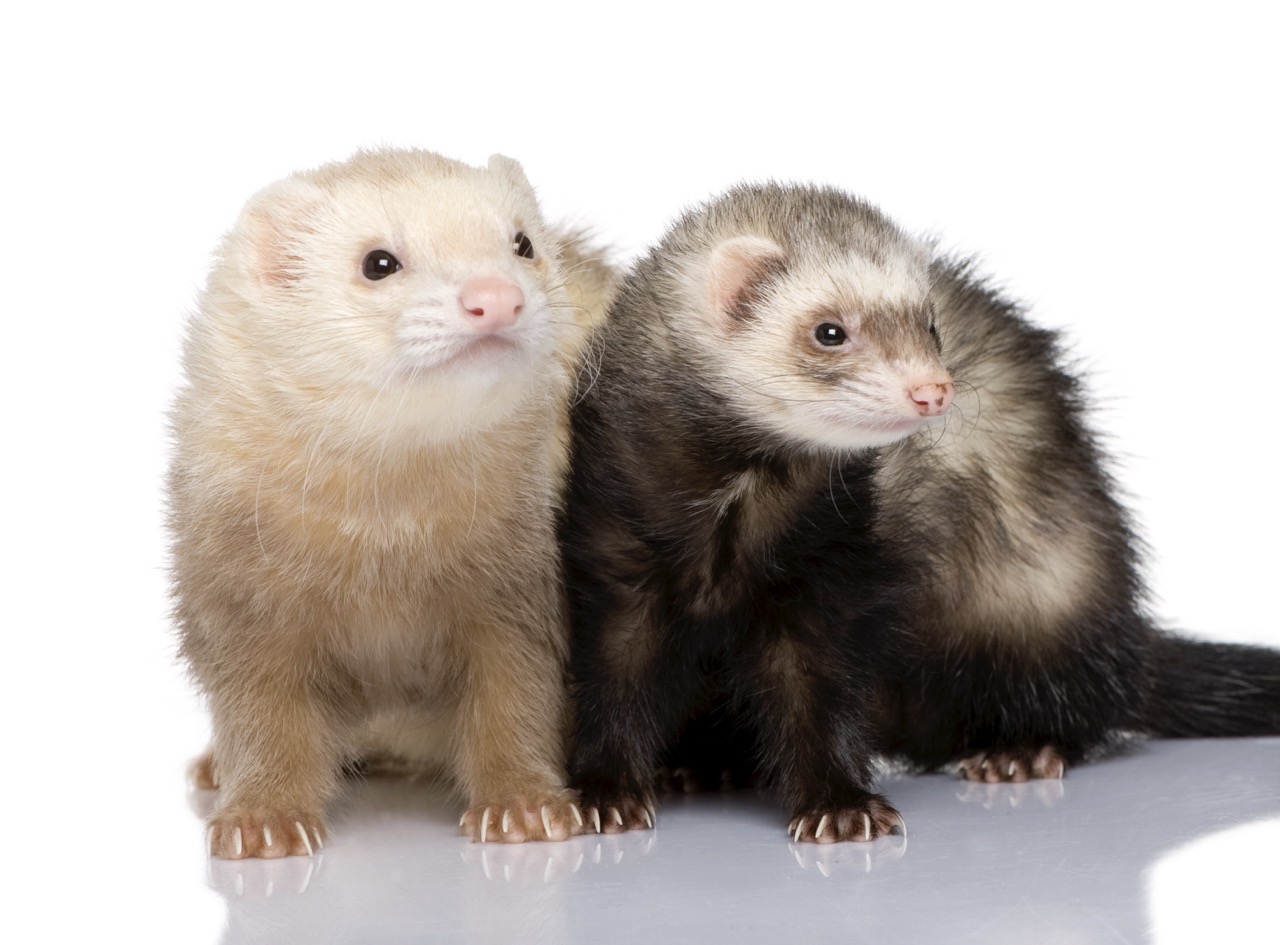





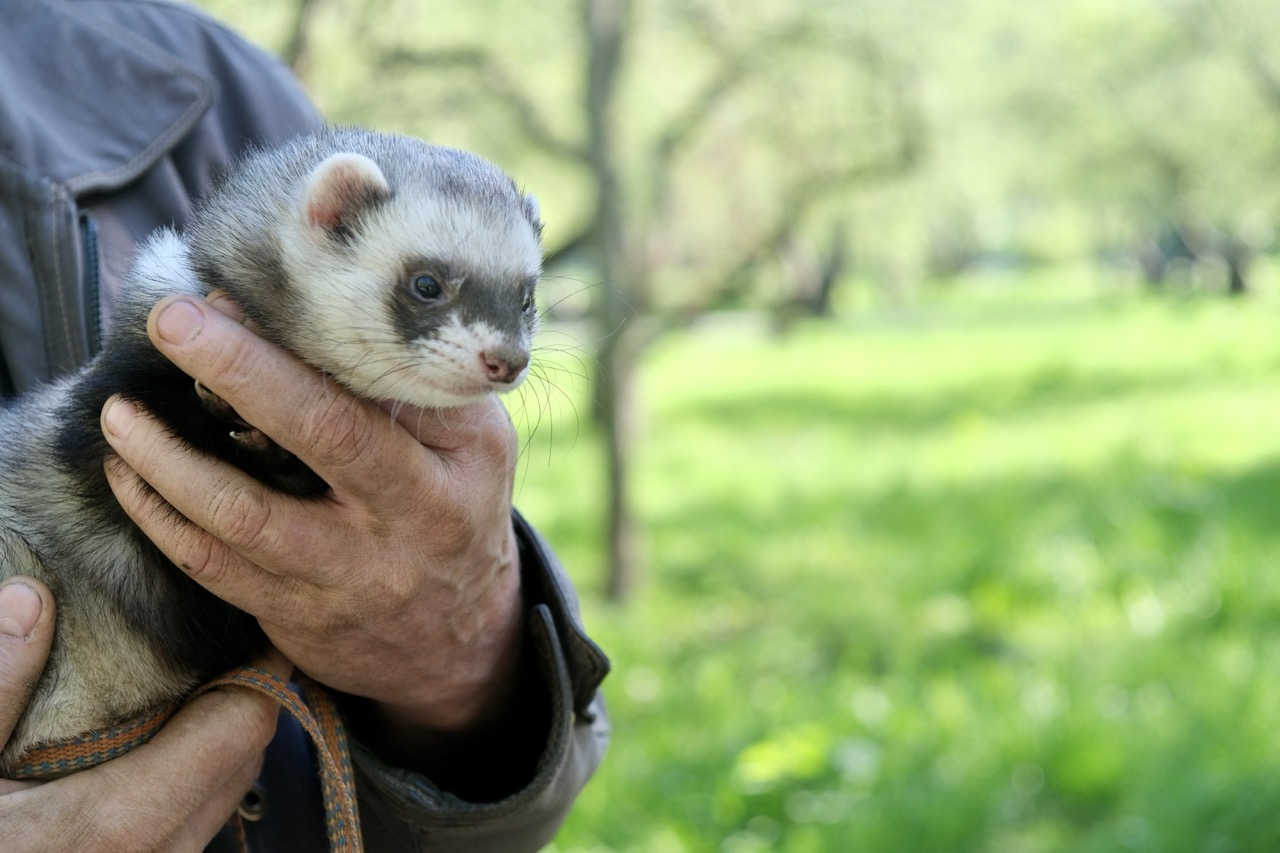
Ferrets are fascinating creatures, both as pets and in the wild, and their vision is a key component of their unique biology. Unlike humans, ferrets possess distinct ocular adaptations that shape their perception of the world around them. Understanding these differences offers insights not only into ferret behavior and hunting strategies but also into how we can care for them more effectively. This article will explore the anatomy of ferret eyesight, the science behind their color perception, how they utilize their vision for survival, and the implications these factors have on their care and behavior.
Understanding the Unique Anatomy of Ferret Eyesight
Ferrets have a distinctive eye structure that sets them apart from humans. Their eyes are relatively large and positioned forward on their heads, providing them with a broad field of view. This binocular vision allows ferrets to judge distances accurately, which is crucial for navigating through their environment and capturing prey. The spherical shape of their eyes helps them perceive a three-dimensional space effectively, aiding their ability to navigate tight spaces and explore their surroundings.
Another notable aspect of ferret eye anatomy is the presence of a reflective layer behind the retina known as the tapetum lucidum. This adaptation enhances their night vision by reflecting light that passes through the retina back onto the photoreceptor cells. As a result, ferrets can see well in low-light conditions, making them adept hunters during dawn and dusk, which are their prime activity periods. This unique adaptation is critical for their survival, as it allows them to exploit the twilight hours when many of their prey are active.
Moreover, the ferret’s cornea and lens are also adapted for their specific environmental needs. Their eye structures allow a wide range of visual acuity, which is essential for spotting movement and distinguishing between various forms of prey. Unlike humans, who have a more linear visual range, ferrets can detect rapid movements, making them effective predators. This anatomical specialization contributes to their overall ability to thrive in a dynamic and often competitive ecosystem.
The Science Behind Ferret Color Perception and Vision
Ferrets have a different color perception compared to humans, primarily due to the types of photoreceptor cells present in their retinas. While humans have three types of cones that allow us to perceive a wide spectrum of colors, ferrets only possess two types of cones. This limitation means that their color vision is somewhat similar to that of a color-blind human, allowing them to see primarily in shades of blue and green but struggling to distinguish reds and pinks effectively.
The reduced color discrimination in ferrets doesn’t hinder their ability to thrive in their environments. Their vision is particularly sensitive to motion, which is crucial for detecting the swift movements of prey. This sensitivity to motion compensates for their lack of vibrant color perception, allowing ferrets to spot potential food sources more easily. Additionally, their ability to detect ultraviolet light may enhance their hunting prowess, as some prey animals may reflect UV light, creating a contrast that ferrets can see but humans cannot.
Furthermore, the ferret’s visual processing is closely linked to their evolutionary history as nocturnal hunters. The combination of their specialized photoreceptors and enhanced night vision enables them to function effectively in low-light environments. Understanding this aspect of ferret vision helps caregivers appreciate the limitations and strengths of their pets, allowing for better enrichment and habitat design that caters to their unique visual capabilities.
How Ferrets Use Their Vision for Hunting and Survival
Ferrets are natural hunters, and their vision plays a crucial role in their predatory behavior. Their ability to see well in dim lighting allows them to engage in hunting activities during twilight hours. They are skilled at detecting movement, which is essential for spotting small animals such as rodents, birds, and insects. This acute sense of sight, combined with their agility and keen sense of smell, makes ferrets effective predators in their natural habitats.
In addition to detecting movement, ferrets rely on their visual acuity to assess their surroundings and identify potential threats. Their wide field of vision enables them to be aware of their environment, allowing for quick reactions to predators or other dangers. This awareness is vital for survival, as ferrets need to quickly navigate both familiar and unfamiliar spaces while avoiding hazards. Their vision, therefore, is an integral part of their instinctual behavior, shaping their interactions and activities in the wild.
Another aspect of ferret behavior influenced by their vision is their social interactions. Ferrets utilize visual cues to communicate with one another, especially during play or mating rituals. Their ability to see and interpret body language and movements contributes to their social bonding and hierarchy establishment within groups. Understanding how ferrets use their vision in various aspects of their lives can help pet owners create environments that foster natural behaviors and reduce stress.
Implications of Ferret Vision for Their Behavior and Care
Knowing how ferrets perceive their environment allows pet owners to create enriching habitats that cater to their specific needs. Since ferrets are visually stimulated by movement, incorporating toys that move, such as balls or feather wands, can provide them with necessary mental and physical stimulation. Additionally, creating spaces that mimic their natural environment, with various levels and hiding spots, can promote exploration and play, fostering a healthy lifestyle.
Moreover, understanding that ferrets see fewer colors can guide caregivers in selecting appropriate toys and accessories. Opting for toys in shades of blue and green, as opposed to red or pink, ensures that ferrets can engage with their environment more effectively. This attention to detail enhances their quality of life, as it aligns with their natural visual preferences and instincts, ultimately promoting a more fulfilling existence.
Lastly, being aware of the limitations of ferret vision can aid in their training and handling. Since ferrets may not respond well to visual cues that rely on color or subtle distinctions, using clear, consistent signals and movements can help them learn commands and behaviors more effectively. By acknowledging the unique aspects of ferret vision, caregivers can ensure that their pets receive the best possible care, leading to a healthier, happier life.
Understanding ferret vision not only highlights the fascinating differences between their perception and that of humans but also informs responsible pet care practices. By recognizing the unique anatomical features and adaptations in their eyesight, caregivers can create suitable environments that encourage natural behaviors, enhance social interactions, and improve overall well-being. As we continue to learn more about these remarkable animals, it becomes increasingly clear that their vision is a critical element of their survival and happiness.