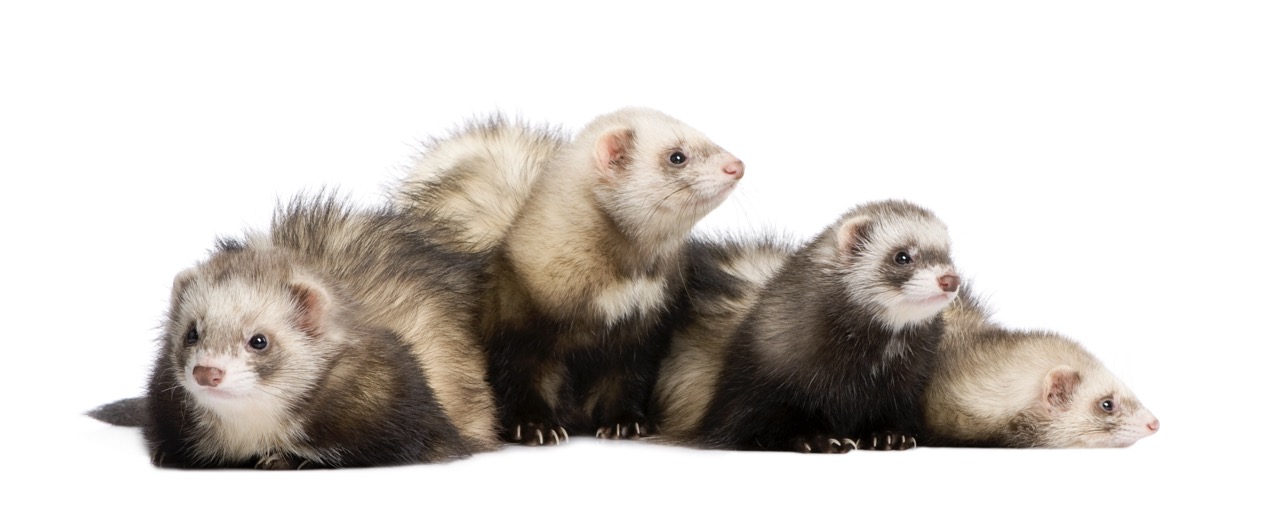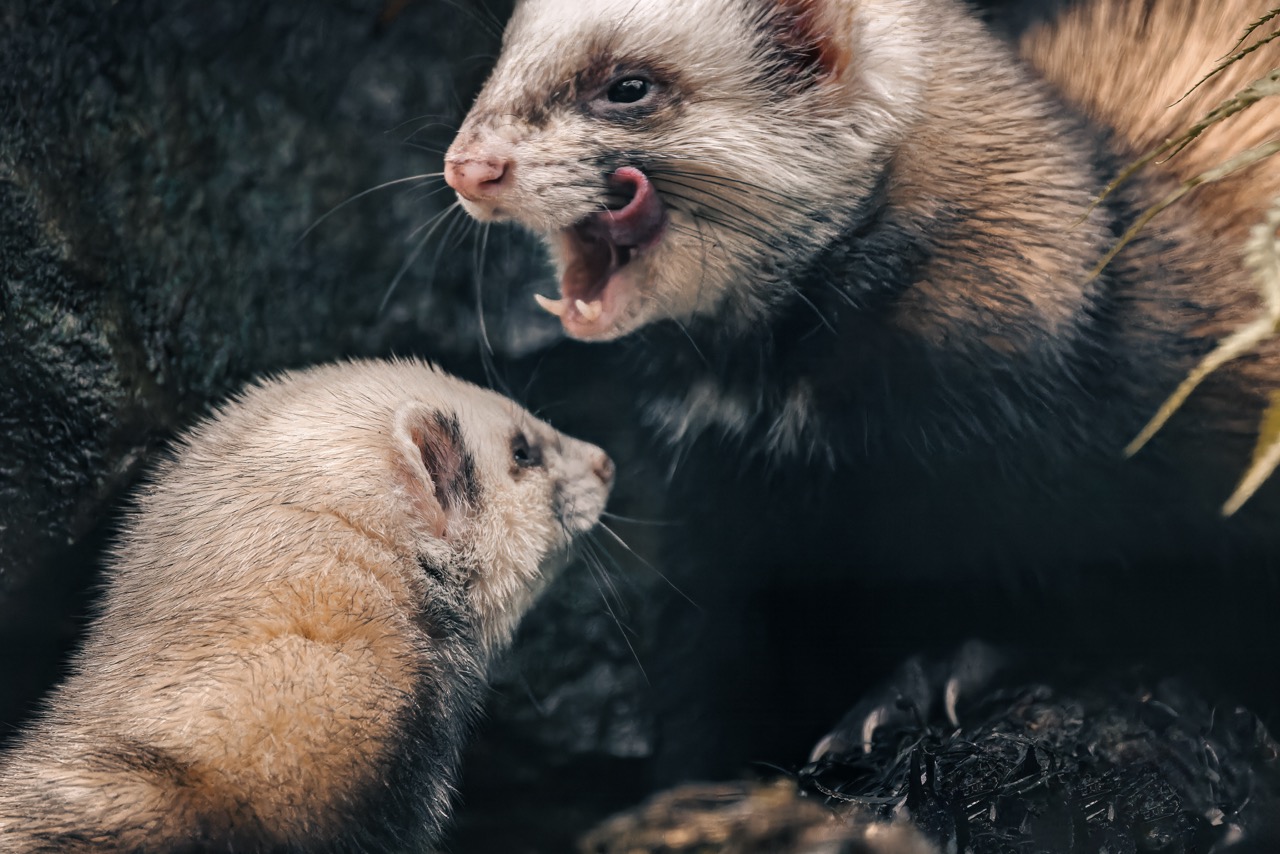






Ferrets are fascinating creatures with distinct sensory capabilities that greatly influence their dietary habits. As obligate carnivores, their diets primarily consist of meat, and understanding how their senses of smell and taste work can shed light on their feeding behaviors and nutritional needs. This article delves into the unique olfactory capabilities of ferrets, the role of taste in their dietary preferences, the process by which smell affects their food selection, and the overall nutritional implications of these sensory perceptions.
Understanding Ferrets’ Unique Olfactory Capabilities
Ferrets possess an exceptional sense of smell, which is one of their most developed senses. This heightened olfactory ability is attributed to the complex structure of their nasal passages, which contain a high number of olfactory receptors. Ferrets can detect scents at remarkable concentrations, allowing them to identify various food items and potential threats in their environment. This capability plays a crucial role in how they interact with their surroundings and seek out nutritional sources.
The anatomy of a ferret’s olfactory system is specialized for detecting a wide range of odors. Their sense of smell is estimated to be several thousand times more sensitive than that of humans. This means that ferrets can discern the freshness and quality of food by scent alone, which is especially important in the wild where spoiled food could pose a health risk. Consequently, ferrets are equipped to make informed choices about their diet based on the scents they encounter.
Moreover, ferrets rely on their olfactory senses not only for identifying food but also for social interactions and environmental awareness. Scent marking is a common behavior among ferrets, and they use their olfactory capabilities to communicate with others of their kind. This dual function of smell underlines the importance of olfactory cues in both feeding and social contexts, highlighting how integral this sense is to their overall survival.
The Role of Taste in Ferrets’ Dietary Preferences
While smell is paramount, taste also plays a significant role in shaping a ferret’s dietary preferences. Ferrets have a relatively simple taste bud structure compared to omnivores, but they do have the ability to taste specific flavors, particularly those associated with protein and fat. This innate preference for savory flavors aligns with their carnivorous nature, as they are biologically programmed to seek out nutrient-dense food sources necessary for their energy and growth.
Ferrets exhibit distinct preferences for certain flavors over others. For instance, they tend to favor meats, and foods that are high in protein and fat content are particularly appealing. Their taste buds are more attuned to amino acids and fatty acids, leading them to prefer foods that provide essential nutrients that support their active lifestyle. Understanding these taste preferences is crucial for pet owners when selecting appropriate diets to ensure their ferrets receive adequate nutrition.
Additionally, the interplay between taste and smell can further influence a ferret’s food choices. The combination of aromatic scents and appealing tastes creates a sensory experience that can enhance their appetite. Foods that are both fragrant and flavorful are more likely to be accepted by ferrets, whereas bland or unappealing options may go untouched. This reinforces the significance of incorporating high-quality, palatable ingredients in their diets for optimal health and well-being.
How Smell Affects Ferrets’ Food Selection Process
The selection process for food in ferrets is heavily influenced by their olfactory senses. When presented with various food options, ferrets will often sniff each item before making a decision. This behavior allows them to assess the quality and freshness of the food, helping them avoid potentially harmful or spoiled items. The initial olfactory evaluation is critical, as it sets the stage for their subsequent feeding behavior.
Ferrets are known to exhibit behaviors that suggest they are choosing food based on smell. For example, they may paw at or toss food items aside if the scent fails to intrigue them. Once they determine a food item has an appealing scent, they often engage in further sampling, reinforcing their preferences based on the sensory feedback they receive. This behavior highlights the pivotal role that smell plays in their dietary selection process, leading them to favor items that resonate with their olfactory cues.
Moreover, the ability to detect pheromones and other chemical signals through smell allows ferrets to navigate their environment more effectively. These signals can indicate not only food sources but also the presence of competitors or potential prey. As such, the olfactory capabilities of ferrets guide their foraging strategies and food choices, ensuring they are consuming a diet that meets their energy and nutritional demands.
Nutritional Implications of Ferrets’ Sensory Perceptions
The sensory perceptions of smell and taste in ferrets have significant nutritional implications. Recognizing that ferrets are attracted to high-protein and high-fat diets can inform pet owners and caregivers about the best food options available. Nutritional products designed for ferrets often emphasize animal proteins as the primary ingredient, catering to their natural inclinations and ensuring they receive the necessary nutrients for growth and vitality.
Furthermore, understanding the sensory preferences of ferrets can lead to better feeding practices. For instance, introducing a variety of protein sources and ensuring foods are fresh and aromatic can stimulate their appetite and encourage more diverse dietary habits. Ensuring that ferrets receive a balanced diet that includes a range of nutrients from high-quality sources can prevent common health issues associated with improper feeding and maintain their overall well-being.
Lastly, the implications of these sensory perceptions extend to the formulation of commercial ferret diets. Manufacturers aware of ferrets’ preferences for certain aromas and flavors can create products that are more appealing, thereby enhancing the likelihood of acceptance. This awareness not only improves pet ferrets’ nutrition but also supports their overall health, promoting a higher quality of life.
The unique sensory capabilities of ferrets, particularly their acute sense of smell and taste, play a critical role in their dietary choices and nutritional health. Understanding how these senses influence their food selection process can provide invaluable insights for pet owners and caregivers looking to optimize the diets of their ferrets. By prioritizing high-quality protein sources and considering the sensory experiences of ferrets, we can ensure that they receive the nutrition they need for a healthy and fulfilling life. Ultimately, appreciating the complex relationship between ferrets’ senses and their diet allows us to foster better care practices and enrich the lives of these remarkable animals.