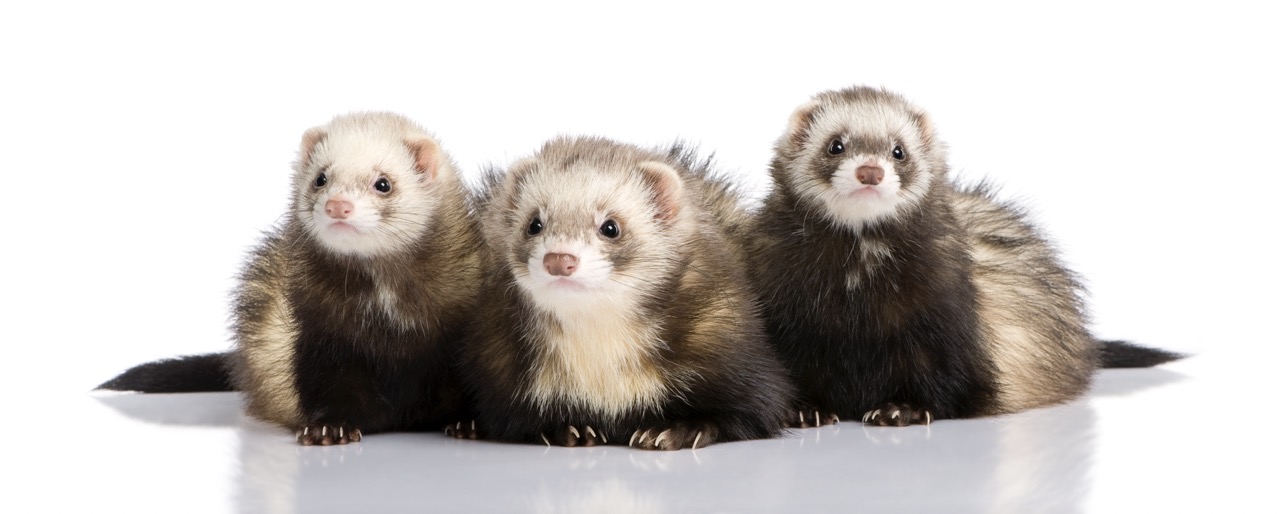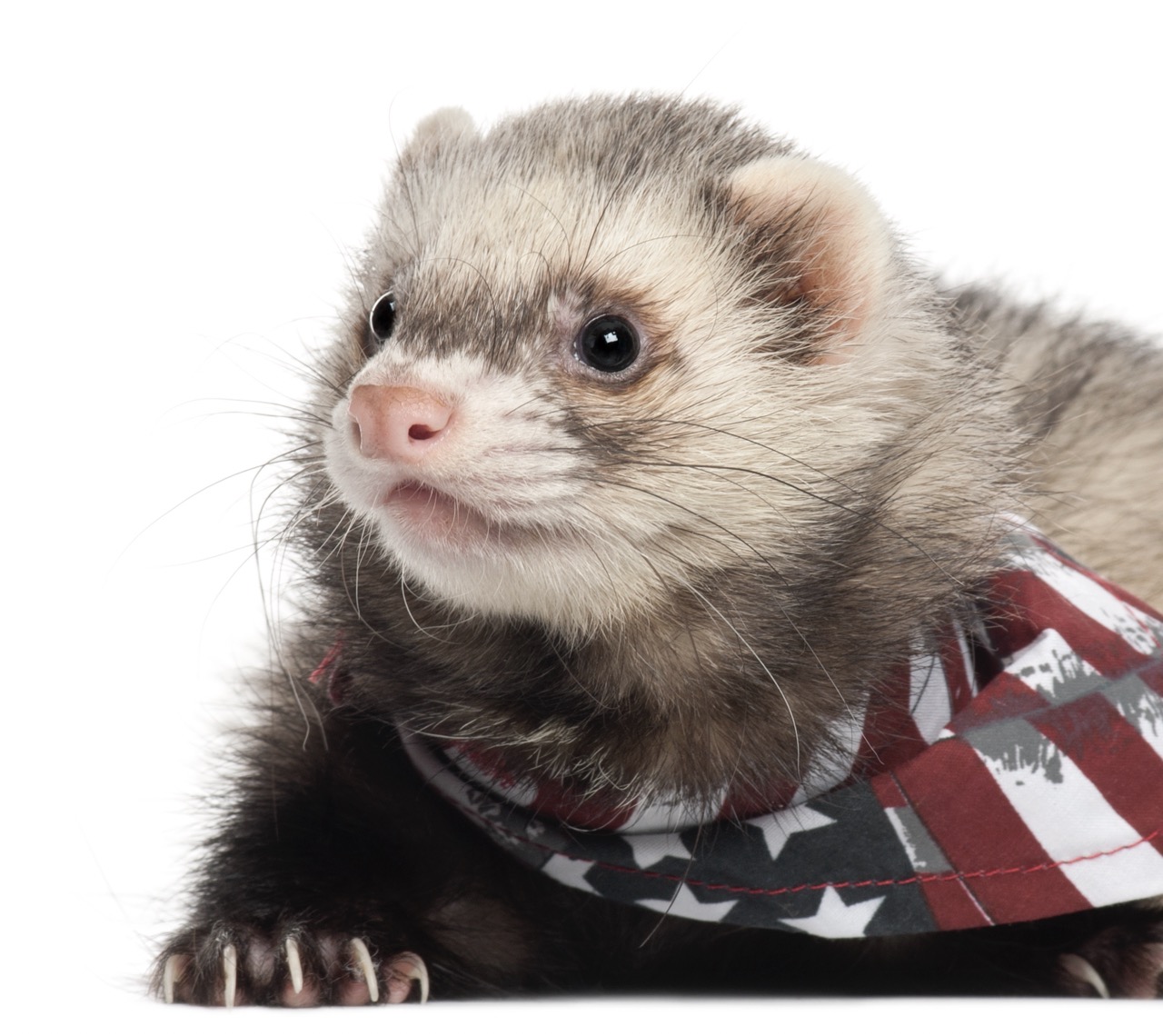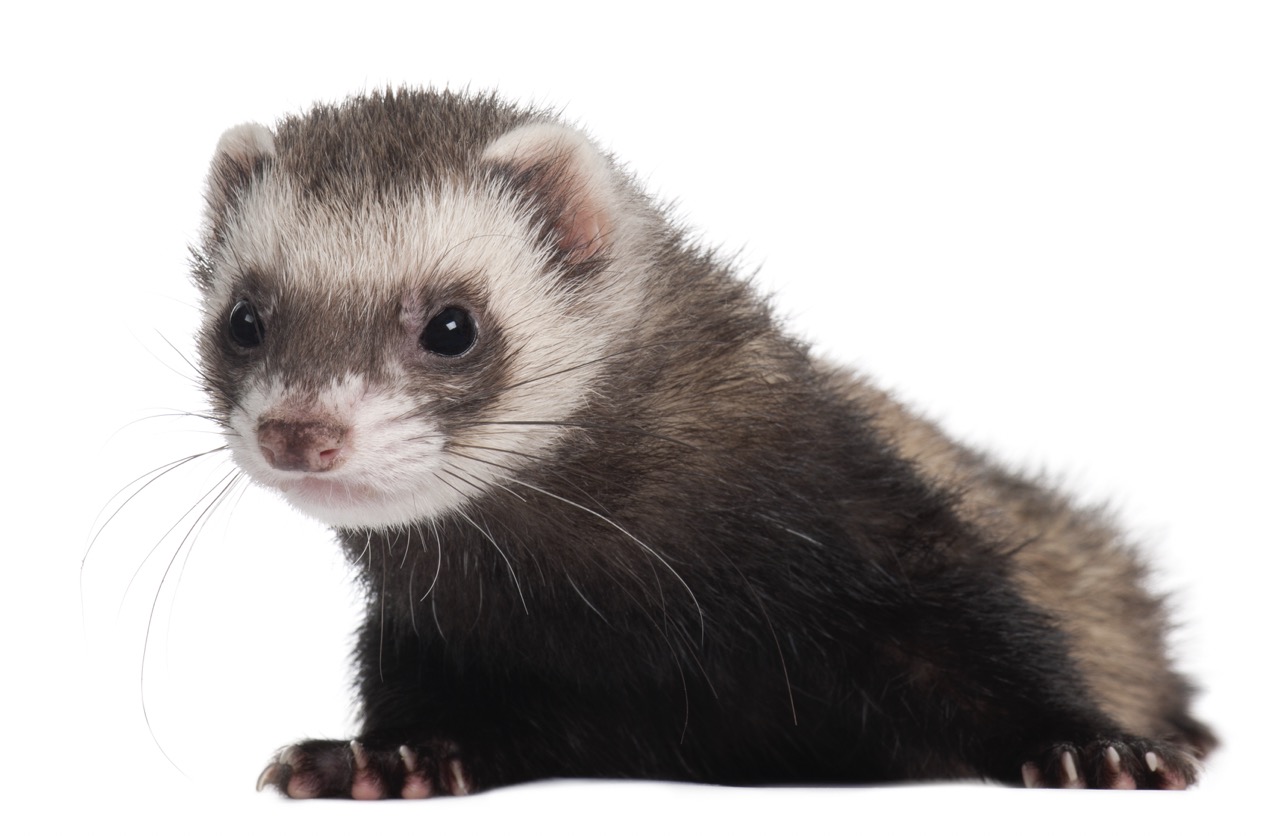





Ferrets are fascinating creatures known for their playful nature and agility. Their unique muscular system allows them to perform a variety of movements and engage in activities that are essential for their physical health and mental stimulation. Understanding the intricacies of the ferret muscular system not only enlightens pet owners about their care but also highlights the evolutionary adaptations that make ferrets such adept movers. This article delves into the structure and function of ferret muscles, how these animals utilize their muscular system for movement, and the role of play in building their muscle strength.
Understanding the Unique Muscular System of Ferrets
The muscular system of ferrets is specially adapted to support their highly active lifestyle. Ferrets possess a combination of smooth, skeletal, and cardiac muscles, each serving a distinct purpose. Skeletal muscles are particularly prominent in ferrets, enabling voluntary movements that allow them to navigate their environment efficiently. Their muscles are structured to provide both power and flexibility, which is essential for their playful antics and swift movements.
Ferrets have a relatively high proportion of fast-twitch muscle fibers, which are responsible for quick bursts of speed and agility. This adaptation is advantageous for hunting and escaping predators in the wild. The arrangement of these muscle fibers allows ferrets to execute rapid movements, such as darting through tunnels or making sharp turns while playing. Understanding this aspect of ferret physiology can help owners create environments that foster their natural instincts.
Moreover, the unique distribution of muscles in ferrets facilitates their signature movements, such as the "ferret war dance," characterized by hopping and twisting. This behavior not only showcases their flexibility and strength but also demonstrates their ability to communicate excitement and enthusiasm. By examining the muscular system of ferrets, one can appreciate how evolution has equipped them with the necessary tools for survival and play.
Anatomy of Ferret Muscles: Structure and Function
The anatomy of ferret muscles is intricate, comprising various components that work together to enable complex movements. Each muscle group is interconnected, allowing for coordinated actions. The primary muscles involved in movement include the deltoids, quadriceps, and pectorals, each contributing to the ferret’s overall agility. The pectoral muscles, for instance, are crucial for climbing and pulling, while the quadriceps support jumping and running.
Muscles in ferrets are encased in connective tissue, which provides structure and support. This connective tissue also plays a vital role in muscle contraction and relaxation, ensuring that movements are fluid and controlled. Tendons, which connect muscles to bones, are particularly resilient in ferrets, accommodating their energetic leaps and bounds. This structural integrity is essential for maintaining their physical health and preventing injuries during play.
Additionally, ferrets have a well-developed respiratory system that complements their muscular system. Efficient oxygen delivery to muscles is crucial for sustained activity, particularly during high-energy play sessions. The interaction between the muscular and respiratory systems allows ferrets to maintain their stamina, enhancing their ability to engage in their favorite activities. This synergy is a testament to the evolutionary adaptations that have shaped ferrets into agile and playful animals.
How Ferrets Utilize Their Muscles for Movement
Ferrets are known for their versatility in movement, which is a direct result of their muscular system. They employ a range of locomotor strategies, including running, jumping, and climbing, which are all facilitated by their well-developed muscles. When ferrets run, they utilize a coordinated pattern of muscle contractions that allows for swift acceleration and direction changes. Their long, flexible bodies contribute to their ability to squeeze through tight spaces, a behavior driven by their instinctual hunting nature.
Jumping is another key aspect of ferret movement, enabled by powerful hind leg muscles. These muscles provide the necessary force to propel their bodies into the air, allowing for impressive heights and distances. This ability is not only vital for escaping danger but also serves as a form of play. Ferrets can often be seen leaping and bounding around their environment, showcasing their strength and agility.
Climbing is an additional movement characteristic of ferrets, facilitated by their strong forelimbs and shoulder muscles. Ferrets are naturally curious creatures, and their muscular structure allows them to explore vertical spaces in their environment. This capacity for climbing not only enhances their play experience but also helps them navigate their surroundings effectively. The combination of running, jumping, and climbing demonstrates the versatility of the ferret muscular system and its crucial role in their daily activities.
The Role of Play in Developing Ferret Muscle Strength
Play is an integral part of a ferret’s life and significantly contributes to their muscle development. Engaging in playful activities helps ferrets build strength, coordination, and endurance. During play, ferrets often engage in behaviors such as chasing, wrestling, and pouncing, which require the use of various muscle groups. This natural instinct to play is essential for their physical and mental well-being, mirroring how their ancestors would have engaged in similar activities for survival.
As ferrets play, they experience a range of movements that stimulate muscle growth and development. The more they engage in these activities, the stronger and more agile they become. Play also promotes cardiovascular health, as it encourages increased heart rates and improved circulation. This holistic approach to fitness is crucial for ferrets, especially since they have high energy levels and require regular exercise to prevent obesity and related health issues.
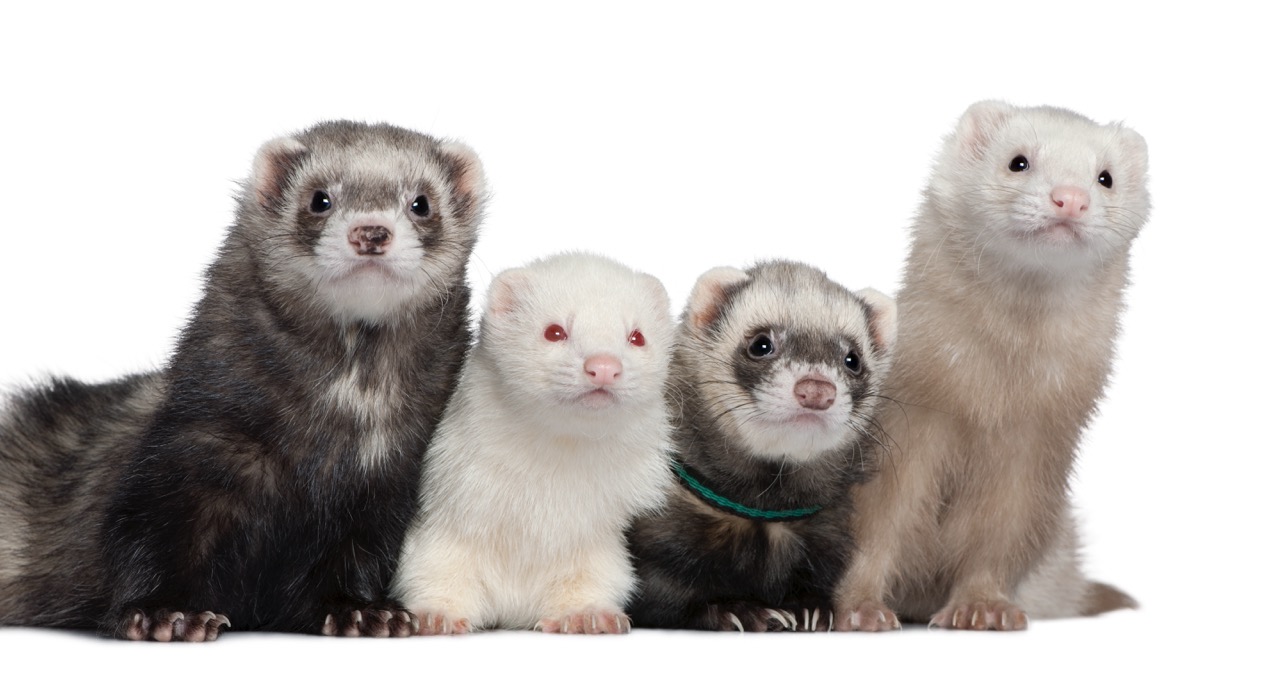
Moreover, social play among ferrets can enhance their muscle strength and coordination even further. Interacting with other ferrets provides opportunities for them to test their limits, learn from one another, and develop their athletic skills. This social aspect of play is vital for their emotional health as well, providing stimulation and reducing stress. In summary, play is not only a source of enjoyment for ferrets but also a critical factor in their physical development and overall well-being.
Understanding the muscular system of ferrets sheds light on their remarkable ability to move and play. Their unique muscle structure, coupled with the benefits of play, allows them to engage in a variety of activities that are essential for their health and happiness. By appreciating how ferrets use their muscles for movement and the role of play in their lives, pet owners can provide enriched environments that encourage natural behaviors and promote a fulfilling life for these lively companions. Proper care, attention, and opportunities for play are essential for ensuring that ferrets thrive both physically and emotionally.