



Ferrets, known for their playful nature and agility, are fascinating creatures with unique physiological traits that enable them to adapt to various environments. While they are not naturally suited to extreme cold, their bodies have evolved specific mechanisms that help them manage colder temperatures. This article explores how ferrets’ bodies adapt to cold weather, focusing on their physiology, the role of fur and fat for temperature regulation, behavioral changes during winter, and tips for ensuring their comfort in colder climates.
Understanding Ferret Physiology in Cold Climates
Ferrets belong to the weasel family, and their physiology reflects a blend of traits that enable survival in diverse environments. One of the most notable features is their high metabolic rate, which allows them to produce body heat efficiently. When temperatures drop, ferrets can increase their metabolism to generate more warmth, helping them maintain a stable body temperature. Despite this adaptability, prolonged exposure to extreme cold can still pose risks to their health.
Moreover, ferrets have a unique circulatory system that helps them manage temperature fluctuations. Their blood vessels can constrict in cold weather to minimize heat loss, directing blood flow away from the skin while preserving core body temperature. This physiological response is essential in preventing hypothermia, a condition that can be life-threatening for ferrets if not managed properly.
Additionally, ferrets possess a natural instinct to seek warmth when temperatures dip. This behavior is intertwined with their physiology, as they are wired to respond to environmental cues that signal the need for warmth. Understanding these physiological adaptations helps caregivers recognize when their ferrets may be uncomfortable in colder conditions.
The Role of Fur and Fat in Temperature Regulation
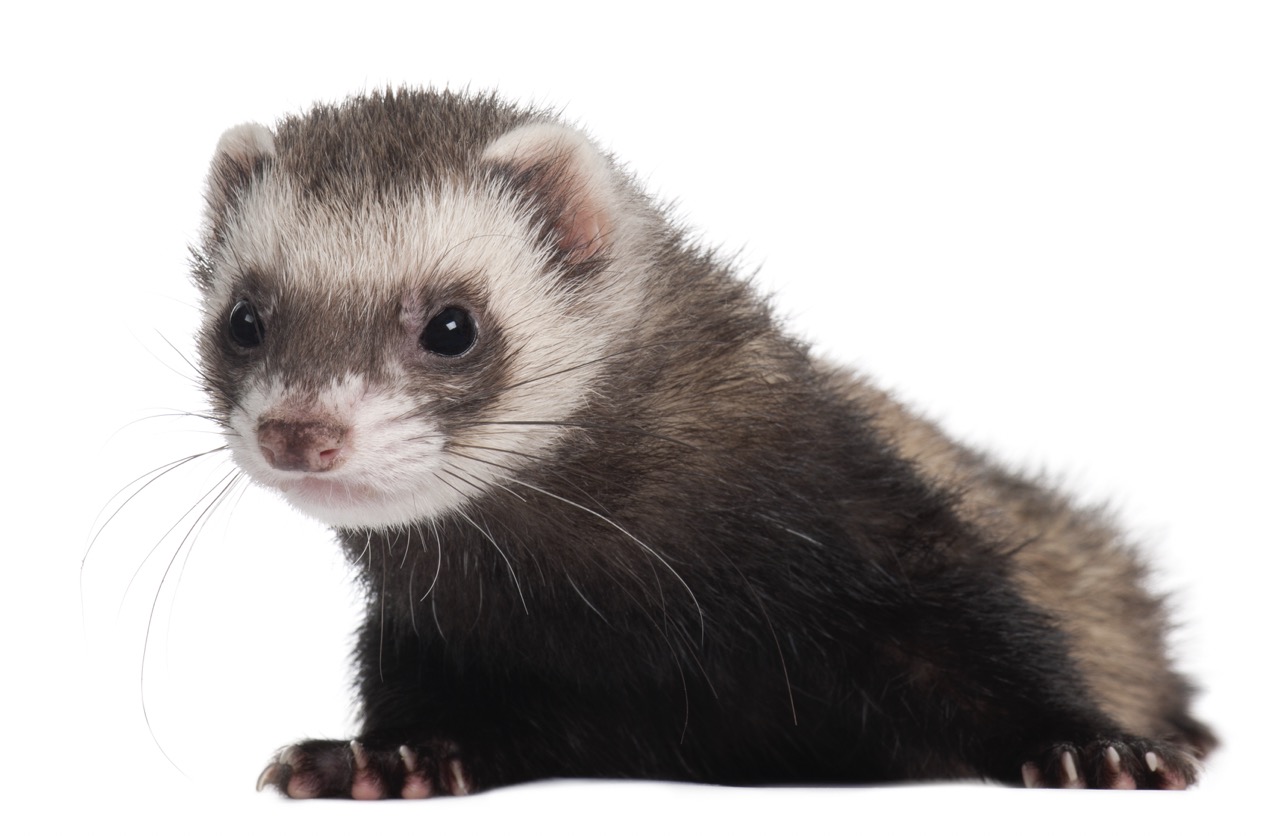
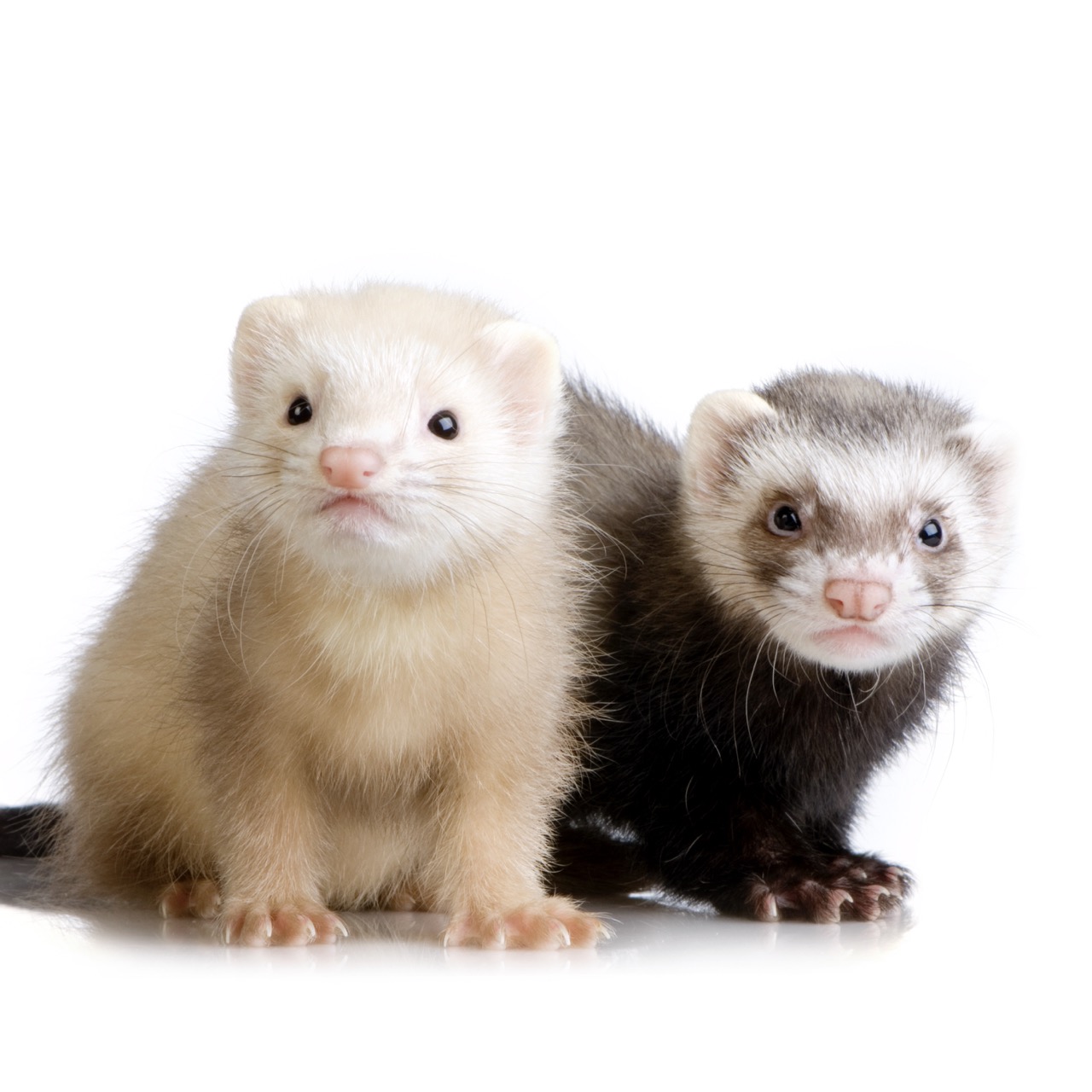
Fur plays a critical role in insulation, acting as a barrier against cold weather. Ferrets have a double coat, consisting of a soft undercoat and a longer guard coat. The undercoat traps air, providing insulation, while the guard hairs repel moisture and wind. This combination helps ferrets retain body heat in low temperatures, making them more resilient to the cold.
In addition to fur, the layer of fat beneath the skin serves as another mechanism for thermal regulation. This subcutaneous fat acts as insulation, helping to prevent heat loss and providing an energy reserve during colder months. When ferrets experience cold weather, their bodies may increase fat deposition, ensuring they have enough calories to generate heat through metabolic processes.
It is important to note that not all ferrets have the same level of insulation. Factors such as age, health, and individual genetic traits can influence the thickness of a ferret’s fur and fat layer. Recognizing these differences is essential for ferret owners, as some may require more assistance in maintaining warmth during winter months.
Behavioral Adaptations of Ferrets During Winter Months
In response to colder weather, ferrets exhibit several behavioral adaptations that help them cope with lower temperatures. One of the most common behaviors is burrowing or seeking cozy spots to nest. Ferrets instinctively look for warm, enclosed spaces that provide safety and insulation from the cold. This behavior not only helps them stay warm but also fosters a sense of security, reducing stress and anxiety during winter.
Ferrets are also known to become less active in the colder months, a natural response to conserve energy and heat. Instead of their usual playful antics, they may prefer to curl up and sleep more during chilly weather. This behavioral change can be beneficial, as it reduces their energy expenditure, allowing them to maintain warmth while minimizing the risk of hypothermia.
Finally, ferrets may seek companionship during cold weather. Social animals by nature, they often cuddle with other ferrets or their human caregivers for warmth. This behavior reinforces social bonds while providing an additional layer of warmth, highlighting the importance of understanding their social needs during winter months.
Tips for Keeping Your Ferret Comfortable in Cold Weather
To ensure your ferret remains comfortable during colder months, it is essential to provide a warm and safe environment. Start by insulating their living space, whether it’s a cage or a designated area in your home. Adding blankets, towels, or even a heating pad can create a cozy habitat that retains warmth and offers comfort during chilly nights.
Additionally, monitor the temperature of your home. Ferrets thrive in environments that are comfortably warm, ideally between 60°F and 70°F (15°C to 21°C). If temperatures drop below this range, consider using space heaters or extra bedding to maintain a suitable climate. Always ensure that any heating devices are safe and unlikely to cause burns.
Lastly, keep your ferret active and engaged even during the winter months. Provide stimulating toys and interactive activities that encourage play while indoors. Regular playtime not only helps maintain their physical condition but also boosts their mental wellbeing, making them more resilient to seasonal changes.
In conclusion, while ferrets may not be naturally equipped to handle extreme cold, their bodies exhibit remarkable adaptations that help them cope with lower temperatures. Understanding their physiology, the role of fur and fat, and their behavioral changes during winter can assist caregivers in providing the necessary support. By creating a warm and stimulating environment, ferret owners can ensure their pets remain comfortable and healthy even during the coldest months of the year.