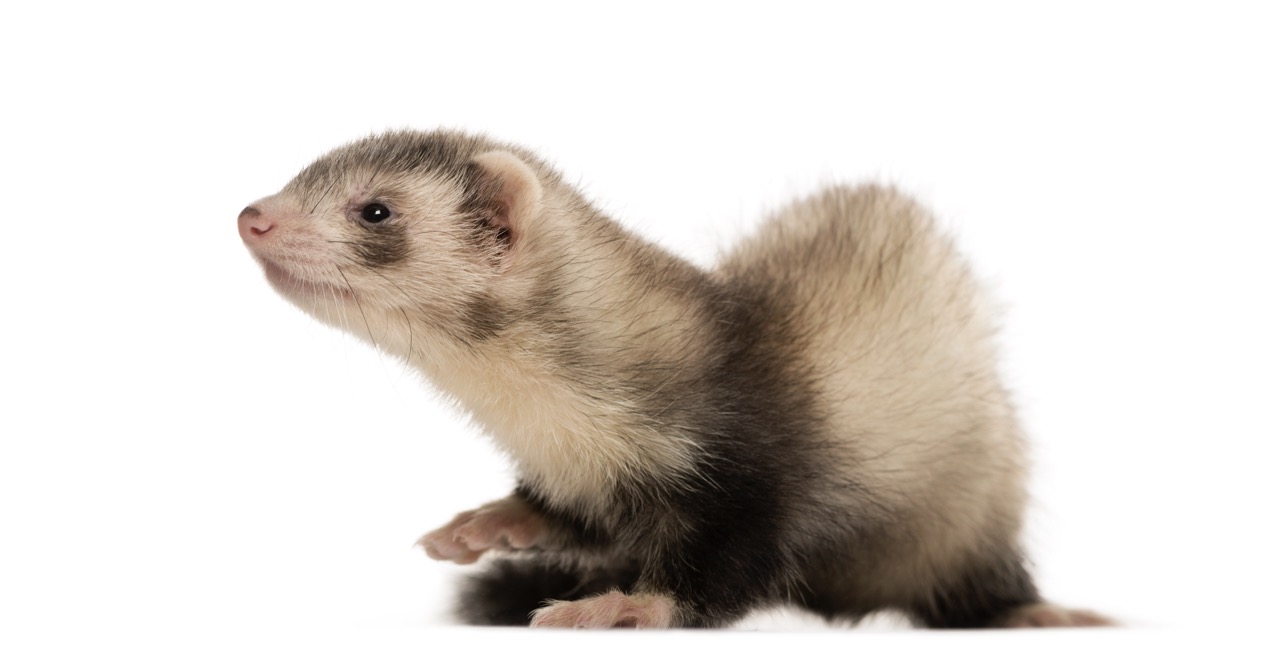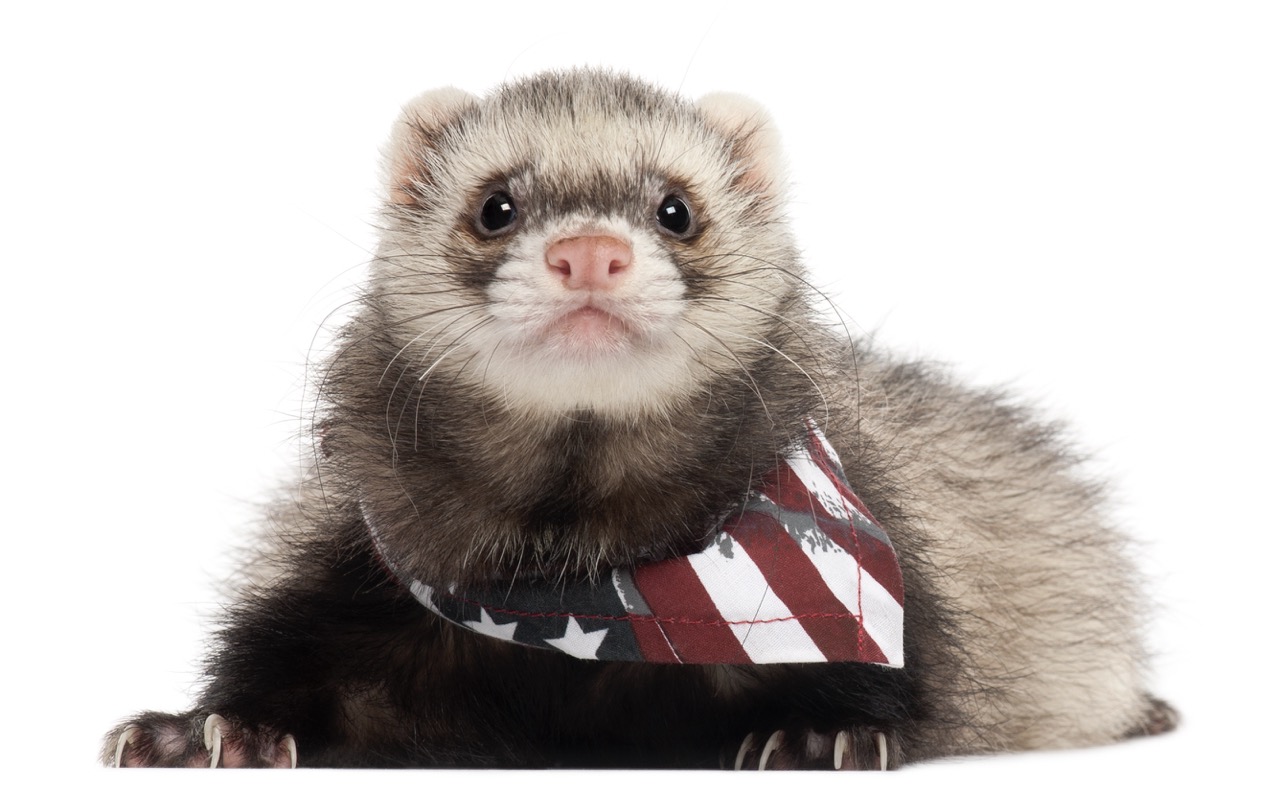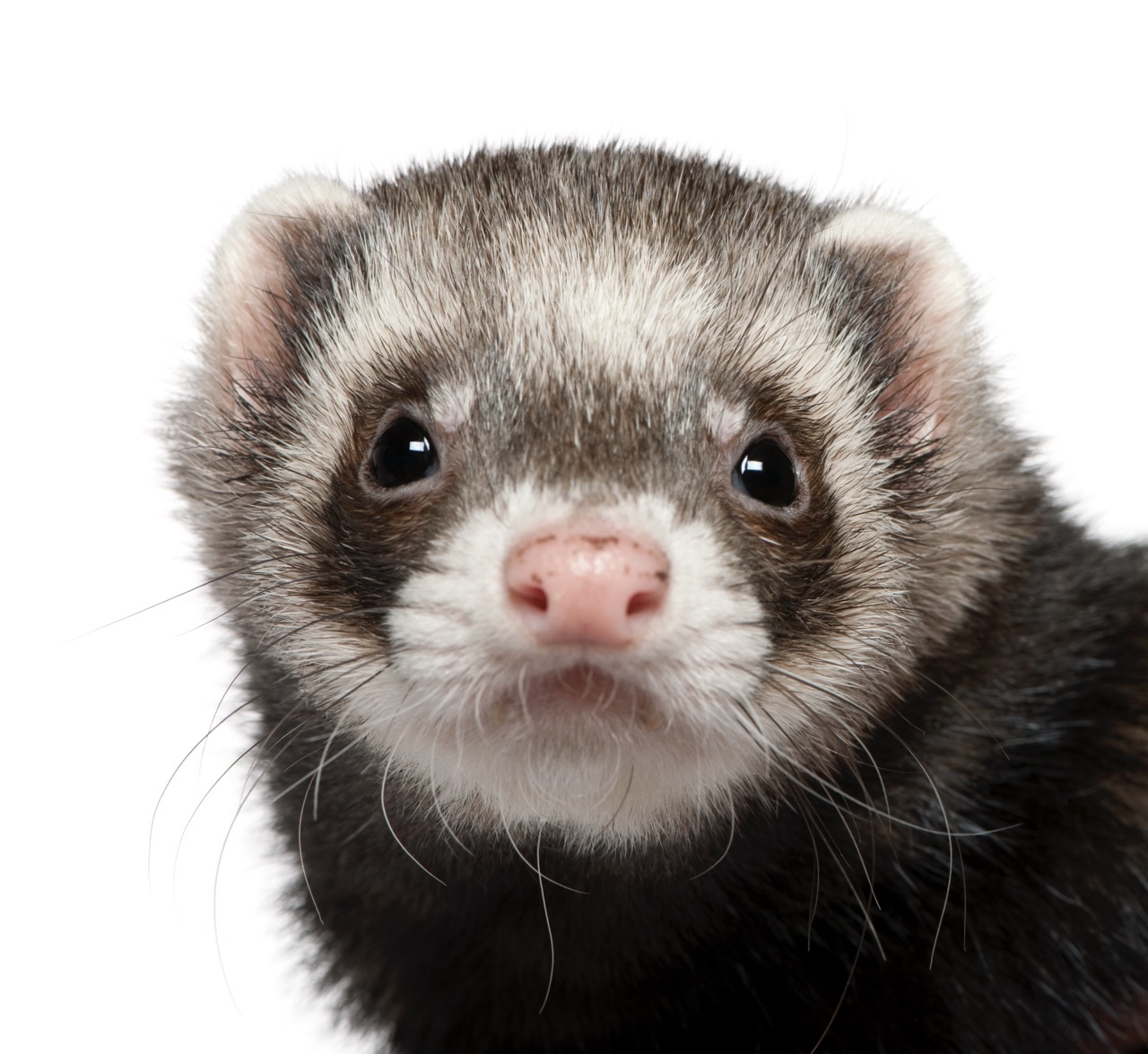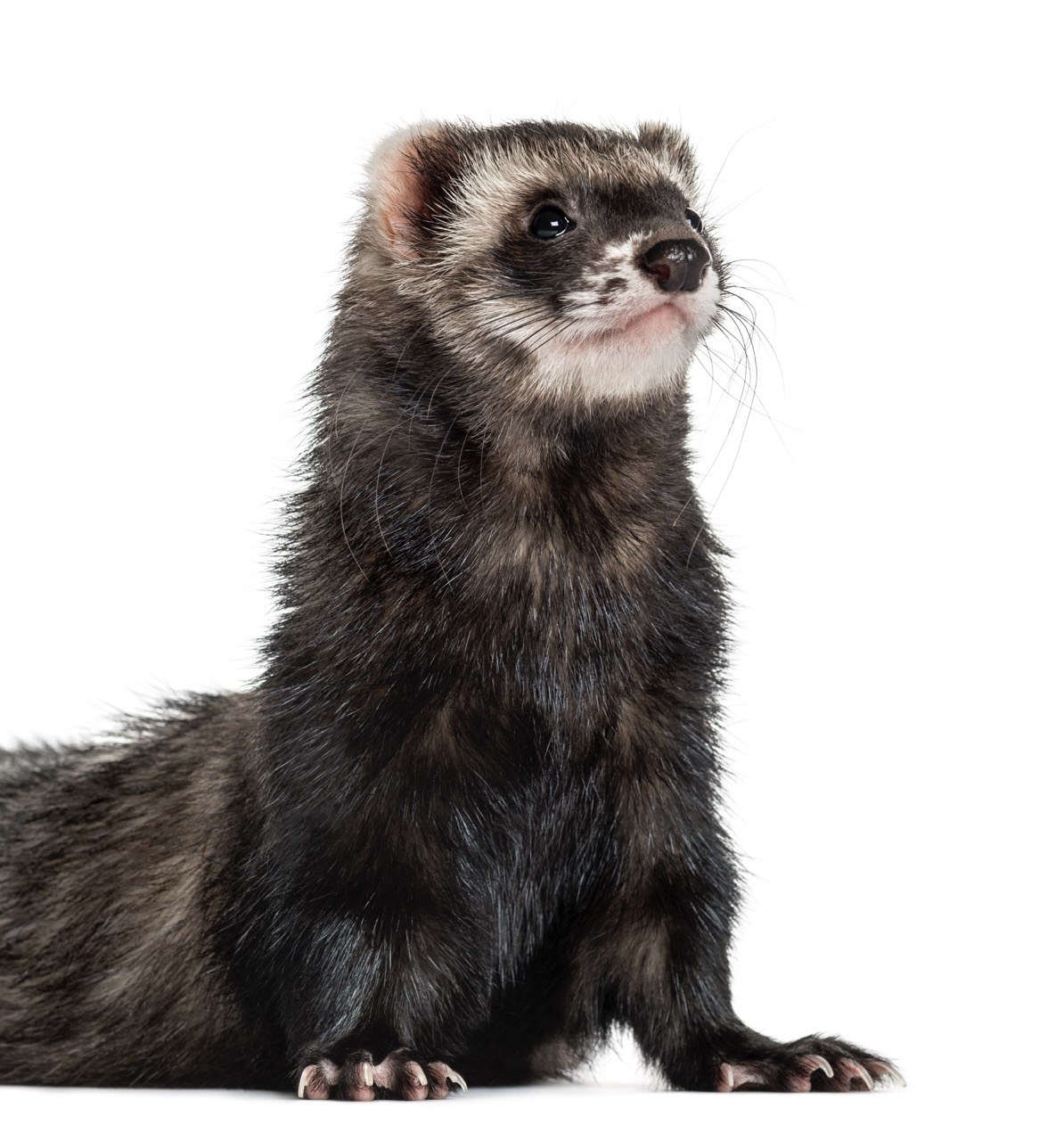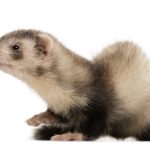

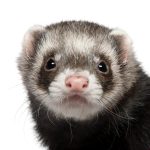
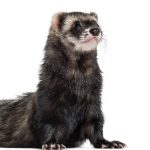
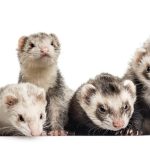
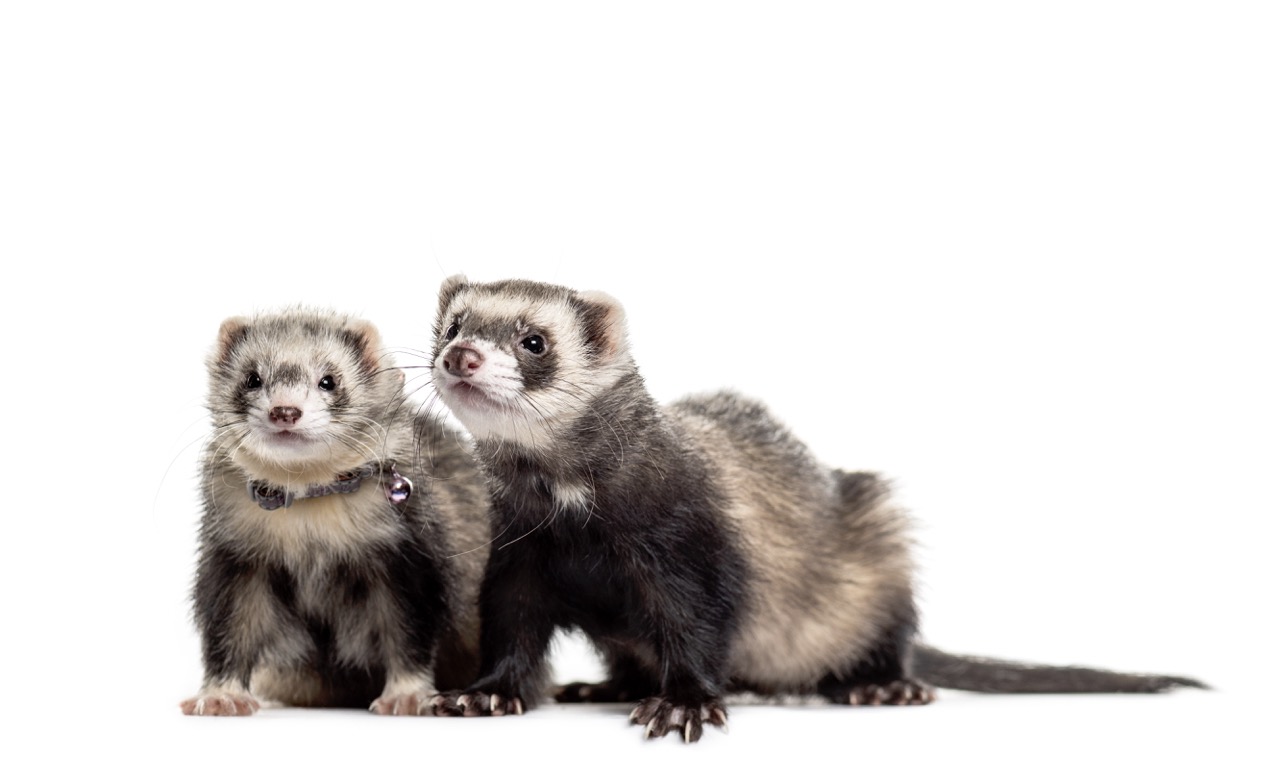
Ferrets, scientifically known as Mustela putorius furo, are fascinating small mammals that have garnered popularity as pets due to their playful nature and unique personalities. However, their dietary needs are paramount to understanding their health and well-being. As obligate carnivores, ferrets have evolved to thrive on a diet consisting primarily of animal protein. This article will delve into ferret digestive adaptations, examining their biology, anatomy, and nutritional requirements, as well as how these factors influence proper care practices for these remarkable creatures.
Understanding Ferret Biology: An Overview of Their Diet
Ferrets are classified as obligate carnivores, meaning they rely entirely on animal-based food sources for their nutritional needs. Unlike omnivorous animals, which can derive energy from both plant and animal sources, ferrets lack the necessary enzymes to digest plant matter efficiently. Their anatomical and physiological traits have developed through evolutionary processes that favor the consumption of high-protein, high-fat diets typically found in the prey of natural ecosystems.
In the wild, ferrets primarily hunt small mammals, birds, and other creatures rich in protein and fat. This predatory lifestyle has shaped their digestive system and metabolism, allowing them to extract essential nutrients from their food rapidly. The swift digestion of animal matter is critical because ferrets have a short gastrointestinal tract, enabling them to process their meals quickly and efficiently, which is essential for their energetic lifestyle. As a result, ferrets require a diet that closely mimics the high meat content found in their natural prey.
The differences in diet between ferrets and domestic pets like dogs or cats further highlight the unique needs of these animals. While dogs and cats can adapt to varied diets, ferrets have specialized nutritional requirements that must be met to maintain their health. Understanding these differences is crucial for pet owners looking to provide the best care for their ferrets, ensuring they adhere to their natural dietary needs.
The Anatomy of Ferrets: Specialized Digestive Features
The anatomy of ferrets plays a critical role in their ability to process animal proteins and fats. Their teeth are sharp and designed for tearing flesh, reflecting their carnivorous diet. The jaw structure allows ferrets to consume and process small prey, which is an essential aspect of their natural hunting behavior. This dental adaptation underscores the need for a meat-based diet, as their teeth are ill-suited for grinding plant materials.
Ferrets possess a short digestive tract, which is characteristic of obligate carnivores. The stomach is relatively large in proportion to their body size, allowing for the rapid intake and breakdown of protein-rich food. This short gastrointestinal tract minimizes the time food spends in the digestive system, enabling ferrets to absorb nutrients quickly and efficiently. The rapid digestion is particularly important for ferrets, given their high metabolic rate and energy requirements.
Additionally, the structure of a ferret’s intestines is designed to optimize nutrient absorption from animal proteins and fats. The small intestine is relatively long, facilitating the efficient absorption of amino acids and other essential nutrients. However, this adaptation also means that ferrets do not require high fiber intake, which is often necessary for herbivorous or omnivorous animals. Understanding the unique anatomical features of ferrets can guide owners in providing a diet that meets their specific digestive needs.
Nutritional Needs: Why Ferrets Require Animal Protein
Ferrets require a diet rich in animal protein because they have specific nutritional needs that cannot be met by plant-based foods. Essential amino acids, such as taurine, arginine, and methionine, are crucial for their overall health and must be consumed from animal sources. Unlike many mammals, ferrets cannot synthesize these amino acids, making it critical for their diet to include high-quality meat products to ensure adequate intake.
In addition to amino acids, ferrets also depend on fat as a significant energy source. Their bodies are adapted to metabolize the fat derived from animal tissues efficiently. A diet low in fat or high in carbohydrates can lead to various health issues, including insulinoma and obesity. Therefore, pet owners must prioritize animal-based foods that provide the necessary fat content alongside protein to maintain their ferrets’ health and vitality.
Moreover, commercial ferret diets are formulated specifically to meet these nutritional requirements, often containing high levels of animal protein and fat. Understanding the importance of these nutrients is crucial for ferret owners. Providing a balanced diet enriched with animal-based ingredients is essential not only for preventing nutritional deficiencies but also for promoting overall wellness in ferrets.
Implications of Obligate Carnivory on Ferret Care Practices
The obligate carnivorous nature of ferrets has significant implications for their care. Pet owners must prioritize feeding their ferrets a diet that mimics their natural prey, focusing on high-quality, protein-rich foods. The use of commercial ferret food is often recommended due to its formulation to meet the specific needs of these animals, but it is essential to read labels carefully to ensure that the main ingredients are animal-based.
Furthermore, ferret owners should be cautious about offering treats or supplemental foods. Many common pet treats and human foods are unsuitable for ferrets and may contain harmful ingredients like sugars, grains, or artificial additives. A diet that deviates from the prescribed high-protein, low-carbohydrate profile can lead to serious health issues over time, including digestive problems and metabolic disorders.
Lastly, understanding the dietary needs of ferrets fosters better health management practices. Regular veterinary check-ups and assessments are essential to monitor weight, health, and dietary intake. By adhering to their obligate carnivorous requirements, ferret owners can ensure that their pets lead healthy, active lives filled with vitality and well-being.
In conclusion, ferrets are obligate carnivores with specialized digestive adaptations that require a diet primarily composed of animal protein and fat. Understanding their unique biology and nutritional needs is crucial for proper care. Pet owners must emphasize providing high-quality, meat-based diets while being mindful of the implications of these dietary requirements in their daily care routines. By doing so, ferret owners can promote optimal health and longevity in their beloved companions, ensuring that these playful creatures thrive in a domestic setting.