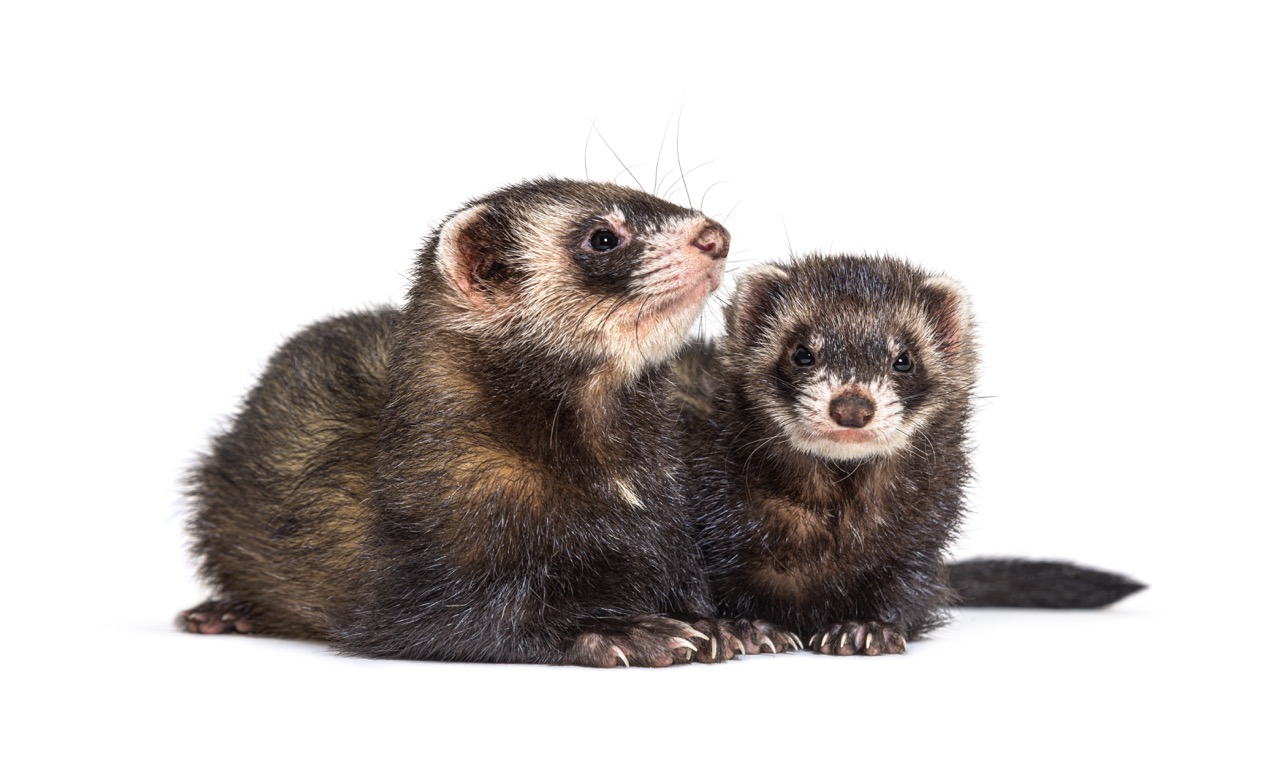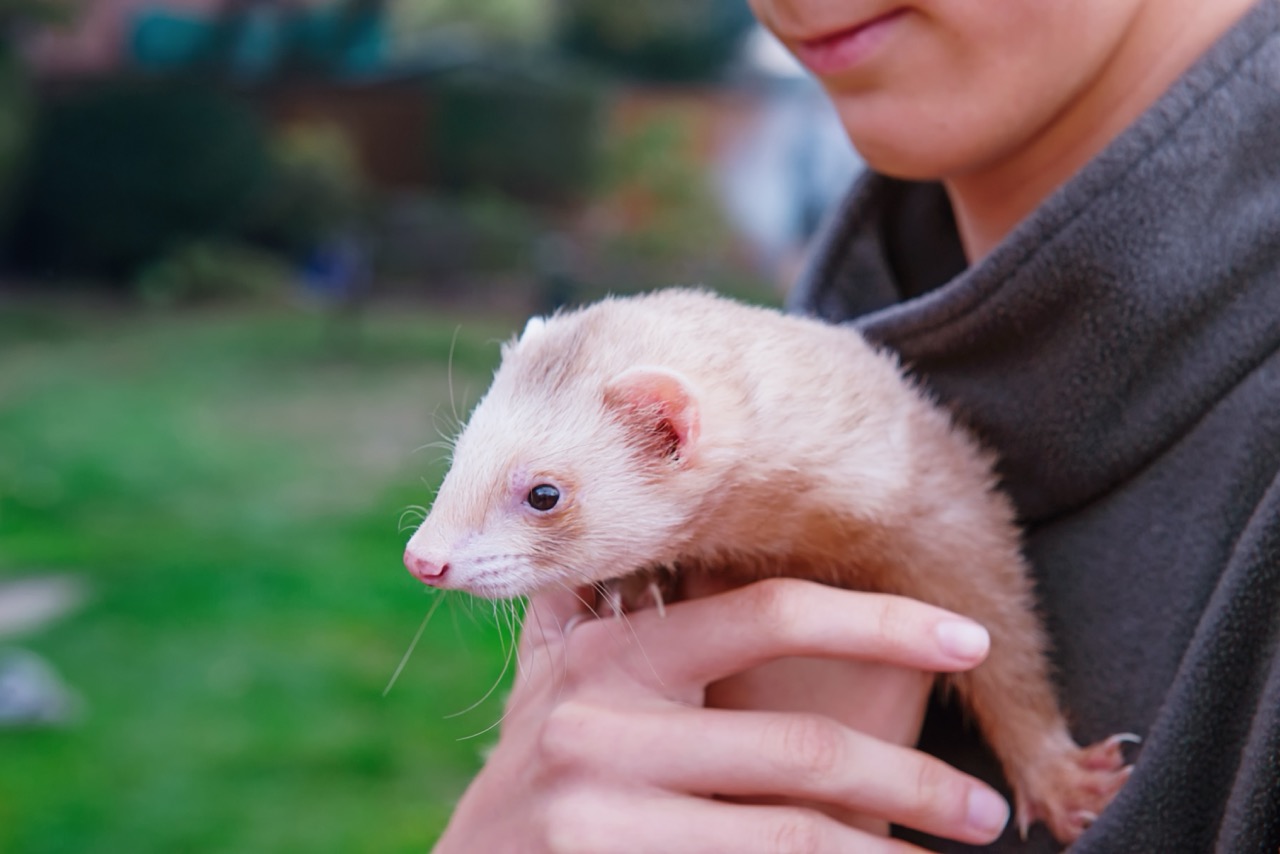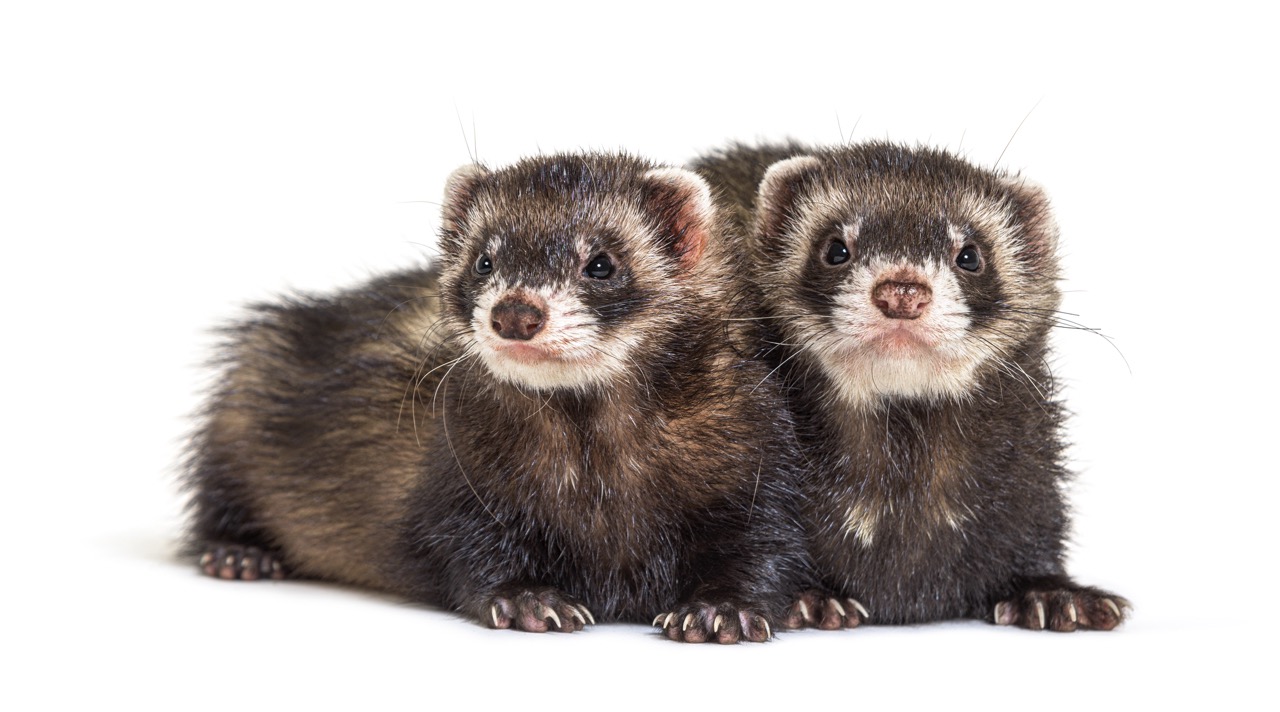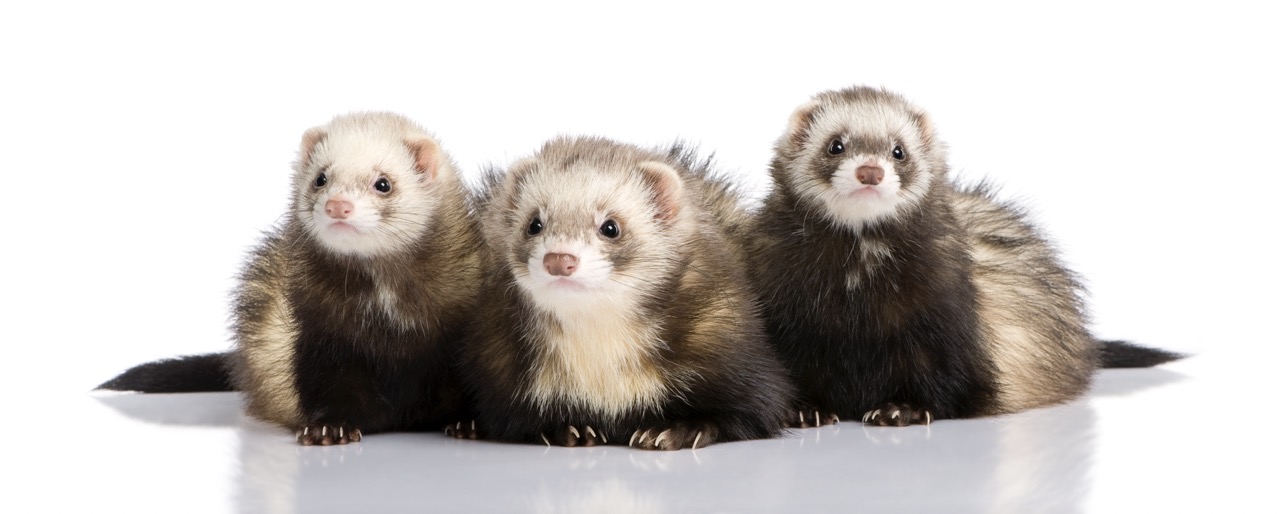



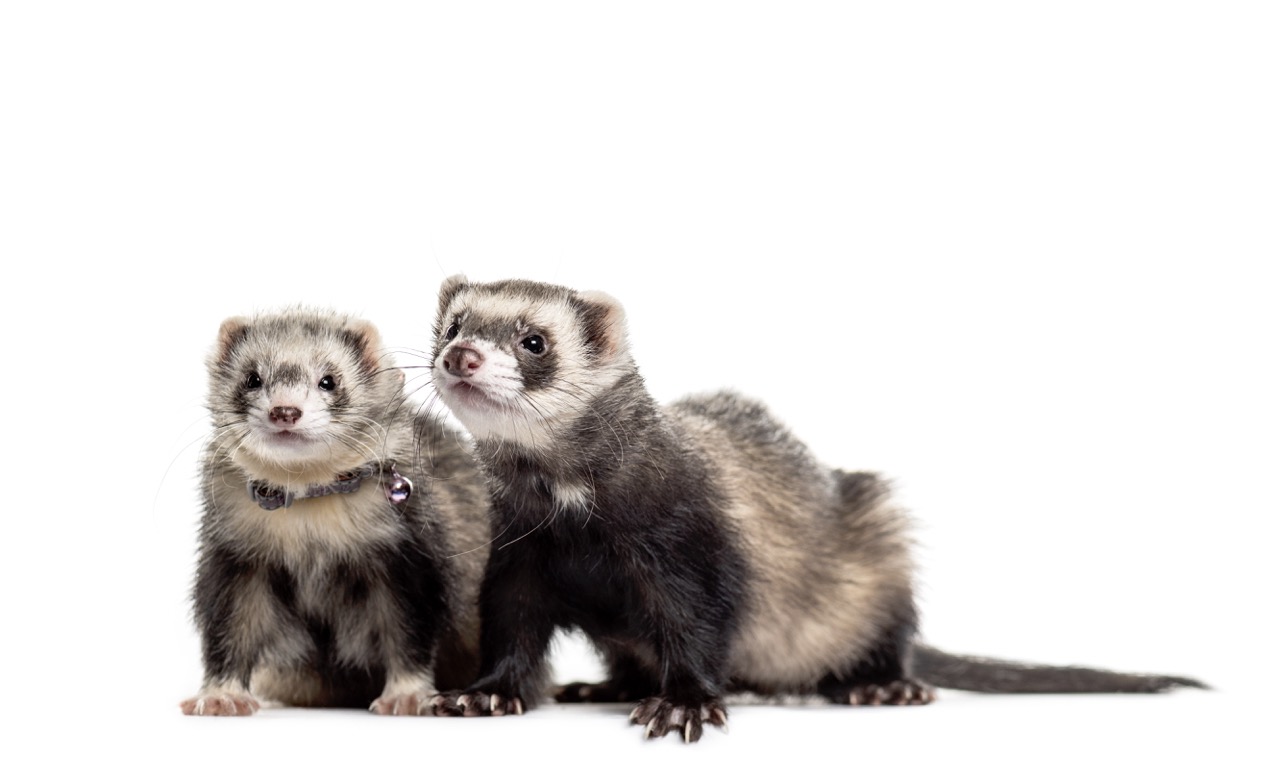
The ferret, a small domesticated carnivorous mammal belonging to the weasel family, has garnered attention for its playful nature and distinctive body structure. Understanding the ferret’s skeleton offers insights into its unique adaptations for survival and locomotion. The skeletal system not only provides structural support but also plays a vital role in the overall functionality of the organism. This article delves into the anatomy and structure of the ferret skeleton, highlighting its essential components, functional roles, and how it compares to the skeletal systems of other mammals.
Overview of Ferret Anatomy and Skeletal Structure
The ferret’s body is sleek and elongated, a characteristic that is prominently reflected in its skeletal structure. The ferret’s skeleton is composed of approximately 230 bones, which vary in size and shape to support its agile movements. Key features include a flexible spine that allows for both vertical and lateral movement, contributing to the ferret’s ability to navigate through tight spaces and exhibit remarkable agility. The skull is another noteworthy aspect, housing the ferret’s well-adapted dentition for a carnivorous diet, complete with sharp incisors and canine teeth designed for grasping and tearing flesh.
The axial skeleton, which includes the skull, vertebral column, and rib cage, serves as the core framework of the ferret’s body. The vertebral column is composed of multiple vertebrae, allowing for flexibility and a range of motion. In contrast, the appendicular skeleton, comprising the forelimbs and hind limbs, has evolved to support their active lifestyle. Each limb consists of bones arranged in a way that maximizes leverage and mobility, essential for their hunting practices and playful activities.
Additionally, the ferret’s skeletal system is enhanced by the presence of specialized bones, such as the clavicle, which enables a greater range of motion in the forelimbs. Understanding the anatomical structure of the ferret skeleton is crucial for both veterinary care and comprehending their evolutionary adaptations. These adaptations support their behavior, lifestyle, and ecological role as agile predators.
Key Components of the Ferret Skeleton Explained
The ferret skeleton consists of several key components that contribute to its overall structure and function. The skull is a complex structure that protects the brain and supports the sensory organs. The ferret’s elongated skull provides ample space for large eyes and a keen sense of smell, both of which are crucial for hunting and navigating its environment. The jaw structure features distinctive features that allow for effective prey capture, with strong mandibles reinforced by sharp teeth that facilitate efficient feeding.
The vertebral column of the ferret is comprised of cervical, thoracic, lumbar, sacral, and caudal vertebrae, each serving specific functions. The cervical region has seven vertebrae, providing a high degree of mobility in the neck. The thoracic vertebrae are attached to the ribs, forming the rib cage that protects vital organs such as the heart and lungs. The lumbar vertebrae provide additional support for the lower back, assisting in maintaining balance during movement, while the sacral and caudal vertebrae contribute to the stability of the pelvis and tail, which plays a role in communication and balance.
Ferrets possess a specialized limb structure as well, with five toes on each paw equipped with sharp claws. The forelimbs feature a unique arrangement of bones that allows for dexterous movement, essential for climbing and digging. The hind limbs are more robust, providing the necessary propulsion for running and leaping. This combination of features illustrates how the ferret skeleton has evolved to enhance its physical capabilities, aligning with its lifestyle as an active, agile predator.
Functional Roles of the Ferret Skeletal System
The skeletal system of the ferret plays numerous functional roles that are critical to its overall health and survival. Primarily, the skeleton provides structural support, maintaining the ferret’s body shape and posture. This support is vital for allowing the ferret to engage in various physical activities, such as running, jumping, and climbing. The ability to maintain balance and coordination is facilitated by the skeletal system, particularly through the interactions between the vertebrae and limb bones.
Moreover, the ferret skeleton serves as a protective framework for delicate internal organs. The rib cage, formed by the thoracic vertebrae and ribs, encases the heart and lungs, shielding them from external trauma. The skull offers a similar protective role for the brain and sensory organs, ensuring they remain safeguarded during the ferret’s active lifestyle. This protective function is paramount, as ferrets are naturally curious animals that often explore their surroundings energetically.
Lastly, the skeletal system is involved in the production of blood cells. Bone marrow, found within certain bones, is responsible for hematopoiesis, the process of creating red and white blood cells essential for oxygen transport and immune response. This physiological function underscores the importance of the skeletal system beyond mere support and protection, illustrating its multifaceted role in maintaining the ferret’s overall health and functionality.
Comparative Analysis: Ferret Skeleton vs. Other Mammals
When comparing the ferret’s skeleton to that of other mammals, several distinct features and adaptations emerge. For instance, many mammals exhibit a similar overall skeletal framework, yet the ferret’s elongated body and specialized limb structures set it apart. Unlike more robust mammals, such as dogs or cats, the ferret’s slender physique allows for enhanced agility and maneuverability, which are reflected in the design of its limb bones. This anatomical difference facilitates rapid movement and the ability to navigate complex environments.
In contrast, larger mammals tend to have heavier and more densely structured bones to support greater body mass. For example, the skeletal systems of larger carnivores like lions or tigers are adapted for strength and power, with thicker limb bones that can withstand significant stress during high-impact activities, such as sprinting and capturing prey. Meanwhile, the ferret, with its lightweight skeleton, prioritizes flexibility and speed over sheer strength, enabling it to exploit different ecological niches effectively.
Additionally, the skull structure can vary significantly across mammalian species. While the ferret has a narrow, elongated skull suited for its hunting methods, other mammals may possess broader skulls that accommodate larger teeth or different sensory apparatus. This comparison highlights the diverse adaptations present in the mammalian class, reflecting the evolutionary paths that different species have taken to meet their ecological needs.
In summary, the skeletal structure of the ferret is a fascinating study of adaptation and function. From its unique components to its multifaceted roles, the ferret skeleton is crucial for providing support, protection, and mobility. By comparing the ferret’s skeletal system to that of other mammals, we can appreciate the diverse evolutionary strategies employed across the animal kingdom. Understanding these structures not only enhances our knowledge of ferrets but also underscores the importance of skeletal anatomy in the broader context of mammalian physiology and behavior.