





Ferrets are fascinating creatures known for their playful nature and impressive agility. As small domesticated mammals, they undergo several growth stages, each marked by distinct characteristics and developmental milestones. Understanding these stages is crucial for pet owners, as it allows them to provide the appropriate care and environment tailored to their ferret’s age. This article explores the growth stages of ferrets, from their initial days as adorable kittens to their emergence as fully grown adults.
Understanding Ferret Growth Stages: An Overview
Ferrets, scientifically known as Mustela putorius furo, typically have a lifespan ranging from 6 to 10 years. Their growth is distinctly categorized into three main stages: kitten, adolescent, and adult. Each stage presents unique needs and behaviors that require attention from owners to ensure the well-being of their furry companions. Recognizing these stages helps in fostering a nurturing environment that supports their physical and emotional health.
The growth stages in ferrets are influenced not only by age but also by factors such as genetics, diet, and overall care. Kitten ferrets, or kits, are usually born in litters of around 6 to 8 and rely heavily on their mother’s milk for the first few weeks of life. As they grow, their nutritional needs shift, necessitating a balanced diet rich in protein and fats. Understanding these requirements at each stage is essential for promoting healthy growth and development.
Moreover, each stage is characterized by specific behaviors and social needs. Kittens are typically more playful and curious, while adolescents may exhibit more independence and exploratory tendencies. Adults, on the other hand, may become more relaxed and settled in their routines. Observing these behavioral changes provides invaluable insights into how best to interact with, train, and care for ferrets throughout their lives.
Early Development: Life as a Kitten Ferret
The first stage of a ferret’s life, known as the kitten stage, usually lasts from birth to around 12 weeks of age. During this period, kits are born blind and deaf, relying entirely on their mother for warmth, nourishment, and protection. The first few weeks are critical for their development, as they begin to open their eyes and ears, becoming more aware of their surroundings. At this stage, they are highly dependent on their mother’s milk, which is essential for their growth and immune system development.
As they reach approximately three weeks of age, kits start to explore their environment more actively. They begin to emerge from their nesting area, engaging in play with their littermates. This playful behavior is vital, as it helps them develop their social skills and physical coordination. During this time, owners can gently handle the kittens, helping them become accustomed to human interaction, which is crucial for their social development.
By the end of the kitten stage, around 12 weeks, ferrets are ready to transition to a more varied diet, moving away from their mother’s milk to solid food. This transition is important, as it lays the foundation for their nutritional needs in adulthood. It is also during this period that they begin to exhibit their unique personalities and preferences, making it an exciting time for both the kits and their new owners.
Transitioning to Adolescence: Key Milestones
Once ferrets reach the adolescent stage, typically between 3 to 6 months, they undergo significant physical and behavioral changes. This period is marked by rapid growth and development, as they begin to reach sexual maturity. It is crucial for ferret owners to be aware of these changes and prepare for potential challenges, such as increased energy levels and potential behavioral issues stemming from hormonal changes.
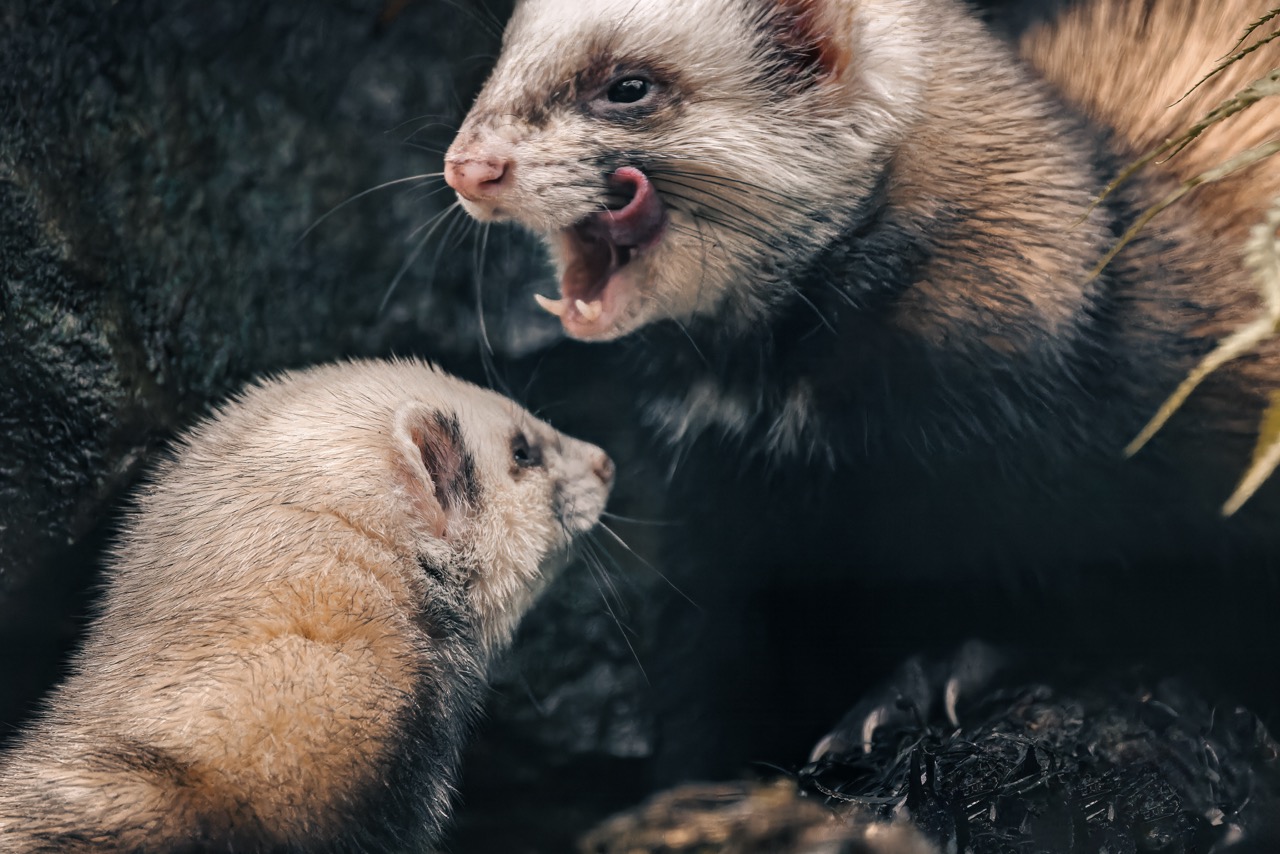
During adolescence, ferrets may test boundaries and exhibit more assertive behaviors, including digging, biting, or excessive nipping. This is a natural part of their development as they assert their independence. Training and socialization remain important during this stage; owners should employ positive reinforcement techniques to encourage good behavior and discourage undesirable actions. Regular playtime and mental stimulation are vital to keep their energy levels in check and prevent boredom-related issues.
Health care is also a critical consideration during this transitional phase. Regular veterinary check-ups should be established to monitor their growth and ensure they are developing normally. Vaccinations and spaying or neutering are typically recommended during this time, contributing to their long-term health and helping to manage behavioral issues associated with hormone fluctuations.
Reaching Maturity: Adult Ferret Characteristics and Care
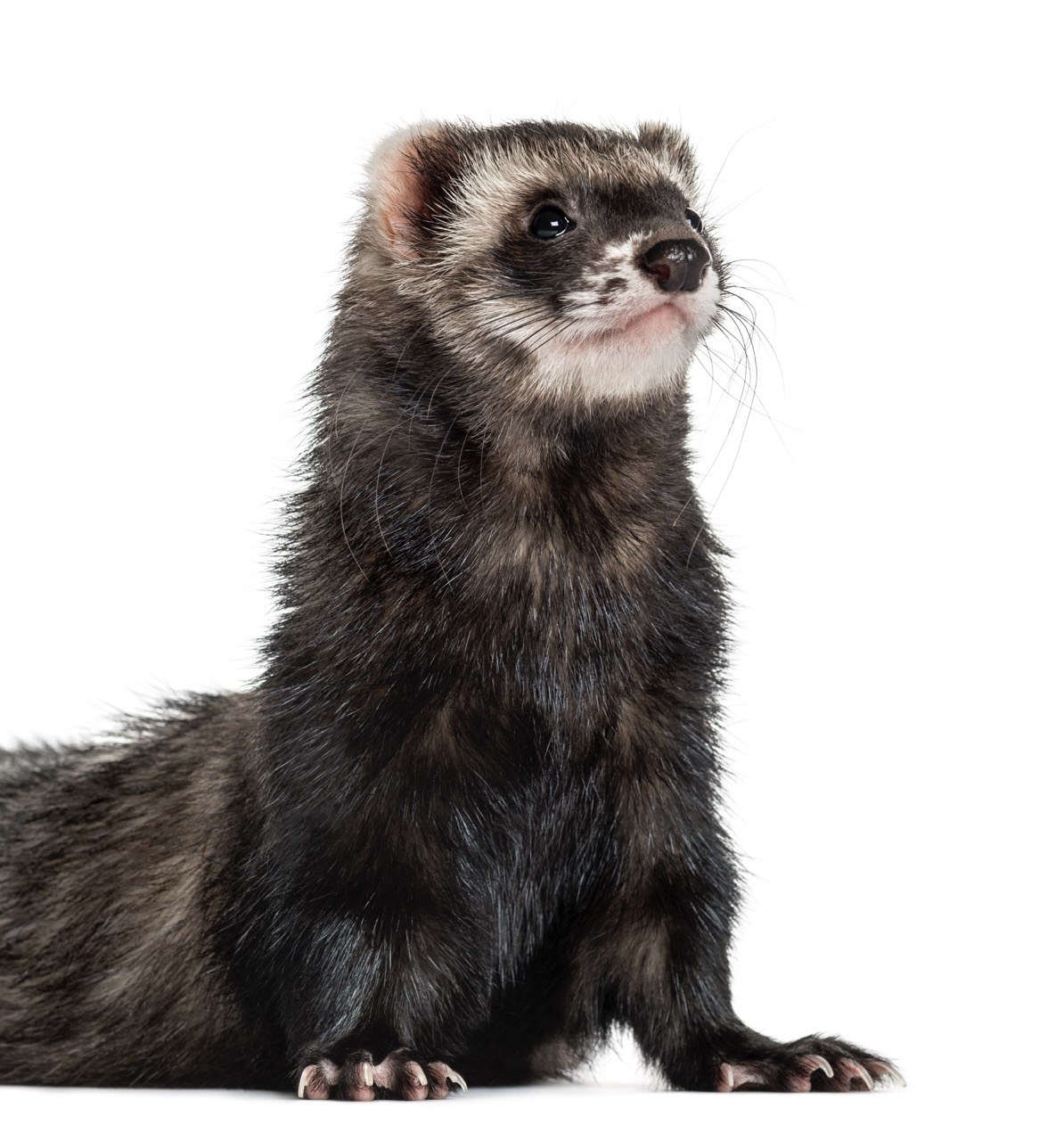
Ferrets generally reach adulthood around 6 months to 1 year of age, although their physical development may continue until they are about 2 years old. Adult ferrets exhibit distinct physical characteristics, including a more defined body shape and a fuller coat. They tend to have stable personalities, becoming more predictable in their behavior. Adult ferrets are often described as being calmer and more affectionate, though this can vary based on individual temperament and socialization experiences during their younger years.
Adult ferrets require specialized care that differs from their younger counterparts. A balanced diet rich in protein and low in carbohydrates is crucial for maintaining their health. High-quality ferret kibble, complemented by occasional treats, ensures they receive the necessary nutrients. Additionally, providing mental stimulation through interactive toys and safe play areas is essential to keep them engaged and prevent obesity.
Social interaction remains an important aspect of care for adult ferrets. Regular playtime and bonding activities help strengthen the human-animal relationship and mitigate behavioral issues stemming from loneliness or boredom. Owners should also be vigilant regarding health issues that may arise as ferrets age, including adrenal gland disease or insulinoma, and schedule regular veterinary visits to ensure early detection and treatment.
Understanding the growth stages of ferrets is essential for any potential or current owner. From their charming beginnings as kittens to their eventual emergence as playful and affectionate adults, each stage presents unique challenges and rewards. By recognizing these stages and adapting care practices accordingly, owners can foster healthy, happy lives for their ferrets, enjoying the companionship of these delightful creatures for years to come.