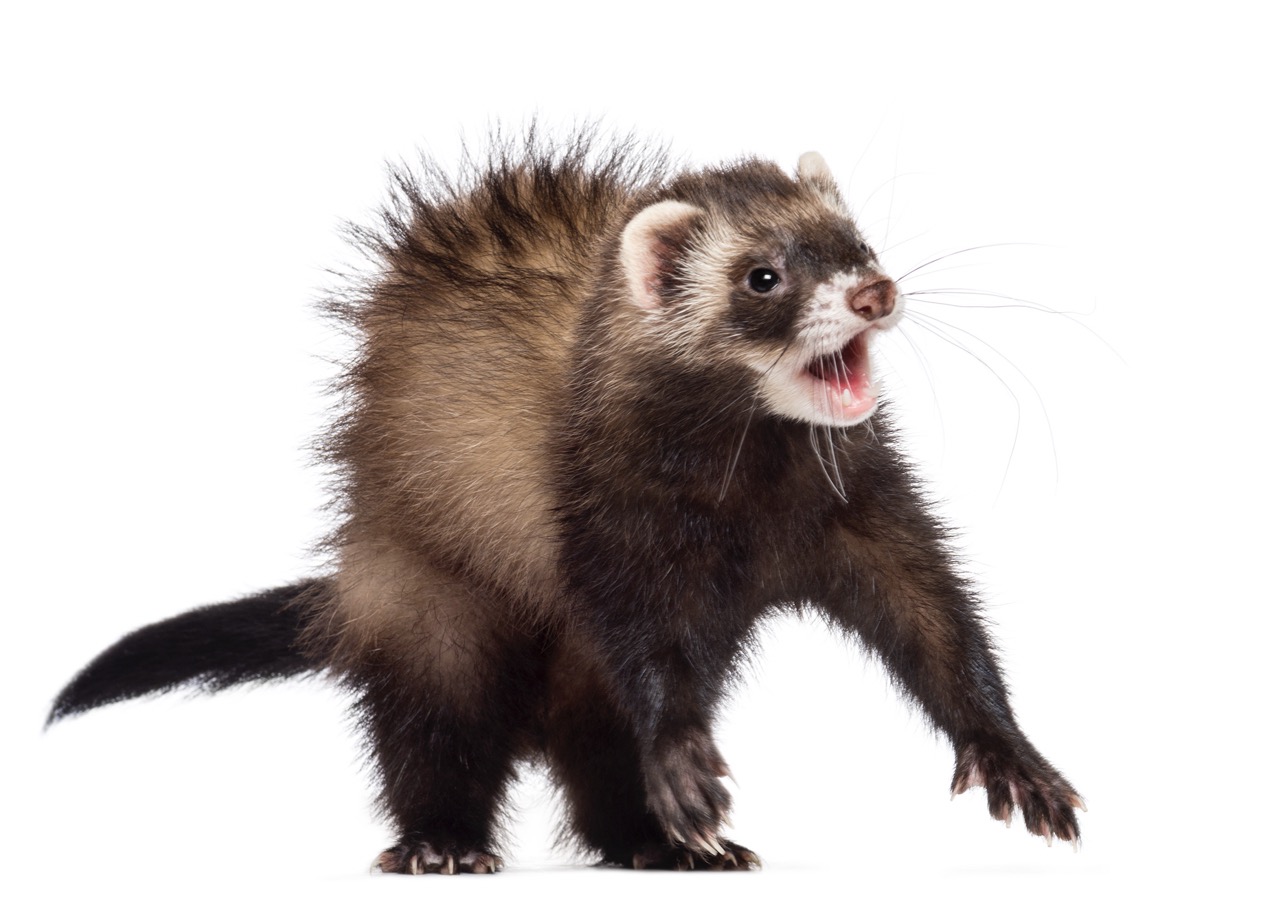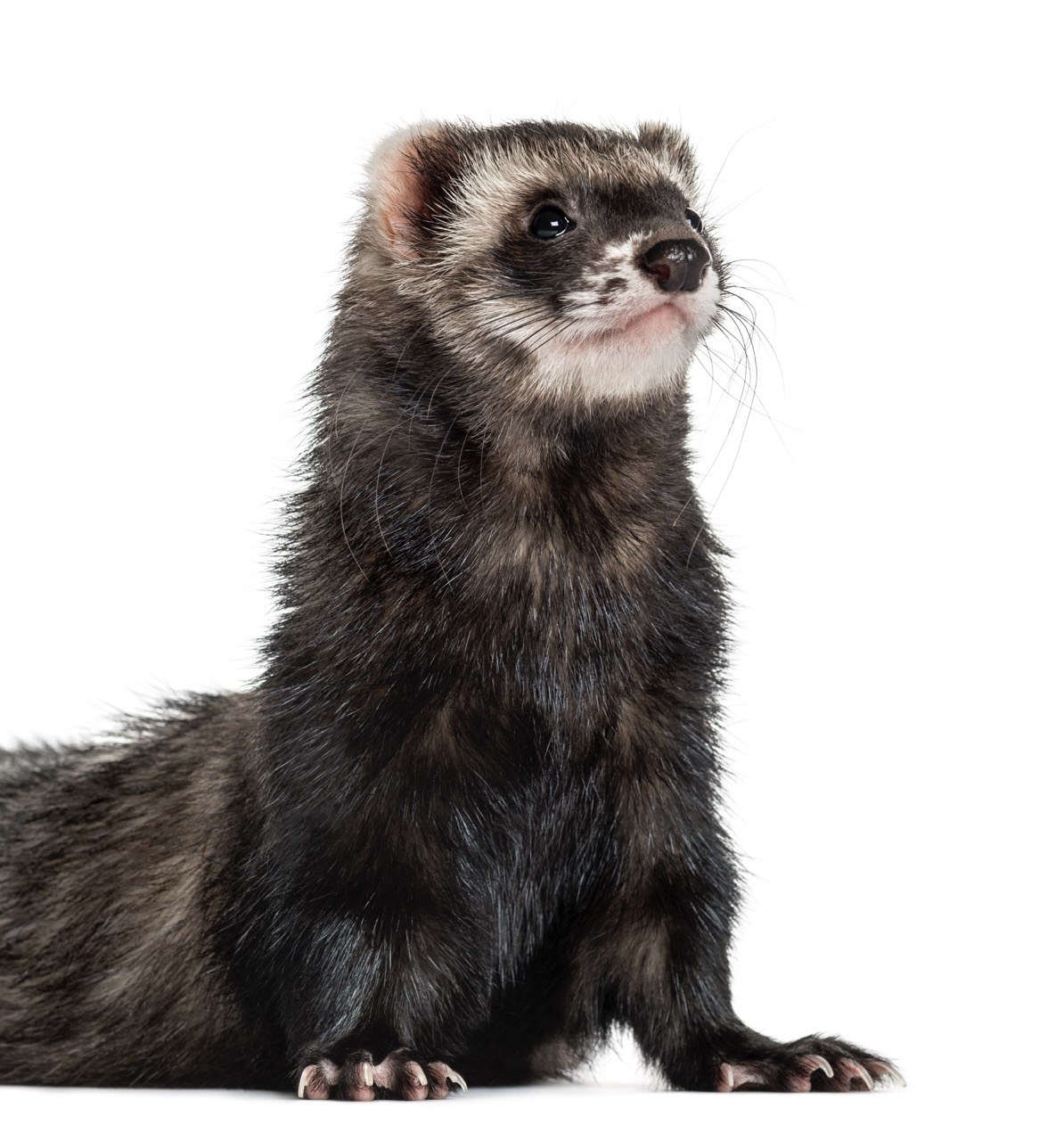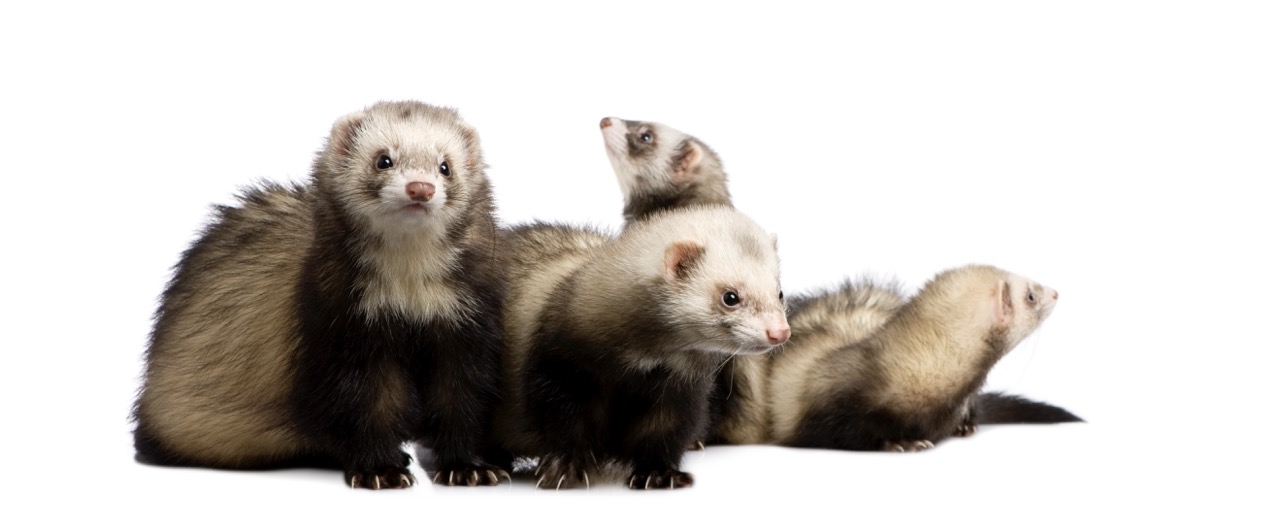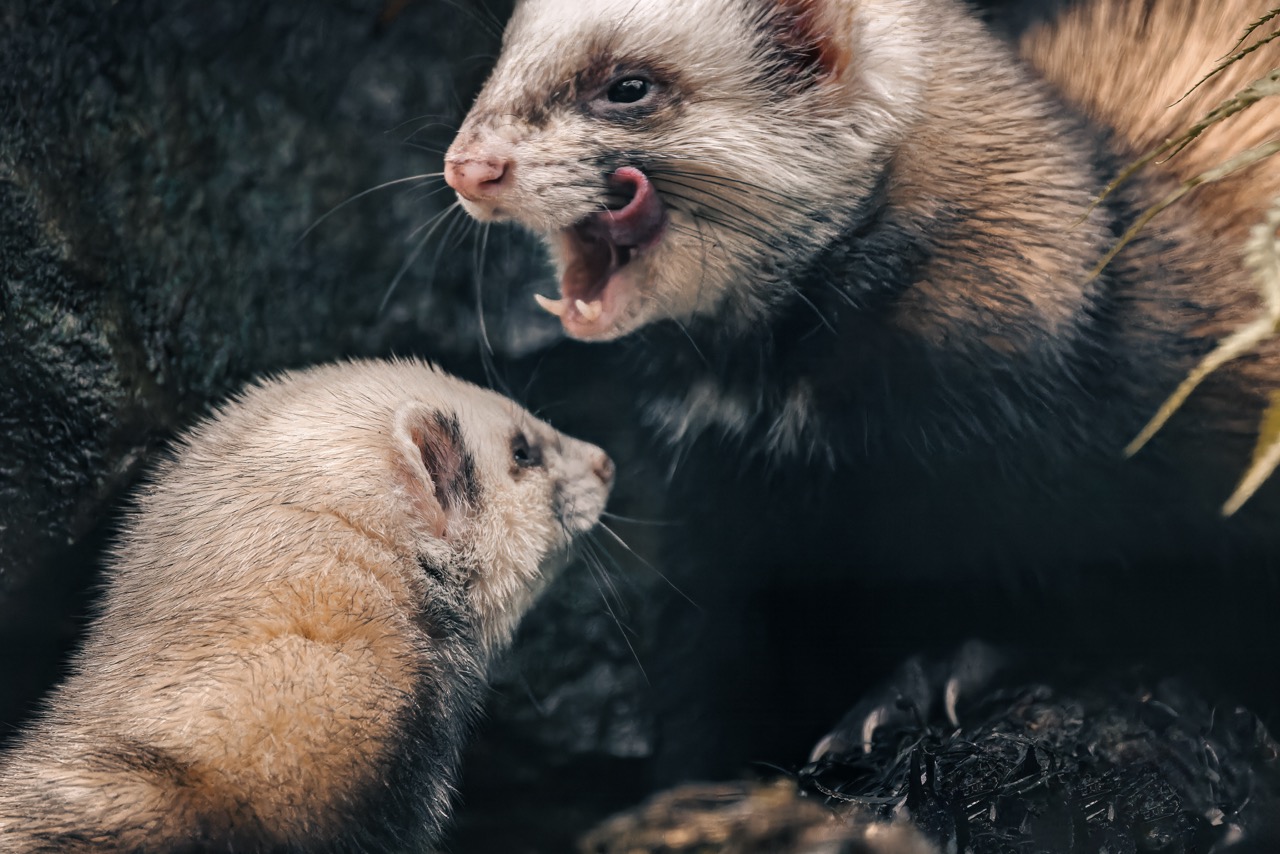





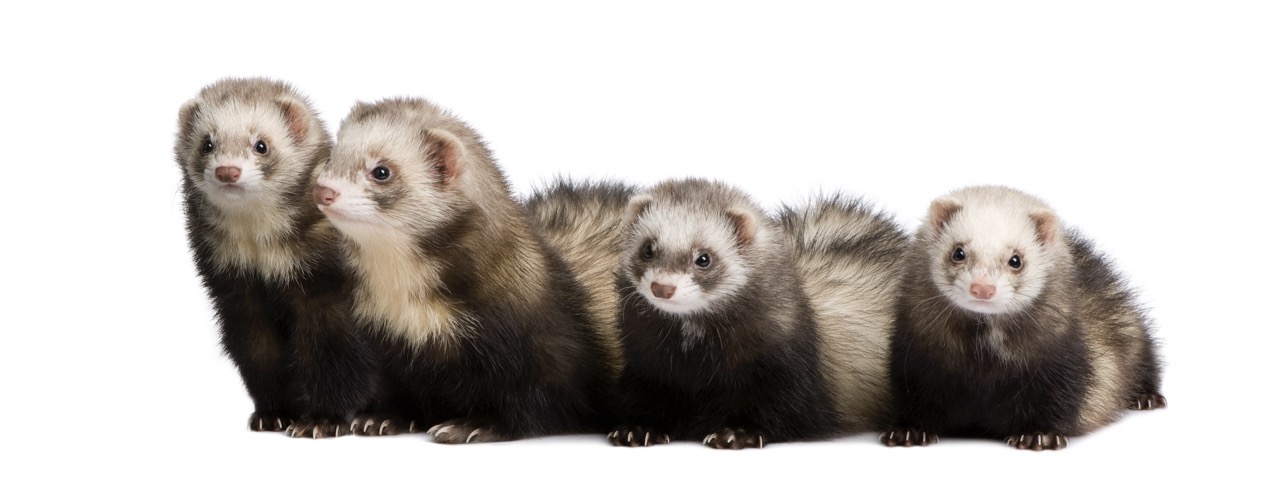
Ferrets are fascinating creatures known for their playful and inquisitive nature. As pets, they bring joy and companionship, but their sleep patterns often puzzle their owners. Understanding ferret sleep cycles is crucial for providing a healthy and enriching environment. This article explores the unique sleep behaviors of ferrets, delving into the science behind their sleep cycles, factors that influence their sleep, and tips for creating an ideal sleep environment.
Overview of Ferret Sleep Behaviors and Habits
Ferrets are known for their unique sleep behaviors, which differ significantly from those of more traditional pets like dogs and cats. Generally, ferrets are crepuscular animals, meaning they are most active during dawn and dusk. This behavior is a remnant of their wild ancestry, where they adapted to hunt and scavenge during these times. Consequently, ferrets tend to have longer sleep durations during the day, often curling up in cozy spots or burrowing into soft bedding.
Sleep is a major part of a ferret’s daily routine, with ferrets sleeping up to 18 hours a day. During their sleep, they go through various sleep stages, including light and deep sleep, akin to humans. Ferrets are known to exhibit a phenomenon called "ferret war dance" when they wake up, showcasing their energetic personalities. Their sleep patterns can be quite irregular, as ferrets may wake up suddenly due to noises or movement in their environment.
Understanding these behaviors is essential for ferret owners. By recognizing that ferrets have specific sleep preferences and routines, owners can better accommodate their beloved pets. This knowledge ensures that ferrets have the opportunity to rest adequately, which contributes to their overall health and happiness.
The Science Behind Ferret Sleep Cycles Explained
The sleep cycles of ferrets can be attributed to their biological clock, which is influenced by external factors like light and temperature. Ferrets experience REM (Rapid Eye Movement) sleep, where most dreaming occurs, and non-REM sleep. During REM sleep, their bodies are paralyzed, preventing them from acting out their dreams, which may involve hunting or playing with their companions. The sleep cycle of a ferret typically lasts around 45 minutes, alternating between these two stages.
Interestingly, research has shown that ferrets have a unique ability to quickly enter and exit their sleep cycles. This is an evolutionary trait that allows them to remain alert to potential threats in their environment. While they may sleep for extended periods, they can wake quickly to react to sounds or movements, which is particularly important for their survival instincts in the wild.
Understanding the science behind these sleep cycles can help owners recognize signs of sleep disruption or abnormalities. If a ferret appears restless or has difficulty waking up, it may indicate an underlying health issue that requires attention. Providing a stable environment with a consistent light-dark cycle can help regulate their sleep patterns, leading to healthier and happier ferrets.
Factors Influencing Ferret Sleep Duration and Quality
Several factors can influence a ferret’s sleep duration and quality, including age, health, and environmental conditions. Younger ferrets typically require more sleep than their older counterparts, as they are in a critical growth phase. Similarly, ill or stressed ferrets may experience changes in their sleep patterns, either sleeping excessively or struggling to rest. It’s essential for owners to monitor their ferrets’ health regularly to ensure they are not experiencing any underlying medical issues.
Environmental conditions also play a significant role in a ferret’s sleep quality. Ferrets prefer a comfortable sleeping environment that is quiet, dark, and free from disturbances. A noisy or brightly lit room can lead to irregular sleep patterns and increased anxiety. Moreover, the temperature is crucial, as ferrets thrive in a moderate climate. Too much heat can lead to restless behavior, while cold conditions can prevent them from sleeping comfortably.
Lastly, social factors influence a ferret’s sleep. Ferrets are social animals that thrive on interaction with their owners and other ferrets. If a ferret feels isolated or stressed due to a lack of socialization, it may impact their sleep. Engaging with ferrets through play and companionship can help them feel secure, thereby improving their overall sleep quality and duration.
Tips for Creating an Ideal Sleep Environment for Ferrets
To create an ideal sleep environment for ferrets, begin by designating a quiet and cozy sleeping area in your home. This space should be away from high-traffic areas and noise sources, allowing ferrets to relax undisturbed. A comfortable sleeping bed or hammock can provide the necessary coziness that ferrets seek during their extended sleep periods. Ensure that the bedding is soft and washable to maintain hygiene.
Controlling the light and temperature in the sleeping area is also crucial. Consider using blackout curtains or shades to create a dark environment that mimics nighttime conditions. A stable temperature is essential; ferrets generally thrive in temperatures between 60°F and 75°F (15°C to 24°C). Avoid placing their sleeping area near drafty windows or direct sunlight to prevent discomfort.
Lastly, providing mental and physical stimulation during their active hours can promote better sleep. Engaging ferrets in playtime, offering toys, and allowing them to interact with other ferrets can help expend excess energy. Following a consistent routine can also aid in regulating their sleep cycles, as ferrets benefit from predictable patterns, ensuring they get the rest they need.
Understanding ferret sleep patterns is essential for their well-being and happiness. By recognizing their unique sleep behaviors, the science behind their sleep cycles, the factors influencing their sleep, and how to create an ideal sleep environment, ferret owners can foster a healthy lifestyle for their pets. This knowledge not only enhances the bond between ferrets and their owners but also contributes to a happier, healthier life for these delightful creatures.