




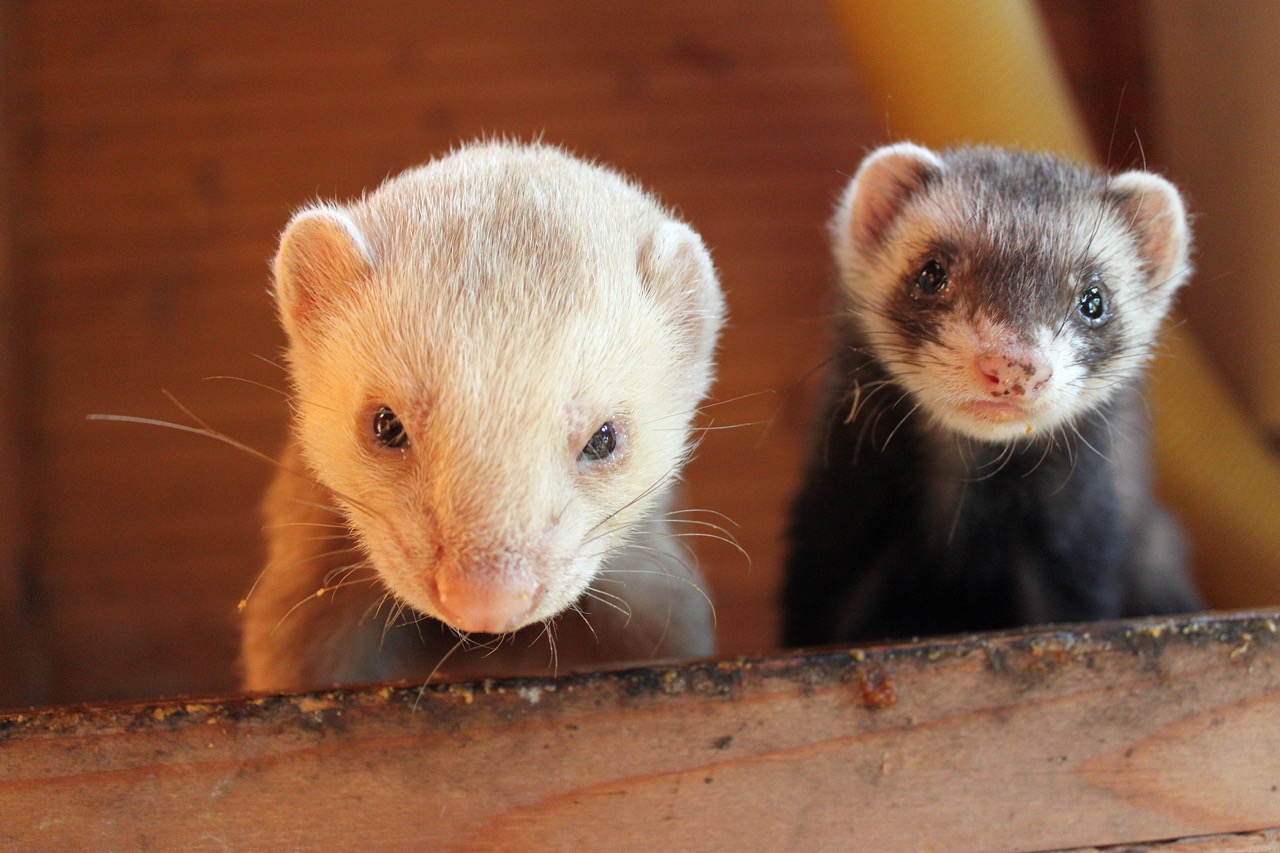
Bathing a ferret is an essential part of maintaining their hygiene; however, it requires a thoughtful approach to ensure the safety and comfort of your furry friend. Unlike cats and dogs, ferrets have specific bathing needs that differ from other pets. Excessive bathing can strip their skin of natural oils, leading to dryness and irritation. This article will guide you through understanding your ferret’s bathing requirements, preparing the bathing environment, selecting suitable products, and executing a safe bathing process.
Understanding Your Ferret’s Bathing Needs and Frequency
Ferrets are generally clean animals, and they groom themselves regularly. However, there are circumstances that may necessitate a bath. For instance, if your ferret gets into something sticky or smelly, or if they have a skin condition, a bath can help. It is crucial to note that ferrets have a natural musky scent, which is normal and should not be completely eliminated. A bath should not occur more than once a month, as over-bathing can lead to skin issues and alter their natural scent.
Another consideration is the age and health of your ferret. Younger ferrets or those with certain health conditions may be more susceptible to stress during bathing. It’s advisable to assess your ferret’s temperament and health before deciding to bathe them. If your ferret is elderly or has any medical concerns, consult with a veterinarian for personalized advice regarding their bathing needs.
Lastly, it’s important to recognize that individual ferrets may have different tolerances for bathing. Some ferrets may enjoy the water and see it as a playful activity, while others may find it stressful. Observing your ferret’s behavior during bath time will help you gauge how often they should be bathed and what strategies may help them feel more comfortable during the process.
Preparing the Bathing Environment for Your Ferret
Creating a comfortable and safe bathing environment is crucial for both you and your ferret. Start by selecting an appropriate location that is quiet and free from distractions. A bathtub or a sink can work well, but ensure that it is not too deep for your ferret to escape from easily. Use a rubber mat or towel at the bottom to prevent slipping, which can cause injury and distress.
Temperature is another factor to consider. Ferrets are sensitive to extremes in temperature, so ensure that the water is lukewarm—neither too hot nor too cold. Fill the bathing area with just enough water to cover the base, typically just a couple of inches. Avoid submerging your ferret entirely in water, as this can lead to panic and struggle. Having a small container or cup ready to rinse them helps maintain a sense of control over the bathing experience.
Lastly, organize your bathing supplies before you bring your ferret into the environment. This includes the shampoo, towels, and any brushes you may need. Having everything within arm’s reach will minimize the time your ferret spends in a potentially stressful situation and will allow you to focus on keeping them calm and safe throughout the process.
Choosing the Right Products for Ferret Bathing
When it comes to bathing your ferret, choosing the right products is essential for their skin and coat health. Firstly, you should opt for a shampoo specifically formulated for ferrets, as their skin has a different pH balance than that of dogs or humans. Products designed for cats can also be suitable in a pinch; however, avoid shampoos containing harsh chemicals, fragrances, or dyes that could irritate their sensitive skin.
In addition to shampoo, consider using conditioners that are safe for ferrets. These can help restore moisture and soften the fur after bathing. Always read labels and check that the products are hypoallergenic and free from harmful ingredients. If you are unsure, consult with your veterinarian for recommendations on the safest bathing supplies for your ferret.
Lastly, having soft towels on hand for drying is important. Ferrets can easily become chilled after a bath, so it’s crucial to dry them thoroughly but gently. Avoid using a hairdryer, as the noise and heat can be frightening for your ferret. Instead, use a cozy, absorbent towel to wrap them up and keep them warm until they are fully dry.
Step-by-Step Guide to Safely Bathe Your Ferret
Begin by gently placing your ferret in the designated bathing area. Speak softly to reassure them and create a calm atmosphere. Slowly wet your ferret’s fur using a cup or a gentle spray from a handheld showerhead. Be careful not to get water in their ears or eyes, as this could lead to discomfort or infections. Keep the water level shallow and avoid submerging them completely.
Once your ferret is wet, apply a small amount of ferret shampoo according to the instructions on the product. Lather it gently into their fur, taking care to avoid their face. Focus on areas that might require more attention, such as the paws and tail. After the fur is thoroughly lathered, rinse your ferret well with lukewarm water, ensuring all soap is removed to prevent skin irritation.
After rinsing, gently lift your ferret out of the bath and wrap them in a towel to dry them off. Create a cozy space where they can feel secure while drying. It’s essential to keep them warm and calm during this time, as they can easily become chilled. Once they are dry, you can reward them with a treat or some playtime to create a positive association with bath time.
Bathing your ferret can be a stress-free experience with the right preparation and understanding of their needs. By selecting appropriate bathing products, creating a safe environment, and following a careful bathing process, you can ensure that your ferret remains clean and healthy without compromising their comfort. Regular grooming and the occasional bath will help maintain their coat and skin, allowing your ferret to thrive as a happy and healthy companion. Always remember to monitor your ferret’s behavior and consult with a veterinarian if you have any concerns regarding their bathing routine or skin health.