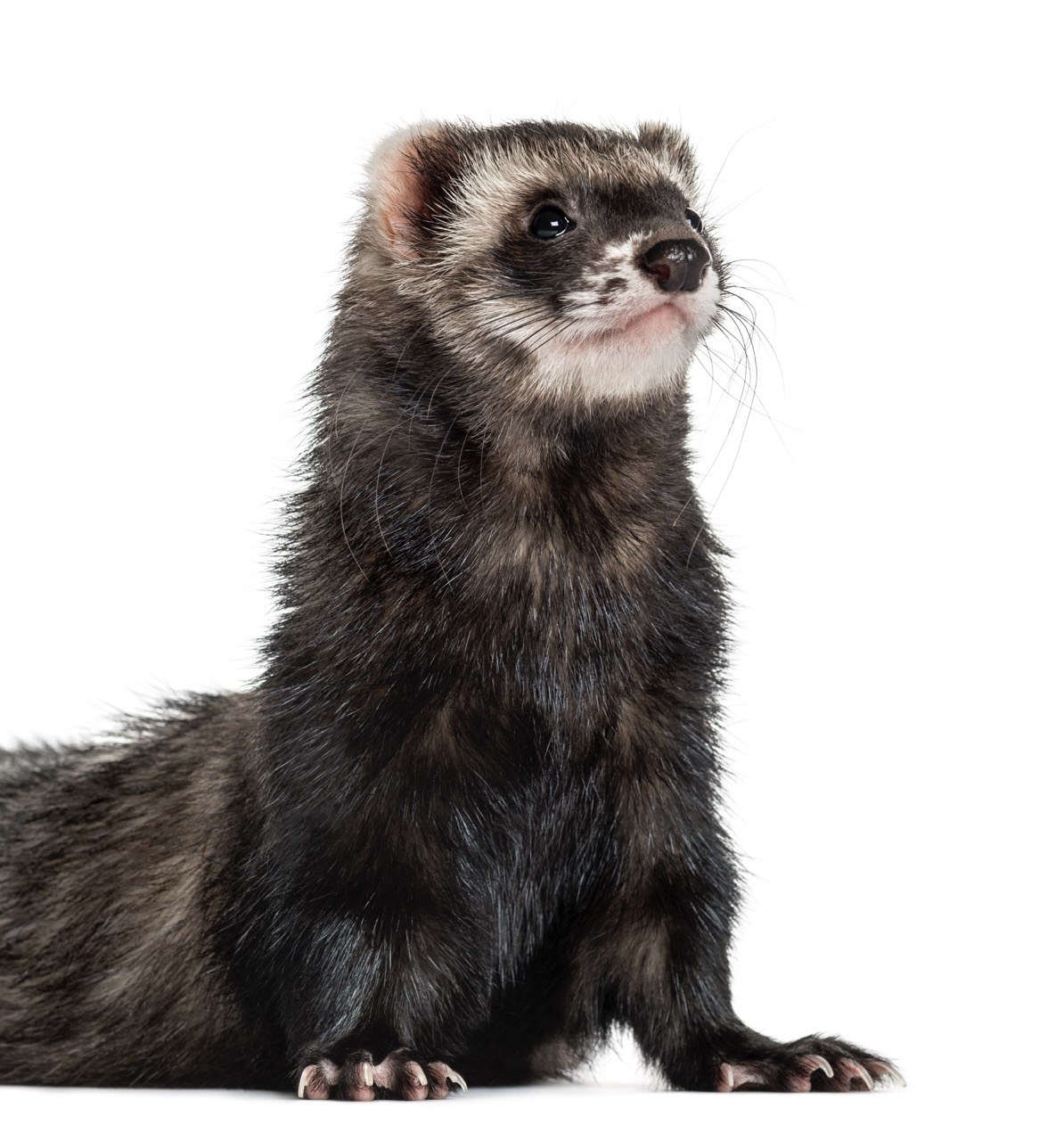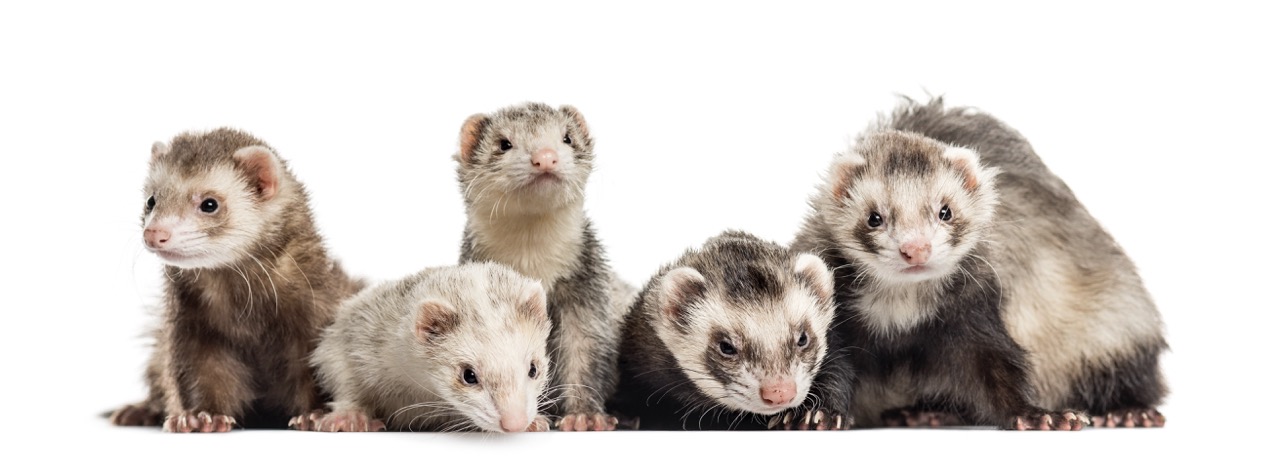



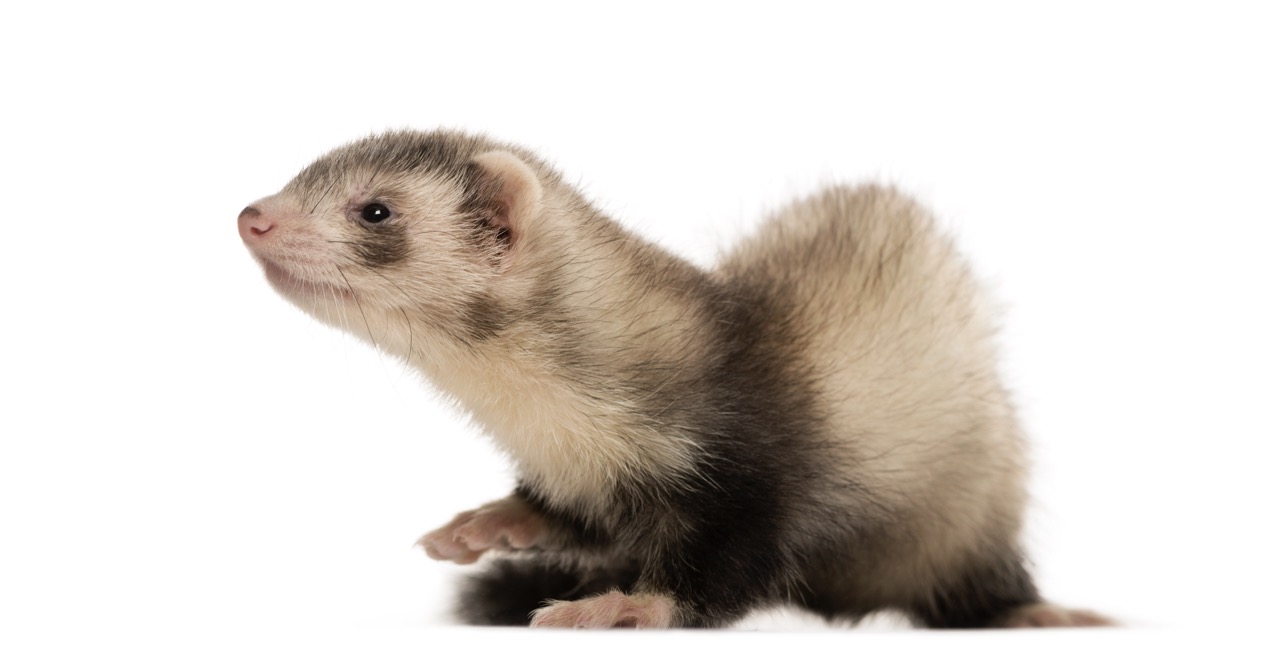
Creating a comfortable and stimulating environment for your ferret is essential for their well-being. While commercial cage setups provide the necessary structure, incorporating natural elements can enhance your ferret’s habitat and promote more natural behaviors. By integrating items like plants and wood features, you can create a vibrant and enriching space that supports both physical and mental health. This article will guide you through the benefits, material choices, creative integration methods, and maintenance tips to help you build a natural sanctuary for your furry friend.
Understanding the Benefits of Natural Elements for Ferrets
Incorporating natural elements into your ferret’s cage can significantly enhance their quality of life. Ferrets are naturally curious and active animals that thrive in environments that stimulate their instincts. Natural materials, such as wood and plants, can provide a more engaging habitat that encourages exploration and play. This can help reduce boredom and associated behavioral issues, such as chewing or digging, that can arise in a monotonous environment.
Moreover, natural elements can contribute to the overall health of your ferret. For example, certain plants can improve air quality and provide a calming atmosphere. Wood features can serve as climbing structures and hiding spots, which are essential for a ferret’s instinctual behaviors. By mimicking their natural habitat, you can create an environment that promotes exercise and social interaction, leading to a happier and healthier ferret.
Finally, natural materials can also enhance the aesthetic appeal of the cage. A well-designed space that incorporates earthy tones and textures can create a more harmonious living environment. This can be beneficial not only for the ferret but also for the owner, as it transforms the cage into an attractive focal point in your home rather than just a utilitarian item.
Choosing Safe and Suitable Natural Materials for the Cage
When selecting natural materials for your ferret’s cage, safety should be your top priority. Not all plants are suitable for ferrets, as some can be toxic if ingested. Common safe choices include spider plants, Boston ferns, and peace lilies, which not only add greenery but also help purify the air. Before introducing any new plant, it’s crucial to research its safety and potential effects on your ferret’s health to ensure they can explore their environment without risk.
In addition to plants, wood features can add diversity to your ferret’s cage. Opt for untreated, non-toxic woods, such as pine, maple, or birch. These materials can be used for building platforms, tunnels, or chew toys. Avoid using softwoods, like cedar or redwood, as they can contain harmful oils that are detrimental to your ferret. Ensuring that all materials are free from chemicals and pesticides is vital for maintaining a safe living space.
Finally, consider the size and structure of the items you choose. Ferrets are agile creatures known for their ability to squeeze through small spaces, so any elements in the cage should be securely anchored and appropriately scaled. Avoid sharp edges or small parts that could pose choking hazards. By carefully selecting safe and suitable materials, you can craft an enriching environment that keeps your ferret happy and healthy.
Creative Ways to Integrate Plants and Wood Features
Once you have selected safe natural materials, the next step is to creatively integrate them into your ferret’s cage. One approach is to create vertical space by incorporating climbing structures made from branches or wood platforms. This not only maximizes the use of space but also encourages your ferret to engage in natural climbing behaviors. Arrange these structures at varying heights to promote exploration and exercise.
Another idea is to create a naturalistic cave or hideaway using driftwood or hollow logs. This can serve as a cozy retreat for your ferret, providing a sense of security and comfort. You can enhance this feature by adding soft bedding materials, creating a warm and inviting space. Additionally, consider using plants to create a lush landscape within the cage, positioning them in a way that encourages your ferret to interact with them while ensuring they are out of reach of any nibbling.
Lastly, consider adding a small water feature, such as a shallow dish or a small fountain, to introduce a sensory element. Water can attract your ferret’s curiosity and encourage hydration through play. Ensure that the water feature is safe, easily cleaned, and does not pose a drowning risk. By combining these elements thoughtfully, you can create a dynamic and engaging environment that reflects your ferret’s natural instincts.
Maintenance Tips for Keeping Natural Elements Healthy
Maintaining the natural elements in your ferret’s cage is crucial for their longevity and your pet’s health. Regularly inspect plants for any signs of wilting or pest infestations, and remove any dead leaves or debris to keep the environment clean. It’s important to replace plants that are no longer healthy or may have become unsafe for your ferret. Ensuring your plants receive appropriate light and water will also contribute to their vitality and improve the aesthetics of the cage.
Wood features, such as climbing structures or tunnels, should be cleaned regularly to prevent the buildup of bacteria or mold. Wipe down surfaces with a safe, pet-friendly cleaning solution and ensure that any wood surfaces are allowed to dry thoroughly. If your ferret has chewed on wooden toys, inspect them for splinters or sharp edges that could lead to injuries. Replacing damaged items promptly will help maintain a safe play environment.
Lastly, periodically assess the overall layout of the cage to keep it engaging for your ferret. Rotating plants, rearranging wood structures, or adding new natural elements can stimulate your ferret’s curiosity and prevent boredom. Keeping the environment dynamic is essential for your ferret’s mental stimulation and overall well-being. By investing time in maintenance, you ensure that the natural elements remain a beneficial and enriching part of your ferret’s habitat.
Incorporating natural elements into your ferret’s cage is an enriching endeavor that promotes their health and happiness. By understanding the benefits, choosing safe materials, creatively integrating features, and maintaining these elements, you can create a vibrant habitat that mimics their natural environment. As you design your ferret’s space, remember that their well-being is paramount, and a little creativity can go a long way in enhancing their quality of life. Your ferret will thank you with their playful antics and joyful demeanor as they explore their natural sanctuary.