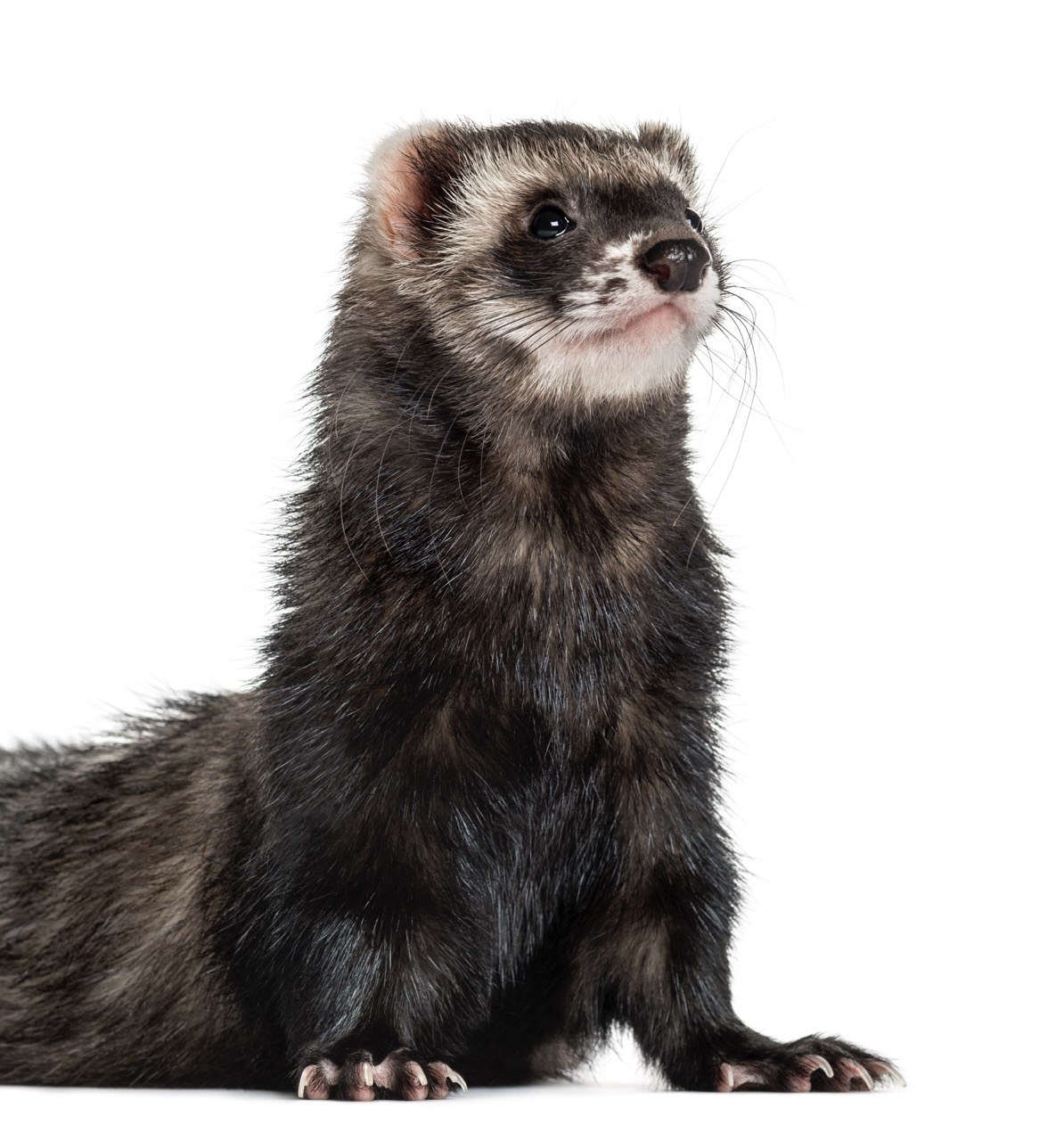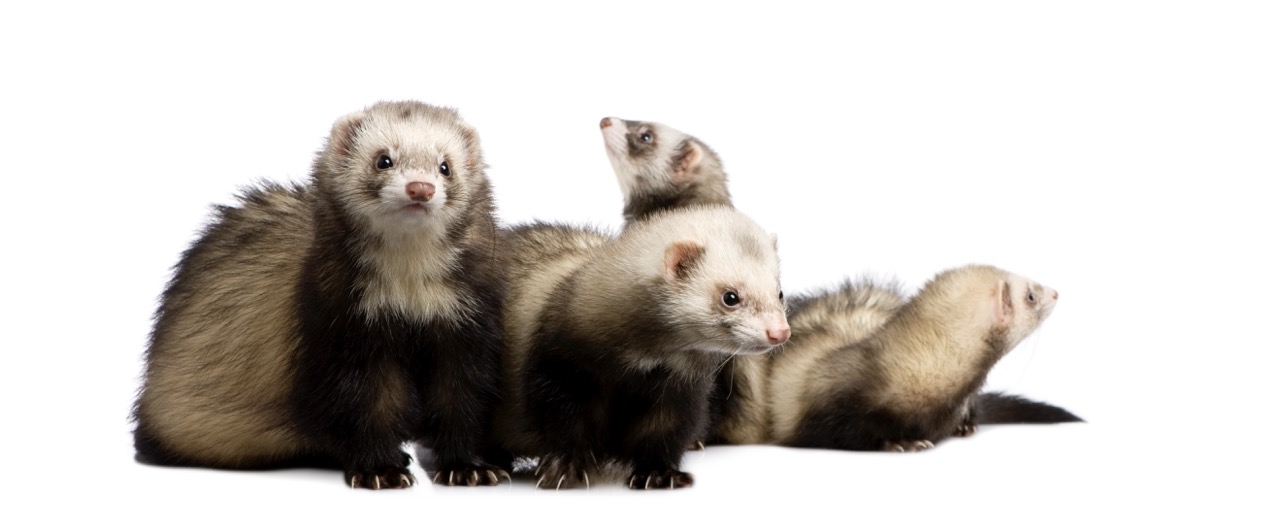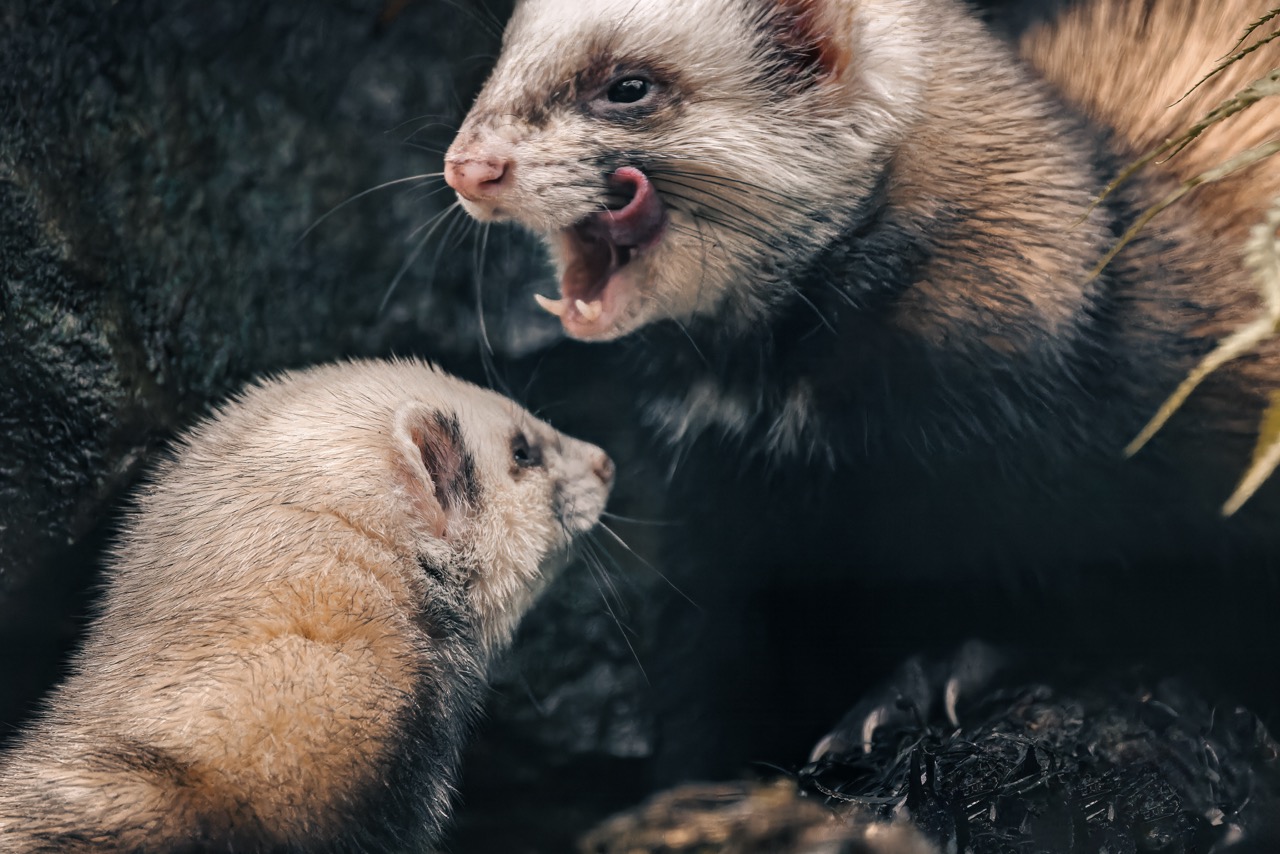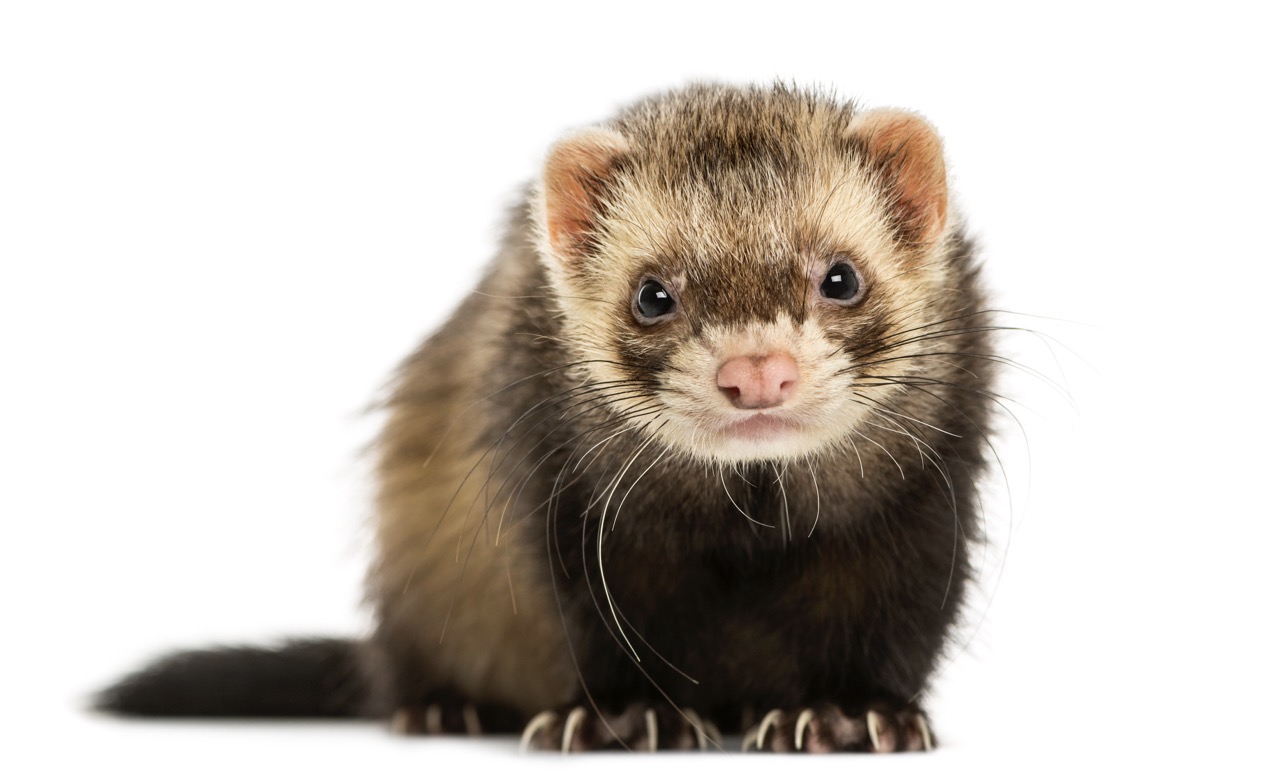





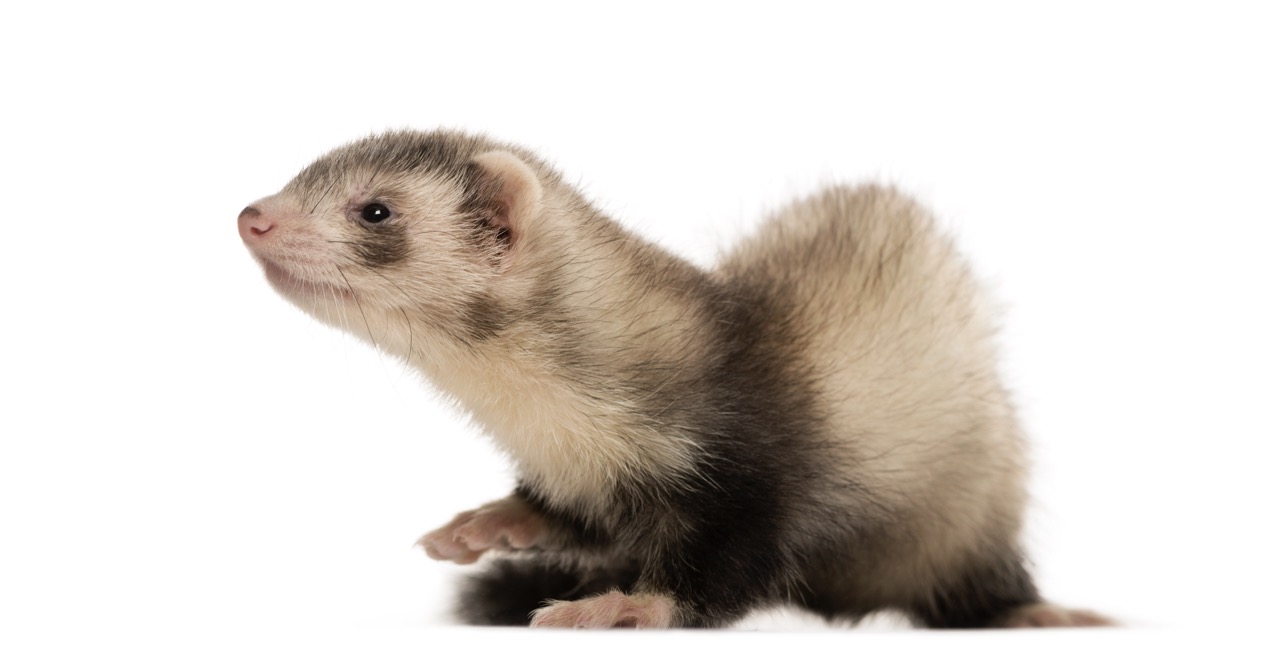
Ferrets are lively, curious creatures that thrive on interaction and exploration. However, many ferret owners find themselves limited by space, especially when it comes to housing their pets. A small cage can present challenges, but with proper understanding and creative solutions, it can still be a comfortable and enriching environment for your ferret. This article will guide you through the essentials of making a small cage work for your ferret, ensuring that your furry friend remains happy and healthy.
Understanding Your Ferret’s Needs in a Small Cage
Ferrets are naturally energetic animals that require plenty of space to roam and play. In a small cage, it’s crucial to recognize their intrinsic need for physical activity and mental stimulation. Ferrets typically need to spend several hours outside their cage each day to explore their environment, socialize, and exercise. Therefore, when using a smaller cage, it’s vital to create a routine that incorporates ample out-of-cage time to fulfill their instincts.
Beyond physical space, ferrets are also social creatures. They thrive on interaction with their owners and other ferrets. Creating a small cage that allows for socialization—whether with you or another ferret—can help meet their emotional needs. If your ferret is to be housed alone, ensure you spend quality time with them each day to prevent feelings of loneliness or boredom.
Lastly, consider your ferret’s safety and hygiene needs. Small cages can become cluttered quickly, leading to potential health hazards if not cleaned regularly. Providing a manageable environment that is easy to maintain will help ensure your ferret remains healthy and content. A deep understanding of these needs will enable you to make informed decisions regarding their living space, even when it is limited.
Essential Cage Features for a Comfortable Environment
When designing a small cage for your ferret, certain features are non-negotiable to ensure comfort and safety. Firstly, the cage should be well-ventilated and constructed from durable materials that are easy to clean. Wire cages with a solid base are often recommended, as they provide good airflow while keeping your ferret safe from potential escape. Make sure the spacing between bars is narrow enough to prevent your ferret from slipping through.
Another critical aspect is the bedding and nesting materials within the cage. Ferrets enjoy burrowing and will benefit from soft, absorbent bedding such as fleece or washable fabric. This not only provides comfort but also helps with temperature regulation. Additionally, include a small, secure hideout where your ferret can retreat to feel safe and cozy, as this gives them a sense of security in their environment.
Finally, incorporate multi-level platforms or shelves to maximize vertical space. Ferrets are natural climbers, and adding levels to their cage allows for more exploration and activity without requiring more floor space. These platforms should have ramps or ladders for easy access and should be constructed from non-slip materials to ensure your ferret can navigate them safely.
Creative Space-Saving Solutions for Ferret Essentials
In a small cage, optimizing the use of space is essential. One effective way to do this is by using corner litter boxes and compact feeding dishes. Corner litter boxes fit snugly into the cage’s corners, saving valuable floor space while providing an area for your ferret’s bathroom needs. Look for litter options that are safe for ferrets and easy to clean, such as paper-based or corn-based litters.
Utilize vertical space by incorporating hanging toys, hammocks, or tunnels that dangle from the cage’s upper levels. Not only do these items save floor space, but they also provide entertainment and stimulation for your ferret. When choosing toys, opt for durable materials that can withstand your ferret’s playful nature, and ensure they are safe and non-toxic.
Lastly, consider modular or stackable storage solutions for your ferret’s food, treats, and toys. This can help keep the cage organized and clutter-free. By storing items vertically or in designated areas outside the cage, you can create a more efficient living environment that is both functional and appealing. These creative space-saving solutions will help maximize your ferret’s quality of life, even in a smaller space.
Tips for Enriching Your Ferret’s Life in Limited Space
Even with a small cage, there are countless ways to enrich your ferret’s life. First, create a rotating schedule of toys and activities to prevent boredom. Introduce new toys periodically or rotate existing ones to keep their environment stimulating. Ferrets enjoy exploring and playing, so providing a variety of textures and types of toys can help keep their curiosity piqued.
Incorporate interactive playtime into your daily routine. Simple games such as hide-and-seek or using a feather wand can engage your ferret and encourage exercise. You can also set up obstacle courses using household items like cardboard boxes and tubes, allowing your ferret to utilize their natural climbing and burrowing instincts. The goal is to create a fun and stimulating environment that encourages both physical activity and mental engagement.
Finally, consider supervised time outside the cage in a safe, enclosed area. This allows your ferret to explore a broader environment where they can run, jump, and play. Be sure to remove any harmful items and ensure the space is ferret-proofed, as they are naturally curious and may get into trouble. By providing regular enrichment and varied stimulation, you can ensure your ferret remains happy, healthy, and enriched—even within the confines of a small cage.
Creating a comfortable and enriching environment for your ferret in a small cage is entirely achievable with the right understanding and strategies. By recognizing their needs, incorporating essential features, utilizing space-saving solutions, and providing enriching activities, you can ensure that your ferret thrives despite spatial limitations. Remember, the love and attention you give them are equally as important as the physical space, so dedicate time to bond and engage with your furry friend, enriching their lives in meaningful ways.