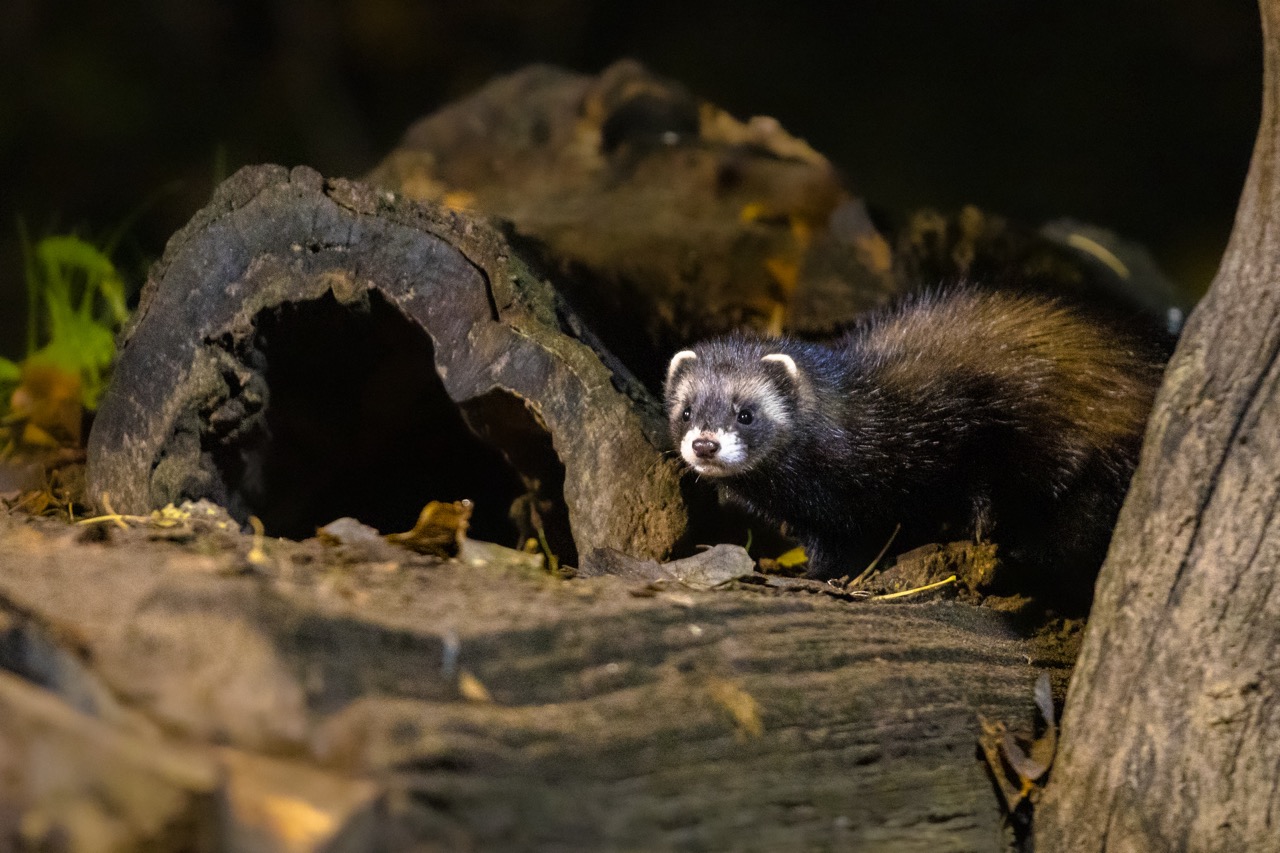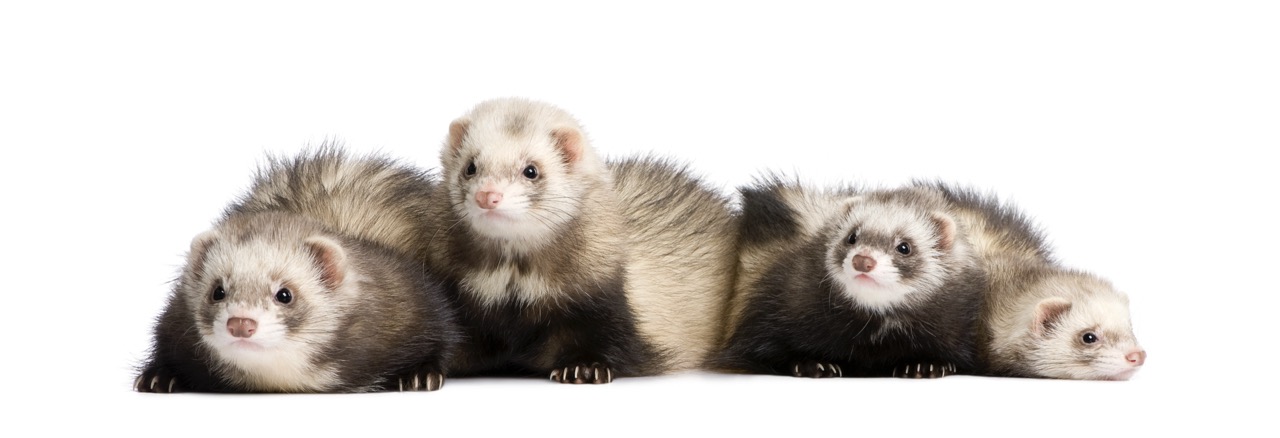




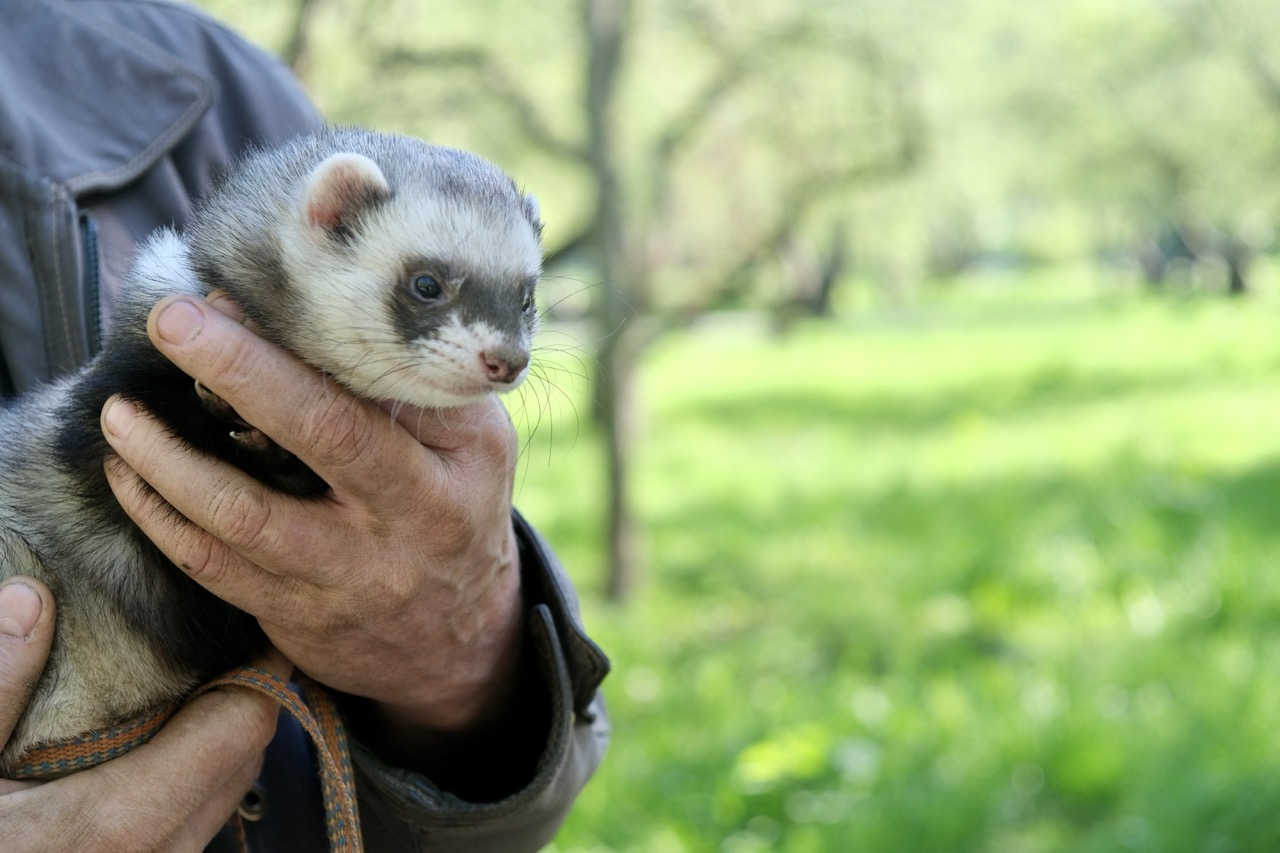
Ferrets are playful, curious creatures that require a safe and stimulating environment to thrive. As pet owners, it’s crucial to create a habitat that not only meets their behavioral and environmental needs but also safeguards them from hazardous materials that can pose serious health risks. Understanding these aspects is essential for ensuring the well-being of ferrets and promoting a harmonious living space. This article delves into ferret behavior, identifies common hazardous materials in their cages, offers safe alternatives, and presents best practices for maintaining a safe ferret habitat.
Understanding Ferret Behavior and Environment Needs
Ferrets are highly social animals known for their inquisitive nature and playful demeanor. They require ample space to explore, play, and climb, making a multi-level cage an ideal choice. Ferrets thrive in environments that allow for interaction, so incorporating tunnels, hammocks, and toys can simulate their natural behaviors. Understanding their need for socialization is also vital, as they are best kept in pairs or small groups to prevent loneliness and boredom.
In addition to space, ferrets require a specific temperature range to remain comfortable. They are sensitive to extreme temperatures, as they can easily overheat or become too cold. A well-ventilated cage placed in a moderate-temperature room ensures they have a suitable environment. Additionally, ferrets need a clean habitat, as they are prone to various health issues if their living space is not properly maintained.
Behaviorally, ferrets can be mischievous and may chew or dig in their surroundings. Thus, it’s essential to provide them with safe chewing toys to satisfy their need to gnaw. Understanding these behaviors and environmental needs allows ferret owners to create a safe and engaging habitat that promotes their physical and mental well-being.
Identifying Common Hazardous Materials in Ferret Cages
Creating a safe environment for ferrets means being aware of potential hazardous materials that may be present in their cages. One of the most common dangers is the use of certain types of bedding, such as cedar or pine shavings. These materials release aromatic oils that can irritate a ferret’s respiratory system and lead to long-term health issues. Additionally, some bedding may contain harmful chemicals or additives that can pose further risks.
Another concern is the presence of plastic items in the cage. Ferrets are prone to chewing, and ingesting plastic can lead to gastrointestinal blockages or other serious health complications. Items such as plastic toys or cage components should be avoided or monitored closely to prevent accidental ingestion. Moreover, certain cleaning products can be hazardous if used in proximity to the ferrets. Many common household cleaners contain harmful chemicals that can linger in the air or surfaces, posing a significant risk to their health.
Lastly, be vigilant about plants and decorations placed in or around the cage. Many common houseplants are toxic to ferrets if ingested, and decorative items may have small parts that can pose choking hazards. Identifying these common hazardous materials is crucial for ensuring a safe living environment for ferrets, ultimately promoting their health and happiness.
Safe Alternatives to Hazardous Materials for Ferret Care
Fortunately, there are safe alternatives to hazardous materials that can be used in ferret care. For bedding, paper-based or aspen shavings are excellent options that provide comfort without the harmful effects associated with cedar or pine. These materials are absorbent and help control odors while being safe for ferret respiratory systems. Additionally, fleece blankets or fabric hammocks can provide soft, cozy resting spots that are easy to clean and maintain.
When it comes to toys, opting for natural materials such as untreated wood or fabric can ensure safety during playtime. There are numerous commercially available ferret toys made from durable, safe materials, allowing ferrets to satisfy their chewing instincts without the risks associated with plastic. Moreover, homemade toys made from cardboard, untreated wood, or fabric can engage ferrets while keeping them safe from potential hazards.
For cleaning, consider using natural, pet-safe products such as vinegar and water or baking soda. These eco-friendly solutions effectively clean surfaces without introducing harmful chemicals into the ferret’s habitat. Additionally, ensuring proper ventilation when cleaning can further reduce any risks associated with airborne irritants. Utilizing safe alternatives helps protect ferrets while providing them with a comfortable and engaging living environment.
Best Practices for Maintaining a Safe Ferret Habitat
To maintain a safe ferret habitat, regular cleaning should be a priority. Ferrets are prone to various illnesses if their living spaces are not kept sanitary. Cleaning the cage daily, including changing bedding and washing food and water dishes, can help prevent the buildup of bacteria and odors. A thorough cleaning should be conducted weekly, involving the washing of the entire cage and any toys, ensuring that harmful residues do not linger.
Additionally, keeping the cage in an appropriate location is vital for safety. Placing the cage away from direct sunlight, drafts, or extreme temperatures can help maintain a stable environment. Furthermore, it is essential to ensure that the cage is secure and escape-proof, as ferrets are notorious for their ability to find their way out of enclosures. Regularly inspecting the cage for wear and tear can help prevent potential escape routes.
Lastly, providing a safe play area outside of the cage is crucial for ferret well-being. Supervised playtime in a secure environment allows ferrets to explore and exercise, deepening their bond with their owners. Ensure that the play area is free from hazards, such as electrical cords, small objects, or toxic plants. By following these best practices, ferret owners can create a safe and enriching environment that promotes health and happiness for their furry companions.
In conclusion, ensuring ferret cage safety is paramount for the health and well-being of these playful pets. By understanding their behavior and environmental needs, identifying hazardous materials, utilizing safe alternatives, and implementing best practices for maintenance, ferret owners can create a safe and engaging habitat. This proactive approach not only protects ferrets from potential dangers but also enhances their quality of life, allowing them to flourish in a secure environment. As responsible pet owners, prioritizing safety is essential for fostering a strong, lasting bond with these lovable creatures.