




Creating a stimulating environment for your ferret is crucial to their physical and mental well-being. Ferrets are naturally curious and agile creatures that require ample space to explore and climb. Providing safe climbing opportunities in a ferret cage not only promotes exercise but also stimulates their natural instincts. In this article, we will discuss the importance of climbing in ferret care, key safety features to incorporate in ferret cages, recommended climbing structures and materials, and the importance of regular maintenance and supervision.
Understanding the Importance of Climbing in Ferret Care
Climbing is an essential activity for ferrets, as it allows them to exercise their muscles and maintain their health. Ferrets are known for their playful and energetic behavior; therefore, climbing structures can prevent boredom and reduce the risk of obesity, which is a common issue in domesticated ferrets. When ferrets climb, they engage different muscle groups, helping to enhance their stamina and prevent health complications associated with a sedentary lifestyle.
Additionally, climbing opportunities can serve as a form of mental stimulation for ferrets, who are highly intelligent animals. Providing various levels, ramps, and tunnels can encourage problem-solving and exploration, which are vital components of their enrichment. Mental stimulation can mitigate behavioral issues such as biting or excessive digging, fostering a more balanced and happy pet.
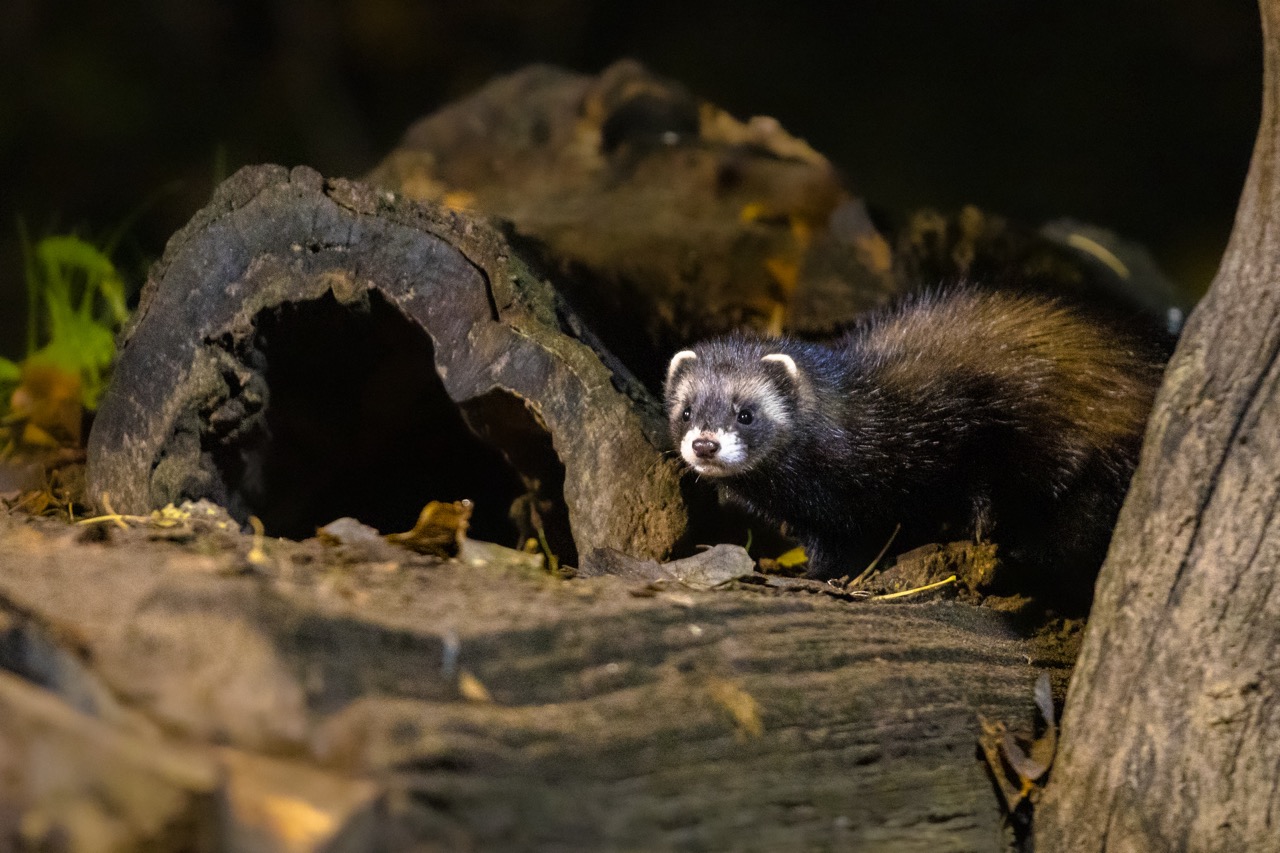
Finally, climbing allows ferrets to express their natural behaviors, which can include jumping, climbing, and burrowing. These instincts are part of their evolutionary biology, as ferrets are descendants of wild polecats. By mimicking their natural habitat and providing safe climbing opportunities, you can greatly enhance their quality of life, making your home a happier environment for both you and your ferret.
Key Safety Features to Incorporate in Ferret Cages
When setting up climbing areas within a ferret cage, safety should be your top priority. First and foremost, ensure that all climbing structures are stable and securely anchored to prevent tipping or collapsing. Ferrets are adept climbers, and any unstable surface can lead to injury. Using heavy-duty materials and ensuring that all components are tightly secured will help mitigate risks.
Another critical safety feature is the spacing and design of climbing elements. Ladders and ramps should have a surface that prevents slipping, such as non-slip carpeting or textured materials. Avoid sharp edges, as ferrets are prone to accidents when they play. Additionally, check that any gaps between climbing structures and the walls of the cage do not pose a risk of entrapment, as ferrets can easily get stuck in tight spaces.
Finally, it’s important to consider the overall design of the cage when incorporating climbing structures. The layout should allow for multiple escape routes and hiding spots, as ferrets can become stressed in confined spaces. Incorporating platforms at varying heights can create a more dynamic environment, allowing ferrets to climb, jump, and explore safely while reducing the likelihood of falls.
Recommended Climbing Structures and Materials for Ferrets
When choosing climbing structures for your ferret cage, consider using natural materials like untreated wood, which can be safe and durable. Wooden shelves and ramps can provide a sturdy base for climbing, while also allowing your ferret to dig and chew, which satisfies their natural instincts. Ensure that any wood used is free from chemicals and pesticides to avoid potential harm to your pet.
Plastic tunnels and tubes are also excellent additions to a ferret cage, offering a safe, lightweight option for climbing and exploration. These tunnels can be easily arranged and rearranged, promoting variety in your ferret’s environment. Additionally, choose tunnels with smooth edges to prevent injuries while climbing in and out.
For enhanced safety, consider purchasing commercial climbing structures specifically designed for ferrets or small animals. These often feature integrated safety features like non-slip surfaces and padded edges. Brands that specialize in pet furniture typically offer a range of heights and designs suitable for ferrets, ensuring your pets have access to safe climbing opportunities.
Regular Maintenance and Supervision for Safe Climbing
Even the safest climbing structures require regular maintenance to ensure they remain in good condition. Periodically inspect all climbing surfaces, ramps, and tunnels for wear and tear that could pose safety hazards. Look for loose screws, splintered wood, or frayed edges that may have developed over time. Regular maintenance helps to prevent accidents and provides a safe environment for your ferret.
In addition to structural upkeep, keeping the climbing area clean is vital for your ferret’s health. Ferrets are notorious for their curious nature, which can lead them to investigate and potentially ingest harmful substances. Regularly clean climbing structures and the surrounding area to minimize odors and bacteria. Ensure that any materials used are safe for your ferret and easy to disinfect.
Lastly, supervision is key to ensuring your ferret’s safety while they explore their climbing opportunities. Always keep an eye on them during playtime, especially when they are using new structures or materials. By monitoring their interactions with their environment, you can quickly address any potential issues and provide a safe, enriching experience for your ferret.
Providing safe climbing opportunities in a ferret cage is essential for their physical and mental health. By understanding the importance of climbing, incorporating key safety features, choosing appropriate materials, and maintaining a vigilant eye on your ferret’s activities, you can create a stimulating and safe environment. Remember, a well-designed cage not only enriches your ferret’s life but also strengthens the bond between you and your furry friend. Prioritizing safety will ensure your ferret enjoys their climbing adventures for years to come.